
A FILM TO REMEMBER: “CINEMA PARADISO” (1988)
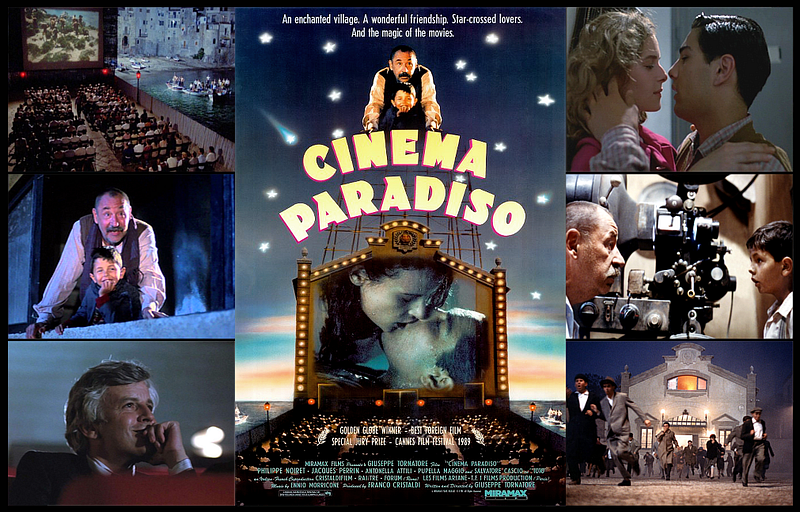
Before I get into this, I want to make mention “A FILM TO REMEMBER” will be a series about films that have reached a milestone anniversary since their origin in being culturally, historically, or aesthetically significant. The articles will contain the film’s plot outline, director, cast, a compilation of trivialities, various photos, movie trailer, critical reception and more. So, let’s start:
We are here to mark the celebration of the 30th Anniversary of Giuseppe Tornatore’s “Cinema Paradiso”. Let’s take an inside look at the film:
PLOT OUTLINE:
A filmmaker recalls his childhood when falling in love with the pictures at the cinema of his home village and forms a deep friendship with the cinema’s projectionist.
STUDIO:
Miramax Films
DIRECTOR:
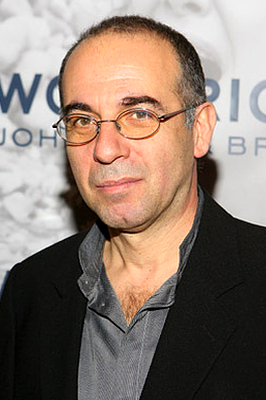
Giuseppe Tornatore
CAST:
- Philippe Noiret … Alfredo
- Salvatore Cascio … Salvatore Di Vita — Child
- Marco Leonardi … Salvatore Di Vita — Teenager
- Jacques Perrin … Salvatore Di Vita — Adult
- Agnese Nano … Elena Mendola
- Brigitte Fossey … Elena Mendola — Adult
- Antonella Attili … Maria Di Vita
- Pupella Maggio … Maria Di Vita — Older
- Enzo Cannavale … Spaccafico
- Isa Danieli … Anna
- Leopoldo Trieste … Father Adelfio
- Nino Terzo … Peppino’s Father
- Giovanni Giancono … Mayor
GENRE(S):
Drama
TAGLINE:
A celebration of youth, friendship, and the everlasting magic of the movies.
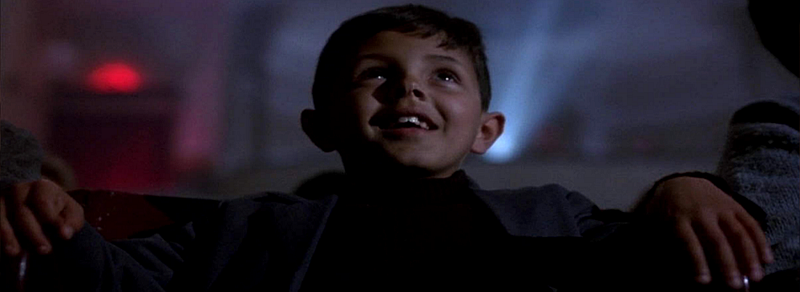
The film is know for being irresistibly nostalgic, it’s famed for the “kissing scene” montage at its climatic end and while this may be a celebration of the art and social history of cinema, it’s also a thoughtful memoir of more innocent days, when pleasures rarely came cheaply or instantly, as it retains its wide-eyed charm, pitched halfway between unrestrained romanticism and unknowing kitsch. The film is based from an original idea by Giuseppe Tornatore, it was a critical success and is widely held in regard by many as a classic feature film that’s often credited for reviving Italy’s film industry.
Here’s what some of the critical receptions have been for the film over the years:
Eric Harrison from Houston Chronicle says: “The film is not only a love song to the movies but it also is more fully an example of the kind of lush, all-enveloping movie experience it rhapsodizes.”
Tom Keogh from Seattle Times says: “The heightened symmetry of ‘Cinema Paradiso’ makes the film a fuller experience, like an old friend haunted by the exigencies of time.”
Ann Hornaday from Washington Post says: “Still rapturous after all these years, ‘Cinema Paradiso’ stands as one of the great films about movie love.”
Mick LaSalle from San Francisco Chronicle says: “Something heartfelt becomes something almost silly, and the movie barely survives.”
John Hartl from Film.com says: “Anyone who feels as attached to the history of movies as Tornatore obviously does, there are more than enough irresistible moments.”
As you can tell by the critical reactions, while some may find too much charm can kill, in making this an emotionally manipulative schmaltzy love letter to cinema, others feel it walks a fine line between genuinely emotional and overly sentimental, but yet, it evokes the magic of moviegoing in an enchanting, sweeping look at post-WWII life, real and reel. While its set mostly in a small Italian village, its laden with wonderful moments and ideas as the characters, situations and changes it depicts are universal, capturing and conveying the enchantments, escapisms, and enslavements of those mesmerized by the world of cinema as it stands as one of the great feature films about cinematic love, in a fully realized tour de force of the heart. But I’ll let you decide…
So, to get a better look at the film, here’s a link to the movie trailer of Giuseppe Tornatore’s “Cinema Paradiso”:
Here I have provided 12 interesting and intriguing trivia facts (I wanted to keep it limited) about “Cinema Paradiso”:
- Director Giuseppe Tornatore’s intention was that this film should serve as an obituary for traditional movie theaters (like the one in the film) and the movie industry in general. After the film’s success he never mentioned this again.
- By the end of 1956, it was Italy which had the largest network of cinemas in the whole of Europe. A total of 17,000. This was the highest ever reached in around that time.
- Philippe Noiret recited all of his lines in his natural language, French. He was later dubbed in Italian by Vittorio Di Prima. In the French version, Noiret dubbed himself.
- When Salvatore returns to his home and looks at the room his mother prepared for him, there’s a picture on the wall from the movie “The White Sheik: (1952), a Federico Fellini film starring Leopoldo Trieste, who plays Father Adelfio in this film.
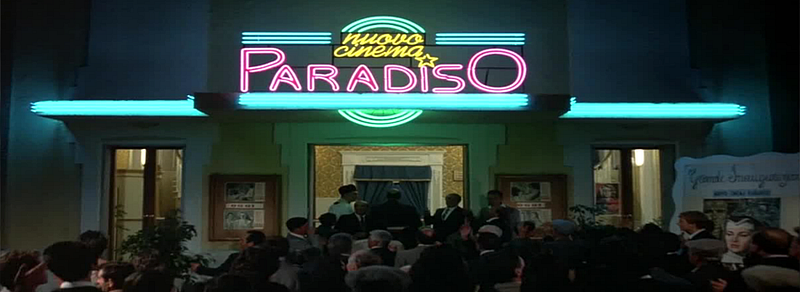
- The film was shot in Giuseppe Tornatore’s hometown Bagheria, Sicily, as well as Cefalù on the Tyrrhenian Sea. The famous town square is Piazza Umberto I in the village of Palazzo Adriano, about 30 miles to the south of Palermo. The ‘Paradiso’ cinema was built here, at Via Nino Bixio, overlooking the octagonal Baroque fountain, which dates from 1608.Told largely in flashback of a successful film director Salvatore to his childhood years, it also tells the story of the return to his native Sicilian village for the funeral of his old friend Alfredo, the projectionist at the local “Cinema Paradiso”. Ultimately, Alfredo serves as a wise father figure to his young friend who only wishes to see him succeed, even if it means breaking his heart in the process.
- A sample of the line “Ora che ho perso la vista, ci vedo di più” in original language (in English it is “Now that I lost vision, I can see more”) can be heard in the song “Take The Time” by Dream Theater.
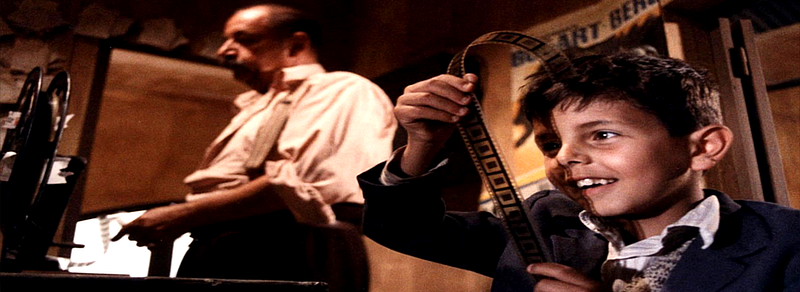
- Giuseppe Tornatore photographed over 300 young Sicilian boys in his attempt to find an actor to play young Salvatore before he eventually cast Salvatore Cascio in the role.
- The character of Elena Mendola as an adult (played by Brigitte Fossey) was included in the first theatrical version of the film (155 minutes, released in November 1988) but then dropped in the shorter re-release (124 minutes, May 1989), which was shown internationally. Her scenes were eventually reinstated in the extended version (173 minutes).
- The new film projector installed after the fire accident in the projector room is a model Victoria IV manufactured by Cinemeccanica S.p.a, Milano, Italy.
- Irene Papas was considered for the role of the older Maria Di Vita. The role of course eventually went to Pupella Maggio.
- By the end of the twelve month period for 1924, Italy’s entire film output had not exceed 20 titles. As 220 titles were released during 1920, by 1924, Italian cinema was slowly dying.
- Giuseppe Tornatore is the person working the projection machine when Salvatore is watching the compilation of scenes that Alfredo made for him.
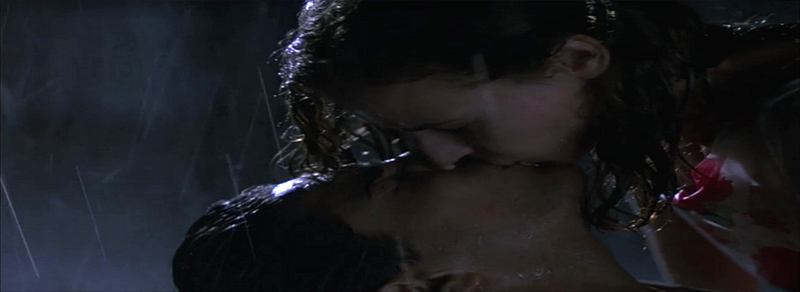
To conclude, Giuseppe Tornatore’s “Cinema Paradiso” is seen as an example of “nostalgic postmodernism,” as it intertwines sentimentality with comedy, and nostalgia with pragmatism. It explores issues of youth, coming-of-age, and reflections (in adulthood) about the past. The imagery in the scenes are be to be a reflection of idealized memories of a childhood in developing a passion for cinema that shaped a life’s path in adulthood. The film is a life-affirming ode to the power of youth, nostalgia, and the cinematic films themselves in one of the finest features about innocence ever made, a perfect picturesque vintage of a time when the cinema was the only source of laughter and joy, as the film reverberates and emulates in paralleling a cinephile’s affection of cinema into this classic narrative reel of delight.
NOTE: The article contains sources from IMDb and Wikipedia.
Follow me and check out other articles of mine: