avatarScott Anthony

Free AI web copilot to create summaries, insights and extended knowledge, download it at here

4880

Abstract

<p id="9758"><b>Emanuel Levy </b>from <b><i>EmanuelLevy.com</i></b> says: <i>“Made at the height of Steve McQueen’s popularity, this romantic heist thriller contains one of the sexiest scenes in a Hollywood film.”</i></p><p id="7943"><b>John Mahoney </b>from <b><i>Hollywood Reporter</i></b> says: <i>“Jewison continues to prove himself among the most facile and appropriative of the two-dimensional directors.”</i></p><figure id="278c"><img src="https://cdn-images-1.readmedium.com/v2/resize:fit:800/1*rsf4NunaPqS2uH2KuxLHSg.png"><figcaption>Still image of Steven McQueen in “The Thomas Crown Affair”.</figcaption></figure><p id="c2ae">As you can tell by the critical reactions, the film was consensually mixed though leans more on the positive side but it did capture some criticism for it being flimsy and dated in certain respects, as well as essentially feeling underwritten in terms of its style over substance. However, Jewison manages to pull this voguish affair into a respectable, even memorable caper that tells an adept story, that’s well forged, efficiently devised and lively formed. This eye catching and provocative light and dazzle set up of a push and pull between the gender dynamics in unraveling the perplexities surrounding the objects of one’s affection, all the while, camouflaging the motivations and thoughts that lie just beneath the surface as its fashionably bolstered by the charismatic and alluring performances of McQueen and Dunaway in this entrancing, cucumber-cool, highly polished and glitzy escapist of a stealing high jinks of a pilfering prototypical thrill ride. But I’ll let you decide…</p><p id="f3f8">So, to get a better look at the film, here’s a link to the movie trailer of Norman Jewison’s “The Thomas Crown Affair”:</p> <figure id="fe5d"> <div> <div> <img class="ratio" src="http://placehold.it/16x9"> <iframe class="" src="https://cdn.embedly.com/widgets/media.html?src=https%3A%2F%2Fwww.youtube.com%2Fembed%2FahupUFjzPJc%3Ffeature%3Doembed&amp;url=http%3A%2F%2Fwww.youtube.com%2Fwatch%3Fv%3DahupUFjzPJc&amp;image=https%3A%2F%2Fi.ytimg.com%2Fvi%2FahupUFjzPJc%2Fhqdefault.jpg&amp;key=a19fcc184b9711e1b4764040d3dc5c07&amp;type=text%2Fhtml&amp;schema=youtube" allowfullscreen="" frameborder="0" height="480" width="854"> </div> </div> </figure></iframe></div></div></figure><p id="3a3c">Here I have provided 12 interesting and intriguing trivia facts (<i>I wanted to keep it limited</i>) about “The Thomas Crown Affair”:</p><ul><li>Writer Alan Trustman got the idea for the film when he was working in a bank and spent his more idle moments imagining how to rob it.</li><li>Sean Connery had been the original choice for role of Thomas Crown (played by Steve McQueen) but declined, exhausted from filming “You Only Live Twice” (1967). Connery later regretted the decision not taking the part.</li><li>Steve McQueen, whom director Norman Jewison had helmed in “The Cincinnati Kid” (1965), lobbied hard for the part, which Jewison was reluctant to give him, as he felt it was too divergent from McQueen’s onscreen and offscreen personas. McQueen of course, ended up getting the role.</li><li>Norman Jewison states that Faye Dunaway was his first and only choice for the female lead, thus discrediting reports of other actresses turning down the role. Jewison cast Dunaway based on the footage he saw of “Bonnie and Clyde” (1967) before its release.</li><li>One of the more noteworthy aspects of the film is its split screen opening sequence. While some claim that this is an example of style over content, the real reason the split screen was adopted was because editor Hal Ashby was tasked with reducing the running time of the opening.</li><li>After watching a 5 hour rough cut of the film, composer Michel Legrand took a six week vacation during which he wrote 90 minutes of music. The film was then reedited to the music, instead of the other way around. If this experiment had failed, Legrand would have written a second score in the traditional way free of charge.</li></ul><figure id="f5b8"><img src="https://cdn-images-1.readmedium.com/v2/resize:fit:800/1*yzfLmwpPFCaFL--hMzSzJw.png"><figcaption>Still image of Faye Dunaway in “The Thomas Crown Affair”.</figcaption></figure><ul><li>According to director Norman Jewison, the initial bank robbery was filmed at the downtown branch of the National Shawmut Bank, and that although the guards and bank officials knew what was going on, the customers did not because the filmmakers were using a concealed camera. Although they apparently thought that a real robbery was occurring, none of the customers or pedestrians interfered in any way.</li><li>Steve McQueen undertook his own stunts, which include playing polo and driving a dune buggy at high speed along the Massachusetts coastl # Options ine.</li><li>Like the iconic Swiss Tag Heuer watch Steve McQueen immortalized in “Le Mans” (1971), the “Persol” sunglasses he sported in this movie generated such a trendsetting image, the Italian manufacturers re-issued the foldaway, retro-cool tortoiseshell “714” model as a part of the “Steve McQueen Collection” (October 2010).</li><li>In the film, the Ferrari driven by Faye Dunaway and being referred to as “one of those red Italian things” is actually the first of only ten Ferrari 275 GTB/4 NART Snyders. This one is serial number 09437. This particular car came second in its class in the 1968 12 hour of Sebring before being repainted and used for the movie. Steve McQueen liked the car so much, he wanted one for himself. He eventually ended up with serial number 10453. That car is today with collector Anthony Wang in NY, USA.</li><li>Norman Jewison’s use of multiple images was inspired by the Expo 67 films: “In the Labyrinth” (1967) and “A Place to Stand” (1967), the latter of which pioneered the use of Christopher Chapman’s “multi-dynamic image technique”, images shifting on moving panes. Steve McQueen was on hand for an advance screening of “A Place to Stand” in Hollywood and personally told Chapman he was highly impressed; the following year, Jewison had incorporated the technique into the film, inserting the scenes into the already finished product.</li><li>Of all of the films that Steve McQueen made in his career, this is reported to have been his favorite. Just as Faye Dunaway cited this as one of her favourite movie-making experiences.</li></ul><figure id="b512"><img src="https://cdn-images-1.readmedium.com/v2/resize:fit:800/1*9f4jILkf1wt6pmG5pcb3jQ.png"><figcaption>Still image of Steven McQueen and Faye Dunaway in “The Thomas Crown Affair”.</figcaption></figure><p id="d3d3">To conclude, Norman Jewison’s “The Thomas Crown Affair” focus lies on the teasing charm of the cat-and-mouse game that combines the technical pizzazz of the 1960s with a tonality of those ‘30s and ‘40s capers but one senses the era in which it was made, as other films of that particular period made the misconception of placing technique over characterization. Norman Jewison strips away the thin patina of social significance in favor of pure vogue formality, utilizing sound overlaps and incorporating the masquage techniques that makes it a fashionably scenic and a rollicking kleptomaniac chess game. The film is shrouded in the morals of gender politics as its intrinsic workings alluringly and seductively gyrate across the conceptualization of physical fondness and emotional proclivity that’s anchored by the appealingly arresting duo of Steve McQueen and Faye Dunaway in this charmingly artistic escapade of a stylishly cool, enticingly plush, strikingly suave and a slickly chess maneuvering cult thieving thriller.</p><p id="ed22"><i>NOTE: The article contains sources from IMDb and Wikipedia.</i></p><p id="b5e5"><b>Follow me and check out other articles of mine:</b></p><div id="8ca5" class="link-block"> <a href="https://readmedium.com/a-film-to-remember-rope-1948-223e569318b8"> <div> <div> <h2>A FILM TO REMEMBER: “ROPE” (1948)</h2> <div><h3>The 70th Anniversary of Alfred Hitchcock’s “Rope”.</h3></div> <div><p>medium.com</p></div> </div> <div> <div style="background-image: url(https://miro.readmedium.com/v2/resize:fit:320/1*wn0--IyW92ToYoK_2MQDMA.png)"></div> </div> </div> </a> </div><div id="7260" class="link-block"> <a href="https://readmedium.com/a-film-to-remember-the-long-hot-summer-1958-93cddcb8823c"> <div> <div> <h2>A FILM TO REMEMBER: “THE LONG, HOT SUMMER” (1958)</h2> <div><h3>The 60th Anniversary of Martin Ritt’s “The Long, Hot Summer”.</h3></div> <div><p>medium.com</p></div> </div> <div> <div style="background-image: url(https://miro.readmedium.com/v2/resize:fit:320/1*GEWzbsg-VCQ2psTRakvxKA.png)"></div> </div> </div> </a> </div><div id="1f34" class="link-block"> <a href="https://readmedium.com/a-film-to-remember-mississippi-burning-1988-7e333e4cdb3c"> <div> <div> <h2>A FILM TO REMEMBER: “MISSISSIPPI BURNING” (1988)</h2> <div><h3>The 30th Anniversary of Alan Parker’s “Mississippi Burning”.</h3></div> <div><p>medium.com</p></div> </div> <div> <div style="background-image: url(https://miro.readmedium.com/v2/resize:fit:320/1*G4KA2LTWGrnPO0mmmK0DzA.png)"></div> </div> </div> </a> </div></article></body>

A FILM TO REMEMBER: “THE THOMAS CROWN AFFAIR” (1968)
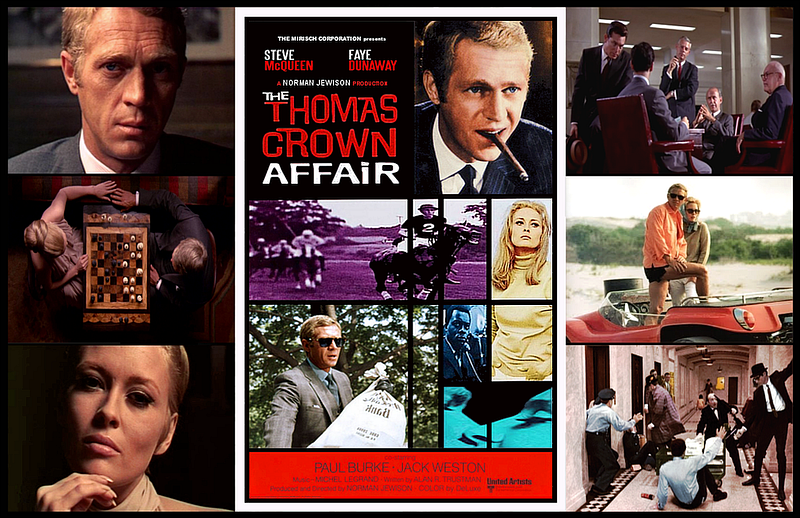
Photograph of film poster with a display of scene images from “The Thomas Crown Affair”.

Before I get into this, I want to make mention “A FILM TO REMEMBER” will be a series about films that have reached a milestone anniversary since their origin in being culturally, historically, or aesthetically significant. The articles will contain the film’s plot outline, director, cast, a compilation of trivialities, various photos, movie trailer, critical reception and more. So, let’s start:

We are here to mark the celebration of the 50th Anniversary of Norman Jewison’s “The Thomas Crown Affair”. Let’s take an inside look at the film:

PLOT OUTLINE:

A debonair, adventuresome bank executive believes he has pulled off the perfect multi-million dollar heist, only to match wits with a sexy insurance investigator who will do anything to get her man.
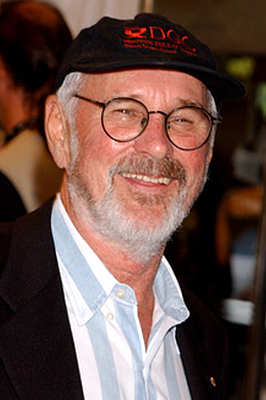
Still image of filmmaker Norman Jewison.

STUDIO:

United Artists

DIRECTOR:

Norman Jewison

CAST:

  • Steve McQueen … Thomas Crown
  • Faye Dunaway … Vicki Anderson
  • Paul Burke … Detective Eddie Malone
  • Jack Weston … Erwin Weaver
  • Gordon Pinsent … Jamie McDonald
  • Biff McGuire … Sandy
  • Yaphet Kotto … Carl
  • Addison Powell … Abe
  • Astrid Heeren … Gwen
  • Sidney Armus … Arnie
  • Richard Bull … Booth Guard
  • Peg Shirley … Honey
  • Patrick Hogan … Danny
  • Carol Corbett … Miss Sullivan
  • Tom Rosqui … Private Detective
  • Michael Shillo … Swiss Banker
  • Nora Marlowe … Marcie
  • Sam Melville … Dave
  • Tom Gehring … Marvin
  • Paul Verdier … Elevator Operator
  • Judy Pace … Pretty Girl

GENRE(S):

Crime | Drama | Romance | Thriller

TAGLINE:

He was young, handsome, a millionaire — and he’d just pulled off the perfect crime! She was young, beautiful, a super sleuth — sent to investigate it!
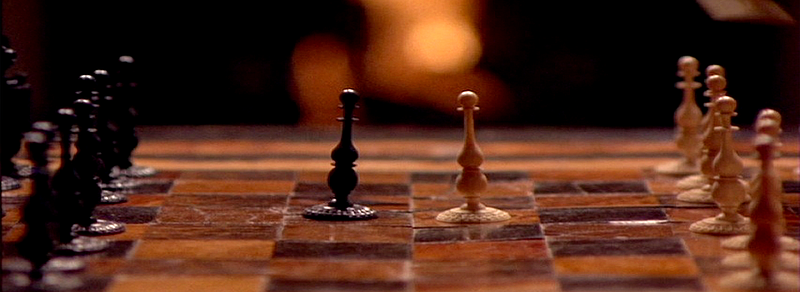
Still image of a chess board in “The Thomas Crown Affair”.

The film is know for being a stylish heist thriller that is a flashy, picturesque and an undemanding technical achievement, with a well-recognized musical score that implements a photography that’s typically unusual for a mainstream Hollywood film, in using a split-screen mode dynamic. Director Norman Jewison paring of the elements of character, plot and motive to promote entertainments in which the vogues of unrestrained directorial technique are ultimately the star, protracted commercials in which the helmer is both progenitor and featured product. Its among new beginnings and abrupt endings, how the narrative connects itself to a culture of loss as this mirthless emotive fluctuates through its romantic vitality as the movements throughout the drama are calculated with a careful precision while passion only propels it, that’s enhanced by the marquee power and chemistry displayed by Steve McQueen and Faye Dunaway in this caperingly savvy, romantically vibrant, sexually steamy and enjoyably entertaining exemplar. The film is based from original idea by Alan R. Trustman, it went on to receive a mixed leaning positive reception but the film has since garnered a status over the course as being cult classic of its genre.

Here’s what some of the critical receptions have been for the film over the years:

James Berardinelli from ReelViews says: “It’s worth noting that 30 years and dozens of caper films later, the closing twist isn’t nearly as startling as it once was, but it still makes for an effective conclusion.”

Variety Staff from Variety says: “The Norman Jewison film tells a crackerjack story, well-tooled, professionally crafted and fashioned with obvious meticulous care.”

Jonathan Rosenbaum from Chicago Reader says: “It’s no doubt dated now, but this heist movie starring Steve McQueen and Faye Dunaway was considered pretty hot stuff back in 1968.”

Emanuel Levy from EmanuelLevy.com says: “Made at the height of Steve McQueen’s popularity, this romantic heist thriller contains one of the sexiest scenes in a Hollywood film.”

John Mahoney from Hollywood Reporter says: “Jewison continues to prove himself among the most facile and appropriative of the two-dimensional directors.”
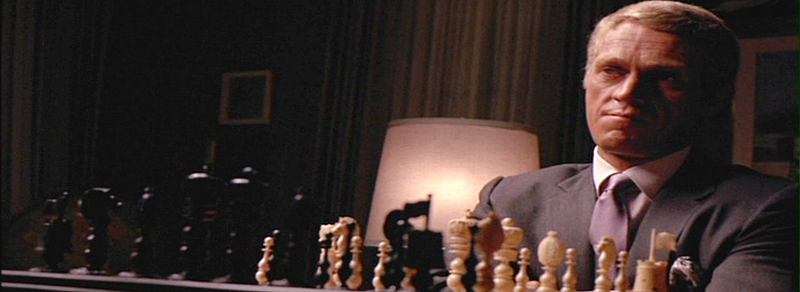
Still image of Steven McQueen in “The Thomas Crown Affair”.

As you can tell by the critical reactions, the film was consensually mixed though leans more on the positive side but it did capture some criticism for it being flimsy and dated in certain respects, as well as essentially feeling underwritten in terms of its style over substance. However, Jewison manages to pull this voguish affair into a respectable, even memorable caper that tells an adept story, that’s well forged, efficiently devised and lively formed. This eye catching and provocative light and dazzle set up of a push and pull between the gender dynamics in unraveling the perplexities surrounding the objects of one’s affection, all the while, camouflaging the motivations and thoughts that lie just beneath the surface as its fashionably bolstered by the charismatic and alluring performances of McQueen and Dunaway in this entrancing, cucumber-cool, highly polished and glitzy escapist of a stealing high jinks of a pilfering prototypical thrill ride. But I’ll let you decide…

So, to get a better look at the film, here’s a link to the movie trailer of Norman Jewison’s “The Thomas Crown Affair”:

Here I have provided 12 interesting and intriguing trivia facts (I wanted to keep it limited) about “The Thomas Crown Affair”:

  • Writer Alan Trustman got the idea for the film when he was working in a bank and spent his more idle moments imagining how to rob it.
  • Sean Connery had been the original choice for role of Thomas Crown (played by Steve McQueen) but declined, exhausted from filming “You Only Live Twice” (1967). Connery later regretted the decision not taking the part.
  • Steve McQueen, whom director Norman Jewison had helmed in “The Cincinnati Kid” (1965), lobbied hard for the part, which Jewison was reluctant to give him, as he felt it was too divergent from McQueen’s onscreen and offscreen personas. McQueen of course, ended up getting the role.
  • Norman Jewison states that Faye Dunaway was his first and only choice for the female lead, thus discrediting reports of other actresses turning down the role. Jewison cast Dunaway based on the footage he saw of “Bonnie and Clyde” (1967) before its release.
  • One of the more noteworthy aspects of the film is its split screen opening sequence. While some claim that this is an example of style over content, the real reason the split screen was adopted was because editor Hal Ashby was tasked with reducing the running time of the opening.
  • After watching a 5 hour rough cut of the film, composer Michel Legrand took a six week vacation during which he wrote 90 minutes of music. The film was then reedited to the music, instead of the other way around. If this experiment had failed, Legrand would have written a second score in the traditional way free of charge.
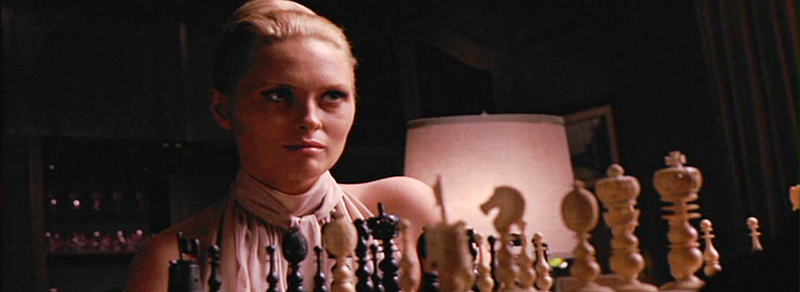
Still image of Faye Dunaway in “The Thomas Crown Affair”.
  • According to director Norman Jewison, the initial bank robbery was filmed at the downtown branch of the National Shawmut Bank, and that although the guards and bank officials knew what was going on, the customers did not because the filmmakers were using a concealed camera. Although they apparently thought that a real robbery was occurring, none of the customers or pedestrians interfered in any way.
  • Steve McQueen undertook his own stunts, which include playing polo and driving a dune buggy at high speed along the Massachusetts coastline.
  • Like the iconic Swiss Tag Heuer watch Steve McQueen immortalized in “Le Mans” (1971), the “Persol” sunglasses he sported in this movie generated such a trendsetting image, the Italian manufacturers re-issued the foldaway, retro-cool tortoiseshell “714” model as a part of the “Steve McQueen Collection” (October 2010).
  • In the film, the Ferrari driven by Faye Dunaway and being referred to as “one of those red Italian things” is actually the first of only ten Ferrari 275 GTB/4 NART Snyders. This one is serial number 09437. This particular car came second in its class in the 1968 12 hour of Sebring before being repainted and used for the movie. Steve McQueen liked the car so much, he wanted one for himself. He eventually ended up with serial number 10453. That car is today with collector Anthony Wang in NY, USA.
  • Norman Jewison’s use of multiple images was inspired by the Expo 67 films: “In the Labyrinth” (1967) and “A Place to Stand” (1967), the latter of which pioneered the use of Christopher Chapman’s “multi-dynamic image technique”, images shifting on moving panes. Steve McQueen was on hand for an advance screening of “A Place to Stand” in Hollywood and personally told Chapman he was highly impressed; the following year, Jewison had incorporated the technique into the film, inserting the scenes into the already finished product.
  • Of all of the films that Steve McQueen made in his career, this is reported to have been his favorite. Just as Faye Dunaway cited this as one of her favourite movie-making experiences.
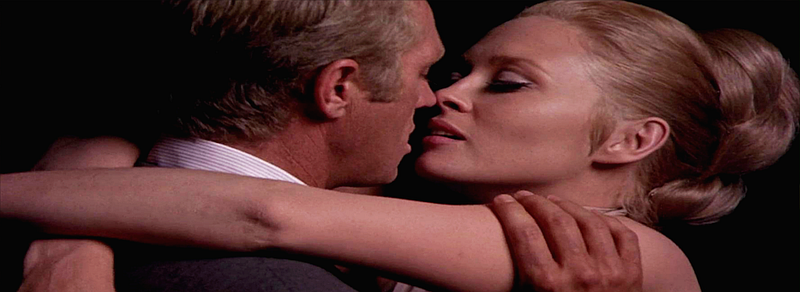
Still image of Steven McQueen and Faye Dunaway in “The Thomas Crown Affair”.

To conclude, Norman Jewison’s “The Thomas Crown Affair” focus lies on the teasing charm of the cat-and-mouse game that combines the technical pizzazz of the 1960s with a tonality of those ‘30s and ‘40s capers but one senses the era in which it was made, as other films of that particular period made the misconception of placing technique over characterization. Norman Jewison strips away the thin patina of social significance in favor of pure vogue formality, utilizing sound overlaps and incorporating the masquage techniques that makes it a fashionably scenic and a rollicking kleptomaniac chess game. The film is shrouded in the morals of gender politics as its intrinsic workings alluringly and seductively gyrate across the conceptualization of physical fondness and emotional proclivity that’s anchored by the appealingly arresting duo of Steve McQueen and Faye Dunaway in this charmingly artistic escapade of a stylishly cool, enticingly plush, strikingly suave and a slickly chess maneuvering cult thieving thriller.

NOTE: The article contains sources from IMDb and Wikipedia.

Follow me and check out other articles of mine:

Movies
History
Trivia
Photos
Movie Trailer
Recommended from ReadMedium