
Your friendship is abusive
It’s not just our romantic relationships that can turn bad. Our friendships can also become a threat to our happiness.
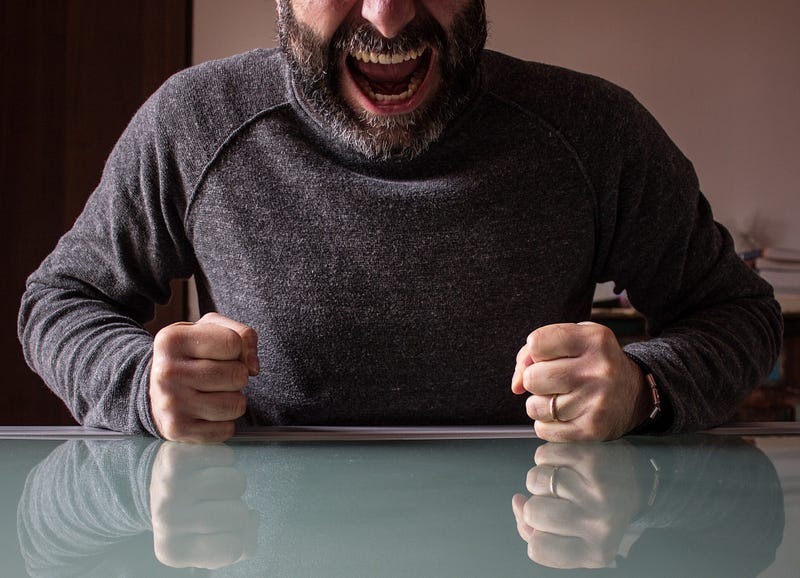
by: E.B. Johnson
We have a funny way of thinking that only our romantic relationships can go bad, but nothing could be further from the truth. Any bond we form can go badly. Any connection that we share with someone else can become toxic. Does one of your friendships cause you anxiety and fear? Do you feel like you’re being walked over or disrespected? It may be time to admit that the friend you value has become a threat. It may be time to admit that your friendship is abusive.
Signs your friendship is becoming abusive.
Has your once-idyllic friendships turned into a nightmare? Are you constantly fighting your friend, avoiding them, or otherwise dealing with chaos and fear? Our friends should be a source of support — not a source of misery. Has your friendship become abusive? These are some of the signs you should be aware of.
Based on control
Is your friendship based around twisted dynamics like anxiety and control, versus mutual respect, love, and support? When you’ve bonded over warped power dynamics, you end up with a toxic mess of a friendship that keeps you feeling low and stuck to someone who makes your life miserable. Does your friend boss you around? Call you names, or otherwise push you around against your will? This is abusive behavior that can undermine our sense of self.
Zero standing trust
Friendships require a lot of trust in order to thrive. You should trust that your friend is there for you when you need them. They should trust that you have their best interests at heart. When that trust disappears, we can find ourselves with off-balance and twisted relationships that erode our self-worth and our joy (Daniels, Quigley, Menard & Spence, 2010). Do you trust that your friend is coming from a good place? Or does their behavior always feel like it comes with an ulterior motive?
Non-reciprocal need
Is your friend only around when they need something? What happens when you ask for the same? Abusive and toxic people are often those who aim to take advantage of you in any way they can. They take, take, take from you, but they don’t return that same energy when you need them. These friends make you responsible for their needs, but refuse to offer you help and presence when you need it.
Endless criticism
Would you describe your friendship as one that builds you up? Or would you describe it as the exact opposite? When your friends tear you down rather than build you up, it’s a sign that the bond you share with them isn’t as earnest as you think. We don’t criticize and rip apart the people that we really love. Maybe you aren’t sure if they want the best for you. Perhaps you are always made to feel like you’re getting it wrong. Either way, the criticism is a wedge and a wall that makes genuine connection impossible.
Refusal to listen
Friendships — like any relationship — are a two-way street. We come to the table (as equals) and we work together to share time and experiences that make our lives more enjoyable. There has to be room for both people in this friendship to express themselves and be who they are. Is that what your friendship is like? Or are the terms of your friendship non-negotiable? Are they controlled by the other person? What about room? Do they make space for you to express your concerns, needs, or desires for change? You may be dealing with an off-balance or abusive friendship.
Providing zero safety
The world is a brutal place, and chaotic too. Our friends should be a refuge within it, not another element we have to defeat.. That means making us feel safe and wanted, just as we are. If you don’t feel safe with your friend — whether that means physical safety or emotional safety — then you’re not in a balanced, respectful relationship with them. Maybe you don’t feel as though your secrets are safe with them. Or you don’t think your body is safe with them. When you lose that sense of safety, it’s a warning sign.
Bottom-dollar respect
Respect isn’t limited to our romantic relationships or the family ones either. As a matter of fact, respect is a foundation stone on which all relationships are built. Does your friend fail to respect you? Do they blow right past your boundaries? What happens when you tell them how you feel? Do they dismiss it? Make fun of you? Gaslighting is a classic sign of an abusive relationship and a tool the toxic friend knows how to use well.
Scared to leave
Are you still hanging around your friend because you’re just too scared to leave? You’re scared to stop being their friend. It’s understandable. This is perhaps one of the biggest signs that your friendship has turned into something toxic. When our friendships don’t feel right anymore, we should have the ability (and support) to walk away. Do you fear rumors, retribution, or worse if you go your separate ways? Take that red flag as a sign to take action.
What you need to do next.
It’s not your job to suffer an abusive friend. Your job is to protect your safety and wellbeing, and that includes ridding yourself of the toxic people in your life (wherever they lie). Rather than suffering the criticism, disrespect, and threats, you have to make a stand for yourself and free your life from the shadow of abuse once and for all.
1. Check in with yourself
Self-awareness is key when dealing with any abuser. You need to be aware of your emotions, your physical safety, and your reactions to the other person’s behavior. Outside of this, however, we also need to be aware of what we want and what’s really going on. Then we can make crucial comparisons and start being honest about where we’re going and what we do (or don’t) really want from our friendships.
Sit down and check in with yourself. Be deadly honest. What are you getting from this relationship? Is it offering more bad than good? Take a full inventory of everything your friend offers you and everything they don’t — include the good that they bring into your life, and the destructive.
Before you can decide how you want to proceed, you need to be sure of where you’re at. Taking stock allows us to process our feelings and compare our current friendships against the ideal friendships we crave. Before you launch into action, or step up to pick a fight, stop and simply think about where you’re at. Is this a relationship you want to spend the next 20 years fostering? Friendships are optional. You don’t have to stay attached.
2. Shift your perspective
Our friendships have a great deal to do with perspective and how we choose to see both ourselves and those we bring into our lives. For some of us, friendship is a key component to happiness. We prioritize these relationships above all others, and sometimes even put ourselves in the backseat to their desires. This is unhealthy, however, and distracting. We have to unlearn the toxic ways in which we prioritize our friendships above our own happiness.
Lean into your self-esteem and prioritize your friendship appropriately. Are you still giving this person a lot of your time? Are you still chasing after their needs and desires over your own? Why? Why are you prioritizing this person over yourself, or those who genuinely love you?
You’ve got to shift your perspective where this person is concerned. No friendship is supposed to come with terms that make you limit who you are, how you think, or what you want. Our friendships should build us up and encourage us to be everything that we want to be. Start seeing your friendships as a proud reflection of who you are and the life you want to lead. See your friends as a reflection of the future you’re manifesting and raise the bar on what you expect from them.
3. Reach out for real support
Dealing with abuse in any format is one of the most difficult things we can do. Whether you’re dealing with an abusive partner or an abusive friend, the damage is still the same. Ridding yourself of this abuse is going to be an uphill climb and getting there is going to take some support. It needs to be the right support, though, based around the right intentions.
Reach out to your real friends and enlist some support. These are people who love you and believe you. They should be people who see the best in you, and who want the best for you.
Only open up to people you know have your back. If possible, avoid those who have a shared connection between you and your abuser. The more distance you have, the better. But don’t discount the help of a mental health or relationships expert either. Get the perspective of others and get advice too. Lean on them to help you as you empower yourself to get free. Having true friends at your back will empower you to move forward and seek the best for yourself.
4. Draw the line with loved ones
It’s important that you have support on this journey, but that support happens through more than emotional presence. Your loved ones also need to support you by helping to hold hard-and-fast boundaries between you and the abusive friend. To do this, though, they’re going to need your help. They need to know what’s going on and they need to know precisely how they can help you move past this toxic relationships.
Just as you’re preparing yourself to separate from this friend, make sure your loved ones are equally prepared. You may have shared social circles, or even shared relationships with family members. All of these people need to be made aware of the abuse, and need to be made aware that you won’t accept this person in your life anymore.
Don’t use your experience as a weapon to drive a wedge. Make it clear that you want nothing to do with their relationship with your abuser. Make it clear too, though, that you have a right to control your personal environment, and that you won’t allow your safety to be put at risk. People can think whatever they want to think. You’re not responsible for that. You’re responsible for yourself and ensuring that you are able to build a life you love.
5. Leave quietly
Like it or not, the only fail-proof way to rid yourself of an abusive friend is to remove that abusive friend from your life. There’s no way to change them, and there’s no way to force them to “see the light”. We change only when we want to; when we’ve come to the shores of our own humanity and empathy. Rather than fighting a losing battle, free yourself by exiting quietly and with grace.
There is no point in confronting your abuser. You don’t owe them closure, and you’re unlikely to get a response out of them that is going to be in any way comforting. Declaring your intentions to walk away won’t change them. Not in any real way.
Leave quietly. Make your decision to cut your abusive friend out of your life and then make a plan to act on it. Working with the support of your loved ones (and a relationships expert) — create a plan that allows you to exit with grace. Seek your own closure and know that you will never change them. We are only capable of changing ourselves. Take that to heart and take action to protect your safety and your wellbeing.
Putting it all together…
Although we tend to think of abusive relationships as being restricted to our romantic relationships, our friendships can also become just as toxic. Does your friend take advantage of you? Do they bully you, terrorize you, or otherwise wreak chaos on your wellbeing and your sense of safety? It’s time for you to admit that your friend is abusive, and it’s time for you to do something about it. You deserve to be happy, but you won’t be until you get away from your abuser.
Check in with yourself. Is this friendship really worth all the pain it’s causing? Is it worth the fear and the threats? Take a look at the relationship for what it’s really worth and what it really provides. Then — shift your perspective. No one has a right to disrespect you, and friendships should not come with pain and discomfort. Reach out for real support and people who truly value you. Stop wasting your time on someone who uses and abuses you. Lean into your self-esteem and empower yourself to move forward without them. Draw the line with your loved ones and let them know that you’re preparing to remove this person from your life. Then, when you’re ready, leave quietly. We don’t owe abusers resolution or answers. We owe ourselves happiness.
- Daniels, T., Quigley, D., Menard, L., & Spence, L. (2010). “My Best Friend Always Did and Still Does Betray Me Constantly”: Examining Relational and Physical Victimization Within a Dyadic Friendship Context. Canadian Journal Of School Psychology, 25(1), 70–83. doi: 10.1177/0829573509357531