
Your Doctor Tells You: “You Are Prediabetic!” Now What?
That’s one way to start the year.

Last weekend, while the New Year phone calls were making their rounds, I had a long phone call with an aunt. We discussed health for at least an hour.
Specifically, we discussed how a medical diagnosis suddenly affects lifestyle choices: food choices, drink choices, and whether to do exercises.
When I got off the phone, I had a lot to think about. She was one of our favorite aunts while growing up. Her fashion sense was next to none. Now, in her late sixties, her priorities had changed. Should my priorities change in my 40s?
Soon after, I pulled out my medical file. In June 2022, while doing my annual physical, the doctor said my blood tests were normal except for my HbA1C, aka glycosylated hemoglobin. The value was 5.8%. A normal value is less than 5.5%. A value of 5.5% to 5.8% is at risk of diabetes.
The Experts
Mayo Clinic explains, “A1C test …reflects your average blood sugar level for the past two to three months. Specifically, the A1C test measures what percentage of hemoglobin proteins in your blood get coated with sugar (glycated).”
The higher the A1C level, the poorer the blood sugar control and the higher the risk of diabetes complications.
Some factors may interfere with the accuracy of A1C test results. These include:
Pregnancy Recent or heavy blood loss Recent blood transfusion Conditions that result in insufficient red blood cells (anemias) Hemoglobin variants
My reality
When he told me my results, I was concerned, but not overly. I was marginally anemic, so this could have affected the test. At that stage in my life, I believed I was still on top of things diet-wise. I also did more than my quota of 30 minutes of exercise each day.
Fast forward to 2023, I repeated the test. The anemia had corrected itself. This time, HbA1c had climbed to 6%. At that value, you are prediabetic. Now, I was more than concerned. What was I possibly doing wrong? My mind was in a frenzy.
Was it my pizza parties? Or those ice cream moments hubby and I had? Or was age and race doing their number on me? Other than those, I prided myself on eating right. Well, it appeared I needed to do more.
What could I do?
The experts say eating healthy foods, making physical activity part of your daily routine, and staying at a healthy weight can help bring your HBA1C back to normal. These are the same measures diabetic patients employ to control blood sugars.
I could reverse the process if I altered my lifestyle significantly. Now, I was already doing my brisk walks. I needed to continue. As for food, I had to make some alterations; perhaps cut down on frequency and quantity. Yes, I was already on the right path, but needed a few more adjustments. I also knew I needed to target foods with low to medium glycemic indexes.
According to Harvard Health, the glycemic index is a value assigned to foods based on how quickly and how high those foods cause increases in blood glucose levels.
Foods low on the glycemic index (GI) scale release glucose slowly and steadily. Foods high on the glycemic index release glucose rapidly. Low-GI foods foster weight loss, while foods high on the GI scale help with energy recovery after exercise, or to offset hypo- (insufficient) glycemia [blood sugar].
The experts classify foods that have a GI value of ≤ 55 as low GI foods and those with a GI value of ≥ 70 as high GI foods. Foods with a GI value from 56 to 69 as Medium GI foods.
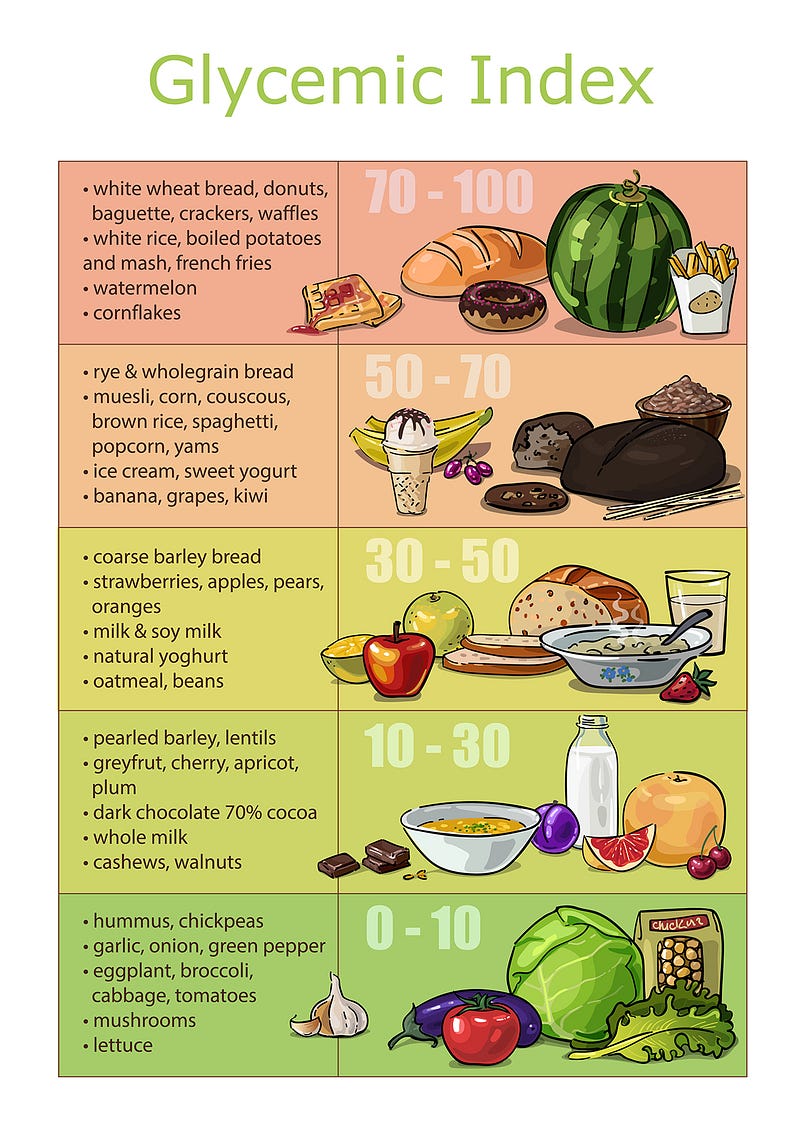
Proteins and fats do not affect glycemic indexes. Besides, I was a fan of the former already. The only thing is for a long time, I seriously considered organics in favor of inorganic. I also considered making a shift from red meat to white meat and seafood.
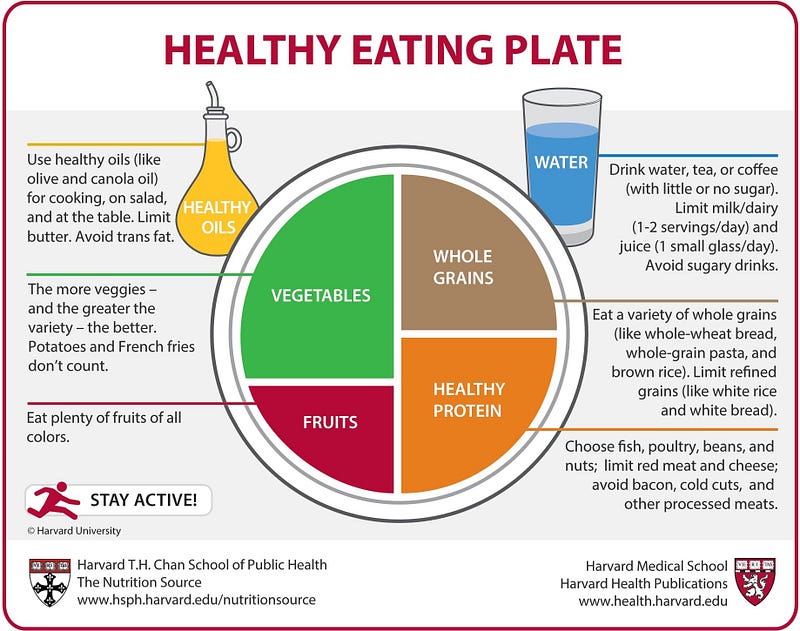
These were my resolutions for 2024, all thanks to that phone call with my aunt. At my grocery shopping in the last 3 weeks, my carts had more fish than usual and lots of beans. Veggies are already our thing.
2024 is still very early and my journey is just starting. Soon enough, we’ll all get an update on that journey and how it’s going. This battle for good health doesn’t stop, does it?


