
You Can Customize Your Own Meditation Style and Routine
The Fourth of Seven Lessons from 1,000 Meditations
This is the fourth of seven articles about the lessons learned from one thousand meditations. If you missed the last post, check it out here:
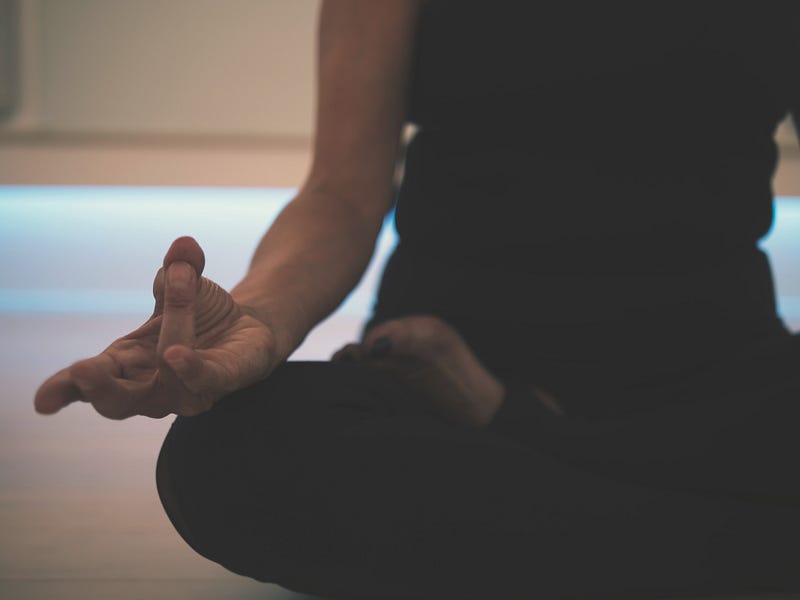
Last year, I set a goal to meditate every day to cope with my lifelong companion: Anxiety. I recorded my sessions and managed to reach 1,000 meditations by the end of the year, blowing my primary target out of the water. Realizing that I can customize my own meditation style and routine is the fourth of the seven lessons I learned during my meditation journey.
Choosing a mediation style and sticking to a routine are frequent hinderances encountered when just starting out. You want to like and enjoy the practice you are engaging in everyday. Otherwise it will fall out of your routine. There is no need to struggle through a habit you don’t love for the sake of completing it.
“The expectations you bring to meditation practice are often the greatest obstacles you will encounter.” — Yongey Mingyur Rinpoche
One struggle I have realized and grown with during the last year is setting expectations. I commonly set up regulations for myself when conducting my daily routine or engaging in creative work. Although structure is very helpful, I learned that these fabricated rules end up limiting potential and impede growth. One of these laws I made up was that I must stick to certain legitimate meditation routines; this prevented me from developing my own practice that I enjoy.
The salient truth is that you can build your own regimen. One’s practice does not need to be linear or organized in any manner for it to be valid. If it works for you, it will have you meditating more, and ultimately be a benefit. Once I understood how I was limiting myself, I shaped my program and it grew with me.
The first meditation method I developed is a combination of a few modalities: Box-breathing, Body Scanning, Focused meditation, and Mindfulness. During this practice, I inhale, hold, exhale, and pause for four seconds each(this is one rep). I complete about one to four reps while focusing on one of my five senses(this is one round). The number of reps determines the length of the meditation. If I do ten reps, my four round meditation will last approximately ten minutes(4 breaths x 4 seconds = 16 seconds of breathing; [16 seconds x 10 reps]x 4 rounds = 640 seconds or about 10 minutes). You can adjust the number of reps and rounds to increase the length of the practice.
Each round, I focus on my breath, body, thoughts, or the sounds I hear around me. The first round is all about warming up my lungs and feeling the sensation of my breath. Entering my nostrils, streaming down my throat into the lungs, and then exiting through my mouth. During the second round, I start my body scan and sink into any positive or negative sensations I feel in my body. I might visualize bright light or salty waves flowing from my head to my toes.
In the third round, I listen to the sounds I can hear near and far. Hustling commuters, distant construction, and song birds brighten my morning; steady rainfall, chirping crickets, and spring peepers enrich my evening. The fourth and final round of this practice embraces my thoughts. I let them flow naturally, returning to my breath if needed. There are no good or bad thoughts — only present thoughts.
After my 10 minutes of breathing is completed, I welcome all four forms of sensation to unfold and blend into one another. I tend to sit here for as long as I want in a meditative state — reconnecting with my senses every time I get distracted. If I need to return to the breathing exercises, I complete another round.
I like this routine because it is simple, versatile, and yields an exceptional experience. Throughout the year, I tried new modes of meditation and made adjustments to my regimen when needed. I often use mantras, movement, and visualizations in my sessions. My sessions ranged from about three to 90 minutes, depending on my schedule.
Learning to be accepting of the process and growing in accordance with change is the main lesson here. Everyone expects meditation to be so simple, but it can often prove to be a challenge. Letting go of any expectations imposed on the practice or yourself will improve your experience and enrich your life.
Not a member yet? Support my writing on Medium by joining through the link below: