avatarAlec Zarenkiewicz

Free AI web copilot to create summaries, insights and extended knowledge, download it at here

2564

Abstract

ractice of meditating. Meditation is when one is engaged in mental exercise (such as concentration on one’s breathing or repetition of a mantra) for the purpose of garnering spiritual awareness and reducing stress.</p><p id="3814">Breathwork is conscious, controlled breathing done especially for relaxation, meditation, or therapeutic purposes. It is a tool used in meditation to help quickly achieve a meditative state. Breathwork acts as a catalyst for attaining a mindful state and can be used to enhance meditation.</p><p id="976d">Taking slow deep breaths activates the parasympathetic nervous system which is a network of nerves that relaxes your body after periods of stress or danger. A <a href="https://www.ncbi.nlm.nih.gov/pmc/articles/PMC6137615/">study</a> conducted in 2018, showed that slow deep breaths can increase comfort, relaxation, pleasantness, vigor and alertness, while reducing anxiety, depression, anger, and confusion. Furthermore, it stimulates the central nervous system in various ways that only those with a background in neurobiology can articulate.</p><p id="a75a">Let’s do some breathing now! Inhale slowly into your diaphragm, then exhale as slow as possible releasing all of the air in your lungs. Try this at least two more times. You can even go up to five or ten breaths if you feel comfortable. How do you feel?</p><p id="0554">Oxygen is a powerful drug. There’s nothing like a dose of fresh O₂. Like meditation, there are many forms of breathwork. Firstly, there are several common breathwork exercises such as: Diaphragmatic Breathing (also known as belly-breathing), Pursed Lip Breathing, Box Breathing, 4–7–8 Breathing, and Alternate Nostril Breathing.</p><p id="c9b7">All of these exercises are included in many styles of breathwork and have been inspired by scientific research or ancient techniques like Pranayama. Vivation, Transformational Breath, Tummo Breathing, as well as Shamanic, Holotropic, Clarity, and Rebirthing Breathwork are all common methods of breathwork. If you are new to breathwork, I recommend starting with practicing the exercises mentioned above before delving into any particular modality.</p><p id="f771">I have practiced the Wim Hof method(which is similar to Tummo Breathing), Box-breathing, Dr. Weil’s 4–7–8 method, Holotropic Breathwork, and many forms of Pranayama. I personally find Box-breathing and 4–7–8 breathing to be very practical because it can be done almost anywhere at anytime. Like meditation, breathwork is not for everyone. It is important to consult a health care profess

Options

ional before trying any of these practices to make sure they are right for you.</p><p id="b38e">Consciously controlling your breath can be harder than it sounds. Breathing is performed by our bodies autonomously like blinking or swallowing. I think everyone has experienced the moment in which they begin consciously controlling any of these three actions and find themselves unable to switch back to auto-pilot. I think this sheds light on the fact that we should practice them.</p><p id="1689">Blinking and swallowing aside, no one has ever taught you how to breathe, have they? You were just expected to figure it out — it’s common sense! Well, I beg to differ. There are enough mouth breathers out there to prove it.</p><p id="910c">I personally found the more I practiced breathwork, the easier it became to let my breath occur naturally during meditation. I started taking deep breaths more often when encountered with stressful and emotional situations. If you are interested in meditation or you already meditate, this is a call to action to develop stability and understanding in your meditative practice by becoming completely aware of your breath!</p><div id="ded1" class="link-block"> <a href="https://readmedium.com/you-can-customize-your-own-meditation-style-and-routine-760fd3befc00"> <div> <div> <h2>You Can Customize Your Own Meditation Style and Routine</h2> <div><h3>The Fourth of Seven Lessons from 1,000 Meditations</h3></div> <div><p>medium.com</p></div> </div> <div> <div style="background-image: url(https://miro.readmedium.com/v2/resize:fit:320/1*XmQDQkGMjKEo6AcRtfp54A.jpeg)"></div> </div> </div> </a> </div><p id="2997">Not a member yet? Support my writing on Medium by joining through the link below:</p><div id="81a6" class="link-block"> <a href="https://medium.com/@awzarenk22/membership"> <div> <div> <h2>Join Medium with my referral link - Alec Zarenkiewicz</h2> <div><h3>Read every story from Alec Zarenkiewicz (and thousands of other writers on Medium). Your membership fee directly…</h3></div> <div><p>medium.com</p></div> </div> <div> <div style="background-image: url(https://miro.readmedium.com/v2/resize:fit:320/0*sf0rwcK1HpdAbvsE)"></div> </div> </div> </a> </div></article></body>

Breathwork ≠ Meditation, But it Helps

The Third of Seven Lessons from 1,000 Meditations

This is the third of seven articles about the lessons learned from one thousand meditations. If you missed the last post, check it out here:
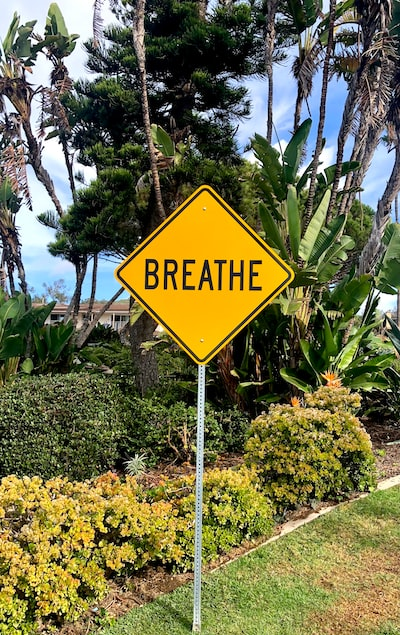
Photo by Bob Osias on Unsplash

Last year, I set a goal to meditate every day to cope with my lifelong companion: Anxiety. I recorded my sessions and managed to reach 1,000 meditations by the end of the year, blowing my primary target out of the water. Understanding the difference between breathwork and meditation is the third of the seven lessons I learned during my meditation journey.

The breath is a crucial part of any meditation practice. Oddly enough, consciously allowing your lungs to function naturally can be challenging. Breathwork is a complimentary practice to meditation and a useful tool to connect with your breath.

“Without full awareness of breathing, there can be no development of meditative stability and understanding.” — Thich Nhat Hanh

Breathwork is frequently mistaken as a type of meditation. Meditation is the active practice of meditating. Meditation is when one is engaged in mental exercise (such as concentration on one’s breathing or repetition of a mantra) for the purpose of garnering spiritual awareness and reducing stress.

Breathwork is conscious, controlled breathing done especially for relaxation, meditation, or therapeutic purposes. It is a tool used in meditation to help quickly achieve a meditative state. Breathwork acts as a catalyst for attaining a mindful state and can be used to enhance meditation.

Taking slow deep breaths activates the parasympathetic nervous system which is a network of nerves that relaxes your body after periods of stress or danger. A study conducted in 2018, showed that slow deep breaths can increase comfort, relaxation, pleasantness, vigor and alertness, while reducing anxiety, depression, anger, and confusion. Furthermore, it stimulates the central nervous system in various ways that only those with a background in neurobiology can articulate.

Let’s do some breathing now! Inhale slowly into your diaphragm, then exhale as slow as possible releasing all of the air in your lungs. Try this at least two more times. You can even go up to five or ten breaths if you feel comfortable. How do you feel?

Oxygen is a powerful drug. There’s nothing like a dose of fresh O₂. Like meditation, there are many forms of breathwork. Firstly, there are several common breathwork exercises such as: Diaphragmatic Breathing (also known as belly-breathing), Pursed Lip Breathing, Box Breathing, 4–7–8 Breathing, and Alternate Nostril Breathing.

All of these exercises are included in many styles of breathwork and have been inspired by scientific research or ancient techniques like Pranayama. Vivation, Transformational Breath, Tummo Breathing, as well as Shamanic, Holotropic, Clarity, and Rebirthing Breathwork are all common methods of breathwork. If you are new to breathwork, I recommend starting with practicing the exercises mentioned above before delving into any particular modality.

I have practiced the Wim Hof method(which is similar to Tummo Breathing), Box-breathing, Dr. Weil’s 4–7–8 method, Holotropic Breathwork, and many forms of Pranayama. I personally find Box-breathing and 4–7–8 breathing to be very practical because it can be done almost anywhere at anytime. Like meditation, breathwork is not for everyone. It is important to consult a health care professional before trying any of these practices to make sure they are right for you.

Consciously controlling your breath can be harder than it sounds. Breathing is performed by our bodies autonomously like blinking or swallowing. I think everyone has experienced the moment in which they begin consciously controlling any of these three actions and find themselves unable to switch back to auto-pilot. I think this sheds light on the fact that we should practice them.

Blinking and swallowing aside, no one has ever taught you how to breathe, have they? You were just expected to figure it out — it’s common sense! Well, I beg to differ. There are enough mouth breathers out there to prove it.

I personally found the more I practiced breathwork, the easier it became to let my breath occur naturally during meditation. I started taking deep breaths more often when encountered with stressful and emotional situations. If you are interested in meditation or you already meditate, this is a call to action to develop stability and understanding in your meditative practice by becoming completely aware of your breath!

Not a member yet? Support my writing on Medium by joining through the link below:

Breathwork
Meditation
Mindfulness
Self Development
Self Improvement
Recommended from ReadMedium