
Writers: Learn to Be Editors if You Want Consistent Work in the Future
AI can now write blogs, but it doesn’t know if they’re good or garbage
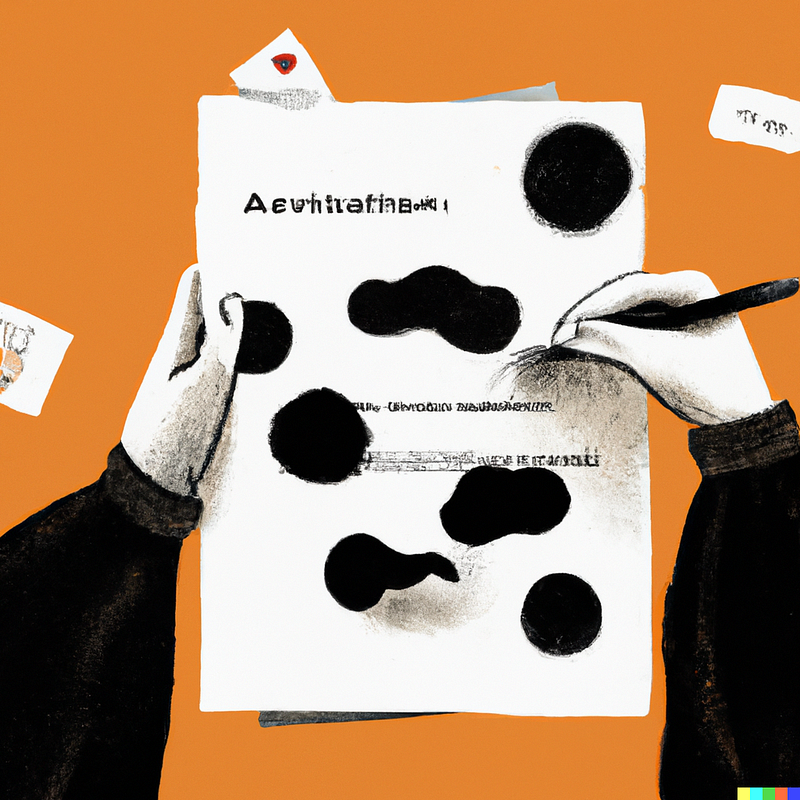
The year is 2027. Artificial intelligence content creation is now a mainstream thing. Not only can you generate relevant images for your articles in a matter of seconds, you can also create machine-written copy just by inputting a few key points.
AI cannot completely replicate human writers — yet. There are many instances where direct experience or interviews with humans are necessary. So far, computers can only guess based on the information they are provided. However, for routine company blogs that don’t go very deep, AI copy might be the norm.
So what will become of us writers? Well, we may be competing with AI as well as other writers. Luckily, so far any AI writing tools I’ve tried are quite off the mark, and need extensive editing. And that’s where humans will still excel.
Artificial writing needs genuine reviewing
Say Company X generates a 500-word blog about their company culture. Many companies will trust that the software has done its job, and publish it without much review. However, even with advanced algorithms and machine learning, there’s still a lot of room for error. For example, the AI writing platforms I’ve used sometimes insert fabricated quotes, or go way off-topic.
It will take a human with an understanding of the subject matter to review the generated copy line by line, and correct grammar and flow. Humans will also improve sentences that just don’t work, or remove potentially harmful language. Remember, AI has no emotions, and does not know what it is saying. Your AI blog might unknowingly offend marginalized groups, or make sweeping statements.
It will be a human’s job to fine-tune copy generated by machines, to ensure consistent brand voice and factual accuracy. The AI might include statistics, but where is it pulling them from? It will take some critical thinking to determine whether the information is reliable.
Some realms of writing may never be filled by AI
News writing is a different beast. For the most part, humans will need to continue writing news articles, because it involves direct interviews or “being there” to get the story. However, even if AI does start filling gaps in printed pages (assuming print newspapers are still a thing), someone will need to decide which stories get posted, and when. Then there are the opinion pieces — and as far as I know, machines haven’t formed an opinion on world issues yet.
Companies in the future will no doubt be looking for content editors to ensure they aren’t publishing drivel generated by a computer, that may put off their target audience. They will want smart, detail-oriented editors that can spot inconsistencies in copy, as well as knowing how to improve it, properly format it, and add the most impactful images.
Find any opportunity to be an editor
This is not to say that writers will become obsolete. Many companies will still trust human writers to craft unique blogs, articles, and website copy. They will also be needed to write original news stories. And don’t forget the entire fiction genre — machines can “dream” based on parameters, but they won’t know if the story is compelling. The AI-generated fiction book I bought from Amazon recently is a complete pile of garbage. I didn’t make it past the first page.
Anyhow, if you’re a writer worrying about losing writing work, now is a good time to add some editing experience to your resume (it can even be as an editor for a Medium publication, even if that means starting your own and inviting submissions.)
Did you know I write about a number of topics, from mental health, to art, to technology, to pop culture, to human behaviour? Check out my lists to find an article you’ll enjoy!