
Within the Widowed Mind — A Reflection on How Writing Creativity May Change As a Result of the Pandemic
When external experiences and engagement become restricted, will the source of writing imagination and creativity develop into something new and never seen before?
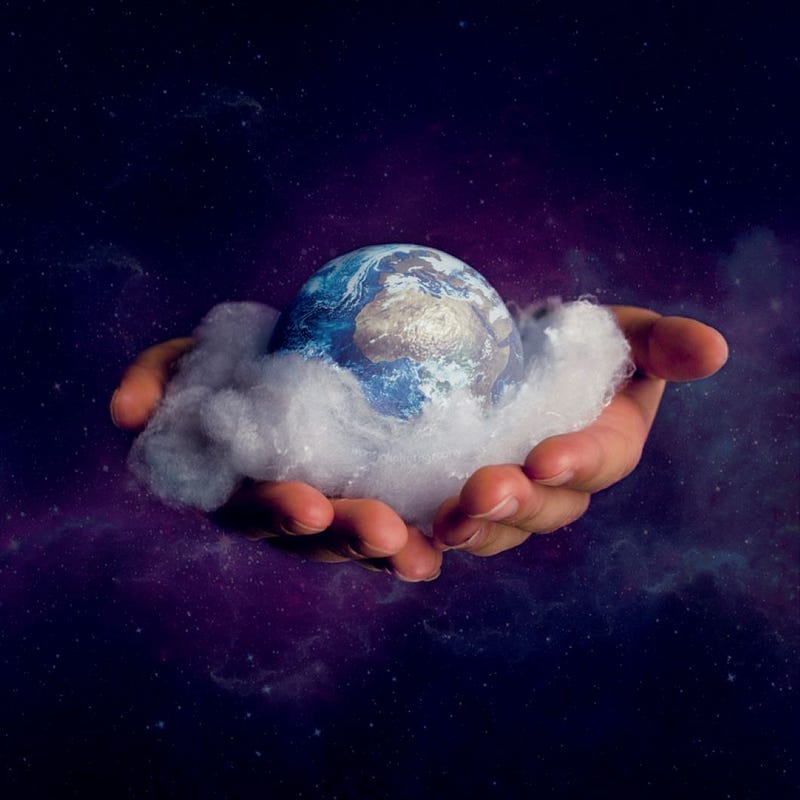
This reflection began as a flash fiction piece. Until about four months ago, I wrote quite a bit of flash fiction. I’ve taken a couple of classes teaching this short form and really enjoyed them.
Since that time I have normally regularly written flash fiction of different lengths and even had a book almost completed. It included numerous flash fiction stories that I’d written along with information about how to write such stories, and prompts throughout for creating flash fiction of different lengths. Although all I had left to do was was make a final selection of which material I would include and reformat it for Kindle, somehow this seemed too daunting and I abandoned the project.
I’m not sure what has taken me away from flash fiction, whether it’s the fact that Medium’s shift to focus on reading time doesn’t reward this type of story in terms of earnings or whether I subconsciously feel like it won’t get me anywhere, that it’s a waste of time. Either way, I just haven’t felt the same enthusiasm or desire to write in this format recently.
Somewhere along the way as I was writing this piece, it turned into something more than flash fiction. It became a reflection on how social isolation may affect creativity in writers and the process we are going through as we possibly develop into a new type of creative.
This is the first time I’ve considered the potential impact of the pandemic and associated quarantine on writers from this point of view. Since my ideas are still not fully formed yet, it came out as poetic prose as I attempt to explore the thoughts expressed in the piece.
The main thing, I find myself wondering is if potential new approaches to writing or ways of thinking about our world resulting from the pandemic may enable us to express novel ideas, plots, and poetic verse in ways not seen before. As I suggest in the piece, might we find that once we can create solely within ourselves without the need for external stimuli, that there is in fact, something new under the sun that we can create? Or might there be something novel when we are able to mix our new source of inspiration and original ways of creatively expressing ideas with our external world when this is all over?
I welcome your own reflections and ideas related to the question of how the social isolation we are experiencing may be developing us into new kinds of writers who are able to create completely within ourselves without the need for external stimuli. I don’t know if this is true only that I think the more we need to turn to internal sources of inspiration and ideas due to the inability to interact with the world, the more likely we are to develop new types of creativity. Please feel free to share your own thoughts about this idea in the comments.
Within the Widowed Mind
In those days we struggled to keep ourselves alive in our apocryphal existence. We read, watched movies, played music all the while imagining lives beyond our four walls until these imaginings gained some reality of their own. Not psychosis, no, far from it. Just what happens to the mind of those who create when all that sparked their creation is hidden from view.
It was within this new reality that we came to realize the true birth of imagination, which before was eclipsed by the mundane details and peaks of transient excitement that served to dampen it with white noise. If we could see ourselves past the anxiety, the fear, the depression that isolation had given rise to, we could experience what it was like to create something solely from within.
This would be the ultimate ex nilo, something from nothing, for the adage saying that there was nothing new under the sun was penned by someone who had lived their entirety outside of quarantine.
We would create a new motto for a new construction of reality where the mind must form new configurations without the help of a widespread world to draw from. It had only the same walls day after day and what they held. The ability of what was within our immediate sight to kindle new ideas was exhausted by day two. It was our minds that changed until the walls melted into imagination’s desire.
Once all was said and done, we would not bemoan the unreliable contributions of a muse. We would learn to be our own muse, muse and writer both within one, both expressing themselves simultaneously whenever we stepped upon our writing path. We would no longer speak of inspiration and motivation, for within us we would hold the key to conquering their absence.
In those days we struggled to survive, fearing we were but imposters as our writing devolved haltingly until we became terrified that this would be as enduring as stone. But those who survived, ah, the survivors, those who succeeded emerged as if newly born, a new breed of writers arising from a new manifestation of the creative.
This phenomenon of expression was not just previously unknown, it was nonexistent. And since it was nonexistent, if could never even have been hinted at. For contemplation can only involve what the mind is capable of knowing and expression is a fixation of the day.
Natalie Frank has had her poetry featured in several anthologies including Untimely Frost. Her fiction has been published in Haunted Waters Press, Weirdbook Magazine, Siren’s Call Publications, Lycan Valley Press and Zero Fiction among others. Her collection of poetry, Disguised I Breathe, In Love I Hold, can be found on Amazon under her pen name, Taye Carrol.

If you enjoyed reading this piece, you might also like these:
You can find links to my other work on Medium and follow me here. Thanks for reading and for supporting Mental Gecko!