
Why We Fear Making Mistakes
And how to overcome that fear
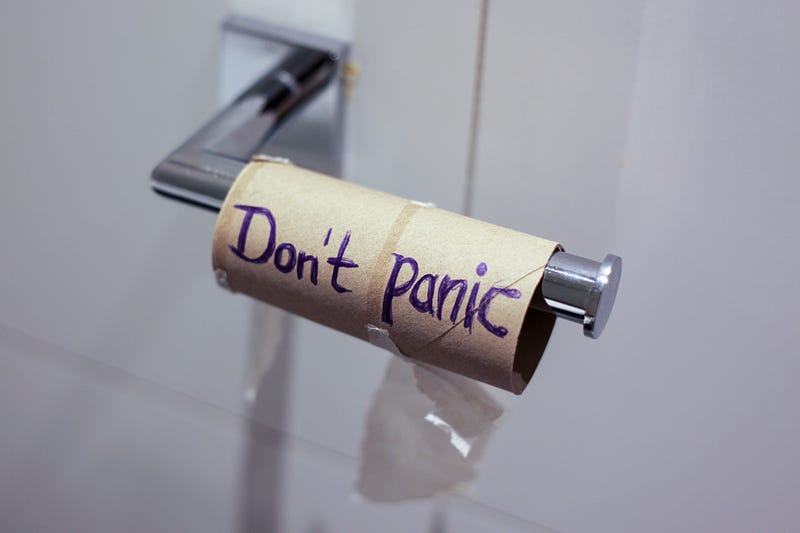
The word mistake carries an enormous emotional load. It’s laced with shame about the error we have made and fear of the consequences. The displeasure or disappointment of family or work colleagues. The nagging feeling that other people don’t make mistakes, even though we know they do, and the possibility that we might not be good enough.
“We are trained throughout our lives to be scared of making mistakes. We could miss out on significant opportunities, stunt our creativity, and all sort of other benefits if we let fear rule our lives.”
Fear of making a mistake can stop us from applying for a job, asking someone out on a date, or writing that novel.
In ‘Understanding Atelophobia, The Fear of Imperfection’, Dr. Gail Saltz says that atelophobia, often referred to as perfectionism, is a true irrational fear of making any mistake.
So, where do our fears come from, and what can we do about it?
Childhood
While growing up, our world was ruled by giant omnipotent, all-knowing beings — our parents and their word was law. We are programmed to please our parents because we cannot survive independently as small children.
They taught us how the world works and the rules. When we inevitably broke the rules, we were rewarded with a loud telling-off.
We experienced the same reaction when breaking and spilling things, wasting food, or refusing to go to bed. I’m not suggesting that parents are terrible human beings, but rather tired people whose loud voices profoundly affect small children.
However, the rules that keep small children safe may not be appropriate for adults.
As adults, we have learned not to put our fingers into power sockets or flames, and we know that it’s not safe. But along the way, we have learned not to experiment to avoid mistakes.
We have learned that mistakes make us feel bad.
School
Next, when we are bigger boys or girls, we start school and get bossed around by teachers instead of our parents.
We are confronted by a whole new set of rules and opportunities to make many more mistakes.
How many of the following sins do you remember committing?
- Wetting your knickers
- Talking
- Running
- Being late
- Going out of bounds in the school playground
- Climbing on forbidden playground equipment
- Chewing gum
- Throwing food
- Eating in class
- Not wearing the correct school uniform
- Handing in homework late
- Missing exams
- Swinging on poles
- Scribbling in books
- Having untidy handwriting
- Being in the wrong area of the school at the wrong time
- Leaving the school without permission
- Getting dirty
- Walking on the grass
- Forgetting gym or science equipment
- Not tying your hair back
- Losing or breaking school equipment
And that’s just a list of minor behavioral wrongdoings I remember from the sixties and seventies. I’m surprised we had time to learn, we were so busy breaking the rules. I remember the shame of being caught swinging round the poles of the coat pegs in the cloakroom by a teacher.
Nowadays, kids have to worry about the illicit use of phones or computers and disapproval of their tattoos and piercings as well. Not sure they still have cloakrooms to worry about though!
I remember that we were judged harshly, and mistakes were something to be ashamed of. The cane and the slipper were still a viable punishment for wrongdoing when I was at junior school.
Amazingly corporal punishment in schools wasn’t outlawed until 1987 in the UK.
Later, at grammar school crimes such as not wearing our hats, handing in homework late or eating in the street were deemed bad enough for us to be severely reprimanded.
It wasn’t hard to translate our mistakes at school into our worth as human beings.
At work
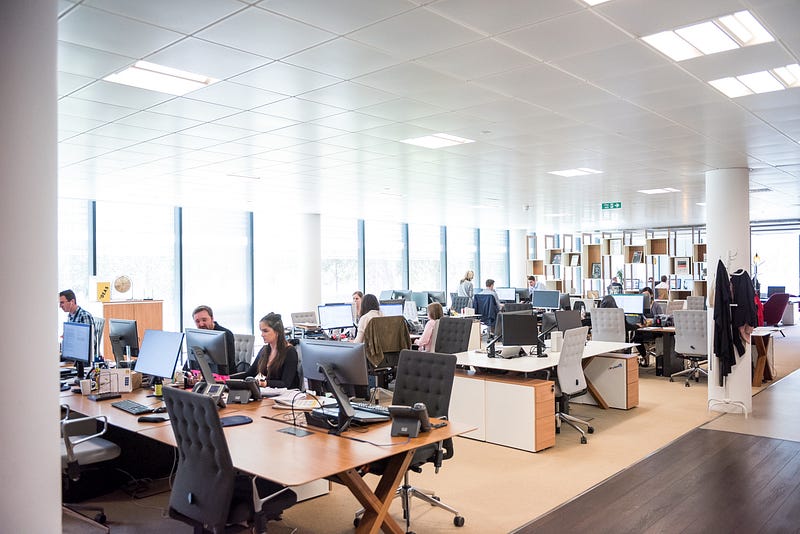
Once we’ve been programmed to dread mistakes at home and school, we go off to work.
Hurrah! We’ve escaped the tyranny of our parents and teachers and are now fully-fledged adults. We may even leave home.
To our surprise, now our boss orders us about. We are trained to accept people higher up the food chain as ‘superiors’ and forced to follow their direction.
We are hauled over the coals for mistakes that aren’t life or death.
“By seeking and blundering we learn.” — Johann Wolfgang von Goethe.
A good boss can be awesome, and I’ve had many excellent bosses in my time. Mistakes were for learning, and there was no blame.
I’ve also had dreadful bosses who were exited from the organization. Yet, they would micromanage and criticize my work during their reign of terror. I remember one manager who insisted on being copied in to all my emails and would edit them.
I’ve experienced becoming supposedly terrible at my job overnight because a new line manager didn’t like me. When we fear losing our jobs and our income, fear of mistakes can be debilitating.
How to normalize our mistakes
What can we do about our fear of making mistakes? Normalize it, that’s what.
Admit the mistake
The more readily you admit a mistake, the quicker you will remedy it. Whether it’s your boss or your boyfriend, talk to them and let them know what you have done.
Think about the consequences of the mistake in the long term
Is this something that will affect your life in five years? Or was it just a poorly edited PowerPoint presentation.
Could the mistake have been avoided?
Was it just carelessness, tiredness, or was the mistake unavoidable? If the former, admit it — we are all careless and tired at some point. If the latter, then know that it was inevitable, even if you have to wear the blame.
Was it really a mistake?
Like my emails, some things just aren’t really mistakes, they are someone else’s idea of a mistake. If this is the case, don’t take the criticism to heart. If the person is in a position of power at work, think about what you can do. Make a complaint, talk to them, or find another role if the situation is dire.
Talk openly about your mistakes
Talking opens up a space for other people to talk about their mistakes. If everyone walks around pretending to be perfect, it’s a challenging workplace or home to live in.
The more you admit to mistakes and accept that we all make them, the less you will fear them. Most errors are pretty minor when looked at from a long time frame or high perspective.
Try this exercise
I’ve been afraid of making mistakes often; at an interview, on a date, while driving, running a course, or publishing an article. I vividly remember fearing devastating consequences from minor mistakes .
In reality, performing well at an interview or on a date may mean a lot to us, but it doesn’t affect anyone else.
“Honesty is the fastest way to prevent a mistake from turning into a failure.” — James Altucher.
A helpful exercise is to ask yourself what is the worst that can happen if you make a mistake and drill down until you get to the root fear.
For example:
I’d like to present my ideas for improvement at the weekly meeting, but I might make a mistake.
What is the worst that could happen?
- I could stumble over my words
- People might laugh at my ideas
- The laptop might malfunction
If this happens, what might that mean?
- I do an average presentation
- My ideas aren’t taken on board
- Someone has to help me fix the laptop
How likely is it that this will happen?
- Not likely — I’ve done presentations before and done ok
- No one has ever laughed, and if they did, it would be viewed poorly by the team
- Laptops do malfunction sometimes but not always
Do other people have similar issues?
- I know others who are nervous about presentations
- Equipment regularly fails; it’s not unusual
What would be the long-term consequences?
- People may remember my poor presentation for a few weeks — but that’s not long term
- My ideas may not be taken on board immediately — I’d have to find another way to get them across
- I’d have to do some more prep for the next presentation
Therefore nothing life threatening or career destroying.
Next, think about what is the best that could happen?
- I could do an excellent presentation and gain confidence
- People would be interested in my ideas
- I could improve the way we do things
- I’d be viewed with someone with expert knowledge on how to improve systems and processes
Conclusion
We are trained throughout our lives to be scared of making mistakes. We could miss out on significant opportunities, stunt our creativity, and all sort of other benefits if we let fear rule our lives.
Looking at the reality of any fears and where they may have come from will help us in the future.
Takeaways:
- Always admit your mistakes
- Don’t over-inflate the consequences of the mistake
- Note if it was really a mistake or carelessness. If you were careless, note that you need to be more careful next time.
- Analyze whether the error could have been avoided and how
- Is the mistake real or a figment of someone else’s imagination
- Normalize making mistakes by talking about them
- Don’t let the fear of mistakes stop you from doing things — think about the worst and best that could happen.
I hope you found this useful, if you have any more tips about avoiding or dealing with making mistakes please leave a comment :-)
I write about leadership & training, and I’ve designed The New Leader’s Starter Kit to help leaders better communicate with their teams. Get your free copy here — The New Leader’s Starter Kit takes you through how to run One-to-Ones and Constructive Feedback sessions & develop effective listening skills — a printable one-to-one form, feedback form and listening skills checklist included.