
Smart Medicine
Why those Gloves and that Mask Aren’t Actually Protecting You
The real protection comes from the when and how you put them on and take them off
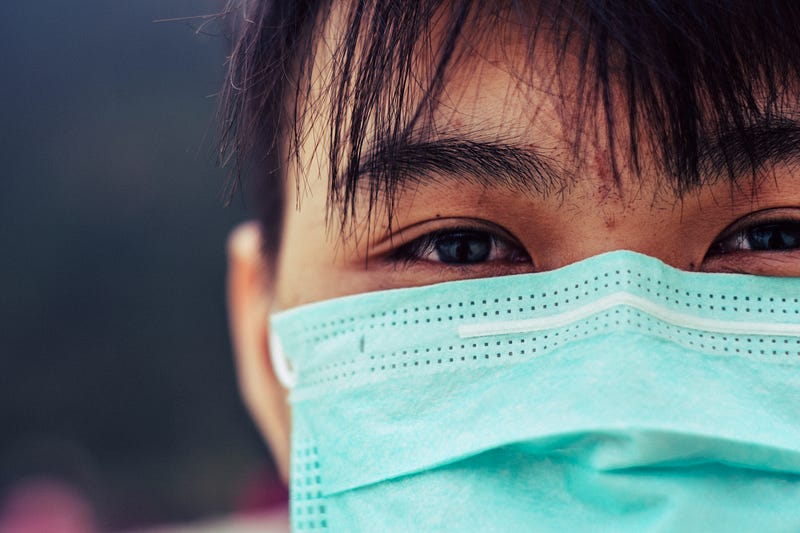
As a professional firefighter and paramedic, I used latex and nitrile gloves routinely for years.
The direction that brand new Emergency Medical Technicians (EMT’s) get about glove use is to “make sure you always use Personal Protective Equipment (PPE)”. This typically includes gloves and eye protection at a minimum and suggests masks and gowns when the patient contact might be especially bloody or require droplet protection from airborne moisture.
So that is all we need to know, correct? Just wear gloves, protective eyewear and a mask and we are completely safe.
Nope.
One of the things the Ebola virus outbreak in 2014 taught us was that even medical professionals were not paying close enough attention to how they don and doff PPE. Specifically, incorrect removal of PPE was causing Ebola exposure to healthcare workers.
I have to admit, that even as a pre-hospital emergency medicine professional, I paid little attention to glove and mask hygiene for many of the early years of my career.
Granted, the biggest (or at least most overt) threat to medical professionals through the 80’s, 90’s and early 2000’s was always exposure to blood-borne pathogens.
PPE was primarily worn to keep other peoples’ goo off you. Not much thought was given to invisible pathogens. Not until 2014.
Around that time, we all started paying a lot more attention to when and how we put on our protective gear, and more importantly when and how we took it off.
As it turns out, gloves and masks are not magic protection shields. In fact, there is nothing magic about them at all.
They are tools, and if they aren’t used properly, they might become more liability than protection. Here is how:
First off, face masks. The only masks that actually stop 95% of small and large airborne particles are the N95 masks.
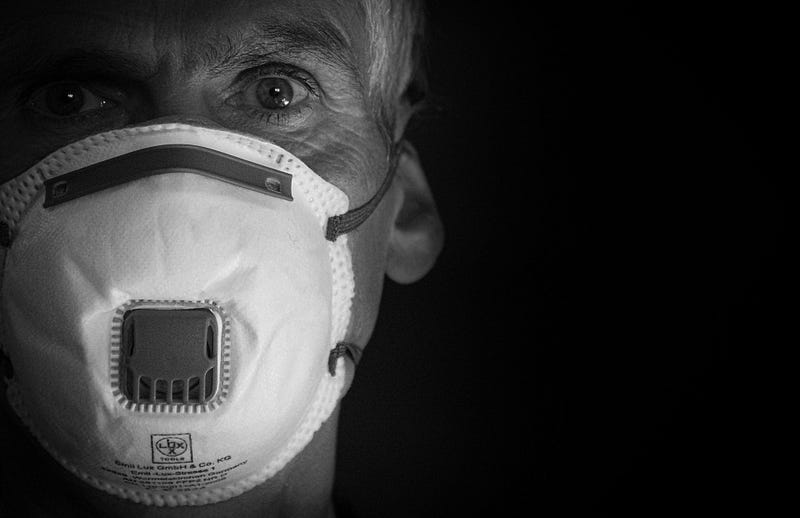
Even then, improper fit and wearing reduces their efficacy. Additionally, the general public has been advised against using N95 masks in an effort to maintain adequate stock for the medical professionals that actually need them.
So that leaves the average super-market goer with cloth or paper droplet masks to do not filter the air or provide any protection from airborne pathogens. The only protection of sorts afforded by a cloth mask is that it might keep you from touching your face.
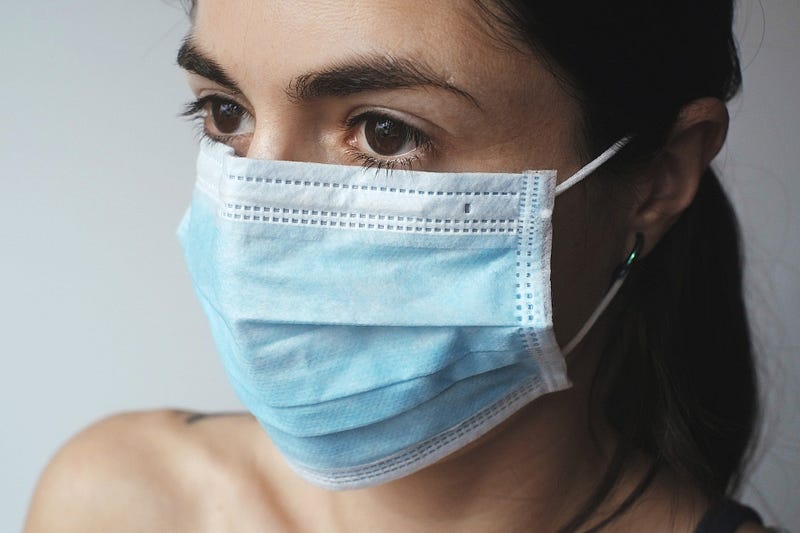
Or, it might not. Masks are uncomfortable and if you aren’t used to wearing one, you may actually touch your face more. Fact is, there aren’t any definitive studies that support the idea that wearing a mask reduces face touching.
Additionally, cloth masks retain moisture and can be a breeding ground for bacteria if the mask is not washed regularly.
It is also extremely important to put on and remove the mask using only the straps, never touching the outside of the mask, as well as never letting the mask come in contact with items you will touch later.
So, unless you are extremely diligent about mask-use hygiene, wearing a mask — especially for prolonged periods — may be more liability than protection.
Gloves are no different. Prolonged use of the same pair of gloves likely increases your chance of contaminating yourself with your own gloves.
This is because of the unconscious notion that once you put on gloves you can go around touching whatever you please, and again somehow the magic will keep you protected.
In actuality, the moment you don a pair of nitrile (or latex if old-school) gloves, you should consider them to be contaminated. You should then act like that surgeon that has just scrubbed in and is holding their hands up away from their body. Except for the surgeon, it is to keep the gloves clean, but for you it is to keep the contaminated gloves away from anything you don’t want to disinfect later.
Wearing gloves around casually while you go about your business offers no more protection from disease pathogens than no gloves. (With the one caveat that if you have a significantly large open sore or cut, in that case you may need some extra protection.)
In fact, using gloves may give you a false sense of security and reduce your awareness of potential avenues of contamination.
Here is the exact sequence and situation when gloves and a mask will offer you the ultimate protection.
First, you only need to put them on when you are about to encounter a person or people that may be infected. Immediately before contact, use your freshly washed hands to first don a new or freshly washed mask. Touch only the straps, position the mask over nose and mouth and then — most importantly — don’t touch it again until you take it off.
Next, put on a brand-new pair of appropriately sized nitrile gloves. Touch only items or surfaces you intend to disinfect later.
Interact with the person or persons that might be contaminated. Then leave the immediate area (your 6-foot distancing).
Remove the gloves by carefully using you thumb and index finger to grasp the opposite glove on the outside of the collar area (up by the wrist). Pull that glove down and off that hand carefully capturing it in the palm of the still-gloved hand.
Then using your ungloved thumb and index finger, carefully reach into the inside of the opposite glove collar and pull the glove down the hand, encapsulating the first glove still in that palm. Immediately discard both gloves. Don’t handle, roll or fold the contaminated gloves, just drop them in the trash.
Once the gloves are removed, wash your hands with warm water and soap for at least 20 seconds. Then, remove the mask using only the straps and discard in the trash, or directly into the laundry for wash.
Finally, don a clean pair of nitrile gloves and use bleach or other approved disinfectant to thoroughly clean any hard surfaces, tools or equipment (or anything else) that you touched with your gloved hand — except for, of course, any contaminated persons.
Then, using the method described above, doff and discard the second set of gloves and immediately wash your hands again.
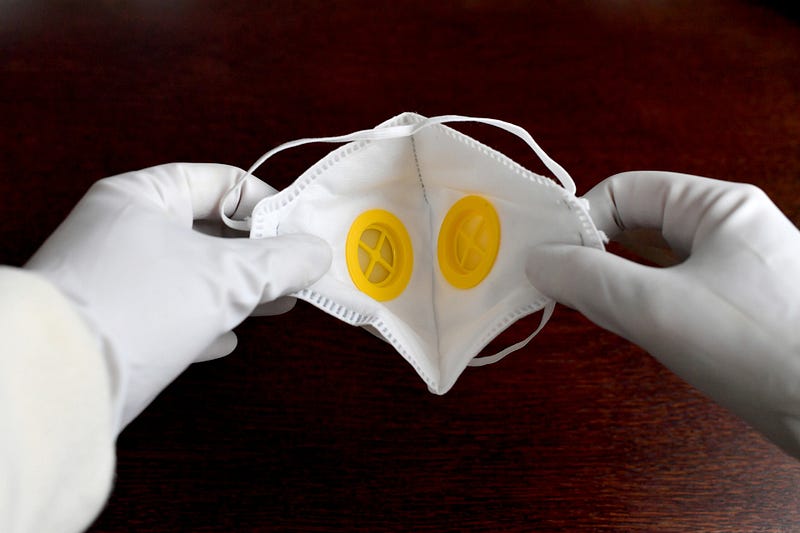
That folks, is the only way that you can assure that using a mask and gloves has protected you most effectively from any surface or airborne pathogens.
Any deviation from this exact sequence and scenario begins to significantly decrease any protection you might have from your glove and mask tools.
If you are going to come into contact with any known sick individuals the above sequence is the only way to assure your highest level of protection. Please be mindful of the steps and order in which you use and remove your PPE.
If you are not coming in contact with known infected people, your very best option is to do what the Centers for Disease Control (CDC) advocate and maintain social distancing (six feet), avoid touching your face, and wash your hands often.
Wearing a mask and gloves in general social interaction settings is only a set-up for potential failure.
Don’t let a mask and gloves give you the false sense of security that allows you to purposefully or unwittingly endanger yourself or others. Be smart about your actions.
If you liked this article, you may also like:
Timothy Key spent over 26 years in the fire service as a firefighter/paramedic and various fire chief management roles. He firmly believes that bad managers destroy more than companies, and good managers create a passion that is contagious. Compassion, grace and gratitude drive the world; or at least they should. Follow me on Instagram, Facebook, and Twitter, and join the mail list.