
Why The Flu Is So Deadly
We may have been underestimating the enemy

When I think back to my schooling days, some of my best memories I have are of the days during which I had the flu.
Having the flu meant skipping school, watching daytime TV, and missing out on being given mountains of homework. To me the flu just meant a fun day on the couch, but to thousands of people every year, the flu is a death sentence.
What is the flu?
According to the CDC, influenza (flu) is a virus that can affect your nose, throat or lungs. The virus can be spread through projectile spit that’s flung through the air when an infected person talks, sneezes or coughs. If you breathe the virus in through the airborne spit, it can infect you too.
The virus can also survive on surfaces, so if an infected person touches a doorknob and you touch the same knob, it can transfer to your hand. If you use that hand to eat or pick your nose, the virus gets a free ride into your body.
What’s a Virus?
The flu is a virus, and a virus is a very tricky and tiny microscopic parasite.
According to live science, a virus can be about 40x smaller than a bacteria. That’s about 10,000x smaller than a grain of rice.
Viruses need a host body in order to grow and reproduce, which is where we come in. Humans and animals make perfect incubators for all kinds of viruses who feed off us to survive.

Why can’t we just cure the flu?
We know enough about the biology of the flu virus to create a vaccine every year, but for now that’s all we can do.
Unfortunately, the flu virus is able to mutate into something that appears completely new to our immune systems over time. That’s why it only takes a year for the flu vaccine to become unusable and need replacing.
The most common flu virus is the seasonal flu, the other kind is the pandemic flu (just like the one spreading across China right now).
There have been thousands of pandemic flu’s across history, the majority of which have been caught and managed by contagious disease professionals. The ones that aren’t caught have occassionally caused worldwide devastation.
The Spanish flu of 1918 (H1N1 virus) caused more deaths in 18 months than both world wars put together (according to the CDC).
Like most other pandemic flu’s, this one came from birds. Animals are the source of the worst strains of flu, because our immune systems haven’t evolved to handle illnesses that incubated in animals.
Each flu can look wildly different from other strains of flu to our immune system, so the normal rules of antibodies don’t apply.
If you’ve already suffered from seasonal flu this year, that won’t mean your antibodies are going to protect you from the new Chinese coronavirus.
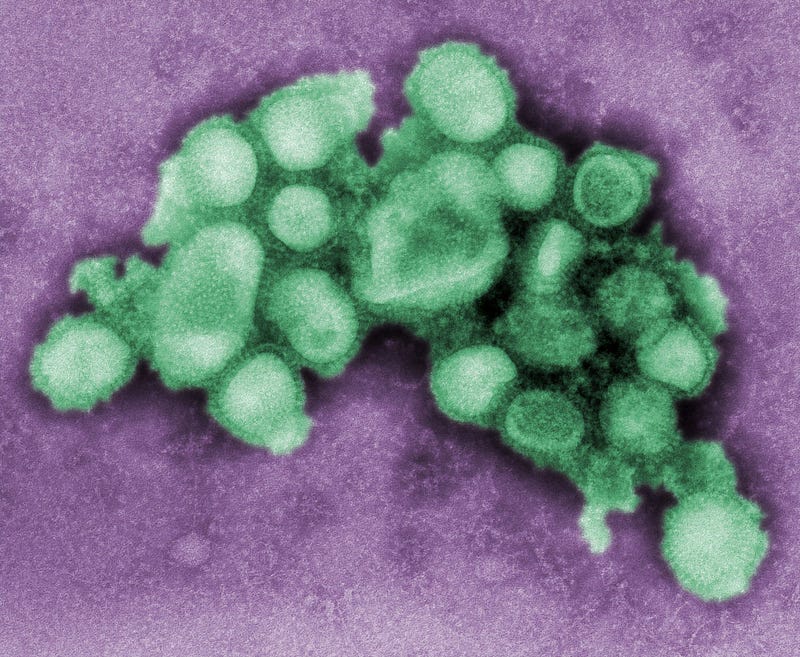
Deaths
There are two main ways the flu can cause death.
The first way is through weakening your immune system. Your body becomes so weary from battling the flu, that any other pre-existing conditions your body has are able to wreak havoc on you.
The second way is by causing pneumonia. Pneumonia is a potentially deadly illness that occurs when bacteria causes the air sacs in your lungs to become inflamed and fill with liquid.
The new strain of flu in China causes pneumonia, and because this strain is so new, we don’t yet have many tools to fight it.
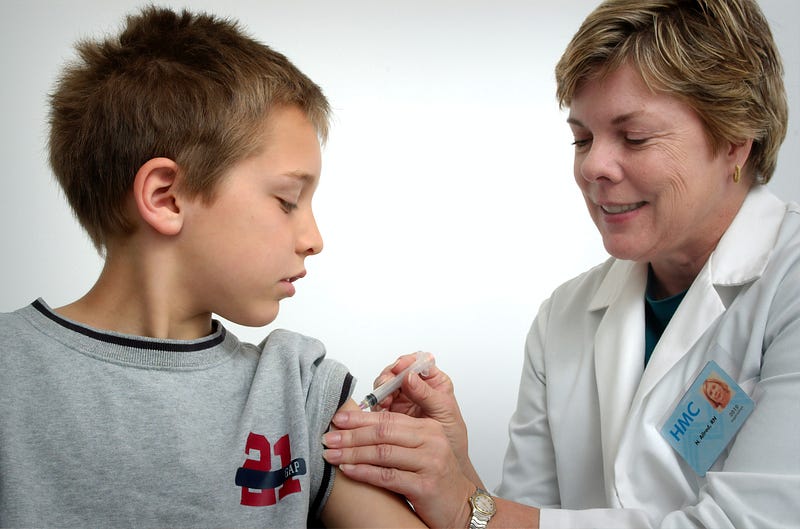
What can you do?
- Always remember to update your flu vaccine every year to prevent contracting seasonal flu
- Wash and sanitise your hands regularly, especially before you’re going to touch your face or eat
- Wear a protective mask during times of pandemic, and take sanitation extra seriously. During these times, avoid crowds whenever you can, and stock up on food so that you don’t have to go out so often.
- Keep an eye on the elderly, those who have pre-existing conditions, and kids. These are the people that are the most at risk of seriously adverse symptoms.
Just be smart, use your common sense, and keep those hands clean. Also, stock up on masks before a pandemic hits. After the World Health Organisation announces an outbreak, they sell out in seconds.


