
China is on a Frenzied Lockdown
And I’m here in Shanghai, witnessing it play out
I’m sitting on the couch in my downtown Shanghai apartment on a cloudy Friday afternoon. It’s a national holiday today, but I’m awaiting a work call from my boss. She’s obligated to step away from her family celebrations and call all of us to inform us of the latest movements of the coronavirus sweeping the nation.
The newest strain of coronavirus that originated in Wuhan has spread across China and to at least 6 other countries including the United States. The virus causes a lot of the same symptoms as the SARS virus including pneumonia, and it’s not treatable by antibiotics.
I actually wanted to go to the doctor today to have my finger checked out, it got swollen last night so I think it might have an infection of some kind.
But my finger will have to wait, as I’ve been informed by my colleagues that the public hospitals aren’t seeing anyone unless you suspect you’ve caught the coronavirus. I’d pay for a private hospital, but they’re not answering my calls. I’m guessing they’ve closed for the holiday.
Stretched Hospital Infrastructure
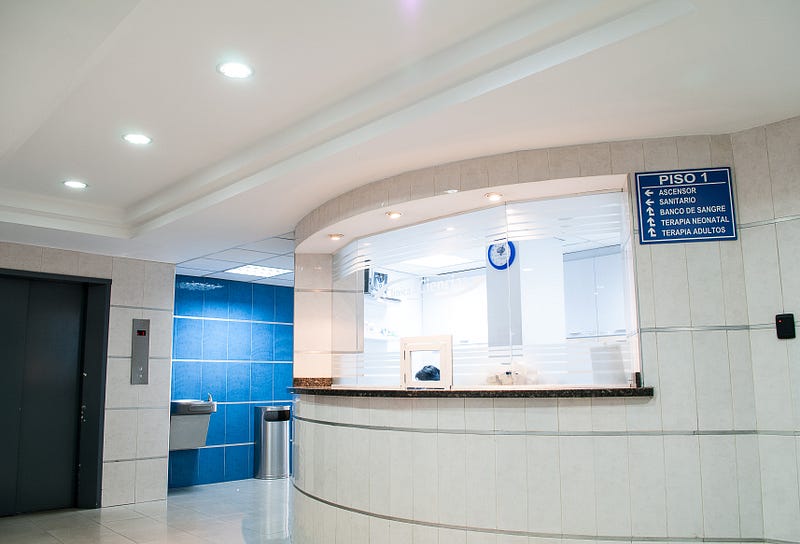
Apparently public hospitals are bursting at the seams with a mixture of genuinely sick people, and others who have a cold and think they might have caught the virus. Many of these people are apparently from Wuhan according to local news outlets. It’s been reported locally that tens of thousands of people came to Shanghai after their local hospitals turned them away. The government has now initiated travel bans to try and stop the movement of millions more people looking for health care from larger cities.
Travel Ban
Right now the cities affected by the travel ban are -
- Wuhan (where it all started) **Population 11 million**
- Huanggang **Population 7.5 million**
- Ezhou **Population 1 million**
- Zhijiang **Population half a million**
- Chibi **Population half a million**
- Xiantao **Population 1.2 million**
- Qianjiang **Population 1.1 million**
By Chinese standards, with the exception of Huanggang, these are all fairly low population cities. They’re all within a certain radius of Wuhan, and therefore received most of the people leaving the city looking for more hospitals with available beds.
Getting back to work
Who this travel ban will really affect are the millions of people who’ve travelled home for the Chinese New Year celebrations. While these cities don’t have large amounts of people living there, a lot of people living across China are from there.
It’s very normal in China to leave your small home city once you’re ready to start your career and move to a city like Shanghai, Beijing, Chongqing or Shenzhen. The pay is far better in a major city, and there’s a lot more opportunity. They just wanted to go home for the traditional celebrations, and now they’re stuck. After another week of celebrations at home, none of these working professionals will be able to travel to the city where they work.
This displacement will only exacerbate the problems being caused by this virus.
Living among it
Being an Australian in this situation has been a very unusual experience for me. I’m from a small town, and now live in a city with more than 24 million other people.
I wasn’t around for the SARS pandemic, but a lot of my colleagues were. From what I hear, the government really played down the severity of SARS and lost a lot of trust from the people. Because they were burned before, locals are extra suspicious of the statistics being given to them from Beijing. Many think the death count is actually a lot higher than is being reported, so the fear is getting really real.
Many who would otherwise be visiting family for the holidays are staying home, terrified to catch the virus. Even those who travelled to their home towns to see family aren’t crossing town to see the family members they flew out to see. (Especially if grandma has a mysterious cough).
A video circulated WeChat yesterday (a Chinese social media app) of a woman fainting on the subway. Distrust is high, but no one is rioting quite yet, instead they’re staying home and wearing masks.
While I don’t have the illness, I am personally affected. I’m a teacher, and no one is letting their kids outside of the house, so all my classes are cancelled.
The government has put out a city-wide ban on learning centres, so all education across Shanghai has ground to a halt. Many of these businesses will go under while waiting for the ban to be lifted, just as they did during the bans in 2003 (for SARS virus).
People are saying that the virus will only spread more by the time the school semester starts up, so a lot of us teachers may be very negatively affected. We’ll have to see how things develop as they happen.
Right now the semester is scheduled to begin on February 17th, however it has already been delayed in Wuhan. If it’s delayed country-wide, many in the education space will lose their paycheques and maybe their jobs.
As more develops, I’ll write more about it right here on Health Tonic.


