
How to Spot the New Chinese Virus
Signs to look out for when trying to protect yourself from the virus

If you’ve been paying attention to the news, you’ll likely have seen reports about the new SARS-like virus coming out of China.
The virus has already spread to at least two nearby Asian countries (that we know of), and is likely to spread a lot further over the course of Chinese New Year.
Chinese New Year is described as the worlds largest human migration, as millions of people fly all over the world to return home to their families for the celebration. This mass movement of people is all a virus needs to spread quickly and widely.
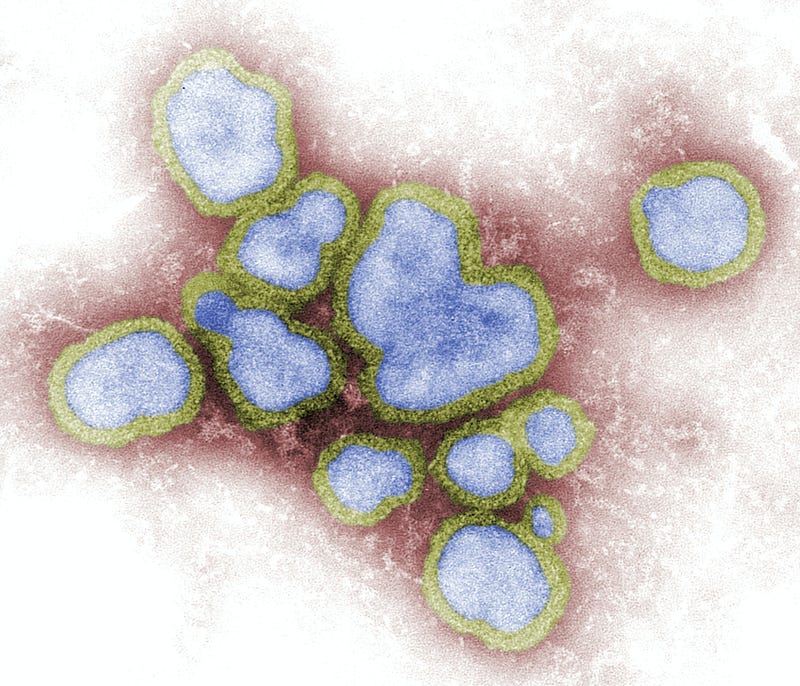
What is it?
The virus is a new strain of coronavirus, a virus that normally acts like the common cold. This strain acts a lot more like SARS, which itself was a big crisis in Asia over a decade ago.
Scientists have determined that this new strain probably came from animals, possibly seafood. The virus originated in the Chinese city of Wuhan and spread across China from there.
I live in Shanghai, and here people are taking it really seriously. A lot of businesses are sending emails to their employees allowing them to stay home and work remotely. Some bars and restaurants are also closing and instead are offering delivery-only options.
The city is trying to cut down on opportunities for crowds to congregate, but that’s going to be really difficult once the Chinese New Year celebrations reach full force on Friday (January 24th 2020).
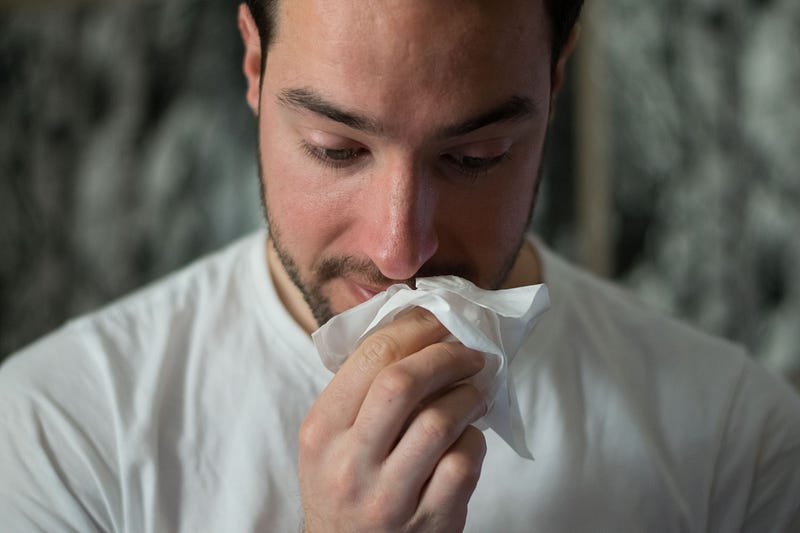
Symptoms
If you think you’ve been exposed to the virus, keep an eye out for the development of flu-like symptoms, fever, and difficulty breathing.
The virus causes pneumonia, and isn’t treatable with antibiotics. A handful of people have already died, although if it follows the trend of SARS, up to 10% of those who catch it may die.
The World Health Organisation have begun preparing countries with instructions on what to do to prepare for an outbreak, and airports have begun health screening people arriving from certain Chinese cities.
How it’s spread
Scientists have confirmed that physical contact with infected inderviduals will cause the virus to spread. Such contact could include touching an infected person with your hand, then using that hand to touch your eyes, nose or mouth.
They have suggested that the virus may also be spread through a cough or sneeze. Caregivers may catch the virus through proximity to the waste of an infected person they’re caring for.

What now?
Keep calm and don’t prescribe to the panic the media will inevitably cause. Instead, be on your guard until the virus inevitably calms down and is brought under control.
If you’re in Asia, definitely start wearing a mask and avoid large gatherings of people. Instead of clubbing this Chinese New Year, maybe hold an intimate party at your apartment.
Also, try being a vegetarian temporarily. The health authorities still haven’t confirmed the source of the illness, so infected meat could still be in circulation.
If you’re not in Asia, still be wary. Keep a healthy distance from people who seem to be showing flu-like symptoms. If you’re going to an airport, wear a mask and keep your distance from people.
Don’t panic, but do be smart and vigilant. This virus will pass, but definitely safeguard yourself and your family until it does.