
The Power of Ancient Grains
Super foods from the dawn of time
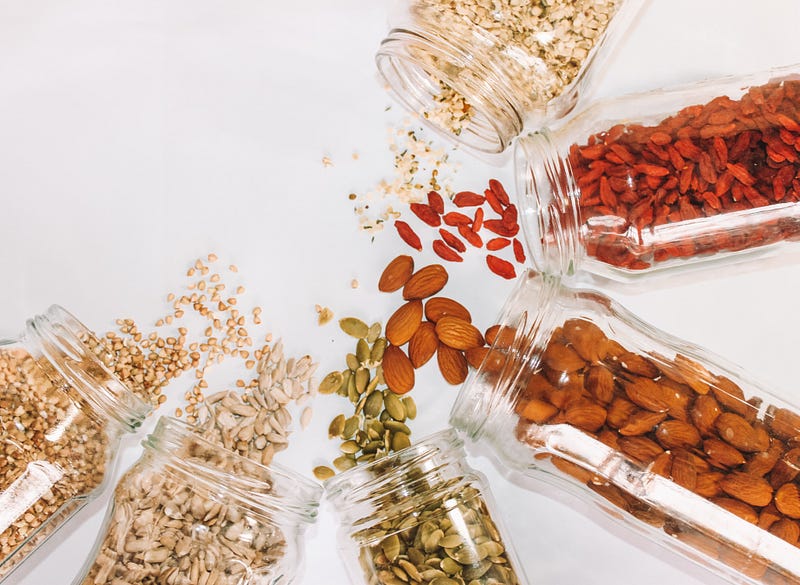
“Using all purpose four and never having one of these heritage grains is like drinking apple juice from concentrate your entire life and never eating a fresh apple.” – Chef Michael Fiorelli.
Over the past 10,000 years, wheat and grains have had a long and colourful relationship with mankind.
We cultivated wheat and used it for a variety of purposes over the centuries. We ate it, used it to make clothes and furniture, even applied it to our skin to enhance beauty.
But since the 1800’s and the invention of modern day flour, we have forced wheat to endure the most changes it’s ever had to face in history.

Flour: The Cornerstone of Western Society
Since being patented by Henry Jones in 1845, flour changed over time from being a useful ration, to the staple of the western diet.
Since the 1920’s, flour has sharply grown in popularity. It’s usefulness during wartimes saw it rapidly developed in the lab, with wheat and grains developed alongside.
Flour has been altered in many fundamental ways for many practical reasons. It had to last longer on the shelf, provide more nutrition, clump less often, looks more delicious, be less appealing to ants; and adapt to our whims in many other ways.
As demand for wheat continued to grow, we had to alter wheat as well. We had to make sure it didn’t grow too tall, make it more resilient to pesticides, but most of all, we had to ensure it was easy to harvest.
Labour
The biggest practicality difference between modern grains and ancient grains is the labour cost of growing it.
Ancient grains are encased in a natural defensive shell called a hull. These grains evolved to grow these hulls to protect the grains from predators and the elements. Growing these grains for the larger public will mean finding a way to get these hulls off during large scale production, a process that’s more easily said than done.
Getting the hulls off is notoriously difficult, often taking heat and pressure. The upside of the hull is that it protects the grain from insects and other natural predators naturally, doing the job that chemicals are doing for modern wheat today.
Switching to ancient wheats on a global scale would mean swapping chemicals (cheap) for manpower (expensive).
The scientific consensus is that growing ancient grains is a good idea, because of the need to diversify the worlds species of grains to protect against a possible disease event striking one of the currently available wheat species.
Unfortunately, they’re in favour of developing ancient grains to be easier to grow and harvest, turning them once again into a modern grain that can be produced more cheaply.
What’re the benefits anyway?
The benefit of ancient grains is that they don’t carry the same baggage being carried by modern wheat today.
After all of our genetic engineering and chemical alterations, the all-purpose flour being sold on store shelves carries none of the nutrition it once did.
Flour that’s made from ancient grains would come with all of the nutrition of the flour that was being made back when it was first invented.
Many ancient grains are naturally gluten free, which is hugely beneficial for a modern world wherein most of us are no longer tolerant of gluten, and many are highly allergic.
Ancient grains are also naturally high in protein and many other vitamins and minerals.
When you think about it, the benefits of ancient grains only take common sense to understand.
The food supplied by the Earth is always a lot healthier than what we can engineer ourselves. It’s just that those health benefits are sharply reduced whenever we change an original crop to suit our needs.
Our needs are usually to make a crop grow faster and bigger. We want it to be less thirsty, less demanding, and make it easier to harvest. Ancient grains existed before we started making those changes, and carry all the benefits we need to support our health.
Making the switch
Baking with ancient grains isn’t much different than with regular wheat. If you have a personal kitchen mill, you can buy these grains from your local farmers market and can make your own flour with them.
Granted, the flour won’t be as pretty, meaning it won’t have been bleached white, and this will affect the appearance of the finished bread or cake that you’re baking.
However the final product will be far higher in natural minerals, fibre and protein. It also won’t have any of the harmful fillers that are commonplace in store bought flour.
Which grains are ancient?
These are the grains to look for next time you’re at your local health food store or farmers market.
- Amaranth (gluten free)
- Millet (gluten free)
- Kamut
- Teff (gluten free)
- Freekeh
- Sorghum (gluten free)
- Barley
- Farro
- Quinoa (gluten free)
- Rye
- Bulgur
- Fonio (gluten free)
There’s probably a few on this list you recognise, and probably cook with today. But there are many more available, and they all have unique and powerful benefits that may be beneficial to your health.
All 12 of these grains have unique health benefits that may be able to provide you with something that’s deficient in your diet. I encourage you to do further research into these grains and find out which ones could be what you need to enhance your health.
Looking back to look forward. Who knows how many other keys to our health are buried in the past.