
Why Is Windows XP So Fondly Remembered?
The operating system that refuses to die
Back in October 2001, Microsoft released one of its most beloved operating systems ever, Windows XP.
Known for its bright color schemes, easy-to-use interface, and stability, XP would go on to have the longest lifespan of any operating system released by Microsoft. In fact, the OS would almost outlive its successor, Vista, with Microsoft continuing to support the system until 2014.
Even today, the system refuses to die, with businesses and enthusiasts alike still using the system to run legacy hardware or to take a trip down memory lane. And some 1.26% of all laptops and desktop computers worldwide were still using the system as late as 2020, despite the security risks involved.
Nonetheless, the system is still fondly remembered by those who have long since abandoned it for newer software, arguably more so than any other operating system. Here are just a few reasons why I think that is.
Bliss
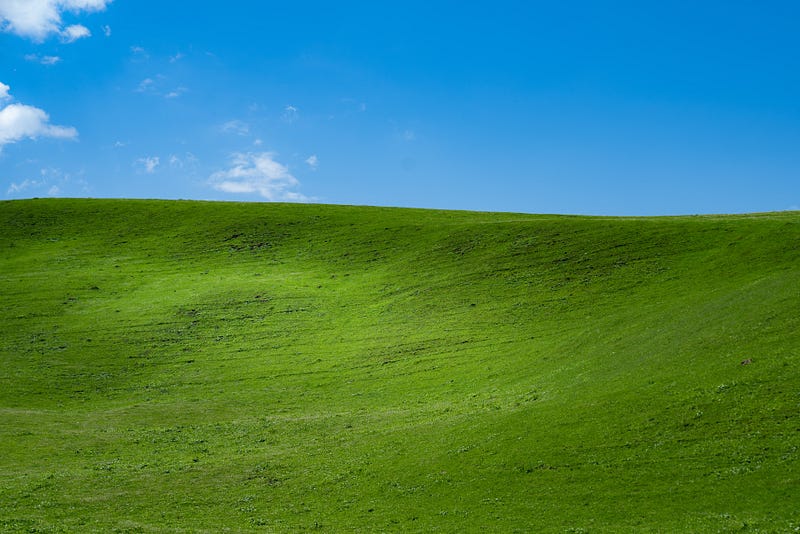
Bliss, the default desktop background of Windows XP, might be one of the most viewed images in the world. Indeed, for the generations that used XP, the green hills that greeted them on their first startup are as instantly recognizable as the Mona Lisa.
The image has an almost surreal and liminal quality to it. But it could also be described as tranquil and dreamlike. In any case, show this to anyone who used a computer in the early 2000s, and it will likely inspire nostalgia.
Bliss almost looks computer-generated, but it is, in fact, the result of a relatively unedited photo taken by photographer Charles O’Rear in 1996. You can visit the location where the photo was taken today but don’t expect to find the same scene awaiting. That’s because today, the once-green hills are covered in grapevines.
Themes, sound effects & “personality”
Accompanying Bliss were XP’s many visual styles, including the default theme Luna. These brought some noticeable changes to the desktop, including rounded corners, bright and saturated color schemes, and bitmaps. Windows XP also brought a host of new sound effects, including the fondly remembered startup music (and the less fondly remembered error alerts).
These additions weren’t without criticism. And even today, it’s hard not to argue that the system has a childish look and feel. Indeed, you can tell that Microsoft wanted to make the XP as inviting as possible to the non-tech-savvy. But now that technology is all around us, I doubt many people seriously want to go back to hearing those error noises.
That said, I think these design choices gave the system some personality, something that, for better or worse, is largely absent from today’s operating system (with a few quirky exceptions). XP’s distinct look and feel also make it stand out from the systems that came before and the ones that followed.
Simplicity stability and accessibility
XP is to Windows what Mint is to Linux. It’s a system that just works.
Unlike previous and later versions of Windows, XP was designed with stability above all else. It was also designed with non-tech users in mind, being even more user-friendly and easier to navigate than Windows 98.
Also, even for the period, it was surprisingly compatible with older tech since it didn’t have the bloatware of Vista, Windows 7, and beyond (we’ll get to that). As a result, many people ended up downgrading or sticking with XP long after the release of Vista and Windows 7.
In case you were wondering, here are the minimum specs required to run the home edition of Windows XP:
- Pentium 233-megahertz (MHz) processor or faster (300 MHz is recommended)
- At least 64 megabytes (MB) of RAM (128 MB is recommended)
- At least 1.5 gigabytes (GB) of available space on a hard disk
- CD-ROM or DVD-ROM drive
- Keyboard and mouse
- Video adapter and monitor with Super VGA (800 x 600)or higher resolution
- Sound card and speakers or headphones
XP was followed by Vista
There’s an old joke that Microsoft releases follow a good-bad cycle. For example, Windows 7 was well-received, but Windows 8 was heavily criticized. Meanwhile, Windows XP came just after Windows ME, an operating system that came with bugs, compatibility issues, and instability. But more importantly, it came just before the dumpster fire that was Windows Vista
From killing your laptop’s battery with its aero visuals, frame rate issues when playing video games, and the snail-pace at which it opened applications, Vista did not make a good impression on users. There were also issues with the new security features and driver support. It also began Microsoft’s obsession with pre-installing too many unwanted features on their operating systems.
To put it simply, Vista is largely to blame for keeping people on XP for so long. Had Microsoft followed XP with Windows 7, perhaps XP wouldn’t be so fondly remembered. Then again, maybe people would have hated Windows 7.
No feature bloat
Later editions of Windows may come packed with more features, but that’s not necessarily a positive if you don’t use them. Apps such as Cortana, OneDrive, and the Edge browser are essentially baked into Windows 10 and 11. And even if you do manage to remove them, they’ll likely only return when your system is updated.
Microsoft’s insistence on these features wouldn’t be an issue if all these unwanted processes weren’t taking up so much disk space and CPU. But ultimately, Microsoft is keen to get Windows users to use the programs they want them to use, so too bad if you don’t like them.
It didn’t intrude on your privacy
There’s a lot of shady stuff going on under the hood of the modern Windows operating systems. Windows 11, in particular, performs an unnerving amount of telemetry from the moment it is booted up, sending data to various servers without user consent. Just check out the above video by Neowin to see a comparison between Windows 11 and XP to see this regard.
Being spied on by your operating system wasn’t something that users had to worry so much about back in the early 2000s. Back then, that kind of thing was usually limited to the realm of hackers. But I think it’s a large part of why XP is fondly remembered, which leads me to my final point…
Nostalgia for a simpler time
Today’s technological landscape can feel quite dystopian at times. On the one hand, there are some pretty incredible advances being made, particularly regarding AI and augmented reality. But there is also a growing sense that modern tech doesn’t have our best interests at heart.
Addictive social feeds, bossware, increasingly intrusive data collection, big tech-backed spyware, software lock-ins, rampant online misinformation, and adtech are just some of the common issues we face in today’s digital world. And the emergence of smartphones has certainly taken some of the excitement out of turning on your computer and “going online.”
I would argue that Windows XP came at a time when the future inspired more optimism. And whether or not that optimism was misplaced, the sounds, images, colors and feel of XP remind many of those simpler times.
Do you remember XP fondly? Or perhaps you have similar feelings toward a different operating system? Let me know in the comments what you think.


