
Why Happily Ever After Isn’t The Same Outside Of Fairy Tales
In the real world happily ever after is all about a certain balance.
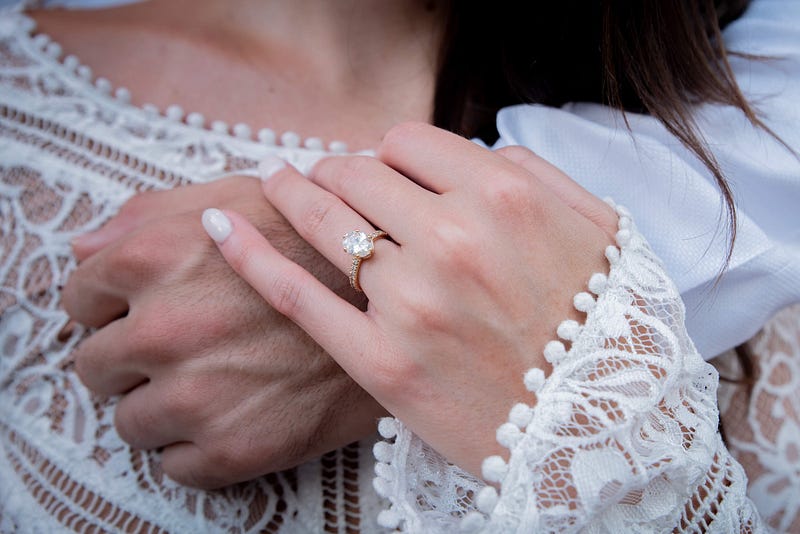
“…the reader is assured that the knight and the fair maiden lived together happily ever after.” –Kate DiCamillo
But did they?
The phrase, “happily ever after” conjures up images of a life of unending marital bliss for the fairy tale couple from that point on, but what does it really mean? And what if you and your significant other aren’t Prince Phillip and Aurora? Or Tiana and Prince Naveen?
What does real-world happily ever after mean?
When you talk to any long-term couple that is still happy and has no regrets about getting hitched and staying together, you will most likely learn that it is not because they didn’t experience any relationship struggles. They most likely did.
Their saving grace is they brought certain qualities and attitudes to bear that made it all come together.
From their story, you realize that in real-world unions, and indeed life in general, there is a mixture of the good days and not-so-good days, and a realistic approach to achieving any semblance of happiness in their marriage will require ensuring that there is more of the good.
The good is what they learn to relish, amplify and let define their relationships.
The truth is, in our reality “happily ever after” will also vary from one couple to the next. However, if a couple basically has a marriage that is stable and fulfilling in that even though they are individuals first, they have a lot of shared needs that are being met then they have a good claim to the title. So too do couples who feel secure because there is an abundance of feelings of mutual trust, and respect for themselves and each other.
“When you talk to any long-term couple that is still happy and has no regrets about getting hitched and staying together, you will most likely learn that it is not because they didn’t experience any relationship struggles.”

Does happily ever after mean, still together?
Specifically, no. Happily ever after doesn’t mean, not divorced because there are couples that are “chronically unhappy” in their marriage yet remain. And when you add them to the number of first marriages that end in divorce (estimated at between 40 to 50 percent in the United States), and couples who are separated but not formally divorced the whole picture looks very bleak.
Couples who are chronically unhappy will by no means qualify because they are in unhappy marriages in which, for instance, they constantly feel undermined and unappreciated, and trust is severely lacking. Some, unfortunately, “accept” all this and stay because they think that it is supposed to be that hard or sadly because they have accepted it as the best that they can ever get.
An overwhelming sense of anxiety and fear of an unknown future outside of their union also doesn’t help.
Two traits science says are crucial
Science has found that certain traits exhibited by couples are very important for the relationship. For instance, according to psychologist and marriage expert, John Gottman, kindness and generosity are two distinguishing traits of a happy union from an unhappy one.
Kindness is an important predictor of the satisfaction and stability of the relationship and the glue that keeps a couple together. Generosity will entail a lot of giving to your partner and to a level that, Dr. Gail Saltz, a psychiatrist with the New York Presbyterian, suggests should be up to 80 percent!
She advises that giving is one sure way to solidify love and trust between couples. “Of course,” she says, “there will be and should be times when you need to put yourself first — but these times should be in the minority. If you give to your mate, he or she will really enjoy giving to you.”
Happily ever after is all about maintaining a balance

“If you would stop analyzing everything and just look for the things to appreciate, you would live happily ever after” -Esther hicks
Marital bliss is a balance of good and, of course, its opposite -a balance that is necessarily skewed towards the good- the appreciable stuff. The rough patches should never be allowed to make up the whole playing field.
“Marital bliss is a balance of the good and, of course, its opposite -a balance that is necessarily skewed towards the good.”
To enjoy unlimited access to all stories on Medium.com you can sign up using my referral link. It’s $5/month and at no extra cost to you, you support all the writers you read.


