avatarCindy Heath

Free AI web copilot to create summaries, insights and extended knowledge, download it at here

2254

Abstract

, nymphs, and larvae of many kinds, which provide food for fish and other wildlife.</p><p id="54c8">Don’t clean up those fallen leaves if you don’t have to. Some homeowners’ associations consider the leaves messy, but you can rake them under trees and shrubs where they will decompose and provide shelter for worms, toads, and thousands of insects.</p><h2 id="1372">All these leaves are free mulch and can be added to your compost.</h2><p id="cc81">If leaves are on your lawn, simply run over them with your lawnmower and leave them over the winter. By spring, they will all have disappeared. As a gardener, I can’t imagine ever having too much organic matter to add to my soil. It feeds the essential microbial life that is the basis of the soil web.</p><figure id="8acd"><img src="https://cdn-images-1.readmedium.com/v2/resize:fit:800/1*PC9oTnwKMgXaKGZ4_zsmFw.jpeg"><figcaption>image created on canva.com by author</figcaption></figure><p id="1c6b">If you have a surplus of leaves, you can shred them with your mower and add them to your compost bin. You don’t even <i>have</i> to shred them; use a wire cylinder and fill it with leaves. Eventually, they will decompose into the love substance known as leaf mold, an excellent source of organic material.</p><p id="6f62">One of the most significant advantages of adding leaf mold to your garden soil is its ability to hold moisture in the ground. Ten pounds of leaf mold can absorb up to 50 pounds of water and keep it for your plants. So why buy coir or peat moss when you have a supply of free organic material?</p><div id="b367" class="link-block"> <a href="https://readmedium.com/composting-basics-learn-how-to-make-compost-with-easy-tips-from-an-expert-gardener-6dd1bbf3e6ee"> <div> <div> <h2>Composting Basics: Learn How to Make Compost With Easy Tips From an Expert Gardener</h2> <div><h3>Save money and grow your best garden ever.</h3></div> <div><p>medium.com</p></div> </div> <div> <div style="background-image: url(https://miro.readmedium.com/v2/resize:fit:320/1*Hbgxhh0IuhlP0I2W3_-y8A.jpeg)"></div> </div> </div> </a>

Options

</div><p id="3001">If you’re fortunate to live near a wild space, just return them to the forest floor.</p><p id="e462">Many cities have municipal composting programs and will pick up bags of leaves. If not, consider donating them to a neighboring gardener or farmer.</p><h2 id="da70">Dead leaves provide a habitat for butterflies and a food source for birds.</h2><p id="bb73">Many pollinating butterfly and moth species spend the cold months in the leaf layer. Some lay eggs which overwinter in the leaf litter, others pupate until spring, and adults hide there, too. If you rake up and throw away the leaves, you are removing the habitat of these crucial creatures.</p><p id="8f70">In the spring, birds depend on finding insects as they scratch and peck through the old leaves. According to the National Wildlife Federation, 96% of birds consume caterpillars in the spring as they raise their young.</p><h2 id="1834">So don’t waste those autumn leaves!</h2><p id="a26f">They are valuable for the environment, wildlife, and your gardener. Plus, they’re free, and spreading them as mulch gives you an excuse to enjoy the crisp fall weather. What’s not to love?</p><div id="e116" class="link-block"> <a href="https://readmedium.com/the-amazing-results-of-improving-your-gardens-microbial-life-c0ccfbbc7d7a"> <div> <div> <h2>The Amazing Results of Improving Your Garden’s Microbial Life</h2> <div><h3>Learn what to do from the ground up.</h3></div> <div><p>medium.com</p></div> </div> <div> <div style="background-image: url(https://miro.readmedium.com/v2/resize:fit:320/0*lVnGCw8yXjKZkeKF)"></div> </div> </div> </a> </div><p id="47be">Cindy Heath is a writer who is passionate about helping others enjoy growing and preparing healthy food. <a href="https://www.cindyheathwrites.com/stay-in-touch">Join the conversation.</a></p><p id="e280">If you subscribe to Medium, I get a portion of your monthly fee at no extra cost to you, and it will go a long way in supporting me as a writer. <a href="https://cindyheathwrites.medium.com/membership">Just click here.</a></p></article></body>

Why Do Leaves Change Color in the Fall?

Learn how those fallen leaves can help wildlife and your garden.
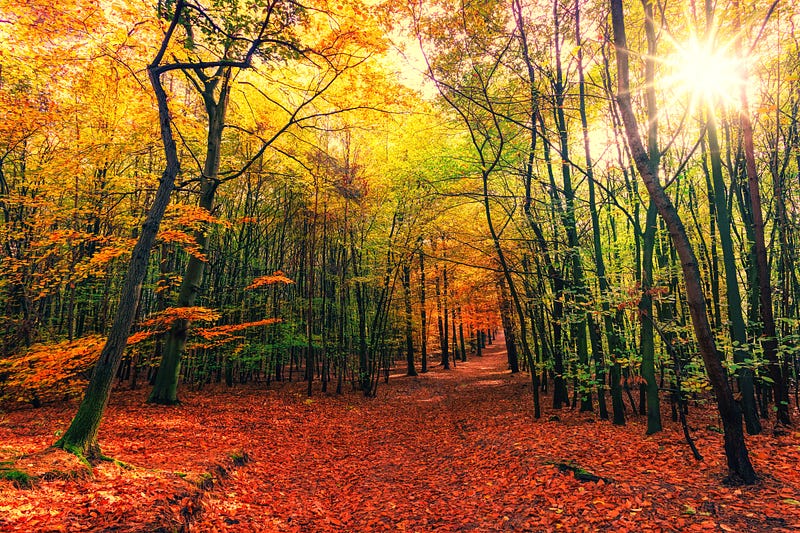
Photo by Johannes Plenio on Unsplash

Autumn is my favorite season. Even though here in Central Texas the leaves don’t change the glorious red of maples, the golden yellow of aspens, and the burgundy and orange of beech and sumac, I still love fall.

Have you ever wondered why the leaves change color?

And is there a purpose for their show-off colors? And why are some years notable for the leaf display while other years the leaves just mournfully shrivel and collapse?

Leaves change color because chlorophyll—the green color essential for photosynthesis, starts to diminish because of the cooler weather and shorter daylight hours. In response to this change, the growth system starts to slow down, too. As the green chlorophyll disappears, we see the brighter colors that were present all along. The colors depend on the species and whether those trees grow in acidic or alkaline soil.

Why are the leaves brighter one year and dull the next?

The best autumn show happens when sunny days, and the forests don’t get an early freeze. Too much rain, or a drought, causes the leaves to wither and fall without developing bright colors.

Scientists have never found a purpose for the fall color show—it’s just a bonus provided by nature.

What should you do with those beautiful colored leaves?

While the glorious autumn foliage doesn’t have a specific purpose, the leaves do. Leaves release nitrogen, minerals, and organic matter as they decompose. Some of the rotting leaves find their way into streams and rivers, providing food for aquatic insects, nymphs, and larvae of many kinds, which provide food for fish and other wildlife.

Don’t clean up those fallen leaves if you don’t have to. Some homeowners’ associations consider the leaves messy, but you can rake them under trees and shrubs where they will decompose and provide shelter for worms, toads, and thousands of insects.

All these leaves are free mulch and can be added to your compost.

If leaves are on your lawn, simply run over them with your lawnmower and leave them over the winter. By spring, they will all have disappeared. As a gardener, I can’t imagine ever having too much organic matter to add to my soil. It feeds the essential microbial life that is the basis of the soil web.
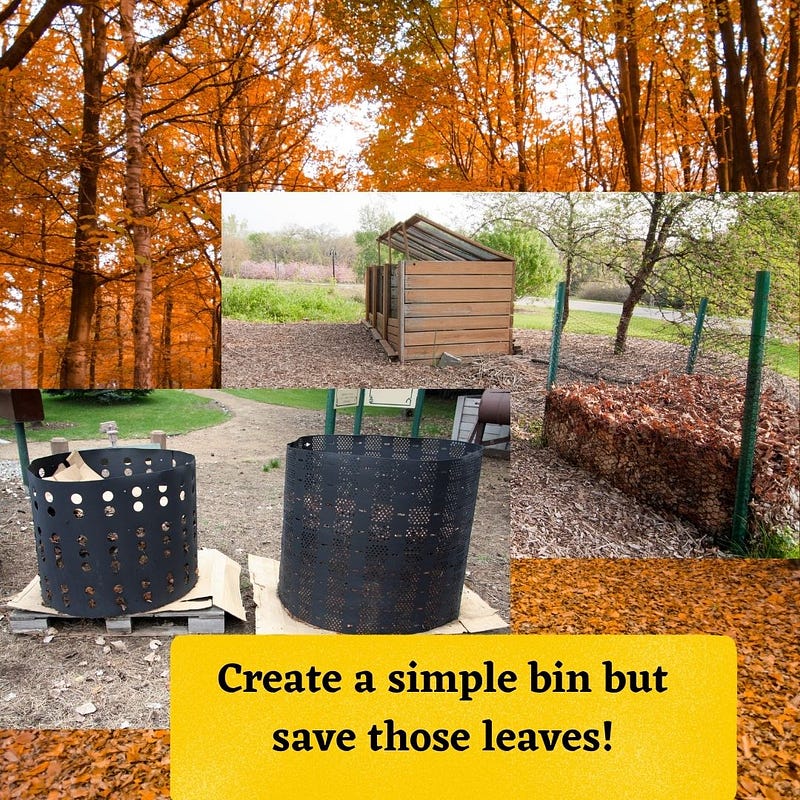
image created on canva.com by author

If you have a surplus of leaves, you can shred them with your mower and add them to your compost bin. You don’t even have to shred them; use a wire cylinder and fill it with leaves. Eventually, they will decompose into the love substance known as leaf mold, an excellent source of organic material.

One of the most significant advantages of adding leaf mold to your garden soil is its ability to hold moisture in the ground. Ten pounds of leaf mold can absorb up to 50 pounds of water and keep it for your plants. So why buy coir or peat moss when you have a supply of free organic material?

If you’re fortunate to live near a wild space, just return them to the forest floor.

Many cities have municipal composting programs and will pick up bags of leaves. If not, consider donating them to a neighboring gardener or farmer.

Dead leaves provide a habitat for butterflies and a food source for birds.

Many pollinating butterfly and moth species spend the cold months in the leaf layer. Some lay eggs which overwinter in the leaf litter, others pupate until spring, and adults hide there, too. If you rake up and throw away the leaves, you are removing the habitat of these crucial creatures.

In the spring, birds depend on finding insects as they scratch and peck through the old leaves. According to the National Wildlife Federation, 96% of birds consume caterpillars in the spring as they raise their young.

So don’t waste those autumn leaves!

They are valuable for the environment, wildlife, and your gardener. Plus, they’re free, and spreading them as mulch gives you an excuse to enjoy the crisp fall weather. What’s not to love?

Cindy Heath is a writer who is passionate about helping others enjoy growing and preparing healthy food. Join the conversation.

If you subscribe to Medium, I get a portion of your monthly fee at no extra cost to you, and it will go a long way in supporting me as a writer. Just click here.

Nature
Gardening
Outdoors
Trees
Sustainability
Recommended from ReadMedium