avatarCindy Heath

Free AI web copilot to create summaries, insights and extended knowledge, download it at here

2143

Abstract

and that of the creatures consuming the food.</p><p id="4c42">Just as many Americans have adopted either a processed food diet or obsessive confidence in supplements and vitamins, so have farmers and gardeners become dependent on chemical fertilizers.</p><h1 id="82f0">We can and must return to a ‘feed the soil’ philosophy.</h1><p id="51fc">Plants grown in fertile soil, well supplied with nutrients, attract fewer insects and are less likely to suffer from disease. Just as in human health, the goal is to enhance a robust immune system, so we do not need to treat our vegetables with toxic pesticides.</p><p id="8896">Previous articles have discussed analyzing soil health, the importance of microbial life in the soil, and given an overview of the amendments, we can add to our soil.</p><div id="2ea9" class="link-block"> <a href="https://readmedium.com/what-the-heck-is-a-soil-amendment-a56e2e7c2920"> <div> <div> <h2>What the heck is a ‘soil amendment’?</h2> <div><h3>It’s the hidden ingredient in a beautiful, productive garden</h3></div> <div><p></p></div> </div> <div> <div style="background-image: url(https://miro.readmedium.com/v2/resize:fit:320/1*E1Nep1wLqXgGOhWhFzpGrA.jpeg)"></div> </div> </div> </a> </div><p id="8035">At its most basic essence, dirt is ground up rocks, also known as minerals. As we’ve previously discussed, plants need what is commonly called soil, a combination of mineral soil and decomposed organic matter.</p><p id="a4c2">Depending on the underlying mineral foundation in our area and the previous use of our soil, we likely need to include additional minerals in our initial amendments.</p><p id="48bc">Fertilizers usually focus on supplying the ‘big three’ nutrients that plants need — nitrogen (N), phosphorus (P), and potassium (K). Other essential elements include calcium, magnesium, and sulfur.</p><p id="8f26">Plants also need small quantities of iron, manganese, zinc, copper, boron, and molybdenum, known as trace element

Options

s, because the plant requires only traces. These are available in synthetic, organic, and mineral forms.</p><p id="219c">Farmers and gardeners that use mineral dust in their soil amendments are surprised by the increased vigor and production of their crops.</p><p id="30b7">I attribute the superior taste of the vegetables on our farm to the wide variety of nutrients we added to the soil, including plenty of rock dust.</p><h1 id="e932">Rock Dusts include basalt, lava sand, granite sand.</h1><p id="c21f">Along with all the compost and organic material you’ll add to your garden, include volcanic and granite rock sands. They are entirely natural and cannot burn or hurt your plants. Initially, add one pound for every twenty-five square feet of your garden space. Repeat every three years.</p><p id="d245">Purchase various rock sands individually by looking for bulk mineral sands. If you have a large amount of land to improve, you may save money, picking it up yourself as they are heavy.</p><p id="4f95">For small gardens, there are plenty of suppliers that sell bagged quantities. Look online for dealers near you or have it shipped.</p><p id="e707">Many gardeners and farmers are using <a href="http://www.azomiteinternational.com/index.html">AZOMITE®</a>, a highly mineralized complex silica ore, mined in Utah. It comes from an ancient deposit left by a volcanic eruption that filled a small nearby seabed an estimated 30 million years ago. AZOMITE® contains more than 70 trace minerals, many of which have been depleted from soils worldwide.</p><p id="9408">For a full line of organically approved soil amendments, including trace minerals, <a href="https://www.compostwerks.com/">Compostwerks.com</a>, is another good supplier.</p><p id="40e4">Reaching a productive level of soil health and fertility is not hard. I compare it to maintaining a healthy human diet — once you understand the basics of nutrition, it’s not that complicated.</p><p id="238e">You will be amazed how delicious your vegetables will taste and productive your garden will be with the addition of minerals to your soil. Have fun gardening!</p></article></body>

Soil Minerals: The Other Missing Ingredient in Your Garden

Improve the health — and flavor — of your vegetables.
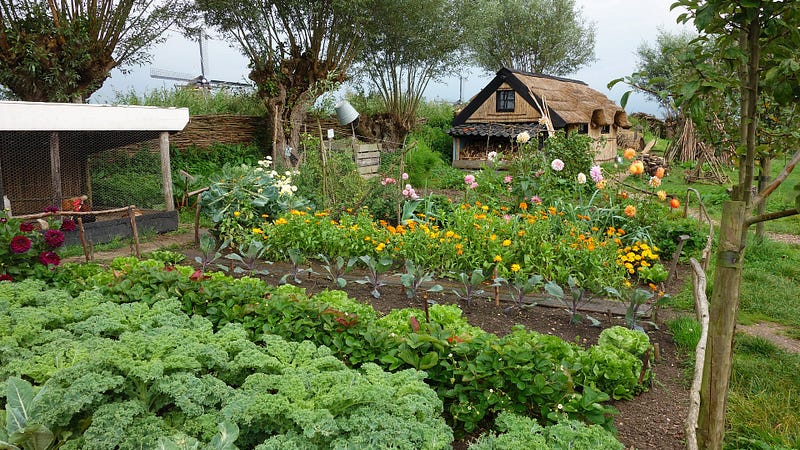
Image by Aline Dassel from Pixabay

I am living in an apartment this year — no garden for the first time in years. I miss my fresh vegetables.

It’s the middle of summer in Texas, and it is hot! Not the best time of year for vegetable production. I went to the local Farmers Market, and there was only one person selling produce, wilted and unappetizing.

After being a full-time organic vegetable farmer for ten years, I know how produce should look and taste, and I can’t find it at the grocery store. Have you bitten into a tomato you’ve purchased, only to find it has no taste? Part of the problem is the commercial varieties, as I talked about in this article.

The other problem is the mineral-deficient soil that produces most of our food. Soil needs to have plenty of organic material, but it also requires essential minerals, both for the health of the plant and that of the creatures consuming the food.

Just as many Americans have adopted either a processed food diet or obsessive confidence in supplements and vitamins, so have farmers and gardeners become dependent on chemical fertilizers.

We can and must return to a ‘feed the soil’ philosophy.

Plants grown in fertile soil, well supplied with nutrients, attract fewer insects and are less likely to suffer from disease. Just as in human health, the goal is to enhance a robust immune system, so we do not need to treat our vegetables with toxic pesticides.

Previous articles have discussed analyzing soil health, the importance of microbial life in the soil, and given an overview of the amendments, we can add to our soil.

At its most basic essence, dirt is ground up rocks, also known as minerals. As we’ve previously discussed, plants need what is commonly called soil, a combination of mineral soil and decomposed organic matter.

Depending on the underlying mineral foundation in our area and the previous use of our soil, we likely need to include additional minerals in our initial amendments.

Fertilizers usually focus on supplying the ‘big three’ nutrients that plants need — nitrogen (N), phosphorus (P), and potassium (K). Other essential elements include calcium, magnesium, and sulfur.

Plants also need small quantities of iron, manganese, zinc, copper, boron, and molybdenum, known as trace elements, because the plant requires only traces. These are available in synthetic, organic, and mineral forms.

Farmers and gardeners that use mineral dust in their soil amendments are surprised by the increased vigor and production of their crops.

I attribute the superior taste of the vegetables on our farm to the wide variety of nutrients we added to the soil, including plenty of rock dust.

Rock Dusts include basalt, lava sand, granite sand.

Along with all the compost and organic material you’ll add to your garden, include volcanic and granite rock sands. They are entirely natural and cannot burn or hurt your plants. Initially, add one pound for every twenty-five square feet of your garden space. Repeat every three years.

Purchase various rock sands individually by looking for bulk mineral sands. If you have a large amount of land to improve, you may save money, picking it up yourself as they are heavy.

For small gardens, there are plenty of suppliers that sell bagged quantities. Look online for dealers near you or have it shipped.

Many gardeners and farmers are using AZOMITE®, a highly mineralized complex silica ore, mined in Utah. It comes from an ancient deposit left by a volcanic eruption that filled a small nearby seabed an estimated 30 million years ago. AZOMITE® contains more than 70 trace minerals, many of which have been depleted from soils worldwide.

For a full line of organically approved soil amendments, including trace minerals, Compostwerks.com, is another good supplier.

Reaching a productive level of soil health and fertility is not hard. I compare it to maintaining a healthy human diet — once you understand the basics of nutrition, it’s not that complicated.

You will be amazed how delicious your vegetables will taste and productive your garden will be with the addition of minerals to your soil. Have fun gardening!

Gardening
Food
Nature
Farming
Health
Recommended from ReadMedium