
Easy to Grow, Intensely Flavored Tomatoes.
Ancient Aztec heirloom tomato may be the best tasting in the world
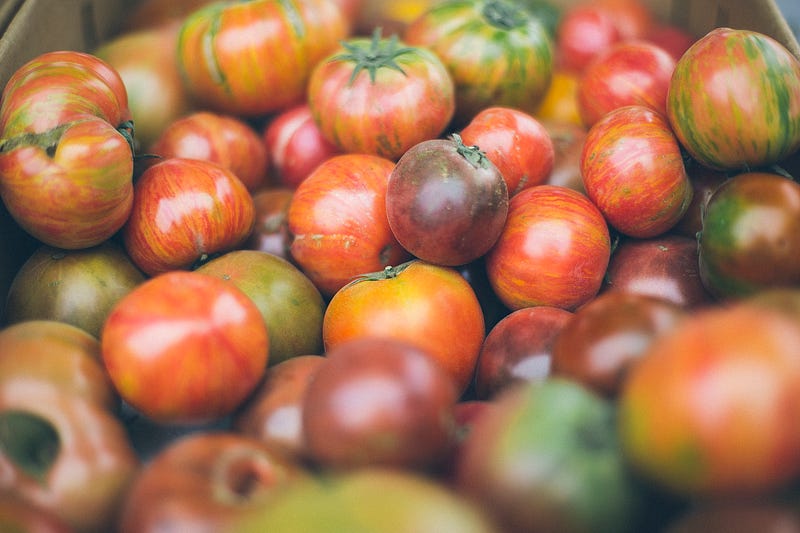
Maybe you can’t boast to your neighbor you grew a 4-pound beefsteak whopper, but if you plant currant tomatoes, you can claim to have the most delicious. I realize that taste is a very personal experience, so I must say in my opinion, but I think you’ll agree.
How did tomatoes lose their taste?
Over 80% of tomatoes in the United States arrive from Mexico. Farmers choose varieties for yield per acre and the ability to resist shipping damage, not flavor. The fruits are picked green and ripened with ethylene gas. Green tomatoes are rock hard and won’t bruise during shipping. I don’t blame the growers — a ripe tomato is more delicate than an egg.
There are about 15,000 varieties of tomatoes, with about 3,000 varieties under cultivation. You will never find the most flavorful or unusual at a grocery store.
For eating, I prefer a sweet tomato rather than one that’s very acidic. At our organic farm in Central Texas, we experimented with a lot of varieties, looking for the perfect balance of flavors.
Heritage varieties such as Black Krim gets rave reviews from chefs and home gardeners. I like this one, “The flavor is intense, with a sweetness that is balanced by notes of acidity, giving it a distinct, slightly salty taste.”
By weight, cherry, grape, or currant tomatoes have more umami.
The most flavorful cherry tomato is my favorite, the incredible Matt’s Wild Cherry, but none compare to the taste of the nearly feral currant tomatoes.
Tomatoes still grow wild in parts of the Andes, their native region. I’d love to taste my way across Peru, Ecuador, and Bolivia, sampling the hundreds of varieties that still grow there.
However, even as a true tomato lover, the only one to make me delirious with pleasure, is a small yellow currant variety, genetically very close to the wild tomato. I’ve lost track of the exact name, but the seeds were labeled as a variety that went back to its cultural roots when the Nahuatl (Aztec) people first bred it.
This unwieldy variety will never be widely available in grocery stores or even farmers’ markets. The plant sprawled eight feet over the ground with spindly stems. The fruits, averaging just three grams, grew in clusters like golden berries. The taste is exceptional, sweet, and a perfect tomato flavor blend of acid and sugar.
Yellow currant tomatoes went rogue.
They escaped cultivation on our farm, and the next year I found them growing in an abandoned chicken yard. Under the high canopy of oak trees, I picked copious quantities all summer long after our field tomatoes had surrendered to the Texas heat.
Being curious about all things vegetable, I began researching currant tomatoes. I discovered that they are a distinct species, Solanum pimpinellifolium, within the same family as the standard tomato.
Currant tomatoes are scientifically valuable as they are closely related to one of the original wild species of tomato, which grows near the coasts of northern Peru. Hence, their DNA has been the starting point for comparing gene evolution within the Solanaceae family.
Although Currant tomatoes are a different species, they will readily cross with standard tomatoes, so if you are saving seeds, plant them far apart from your traditional plants.
These little beauties will never take over the market, so you’ll have to grow them yourself. You can trim the plant to keep it under control; in fact, you’ll get a good yield from one plant in a ten-gallon container.
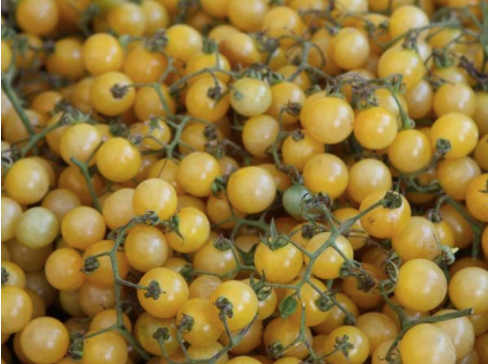
Currant tomatoes are easier to grow than most other varieties. They like well-drained soil of average fertility. Mine seem to have resistance to early blight and most other fungi that plague tomatoes here. They tolerate light shade and will produce from June until frost kills them. I suspect they’d be perennial in a frost-free zone.
To find seeds, be sure to use the scientific name, Solanum pimpinellifolium, and the common name, currant tomato.
What to do with all these fantastic little tomatoes?
Selling our vegetables to top chefs had an unexpected perk, I learned a lot of cooking tips. One tip revolutionized my cooking — the glories of roasting vegetables. I’d lived in New Mexico for twenty years, so I had roasted green chile, but that was it.
Now I know, roast vegetables over an open fire, on a grill, in a skillet, or the oven; but however you roast, it transforms the taste. Since these little tomatoes have tiny seeds and thin skin, you can cook them without the trouble of peeling and the charring deepens the taste.
I guarantee you will enjoy plenty of them fresh, but if you have too many, give this sauce a try.
Start thinking about next year’s garden and make a note to find Yellow Currant Tomatoes.
Authentic Green Enchilada Sauce
For this simple sauce, first, roast all the vegetables.
Heat the broiler of your oven. Spread all these ingredients on a rimmed baking sheet.
1 pound tomatillos, husked and rinsed 1 pound currant tomatoes, red or yellow 4 or more jalapeño or serrano chiles, depending on your preferred heat level. 1 small white onion, sliced 1/2-inch thick 4 to 8 unpeeled garlic cloves, depending on your taste.
Place the baking sheet close to your broiler and cook for 4 to 5 minutes. Once the vegetables look soft and slightly blackened, turn them and cook the other side. You want a slight char on all the vegetables.
Once everything has cooled, slip the skins off the garlic and the peels off the chiles. Put everything in a blender and pulse to a coarse puree — season with salt to taste.
To complete the sauce, heat 3 tablespoons of olive oil over medium heat. Add the puree and reduce by about one third, then add 2 cups of chicken or vegetable broth and 1/2 cup chopped cilantro, if you’re a fan.
This sauce can be cooled and frozen or used for an enchilada sauce with a unique rich flavor.


