
The Amazing Results of Improving Your Garden’s Microbial Life
Learn what to do from the ground up.
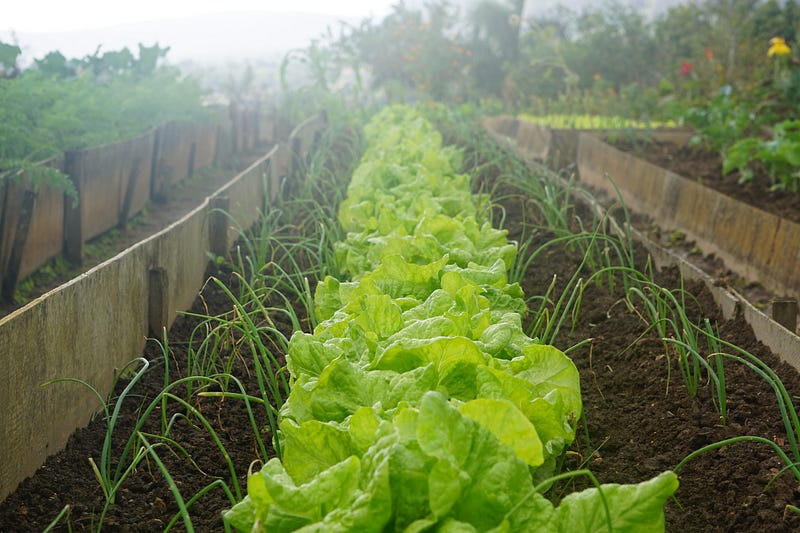
As organic vegetable farmers, we sold produce to some premier restaurants in Austin, Texas. Getting to know the chefs and tasting their food, I learned how many traits farmers and chefs share.
They both know that top-notch results require quality ingredients combined with skill and even finesse.
The chef needs the freshest, most flavorful ingredients. Then they can add their unique touches to achieve the right balance of salt, acid, sweet, and umami to create world-class dishes.
The farmer will say that healthy, productive plants depend on the soil. This soil needs to have the right elements nourishing the soil web and the plants themselves.
Plants depend on the soil, and it must have the proper balance of humus, nutrients, and microorganisms.
Our farm-fresh vegetables were renowned for their taste and keeping quality, which originated in our healthy soil. We took care of the microbes, and they fed the plants.
Feed the soil (really the microbes), and it will feed the plants.
Soil is a complex mixture of minerals, organic matter (the decaying remains of once-living things), water, air, and countless organisms.
When I was a beginning gardener, I thought I was feeding the plants. I would dutifully mix up some potion and carefully pour it on the roots, oblivious to the tiny residents of the soil and their requirements.
The soil needs bacteria living in it, which performs a similar function to the human microbiome that helps digest food.
These helpful microbes even produce vitamins and minerals and prevent diseases by crowding out and killing infectious bacteria.
Life on earth depends on the soil. One handful of soil contains more organisms than there are people on the planet. These organisms decompose the organic material and are responsible for many other processes, especially making nutrients available to plants.
The entire process of fertility management includes what you do to increase the organic matter in the soil, its biological activity, and nutrients.
Many scientific studies have shown that soil microbes play a critical role in growing healthy crops and increasing plant yield. While most soil contains some bacteria capable of cycling nutrients, plentiful microbes will improve plant growth and maximize yields.
They do this by increasing nutrient availability, preventing pathogens, and stimulating plant growth. These bacteria perform a similar function to the human microbiome that enables our body to process food effectively.
What does microbial life need to flourish?
Dirt is dead soil that has lost the ability to support life. You can rehabilitate it, but as it is, it won’t support healthy plant life.
Bacteria are the most abundant microbes, oxygen-loving species are the ones we hope to encourage in our vegetable and flower gardens. Some bacteria are fragile and die in a couple of days of extreme heat, while others are tough.
But all aerobic bacteria need:
- a food source; organic material.
- some moisture.
- oxygen.
- no chemical pesticides.
- a soil that is neither overly alkaline nor too acid.
- contains major and trace minerals.
When we remember that we are creating a habitat for microscopic creatures, soil improvement makes a lot more sense.
Adding compost to your garden every year is essential.
When no plants are growing, always keep some moisture in the soil by watering occasionally or placing a thick layer of mulch over the top of the earth.
Avoid compacting the soil, which reduces the amount of air in the soil.
pH measures the acid/alkaline balance of the soil. Vegetables prefer an ideal of 6.5 but will do alright between 5.5 and 7.7. Before you attempt to modify the balance of your soil, get a soil test. This test will also reveal any mineral deficiencies and make suggestions to improve the soil.
Each year, as you care for and improve your soil, the microbial life will increase, and so will the productivity of your garden.
You will genuinely be growing from the ground up.