Military Coups
Main Reasons Behind the Military Coup in Myanmar
Understanding the chronology of events that led to this coup. The inseparable role of the military from the politics of Myanmar. The main international reactions and future consequences.
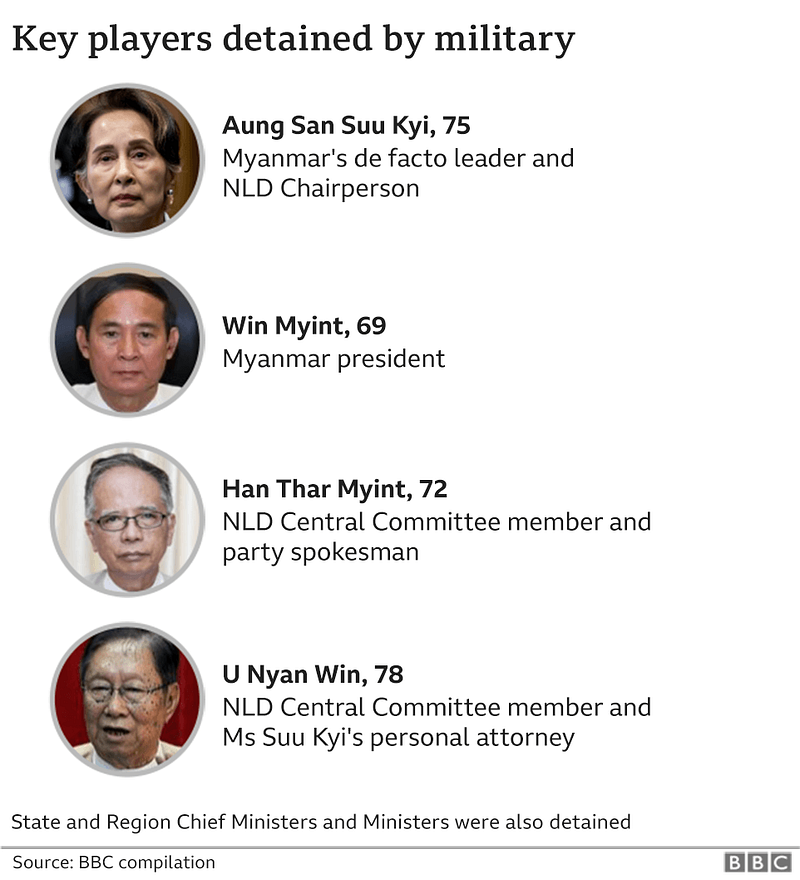
On 1st February 2021, the world woke up to the shocking news that a Military Coup was staged in Myanmar and the power was seized by the Military. Early in the morning, an emergency was declared and the internet was cut. Myanmar’s icon Aung San Syu Ki and many members of the ruling party was detained as well many cities were captured and are presently under Military control. It was under the leadership of General Min Aung Hlaing, the entire coup was staged. Myanmar has always been in the news for negative reasons lately, which includes the Rohingya exodus, insurgencies etc.
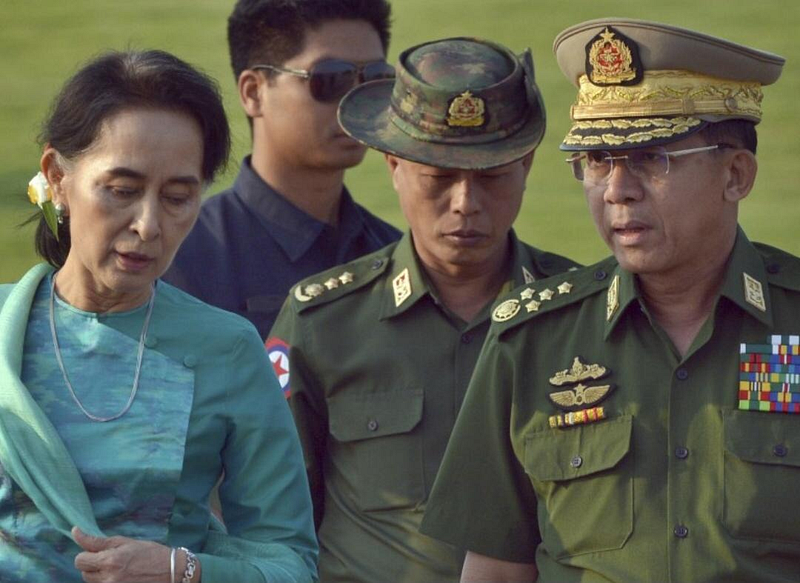
Why did this happen? What is are turn-up of events?
The complex history of the Military in politics
Just like any country in Asia or Africa, the military has a vital role in local politics. Unlike countries like Pakistan, where Army pokes the civilian government from behind, in Myanmar, the Army also called as Tatmadaw is always at the forefront. From 1962 to 2011, Myanmar was under strict Military Dictatorship. Activists were kept under detention, there was censorship on media etc.
Aung San Suu Kyi was a student at Delhi University and her father was a prominent activist. Aung San Suu Kyi later got married to a British man and got settled in the UK, until she was called back to Myanmar to lead the fight.
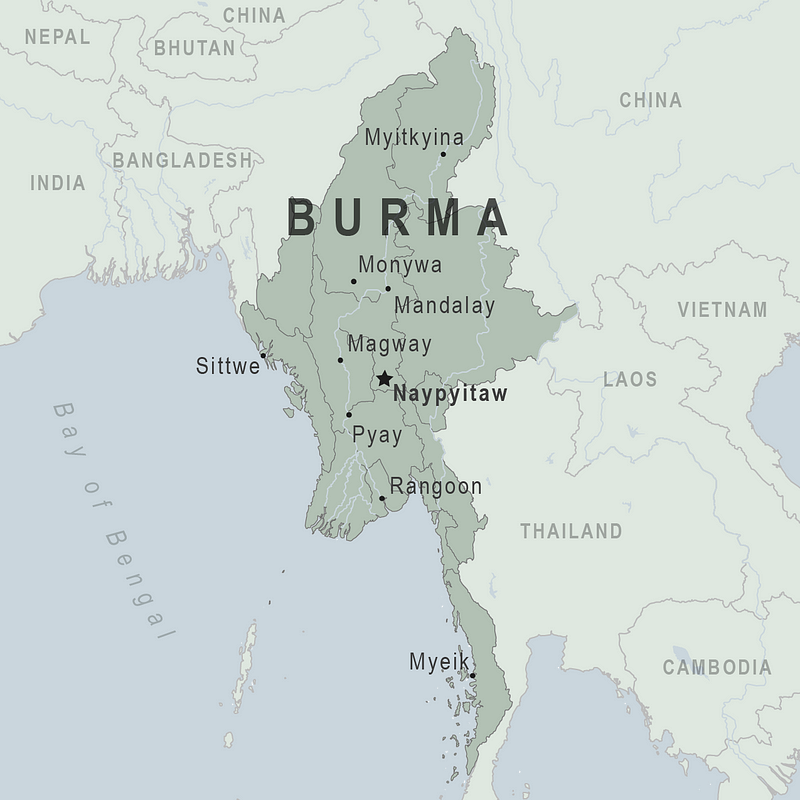
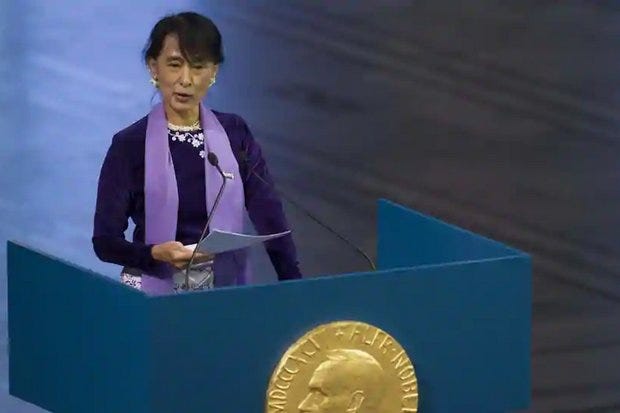
A new constitution was brought up in 2008, where the military would reduce its powers and open up for transition. Despite that move, the military ensured that the General will still have a say in the Governance. National League for Democracy (NLD) party, did not accept the constitution and boycotted 2010 elections. It was in 2012, that Myanmar decided to free many of its political prisoners and democratic activists. The most popular of them was Aung San Suu Kyi, the icon of the NLD party. It decided to contest the elections and accept the 2008 constitution too. Everything seemed really good and the peace was beginning to arrive in Naypyitaw. It was then, when — received the Nobel Peace Prize too. [Source for the paragraph]
NLD contested and won the 2015 elections, signalling that transition to democracy was possible. As per the constitution, 25% of the power rests in the hands of the military and 75% with the elected Government. It was in 2017 when the Myanmar military crackdown on Rohingya community of more than half a million in the state of Rakhine. They were forced to leave the country for neighbours like Bangladesh and India. This exodus faced widespread criticism from the global community, the United Nations, and various International Organisations. This moment was a big backlash for the Myanmar military internationally but that didn’t change the domestic politics as the Military gave a clean chit to itself. Contrary to the popular belief, Rohingyas are of many religions.
As per the 2008 Constitution, the President of the country will not have a foreign spouse or children, thus disqualifying Aung San Suu Kyi from being the President of the county. This move is claimed as a tactical one by the military to keep her away from the power. The military later floated Union Solidarity and Development Party also known as USDP as the main contender to NLD.
The main reasons behind the coup of 2021
The first team of NLD as the ruling party was over in 2020 and the nation was up for elections. The general elections to the Upper and Lower houses were held on 8th November. The ruling NLD party under the leadership of Aung San Suu Kyi received a massive victory while the USDP received a massive set back. The military-backed opposition did not accept the results and demanded re-election.
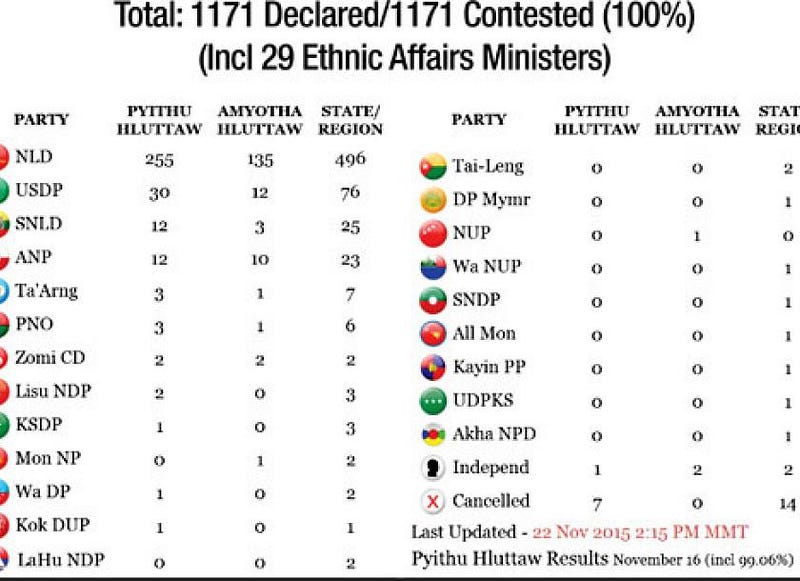
The military claimed widespread voter fraud in the elections which led to internal friction in the country. The Myanmar Election Commission has rejected the voter fraud allegations and questioning of the election outcome. This was quite similar to Donald Trump’s allegations of voter fraud and stolen elections. Ironically both of these happened in the same time frame. Most reports even show how unpopular Aung San Suu Kyi was amongst the ethnic minorities as well as turning out to be quite dictatorial in nature. This also comes the fact when she herself went to the International Criminal Court (ICC) on the Rohingya issue to defend the country and the army against the allegations. She had also suggested multiple changes to the 2008 constitution which was then vetoed by the military which if passed would have reduced the power of Tatmadaw.
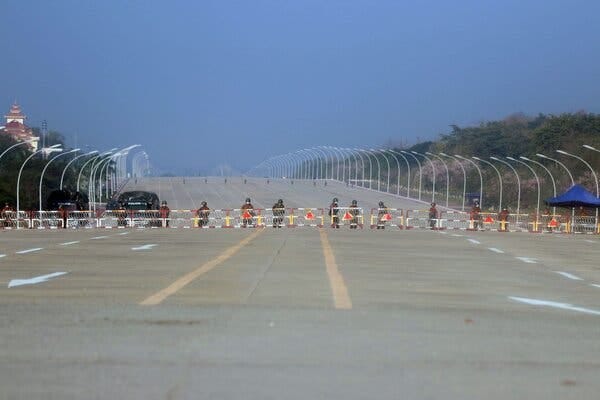
The newly elected Parliament was about to convene in the capital of Naypyidaw on 1st February which would have given legitimacy to the elections. The military at all cost wanted to disrupt the convening of the Parliament. Another idea was included which is adopted from Trumpism, ie. to storm the Parliament and disrupt the democratic process. The military never wanted a strong democratic contender challenging it and that probably could be the main reason for the coup.
The day of the Coup
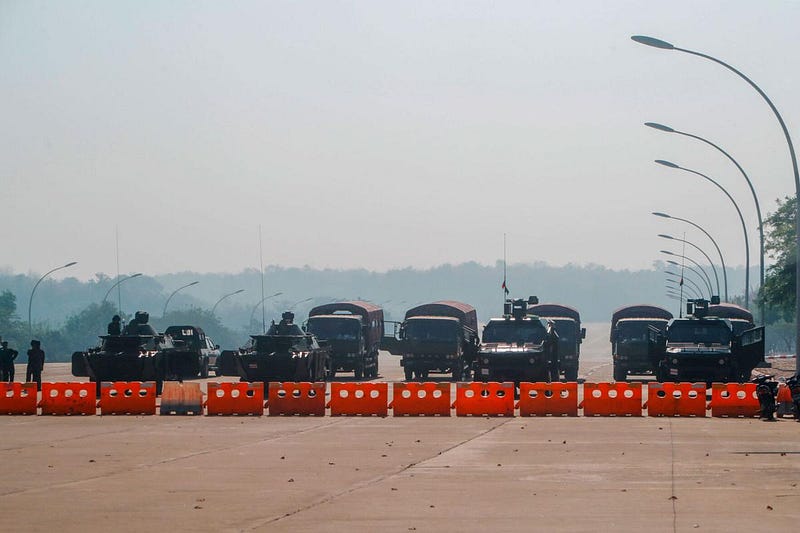
Media reports clearly show that the coup attempt was preplanned by the Tatmadaw. Starting from midnight, internet shutdown and cutting off phone lines across various cities were reported. TV channels and radio went off the air. Activists and political leaders were arrested by the officials, including NLD leader Aung San Suu Kyi. Military vehicles and troops took control of various cities. The general ordered the declaration of emergency for a year from then. The Military has declared that it will promise free and fair elections to the public after the coup.
NLD party has demanded the release of political prisoners and also requested the population to reject military rule and restore democracy. It is highly unclear how far has this message went down to the public. It is still true that the nightmare of military dictatorship will be back in the minds of people and Tatmadaw might face a wave of strong public anger in future. Aung San Suu Kyi now faces charges by Police and is expected to put sent to prison. Tatmadaw has later decided to probe the 2020 elections for voter fraud.
Public reaction and anger
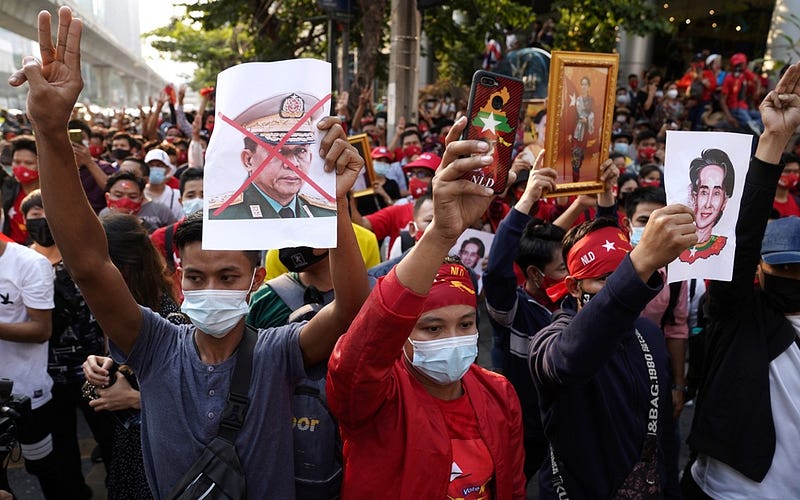
Videos and media reports suggest that there was support for both sides. Supporters of Tatmadaw took a rally in the city of Yangon celebrating the coup. Doctors and health workers refused to comply with Military orders. Students, Civil servants, and people of various walks of lives are in civil disobedience. Public staying within their homes made noise with utensils and vessels showing their support for the jailed leaders. Protests have also taken place in various cities across the globe.
As far as massive protests like Hong Kong and Russia as we see, it will be very difficult to organise as the military is strong and there are massive restrictions on their freedom. There is no doubt that the population is anxious about their future and there is no way that they could express it. Now the internet is shut down, WhatsApp and Facebook stand blocked too.
International reaction
This instance has been making big headlines this week on the International Media. The last two months were quite eventful as far as the global community is concerned. The world order is dramatically shifting as Biden Administration transition had begun in December. The changes in the Middle East and now in South East Asia is a real challenge for the Western world. The US effect on the world is showing as ripples in different countries as well.
The main reaction came from the United States under the Biden Administration threatening Economic sanctions on Myanmar for the coup attempt and the arrest of political leaders. It was followed by the statements from the United Nations and the UN Security Council (UNSC) requesting the restoration of democracy. The G7 Nations has given a strong statement to reverse the actions taken by the military.
The main effect of this coup will be in the neighbourhood as Myanmar is not a major global player nor is a regional player. The biggest hegemony in the region, China has deemed that the coup is an ‘Internal Affair’ of Myanmar. At the same time, along with Russia, it tried to block the UNSC condemnation as well as warned the Liberal western nations against the imposition of sanctions. China has also dismissed the reports of its involvement and support for the coup attempt. The Global Times newspaper of the CCP in their editorial requested the Western nations to stay away from Myanmar and not to add fuel to the fire. At the same, it explains that coup as a result of a fraudulent election system that it had copied from the west. It also asks the western nations to stop calling it a “coup”.
All the semi democratic ASEAN neighbours- Thailand, Cambodia, Philipines reacted that this is an internal matter of the country. The same was also followed by democratic nation of Singapore.
India another important neighbour and regional player reacted quite cautiously. It stressed that the Rule of Law and Democratic process must be upheld as per SCMP. It also said that it is watching the situation closely. India as we know has had a cordial relationship with both civilian and military in the past. So having a balanced and cautious relation is in the best interest for India. Japan also has made similar statements on the issue. This is also something to be noted as these are two big US allies in the region as well as two strong democracies.
Bangladesh which is an important neighbour and has given refugee to over 700,000 Rohingyas now fears over more crackdown on the Rohingyas and which might lead to more influx into the country. The country has increased the border vigilance for now and has condemned the military coup.
As far as Myanmar is considered, it has hit back to all those countries who have reacted negatively as it is exclusively “an internal affair”. It is quite normal for authoritarian countries to rub off anything and everything as “internal matter”. China as we know will be the biggest gainer amongst the international community. Also to be noted that China was amongst the only few nations to have backed Myanmar on the Rohingya issue. China has a lot of stakes there as well, especially the China-Myanmar Economic Corridor which is part of the Belt and Road Initiative. This is also an important geopolitical issue in the region.
As for the International analysts, Myanmar will be the main test for Biden Administration as it will decide how far will the US will go ahead in protecting Democracy and work against Authoritarian Governments.
Conclusion
As of now, we know that freedom of the local population, the internet connection, etc. are stake. The political leaders are under detention. The Military is in power. It is hard for us to predict the future of the country for now. But let us hope that democracy and rule of law are prioritised. We must respect the people’s mandate at the same time hear different voices and concerns. Resolve these concerns and restore the faith back in the system.
Also Read
I have started a Telegram Channel which will contain the record of all my articles. Follow my personal blog for behind the scenes and informative content.


