Why Asian Airlines Have More Crashes
In the cockpit, formalities can kill.

We are hearing more and more about how we should learn to let go of our innate obsession with pleasing others in order to quit being a slave to our fear of causing upset, and to do whatever it is that we need to do (within reason…) to be fulfilled and feel ourselves.
Sometimes, even politeness can kill.
This is all well and good — and an important message for our personal development no doubt. But wait, it’s more than that.
Some disturbing research shows that in certain cases, our inescapable urge to conform and a culture of obedience and submission can have potentially lethal consequences.
A Plane Crash Waiting to Happen?
For example, one particular theory has shed light on a possible sinister reason why certain airlines have higher rates of crashes than others.
Did you know that on average, East Asian airlines have higher crash rates? What could this mean? Worse quality aircrafts? Worse trained pilots?
Not quite. This simply isn’t the case. The answer lies in culture.
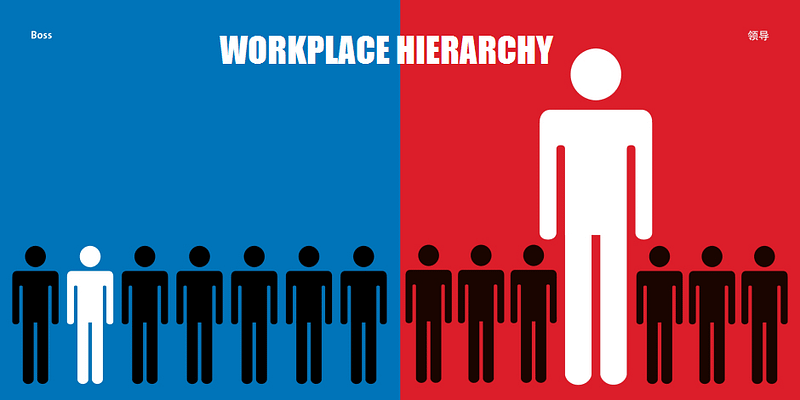
As you may already be well aware, it’s a common theme among many East Asian cultures to remain respectful to authority and to obey orders from those more senior that you — whether in terms of age or professional status — without question. This may raise a few eyebrows as it slots in uncomfortably with the racist and sexist fetishisation of East Asian women, and the stereotype that they are “submissive” as well as (of course) “exotic”…
But although this harmful and degrading stereotype is most likely related to the phenomenon that I am getting at, I am not referring to this specifically here. Rather, both men and women alike — within certain East Asian cultures such as Chinese, Japanese and Korean — are often raised to obey rather than to lead; To fit in rather than to stand out.
Cockpit Culture
I talk a lot about culture in my articles. But here’s a phrase you dont hear thrown around so often. “Cockpit culture,” as you may well expect, refers to the culture and dynamics between those at the cockpit of an aircraft.
That’s right — though we may not want to think about it once we fasten our seatbelts and prepare for take-off, there are real-life, imperfect humans at the helm of the vast steel contraption we find ourselves placing our trust in. And these individuals, quite literally, have our lives in their hands. But, just like in any other profession, worryingly abstract things like variation in personality types and cultures still come into play with how people do their jobs.
The Korean airline, Asiana, is a striking example of how our culture has a dramatic impact on our readiness to voice any concerns and challenge authority when necessary. If you are a westerner, you may not hesitate to call someone out when you see a fault — no matter what their status or ranking may be. (Of course, this also depends on your own unique personality type — a microculture within a culture, if you will.)
According to author of bestselling book Outliers, Gladwell:
‘What [Asiana] were struggling with was a cultural legacy, that Korean culture is hierarchical… You are obliged to be deferential toward your elders and superiors in a way that would be unimaginable in the U.S.’
Imagine the co-pilot sees an incoming disaster, but instead of jerking into their rehearsed emergency response right away, their number one priority is respect for their superiors. Something holds them back from acting or speaking out straight away, or with the required assertiveness.
Maybe I got it wrong anyway, they may rationalize. I am “below” them after all. I should wait for their command… They know best.
As such, they instead try to gently and respectfully let the point be known —if at all — even though time is very much of the essence.
When Multiculturalism Gets Complicated
This culture clash isn’t exclusively relevant to the aviation indistry, of course. I’ll be the first to sing the praises of multiculturalism and sociocultural integration. However, in order for us to thrive as a multicultural society, we must be realistic about the challenges that this cultural mixing and overlapping proposes.
From the question of religious or modest dress, to our conflicting ideas around gender, spirituality, and animal welfare — there are many areas where our perspectives clash, discussions of which often end in fireworks (the bad kind).
Between individuals, this is already apparent— but between cultures, ideologies can vary even more so. Unquestioning obedience to authority is just one example of this among many. Many of which, we are still discovering only now, as we become an increasingly globalized society with an increasingly diverse mix of cultures living alongside each other.
And so, as a result of increasing cultural diversity in all workplaces — as well as public and social settings, we are entering into a new realm of diversity of cultural and behavioral differences that need to be looked at if we have any hope of allowing this multicultural ideal to work…
Whether someone deems something acceptable or not, and whether they feel entitled to challenge authority when something doesn’t look right to them, can vary drastically — depending on not only their upbringing and personality — but also their general cultural background.
Sure, some people appear to be natural “people-pleasers’’ — and go through a criminal amount of stress before they speak about their own needs or suffering. Meanwhile, others are naturally more adept to speak their mind. Those in the second camp are the people who may be more likely to challenge a request or regulation if it challenges their own values or perception of the situation — rather than sitting quietly and assuming that someone else must know better, as the first camp may do.
The Bottom line
I came across this “cockpit culture” phenomenon while writing a book for a ghostwriting client on workplace cultures, and couldn’t help but explore it further on here. I believe this issue starts with workplace cultures, but then goes far beyond that — touching on the topics of psychology and sociology that are relevant to every single thing we do.
This particular example of how culture-derived good intentions and hesitancy can cause harm sparks points for further discussion surrounding how we are all subject cultural norms and personality quirks that affect our day-to-day lives and performance.
Granted, this cultural influence may not necessarily end up as such a life-or-death scenario, but almost everything we do or say has some sort of knock-on effect on others — whether we realize it or not.
Sometimes, even politeness can kill.
So there you have it: even more reason to be true to yourself and to speak your mind. If not for yourself than for the other people who could benefit greatly from your ideas and leadership.
Roxanna is a half British- half Iranian content writer and advocacy consultant specialized in human rights, identities, health, and welfare. With a languages degree from King’s College London, a Master’s in European Studies from the London School of Economics and Political Science, and a background in political PR and human rights advocacy, she strives to increase visibility and encourage debate around ethical and sociocultural issues around the world.
Twitter: @roxannayasmin