
White People Will Never Get Sick and Tired of Racism Because They Benefit
The privilege feels too good to let go
Imagine strolling into a densely wooded area and discovering a tree stump. As curiosity creeps in, you decide to add up the dark rings inside to determine how old the tree is. You can trace each year of the tree’s life; it came from a long chain of seeds, saplings, and mighty oaks. Like trees, people come from an unbroken line of humans. While we do not have rings to count, we record the year of our birth just like a mighty oak tree. Like trees, we connect to the people and systems which came before.
When considering socioeconomic status, people often forget to count the dark rings around our American tree stump. They think their station in life is due only to their hard work, failing to recognize that most people are hardworking. People inherit wealth, privilege, and socioeconomic status.
When white and or wealthy people see a person of lower status, they often attempt to justify their place in the social hierarchy. Perhaps they think they are more creative, talented, or hardworking than people with less money. Similarly, they believe their parents have money because of their hard work as well. Somehow, they justify that their hard work is worth more than the baker, the construction worker, or teacher. In embracing the merits of their superiority and privilege, they attempt to place a wedge between their status and the community’s social ills.
They think that poverty results from a lack of intelligence or resourcefulness. Others consider themselves mediocre and thus do not attribute their station in life to anything malignant. Wealthy people in general and white people in particular often deny the power bestowed onto them. It is easier to think of themselves as superior or mediocre, opposites. Ironically both of these perspectives avoid the obvious — we all wield power, and those with privilege are culpable for systemic inequities.
If we found the tree stump reflecting our nation, it would tell the real story. Each event in history is part of a long chain connected to the lives and communities we share today. To understand our modern social hierarchy, people should acknowledge that hard work is only one drip in the ripple of reality. Race and sex are more significant determinations of status than a good work ethic. However, many people seem willingly unaware of the power they possess.
It seems to me that obliviousness about white privilege, like the obliviousness about male advantage, is kept strongly inculturated in the United States so as to maintain the myth of meritocracy, the myth that democratic choice is equally available to all. Keeping most people unaware that freedom of confident action is there for just a small number of people props up those in power and serves to keep power in the hands of the same groups that have most of it already (McIntosh, 1990).
Many white people remain in denial about white privilege. They can maintain their power if they always deny having it. Having a Black friend, family member, or respected colleague does not disavow their white privilege. Each white person benefits from the color of their skin by receiving social and systemic benefits. Our educational, criminal justice, healthcare, and banking systems need to account for systemic inequities. Ironically, many white, as well as wealthy people, oppose addressing systemic racism.
Privileged people want to believe that each person gets a fair shake in life. Sipping espresso while wearing cashmere sweaters, they think that they honestly deserve everything they have. In thinking they earned their station in life, they also feel that impoverished people and minorities need to work harder to be like them. This type of character will say, “I donate to a charity every year. You know, I never owned slaves. I am definitely not a racist person. No one has done more for Black people than me.”
They think that being racist is a life-long title., refusing to acknowledge that each person has the power to change. Just because you have the privilege and misused, it does not mean you have to continue to do so. Without acknowledging the benefits they wield, privileged people will continue to justify their socioeconomic status, enjoying the advantages of a white-dominated racist system.
The term ‘privilege’ refers to the unique advantages that a particular group has. While white people never asked for the privilege, it is not something they can abandon. In America, their skin color provides them with better treatment, and feeling uncomfortable about this will not change their privileged status. Americans need to understand that privilege is both subconscious and omnipresent.
I was taught to see racism only in individual acts of meanness, not in invisible systems conferring dominance on my group(McIntosh, 1990).
Some white people are conditioned since childhood to think of themselves as mediocre. While they may think of themselves as just a regular white man or woman, they are far from it. While all white people benefit from an anti-black system and have white privilege, they control how they wield their power. One need only consider the difference between white abolitionists and white confederates; decisions define us.
We cannot separate ourselves from American history. As a Black woman, my lineage ties me directly to the chattel slavery system. I exist and write using Standard English because of the dominance that Europeans exhibited over centuries. Every American knows that Europeans are not Indigenous. Still, few discuss how brutal their power-grab was — even Europeans who came through immigration benefit from a system built for their benefit.
After hundreds of years of thankless hard work, Black families had to watch immigrants come into the country at higher socioeconomic status. Their relative success was not because they were savvier; instead, the system provided them opportunities deprived of African descendants of slavery. White people never relinquished power, and thus, we cannot discuss Black economic disparity without understanding that it results from white privilege.
Understanding privilege is paramount to dismantling a white supremacist system. If someone wants to live in a color-blind society, they must first eliminate the structures that make race relevant. They must first understand white privilege and how it operates. Now it is time for us to analyze this stump to know how each person’s livelihood is impacted by more than hard work or effort.
Poor white people have privilege too
When discussing privilege, many white people assert that their hardships make them underprivileged. While it is true that poor white families have fewer opportunities than their wealthy counterparts, they maintain privilege over Black people of any status. Americans should reflect on the nature of privilege; it is relative. A white woman has more power than a Black woman or man but less power than a white man. While everyone has their cross to bear, it pales in comparison to Black people’s disparities. Instead of arguing they are not privileged, they should consider how they can use their systemic advantages to benefit society.
Impoverished white people often think that if the American government uplifts Black people, they will suffer and be left behind. They fail to recognize that African Americans deserve restorative justice; they derive from a system of enslavement. For centuries, slave owners forbid them from reading, writing, and gaining equity. The abuse was horrible but more relevant to the matter; it placed debilitating, lasting restraints on Black communities. What they see as an advantage is an attempt to account for these abuses.
I could write an entire book on the inequities relevant to the matter. However, we should consider a meaningful one that everyone can appreciate. Within the criminal justice system, African Americans are 5.9 times more likely to become incarcerated than white people. A poor white man is much more likely to receive a fair trial. This disparity and all the little differences that define our existence perpetuate privilege. While we should all consider ways to diminish the bigotry in the system, it does not change the fact white people walk around with a golden ticket. Wouldn’t you want to be 5.9 times less likely to become incarcerated? If life were a video game, this would be considered a bonus.
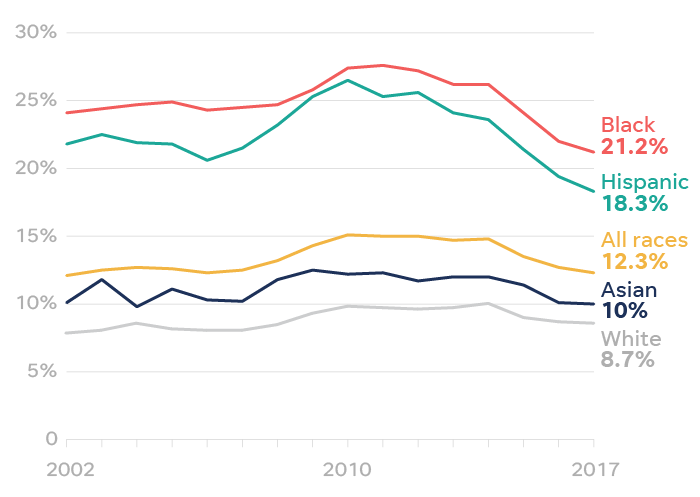
In America, Black people are more than twice as likely to live below the poverty line. When we analyze the tree stump, we can see that this economic disparity links directly to the chattel slavery system. When white people think they deserve the benefits they have in their lives, they become active participants in a white-dominated system.
Black poverty rate more than double white rate
We might at least start by distinguishing between positive advantages, which we can work to spread, and negative types of advantage, which unless rejected will always reinforce our present hierarchies (McIntosh, 1990).
Like McIntosh brilliantly lays forth in her essay, we must unpack the invisible knapsack of white privilege. It refers to the advantages that they receive and the benefit of negative advantages, such as not getting stopped and frisked. Many white poor people hold on to privilege because it is all they have left. Perhaps this explains the dynamic of many impoverished white people voting against their best interests.
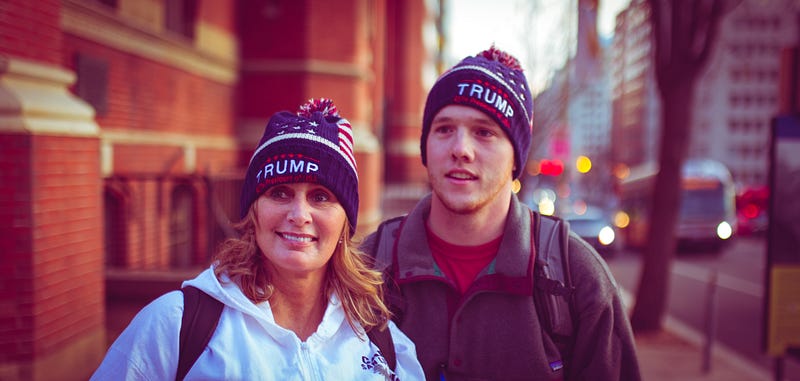
The majority of Trump’s base consisted of non-college-educated whites. Economists revealed that they make less money than their college-educated white counterparts. This group stood to benefit from expanded Medicare, COVID relief checks, rent relief, and increased unemployment benefits during the pandemic. Yet, the majority of them rejected these policies. Despite their disparity, they drank the Koolaid.
Books like The Inheritance, Hillbilly Elegy, Strangers in Their Own Land and What’s the Matter with Kansas? have also tried to capture the essence of this changing working class and why these voters have drifted to the right — and at times, voted against their own economic interest (O’Connor, 2020).
While Black people and impoverished whites would benefit from many of the same policies, their perceived white superiority obscures judgment. In failing to acknowledge their privilege over Black communities, they lack the moral hiatus to address American oligarchs. Until they understand their privilege over others, they will never fully grasp the injustice of those who benefit from immense wealth.
The On the Plate comic explains wealth privilege
Any American who entered a fast food restaurant had to make some critical decisions. Sure, they had to decide which high-calorie foods to spend their money on, but they also receive the age-old question — “Would you like that supersized?” While each of us can choose whether we want or need jumbo fries, white people do not have to ask. They are born with supersized privilege, with white men receiving the most fries without anyone needing to ask them.
Perhaps considering how wealth proves privilege would be a good start for white people who do not like the idea of acknowledging their privilege over minority groups. A New Zealand cartoonist created a brilliant depiction of privilege. Within the comic, he explores the lives of two babies. While each person is born equal, people do not receive equal opportunities.
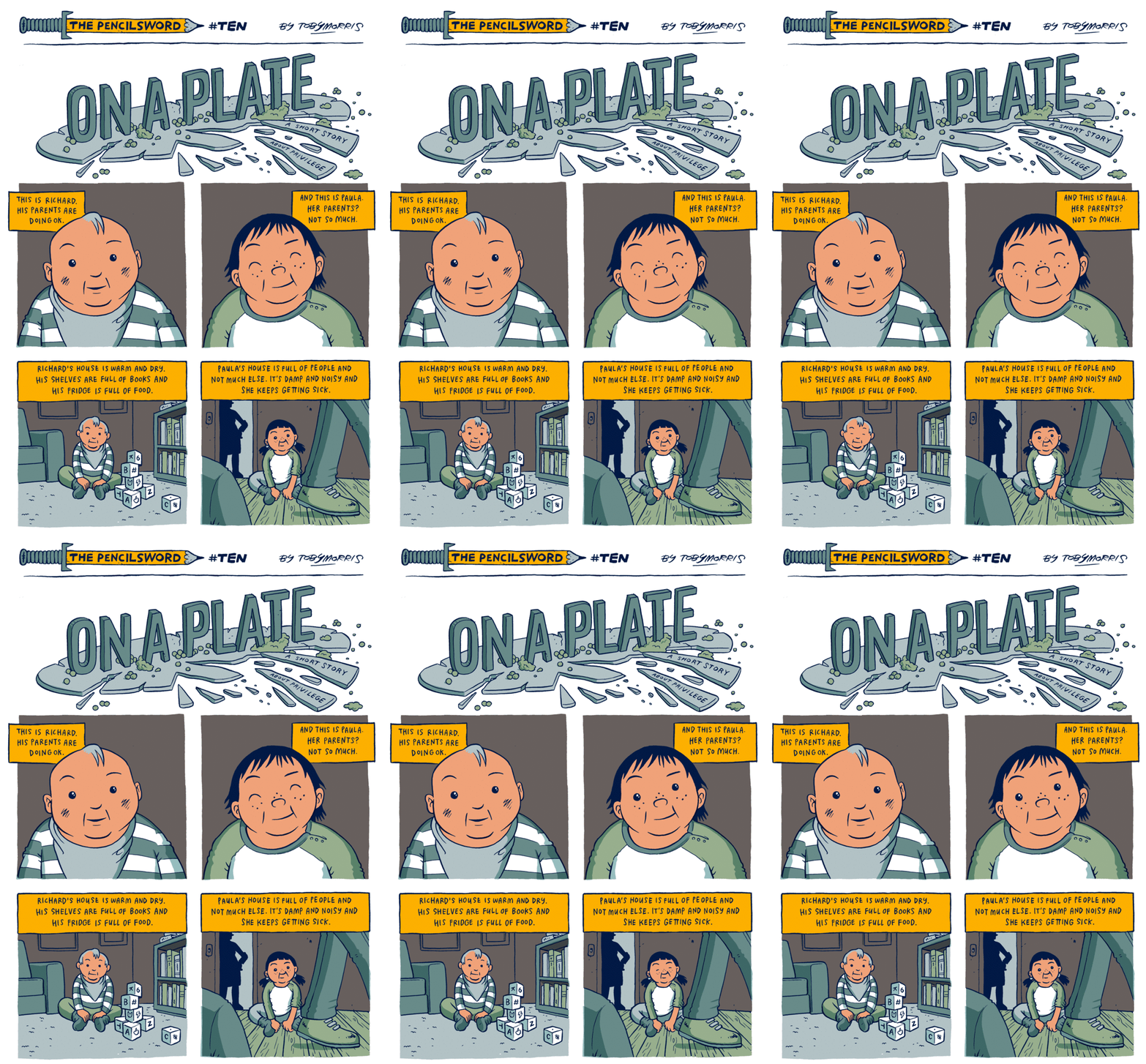
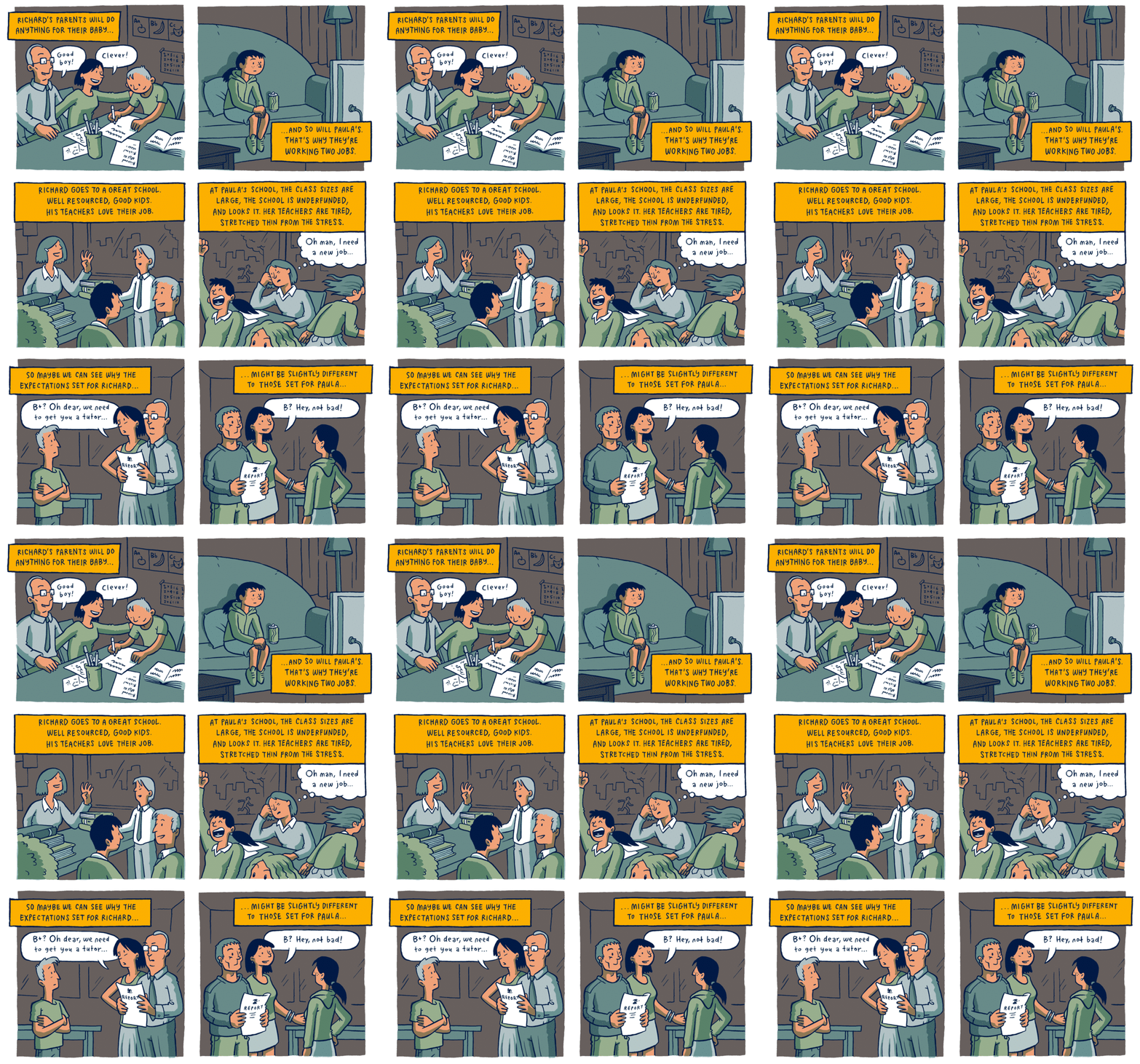
Richard and Paula both have parents who love them and would make any necessary sacrifices to ensure they have opportunities to grow and thrive. However, they were born into a system that gave Richard more opportunities to live safely and clean home. While attending school, Richard’s parents help him study, and when he receives a B+, they have the money to hire a tutor. Paula’s parents must work multiple jobs to afford their home, and they do not have extra money for a tutor. She received a B, and her parents praised her hard work. While Richard and Paula both made decent grades, Richard gets a lot of help. Paula’s parents have to work, and they lack the resources to give her any additional support. Her parents cannot always fill the fridge with food, but she admired her parents’ hard work.
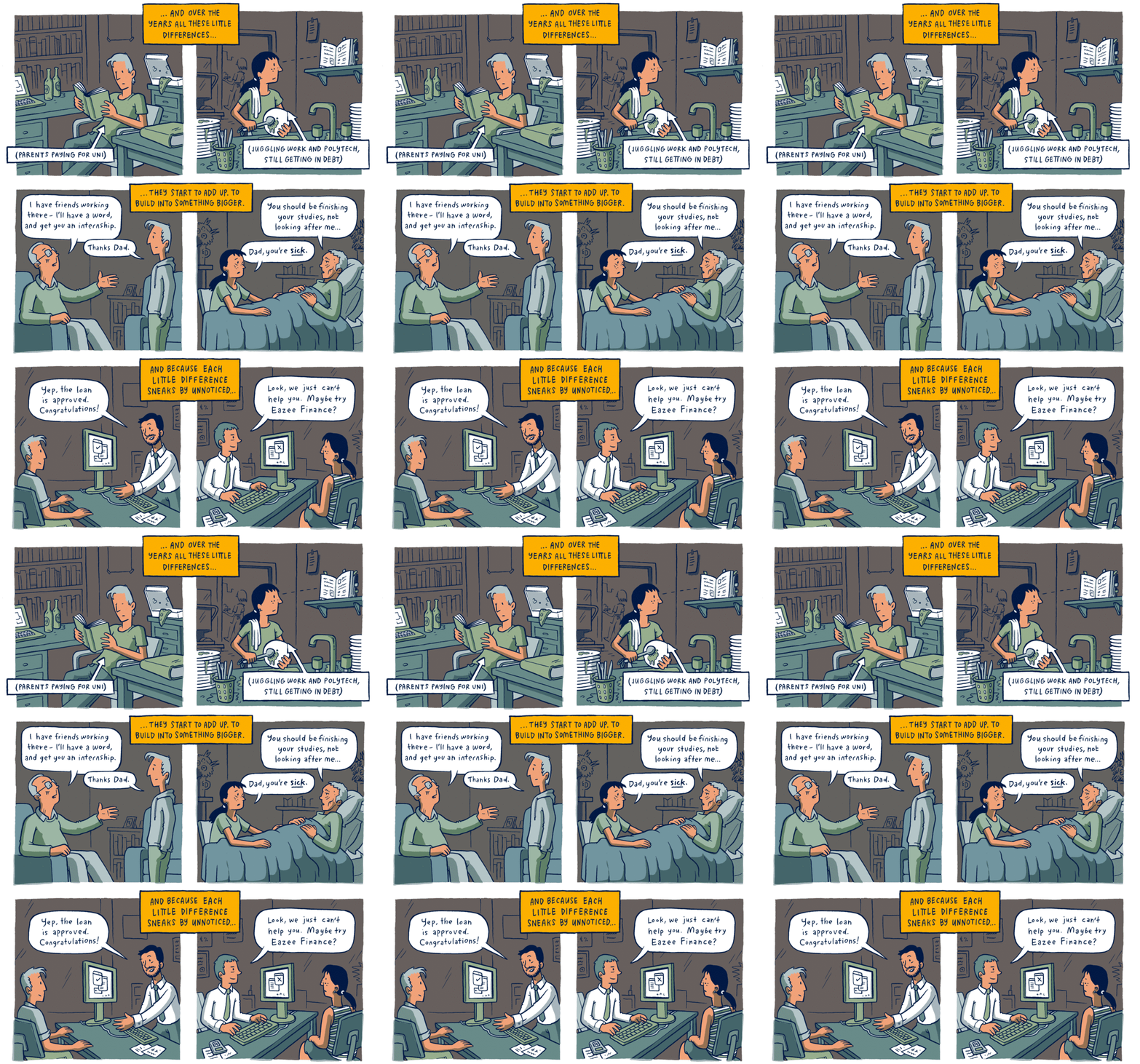
The artist Toby Morris highlighted the difference in health between their fathers. While Toby’s father maintains his health and can offer his son, Richard, a fantastic job opportunity, Paula’s father feels ill and lacks the sociopolitical clout to help his daughter. His life of working hard and being deprived of equal access to healthcare has finally taken its toll. Her fathers’ illness causes Paula to endure the stress that Richard does not. She must balance showing care for her father and making it through school and finding a job. While wealthy people also get sick, they have better access to doctors who can address their health problems.
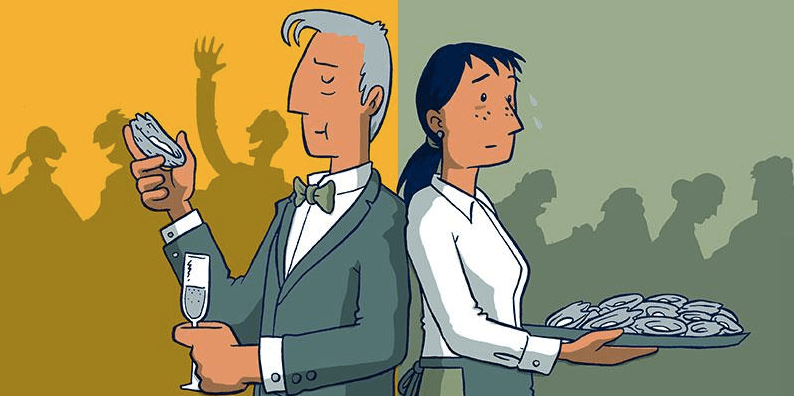
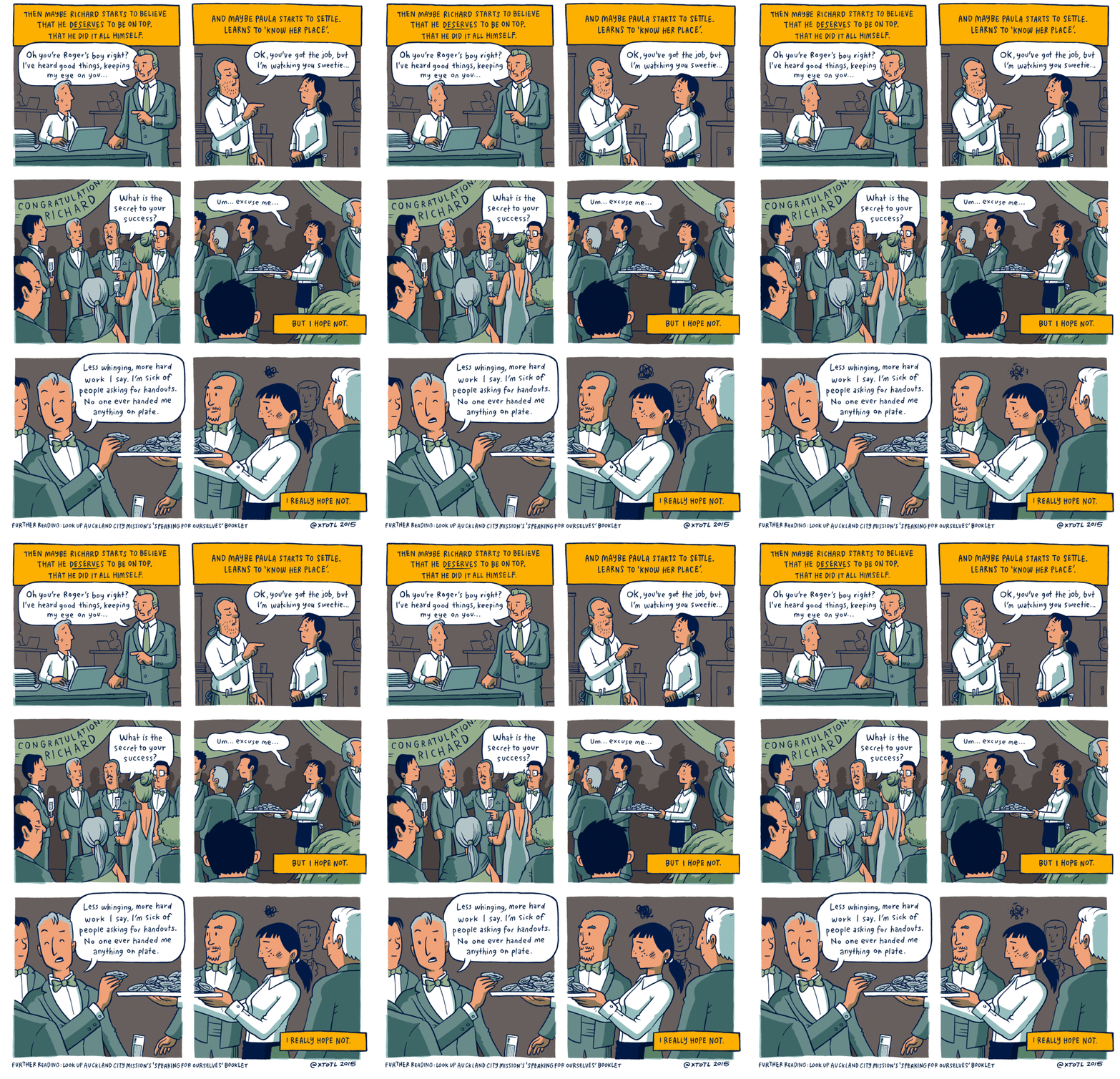
When Richard starts his job, his managers expect him to do well and respect his father’s contributions throughout his life. However, Paula’s manager makes her feel lucky to have found a job at all. Her family’s hard work ethic seems irrelevant in her station. Her employer treats her like an underling. When she serves raw oysters, she finds herself confronted with Richard and his colleagues at a party. His privilege rears its ugly head as he starts to believe his status resulted from his hard work. Paula sees the tragic irony but lacks the sociopolitical clout to disagree with Richard’s insistence and tone-deaf statement, “No one ever handed me anything on a plate,” all while receiving raw oysters on a plate. Wealthy people often accuse poor ones of asking for a handout, unwilling to admit the help they received to obtain their socioeconomic status.
After reading this brilliant comic, we can see that privilege does not make someone blatantly cruel, but rather passively so. Different life experiences keep privileged people oblivious about the lack of opportunities provided to others. While Richard thinks people should stop asking for handouts, his entire life is the culmination of privileges. His parent’s wealth gave Richard a built-in privilege; Paula did not receive his birthright’s advantages.
Perhaps Richard would change his perspective if he knew about Paula’s life, but that is wishful thinking. After all, wealthy people, just like most white people, do not want to give up their privilege. It feels so good to have nice things and live a good life, and they justify having it all by saying they are either superior or so mediocre that they have no benefits at all.
White women benefit from white privilege
I think whites are carefully taught not to recognize white privilege, as males are taught not to recognize male privilege (McIntosh, 1990).
Women face so many disadvantages in American life, driven by the patriarchal system. However, most white feminists fail to realize that patriarchy and racism go hand in hand. White women have privilege over Black women and women of color. While many facilitate a movement driven by a desire for equal pay, no white women ever mounted a fight to ensure that women of color make the same amount as the first. They cannot acquire equal pay for all women while ignoring that they already make more than women of color. To fight the dynamic that oppresses them, white women must first acknowledge they already stand on top of others.
Many think that because white men abuse them and set up a system to oppress them, they should only punch up. However, the stagnation of the feminist movement derives from its inability to address racism. Some feel angry when someone considers them to have privileged but white tears cannot change facts.
After I realized the extent to which men work from a base of unacknowledged privilege, I understood that much of their oppressiveness was unconscious. Then I remembered the frequent charges from women of color that white women whom they encounter are oppressive. I began to understand why we are just seen as oppressive, even when we don’t see ourselves that way. I began to count the ways in which I enjoy unearned skin privilege and have been conditioned into oblivion about its existence (McIntosh, 1990).
White women must acknowledge the privilege they have over others, or else they will always lose their war against patriarchy. Black women and women of color want all women to receive equal treatment. However, if their idea of equality means uplifting white women as they continue to march on top of our heads, it is not worth supporting. The feminism movement is ill-prepared to combat patriarchy because it never unified its ranks. Until white women acknowledge that Black women need advancement, they will continue to throw stones will living in a glasshouse.
Researchers indicate that Black women are 3 to 4 times more likely to die during childbirth. This year, women rejoice as they await Kamala Harris’s ascension, breaking an American glass ceiling by becoming the first woman Vice President. However, many remain unaware of her hard work in fighting against Black maternal mortality as a Congresswoman. In May 2019, she introduced the Maternal Care Access and Reducing Emergencies (Maternal CARE) Act. Republicans blocked the bill. I guess wanting Black women to survive childbirth is a political matter for them. However, some white Congresswomen supported the bill. Elizabeth Warren and Amy Klobuchar are notable allies on this list; they ran for President the following year. Sadly, these women do not reflect the majority of white women who oppose Democrats and their progressive policies. Americans often judge governance by what gets done but fail to realize all of the blocks put into place, maintaining structural inequality.
It should not feel that difficult to get support to increase Black women’s health outcomes, but it is. In recent months, I read many mainstream news articles about white women outraged over the nomination of the pro-life judge, Amy Coney Barret. However, none of these same women advocated with the same vigor to fight systemic inequities in healthcare, which would keep more Black women alive. White women have the privilege of prioritizing reproductive rights when Black women deal with a system that disregards their very lives. What good is reproductive freedom when you cannot survive the ordeal?
Modern women’s movements have to shift priorities to address the raw disparity of women who are most disadvantaged in our society. In gazing down at the American tree stump, we can see that the feminist movement places white women at the center. Their approach is problematic because white women are not the most in need. In fighting against misogyny and not misogynoir, they commit to failure.
Even though white women are underprivileged compared to white men, they need to stop focusing only on their struggles. Uplifting Black women help all women. They live in a country where women receive better healthcare, and access to opportunities safeguards women’s role in democratic systems. Anti-black racism does not operate in the same way that sexism does. A Black woman experiences misogynoir, not just misogyny. Her experiences always rest at the intersectionality of racism and sexism. Those who cannot address their privilege are unqualified to ask men to handle theirs.
Since racism, sexism, and heterosexism are not the same, the advantages associated with them should not be seen as the same. In addition, it is hard to disentangle aspects of unearned advantage that rest on social class, economic class, race, religion, sex, and identify that on other factors (McIntosh, 1990).
White privilege is the unseen hand of white supremacy
White privilege is the getaway driver of white supremacy. He wants to feign innocent when the cops come even though he benefited from the robbery. Likewise, white people feel innocent in a racist system because they did not enslave Africans personally. However, the tree stump tells the whole story, not just the pleasant parts. Their privilege directly ties to anti-black racism. The outstanding schools they attend, the healthcare they receive, and their income all expose their advantage.
Whites are taught to think of their lives as morally neutral, normative, and average, and also ideal so that when we work to benefit others, this is seen as work that will allow ‘them’ to be more like ‘us’ (McIntosh, 1990).
In American culture, white privilege is dangerous because it does not present itself like a gunshot wound. It is more discreet, like cancer creeping into society. The disparity will not expose itself until it’s too late to address. White people do not see the shackles, so they keep telling Black people they are free and have equal opportunities. However, that is just a pleasant lie to make themselves feel innocent. The truth is, no white person is entirely innocent because their very lives give them privilege and superiority over others. For a white person to become ethical, they must work to dismantle the system. Otherwise, they bask in their superiority and thus further codify racism.
In my class and place, I did not see myself as a racist because I was taught to recognize racism only in individual acts of meanness by members of my group, never in invisible systems conferring unsought racial dominance on my group from birth (McIntosh, 1990).
When you see Black people living in disadvantaged neighborhoods, they suffer so that white people can enjoy the privilege. Many white people want to complain about their hard lives, not realizing that they still benefit from their skin color. White privilege is the most dangerous aspect of white supremacy because you cannot point to a boogeyman like an abusive officer or Klansman. Instead, it takes the careful introspection of white doctors, lawyers, bankers, teachers, and neighbors. To dismantle a racist system, white people have to feel more comfortable admitting their role in the white supremacist system. Only then can they feel confident in their ability to create lasting change.
Looking ahead
To redesign social systems we need first to acknowledge their colossal unseen dimensions. The silence and denials surrounding privilege are the key political surrounding privilege are the key political tool here. They keep the thinking about equality and equity incomplete, protecting unearned advantage and conferred dominance by making these subjects taboo. Most talk by whites about equal opportunity seems to me now to be about equal opportunity to try to get into a position of dominance while denying the systems of dominance exist (McIntosh, 1990).
Most white people will never give up their privilege because it feels too good to benefit from housing, healthcare, education, and the criminal justice system. They justify their socioeconomic status by insisting they and their parents worked hard for everything they own. Even poor white people maintain a higher socioeconomic position than Black people. They say they have no privilege even though poor white women are more likely to survive childbirth and make more money and less likely to suffer from domestic violence or get pushed out of educational programs. Likewise, poor white men also have privilege over Black men. White men are less likely to be incarcerated for the same crimes committed by Black men. They make more money, hold disproportionate political power, and are less likely to be homeowners. White men have the privilege of officers treating them as innocent until proven guilty instead of guilty until proven innocent.
At the beginning of this article, I asked you to imagine analyzing a tree stump in the woods. If you took this journey, perhaps you learned a bit more about white privilege and the system that gave birth to unearned benefits. However, anti-racism is a choice and takes effort. My friends could tell you that I am not a reformer. Nevertheless, those willing to participate in introspection will be the most equipped at dismantling the white supremacist system that provides privilege to white people and disadvantages to Black people and people of color.
Acknowledging white privilege would mean white people would have to do something about it. Still, the tree stump of American society shows how connected we are. Each person remains uncontrollably connected to others, and thus, we all have a social responsibility to dismantle the system. We cannot change the dark circles of our collective past, but we can chart a brighter future. While it would be nice if white people admitted they received advantages in every facet of their lives, I doubt most would give up their privilege. It feels so good to receive benefits acquired through racism. White people are unlikely to give up racism because they have benefits and no consequences for maintaining inequities.
The question for me and others like me is whether we will be like them, or whether we will get truly distressed, even outraged, about unearned race advantaged and conferred dominance, and if so, what we will do to lesson them (McIntosh, 1990).
Curated Articles about Race, Equality, Women, and Culture:
References:
McIntosh, P. (1990). White Privilege: Unpacking the Invisible Knapsack. Retrieved November 15, 2020, from https://www.racialequitytools.org/resourcefiles/mcintosh.pdf
O’Connor, B. (2020, November 02). Who exactly is Trump’s ‘base’? Why white, working-class voters could be critical to the US election. Retrieved November 16, 2020, from https://theconversation.com/who-exactly-is-trumps-base-why-white-working-class-voters-could-be-key-to-the-us-election-147267