
When Life Hurts! Part II
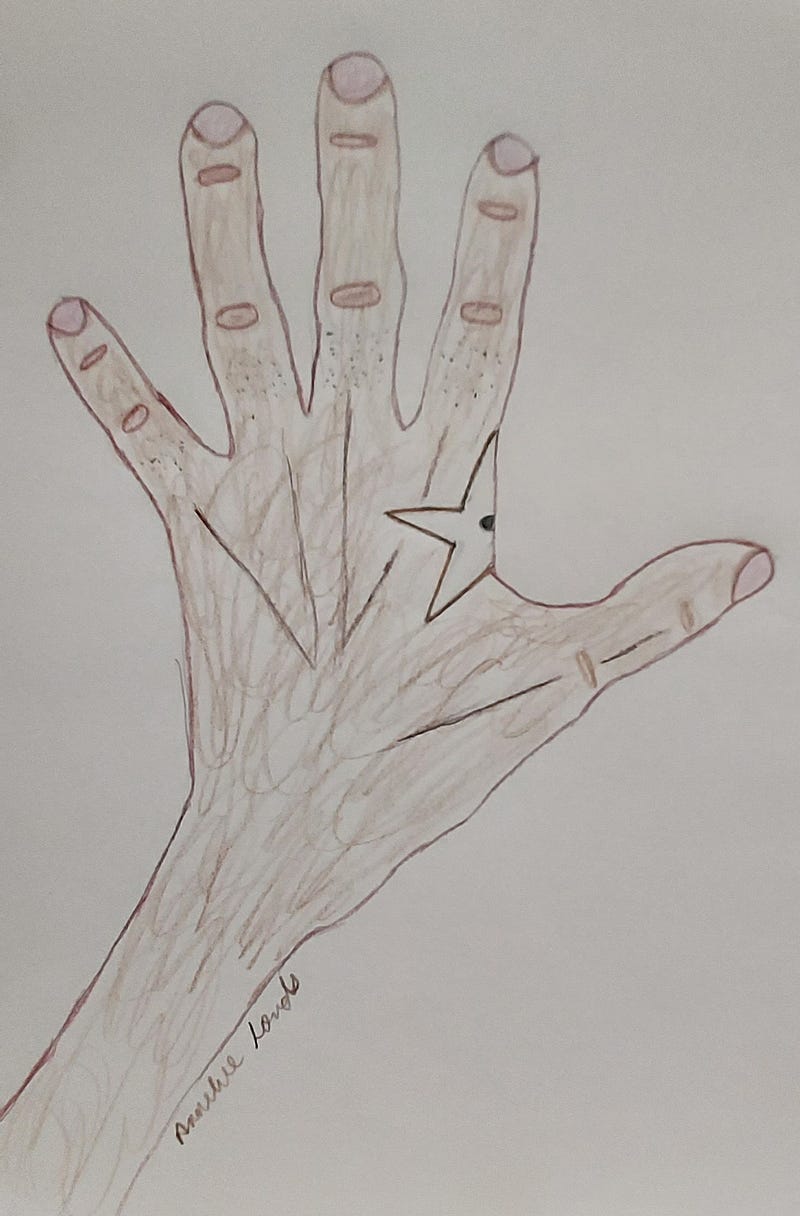
Suddenly, the old lady reached out and grabbed Clara’s left hand, staring at the half-star birthmark with half of a mole in the center!
Inspired by Fatunla Samuel Take It Up Literally Now, So You Don’t Have To
Ever lost someone to silence?
Clara felt something squeezed her heart, then said, “I will donate blood for her.”
“Do you know your blood type?”
“No.”
“Someone will come for you and take your blood and information,” she said walking away.
A few hours later, after giving blood, Clara was led to her room. She was hooked up to an IV in her left hand and other machines.
She smiled as Clara eased closer to her almost whispering, “Thank you for saving my life. But why?”
Easing closer to her bed, taking her free right hand, she squeezed Clara’s hand, smiling.
“At fourteen, my life was shoved on a ledge. I was about to follow it when I heard a voice say . . .” Clara paused waiting for the pain. When none came, she went on, “When life hurts, and becomes too difficult to handle alone, keep on speaking about it until someone hears. The moment you stop, so will life!’”
“I was invited to speak to a group of delinquent girls at your community center, but I don’t remember you being there,” she said softly smiling, staring into Clara’s eyes.
“It wasn’t my community center,” Clara recalls. “I didn’t live in that area.”
As she attempted to ease up, Clara pulled her hand from her grasp and helped her to sit up, stuffing two pillows behind her back,
“Then what were you doing there?”
“I lived with an abusive cruel mother and ran away from home. I was in the tower where they had a bell and was about to jump off when your powerful, lifesaving words stopped me.”
Her eyes darted away as she blinked. Clara recognized the pain as it dipped below the surface again, and then she shared in regret, “It’s amazing how we speak to inspire, uplift, encourage, and motivate others. They listen, hear, heed our words, but we don’t. We speak powerful words that we can’t hear ourselves,” she shared as the weight of the regret she carried in her heart interfered with her breathing. She paused, eyes on Clara, breathing slowly. One of the machines she was connected to made a tiny beep.
Nurse Lindsay’s words knocked at the door of Clara’s brain, ‘She did stop speaking.’
“If you save one life, that means you are doing something good” Clara motivates. “You saved mine.”
“What’s your name?’ she asked.
“Clara Ingram,” she responds, blinking twice as her left eye itched. She used her left hand to rub her eyes.
Suddenly, the old lady reached out and grabbed Clara’s left hand, staring at the half-star birthmark. Then massage the half-large black mole that sat in the center of her half-star birthmark on the edge of her skin between her thumb and index finger. Glared at Clara as if she recognized her. As shock and fear change the color of her iris, her thumb swiftly eases back and forth across Clara’s birthmark.
She let out a deep wail that set the machine she was connected to off. As the machine screamed calling the nurses, she held on tightly to Clara’s hand screaming, “She was telling me you were alive! She said you were alive! And I didn’t listen!”
Paralyzed by fear and shock, several nurses had to pull Clara away from her as she screamed, “You are alive! You are alive! You didn’t die like they said!”
“When life hurts, and becomes too difficult to handle alone, keep on speaking about it until someone hears. The moment you stop, so will life!’”
Please listen with a third ear. See with a third eye, and if you wear glasses, add another one to see more. Mental health issues are on the rise. You could save a life just by paying attention and listening.
Enjoy and be inspired by our latest book of inspiration and hope.
Thank you for reading this piece. I hope you enjoy it and will savor more from some talented writers on this platform, whose links are below.
Feast on more from Dr. Gabriella Korosi
Savor more from Hermione Wilds Writes
Taste more from Elvie Lins