avatarAisha

Free AI web copilot to create summaries, insights and extended knowledge, download it at here

5274

Abstract

s 1 doctor for every 250 people In Afghanistan…………. there is 1 doctor for every 3,520 people In Mali………………….. it’s 1 doctor for every 7,190 people And in Burkina Faso…… <b>it’s 1 doctor for every 16,666 people</b></p><p id="1cb3">And if these countries cannot respond to physical illness, the gap for mental health services is certainly going to be even greater.</p><p id="5d74" type="7">We talk about mental health like it is an individual issue, and it is, but every nation is affecting the mental health of their citizens based on their relationship with emergency management.</p><p id="0aad"><b>Why is it important to include mental health in Emergency Management? </b>With climate change, emergencies are only going to increase in frequency. And we cannot be mentally scared every time we hear about this, and mentally scarred after.</p><p id="09ff">When people feel secure that they have resources and that their sense of safety and security will not be stripped away if something does happen, it really helps.</p><p id="8c86">Let’s explore this on the ground level - for instance, in shelters after disasters hit. We try to focus survivors on plans, on how they will move forward. Because it’s very easy when what you have is taken away, to be so disillusioned that it’s hard to take even one step forward.</p><p id="69e3" type="7">The danger is not only that they are homeless for the moment, but that they will remain so because they cannot recover. Their sense of safety is stripped away and it’s incredibly difficult to get back</p><p id="f5db">Strong emergency management systems is not a fix for mental health issues, but it certainly contributes and we need to start talking about this.</p><h1 id="3842">Preparation is always key</h1><p id="e385"><b>What can we do to be better prepared? </b>There are reasonable parameters for individual preparedness. No one person can be prepared for everything. But it’s often startling to see what people grab when they have to leave their house quickly — not medicines or important documents.</p><p id="628c" type="7">Someone was once seen running out from a house on fire with a marble statue and no pants!</p><p id="db91">The great thing about emergency management is that it doesn’t have to exist just within the defined government parameters.</p><p id="e893">Families can have emergency plans, neighbourhoods, counties — the more we feel prepared, the more we stay focused on solutions in chaos.</p><h1 id="0c06">Ask yourselves this…..</h1><p id="29b5">1 <b>Are you prepared on an individual level? </b> Where are your important documents? Do you have a medicine stockpile? Some cash just in case? Do your kids know where to go to evacuate?</p><p id="013a"><b>2 Is your community prepared? </b> If not, is there a way you can help it do so? Do you know of any neighbours with specific skills (medical, construction, etc) that can build up an emergency roster?</p><p id="ed2d"><b>3 Is your government doing enough to prepare? </b>Consider the local, state/province, national levels<b> </b> Can you lend your voice to advocate for better emergency management training for decisions makers or more resources allocated beyond response to preparedness, mitigation, recovery?</p><p id="80a6" type="7">It might seem like a bad time to prepare — in the middle of a global emergency. But while our failures are fresh, now is the time to make sure we don’t repeat them but learn from it.</p><h1 id="7bce">About the author</h1><p id="534d">Many thanks to <a href="undefined">Dr Mehmet Yildiz</a> for interviewing me as a new creative writer of ILLUMINATION</p><div id="971e" class="link-block"> <a href="https://readmedium.com/interview-with-aisha-bfe665f1a2cf"> <div> <div> <h2>Interview with Aisha</h2> <div><h3>Featuring creative writers of ILLUMINATION</h3></div> <div><p>medium.com</p></div> </div> <div> <div style="background-image: url(https://miro.readmedium.com/v2/resize:fit:320/1*ROAiNNNbwy9RcWhZrD4f6Q.jpeg)"></div> </div> </div> </a> </div><h1 id="354d">Further reading</h1><p id="62cf">As a new writer, I’ve been keen to explore various topics and writing styles. Have a look at some of the other articles I’ve published recently and please feel free to share your thoughts! It’s always great to learn from feedback</p><div id="6d67" class="link-block"> <a href="https://readmedium.com/photography-meditation-integrating-the-paths-of-photography-and-meditation-2ffbe1342c5"> <div> <div> <h2>Photography & Meditation: Integrating the paths of photography and meditation</h2> <div><h3>Views of 3 professional photographers in Barcelona</h3></div> <div><p>medium.com</p></div> </div> <div> <div style="background-image: url(https://miro.readmedium.com/v2/resize:fit:320/1*VSvZRYpGTAoNPJ7m9I2RyA.jpeg)"></div> </div> </div> </a> </div><div id="20e3" class="link-block"> <a href="https://readmedium.com/power-of-water-4250deb4453e"> <div>

Options

       <div>
            <h2>The Power of Water</h2>
            <div><h3>We explore the power of water; From white water rafting in Costa Rica, to Wim Hof 20 day cold shower challenge in…</h3></div>
            <div><p>medium.com</p></div>
          </div>
          <div>
            <div style="background-image: url(https://miro.readmedium.com/v2/resize:fit:320/1*Sw-2RJRlz-iL5KsXG46MSA.jpeg)"></div>
          </div>
        </div>
      </a>
    </div><div id="8f19" class="link-block">
      <a href="https://readmedium.com/involvement-with-your-breath-545f6230ea3e">
        <div>
          <div>
            <h2>Involvement with your breath</h2>
            <div><h3>A deep involvement with your breath will teach you more than your mind can imagine, here are just 7 points to get you…</h3></div>
            <div><p>medium.com</p></div>
          </div>
          <div>
            <div style="background-image: url(https://miro.readmedium.com/v2/resize:fit:320/1*4ljWVOgnZgBmJn84tw3LSQ.jpeg)"></div>
          </div>
        </div>
      </a>
    </div><p id="55e8"><b>Explore the mental health topic further with these amazing writers</b></p><p id="58aa">This article from the <a href="undefined">Shine</a> community is a great read</p><div id="e39e" class="link-block">
      <a href="https://readmedium.com/the-mental-health-impact-of-covid-19-we-arent-talking-about-fb3e5a312e44">
        <div>
          <div>
            <h2>The Mental Health Impact of COVID-19 We Aren’t Talking About</h2>
            <div><h3>Could there be an upside to the mental health impact of this virus?</h3></div>
            <div><p>medium.com</p></div>
          </div>
          <div>
            <div style="background-image: url(https://miro.readmedium.com/v2/resize:fit:320/1*DI8RVCTA6PxtaUQMOXNs-g.png)"></div>
          </div>
        </div>
      </a>
    </div><p id="8d85">Appreciate this article, <a href="undefined">Jennifer Nelson</a> talks about her personal struggles</p><div id="a23d" class="link-block">
      <a href="https://readmedium.com/mental-health-care-shouldnt-be-so-difficult-and-expensive-471a8d3ee309">
        <div>
          <div>
            <h2>Mental Health Care Shouldn’t Be So Difficult and Expensive</h2>
            <div><h3>There are too many barriers to care for those of us who struggle with our mental health.</h3></div>
            <div><p>medium.com</p></div>
          </div>
          <div>
            <div style="background-image: url(https://miro.readmedium.com/v2/resize:fit:320/0*IhThlUg5iR0Y6e3w)"></div>
          </div>
        </div>
      </a>
    </div><p id="f854">Another mental health issue is domestic abuse and I wish anyone in this situation finds the strength to see what <a href="undefined">Tree Langdon ♾️</a> expresses in her article</p><div id="809b" class="link-block">
      <a href="https://readmedium.com/please-believe-me-when-i-tell-you-4a931a7d5ca2">
        <div>
          <div>
            <h2>“Please Believe Me When I Tell You”</h2>
            <div><h3>Red Flags ‘a Flying</h3></div>
            <div><p>medium.com</p></div>
          </div>
          <div>
            <div style="background-image: url(https://miro.readmedium.com/v2/resize:fit:320/1*IIj8cVZg5VHCwzqEcMOxJQ.png)"></div>
          </div>
        </div>
      </a>
    </div><p id="cf78">Very much appreciate some key points being made by <a href="undefined">Dr. Patricia Farrell</a></p><div id="7e30" class="link-block">
      <a href="https://readmedium.com/mental-health-covid-19-the-untreated-consequences-including-psychosis-may-be-devastating-f928e1053f4f">
        <div>
          <div>
            <h2>Mental Health &amp; COVID-19: The untreated consequences including psychosis may be devastating</h2>
            <div><h3>Coughing, struggling to breathe, body aches, and fever are only some of the classic symptoms of the COVID-19 virus…</h3></div>
            <div><p>medium.com</p></div>
          </div>
          <div>
            <div style="background-image: url(https://miro.readmedium.com/v2/resize:fit:320/1*UnAACgbTUvkEFEfxuWkXZg.jpeg)"></div>
          </div>
        </div>
      </a>
    </div><p id="5ec4">A personal account by <a href="undefined">Laura Fox</a> is greatly insightful</p><div id="bf18" class="link-block">
      <a href="https://readmedium.com/maintaining-my-mental-health-during-the-covid-19-outbreak-d46312b283d7">
        <div>
          <div>
            <h2>Maintaining My Mental Health During the COVID-19 Outbreak</h2>
            <div><h3>When self-isolation and social distancing means I cannot use my usual strategies, it’s hard to know where to turn.</h3></div>
            <div><p>medium.com</p></div>
          </div>
          <div>
            <div style="background-image: url(https://miro.readmedium.com/v2/resize:fit:320/0*o9v3hms6W1vuJG2k)"></div>
          </div>
        </div>
      </a>
    </div></article></body>
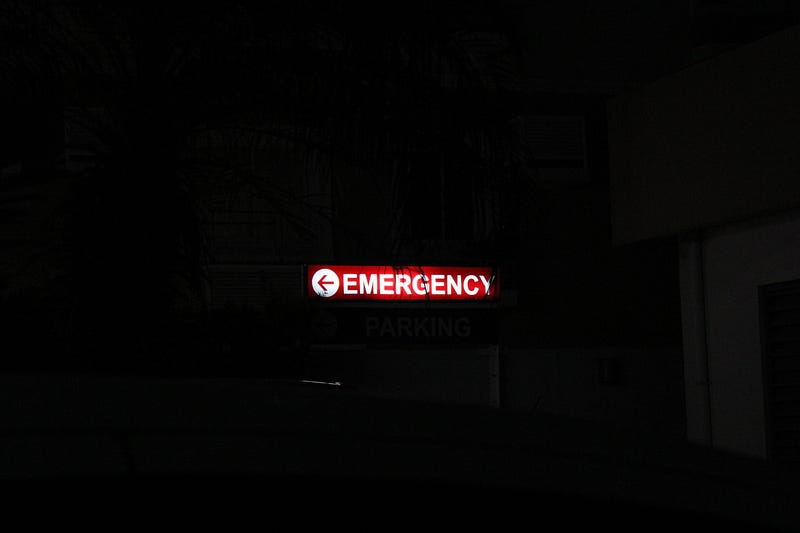
Photo by Jake Espedido on Unsplash

Does Emergency Management affect individual mental health?

Interview with an emergency management specialist

Most people affected by an emergency will experience a state of panic. Unless we have been trained not to panic (either through work or life experiences), we aren’t going to act from a place of clarity. We all remember the early days of COVID-19, with the panic-buying in our local supermarkets.

But people with mental health issues are especially vulnerable during emergencies. As stress can trigger new issues while exacerbating existing ones. Dr Tedros Adhanom Ghebreyesus, Director-General of the World Health Organization said:

“The impact of the pandemic on people’s mental health is already extremely concerning. Social isolation, fear of contagion, and loss of family members is compounded by the distress caused by loss of income and often employment.”

The level of stress that takes its toll during an emergency is very clearly evident in what has recently been reported by The Jakarta Post:

“Over 1,200 people killed themselves during 74 days of lockdown in Nepal”

What more evidence do we need to understand the impact of emergencies on our mental health. This is a clear indication that during an emergency there is an urgent need to invest in mental health care services.

Many thanks to Christina Handle for her contribution. Christina is an emergency management specialist who has several years of experience, both at the national and international level. During this interview, she has kindly shared some fascinating insights.

Emergency Management basics

What is Emergency Management? Emergency management is the infrastructure for addressing a crisis by the allocation of responsibilities and resources.

Levels of Emergency Management A country’s emergency management resources can be held at various levels, such as at the local, state or province, and national level. When a country is unable to provide adequate support at one of those levels, the gap leaves vulnerability that must be filled if an emergency takes place. This is where the international community is sometimes tasked to step in.

4 phases Ideally, emergency management would consist of a cycle of 4 phases: mitigation, preparedness, response and recovery. However, this is not a possibility for every country, as every phase can require significant resources.

What if there is no emergency? Often when people speak of emergency management, they only speak of emergency response. But if we aren’t responding, we should be preparing or mitigating. There should never be a time that any country is not in a phase of emergency management — that’s why it doesn’t matter if an emergency is currently happening or not. It’s a cycle that should never end.

We should never stop asking ourselves how we can improve or be more ready. That can sound exhausting, but we’re seeing the results now with COVID. We’re seeing a test of every single country’s emergency management systems and the cracks that exist.

Emergency Management & Mental Heath

Does Emergency management contribute to mental health? Even in its simplest version, emergency management affects our everyday lives. For example, emergency phones lines. In some part of the world, the option to call 112 or 911 if something goes wrong is taken for granted. But if these systems are not in place, or if they are not working, it drastically changes an individual feeling of security — even if we never need to use it.

If then another strain is added — a flood or earthquake — it makes individuals even more vulnerable on a mental level, even if not a physical one, because they already know they cannot rely on their country’s infrastructure to provide support.

Countries where the previously mentioned emergency levels exist and are done well, allows a much stronger sense of personal security.

Additionally, consider this for a moment, according to a recent tweet by International Committee of Red Cross:

In Spain………………… there is 1 doctor for every 250 people In Afghanistan…………. there is 1 doctor for every 3,520 people In Mali………………….. it’s 1 doctor for every 7,190 people And in Burkina Faso…… it’s 1 doctor for every 16,666 people

And if these countries cannot respond to physical illness, the gap for mental health services is certainly going to be even greater.

We talk about mental health like it is an individual issue, and it is, but every nation is affecting the mental health of their citizens based on their relationship with emergency management.

Why is it important to include mental health in Emergency Management? With climate change, emergencies are only going to increase in frequency. And we cannot be mentally scared every time we hear about this, and mentally scarred after.

When people feel secure that they have resources and that their sense of safety and security will not be stripped away if something does happen, it really helps.

Let’s explore this on the ground level - for instance, in shelters after disasters hit. We try to focus survivors on plans, on how they will move forward. Because it’s very easy when what you have is taken away, to be so disillusioned that it’s hard to take even one step forward.

The danger is not only that they are homeless for the moment, but that they will remain so because they cannot recover. Their sense of safety is stripped away and it’s incredibly difficult to get back

Strong emergency management systems is not a fix for mental health issues, but it certainly contributes and we need to start talking about this.

Preparation is always key

What can we do to be better prepared? There are reasonable parameters for individual preparedness. No one person can be prepared for everything. But it’s often startling to see what people grab when they have to leave their house quickly — not medicines or important documents.

Someone was once seen running out from a house on fire with a marble statue and no pants!

The great thing about emergency management is that it doesn’t have to exist just within the defined government parameters.

Families can have emergency plans, neighbourhoods, counties — the more we feel prepared, the more we stay focused on solutions in chaos.

Ask yourselves this…..

1 Are you prepared on an individual level? Where are your important documents? Do you have a medicine stockpile? Some cash just in case? Do your kids know where to go to evacuate?

2 Is your community prepared? If not, is there a way you can help it do so? Do you know of any neighbours with specific skills (medical, construction, etc) that can build up an emergency roster?

3 Is your government doing enough to prepare? Consider the local, state/province, national levels Can you lend your voice to advocate for better emergency management training for decisions makers or more resources allocated beyond response to preparedness, mitigation, recovery?

It might seem like a bad time to prepare — in the middle of a global emergency. But while our failures are fresh, now is the time to make sure we don’t repeat them but learn from it.

About the author

Many thanks to Dr Mehmet Yildiz for interviewing me as a new creative writer of ILLUMINATION

Further reading

As a new writer, I’ve been keen to explore various topics and writing styles. Have a look at some of the other articles I’ve published recently and please feel free to share your thoughts! It’s always great to learn from feedback

Explore the mental health topic further with these amazing writers

This article from the Shine community is a great read

Appreciate this article, Jennifer Nelson talks about her personal struggles

Another mental health issue is domestic abuse and I wish anyone in this situation finds the strength to see what Tree Langdon ♾️ expresses in her article

Very much appreciate some key points being made by Dr. Patricia Farrell

A personal account by Laura Fox is greatly insightful

Emergency
Mental Health
Covid-19
Preparation
World Health Organization
Recommended from ReadMedium