avatarDr. Patricia Farrell

Free AI web copilot to create summaries, insights and extended knowledge, download it at here

4540

Abstract

a chance to emerge and rob patients of their ability to perceive life accurately.</p><p id="00c3">Emphasizing the Physical</p><figure id="2c94"><img src="https://cdn-images-1.readmedium.com/v2/resize:fit:800/1*uHfjcUHh6yxQDxyN4CA8XQ.jpeg"><figcaption>Photo by <a href="https://unsplash.com/@ashkfor121?utm_source=unsplash&amp;utm_medium=referral&amp;utm_content=creditCopyText">Ashkan Forouzani</a> on <a href="https://unsplash.com/s/photos/disturbed-covid-19-patients?utm_source=unsplash&amp;utm_medium=referral&amp;utm_content=creditCopyText">Unsplash</a></figcaption></figure><p id="3e10">Frantically attempting to save lives, resourcing scarce protective gowns and medical equipment have resulted in targeting a laser focus on the physical aspects of the illness. What is missing? The apres COVID-19 patients’ needs.</p><p id="8875">Their needs are not solely physical, and the enormity of the mental aspects must be a part of our planning. It has been referred to as a mental health tsunami coming our way by patients who have been <a href="https://bit.ly/3avkaKx">traumatized by the ICU experience</a>. Psychosis may be seen while they are on the unit, but that does not mean the trauma and its effects are time-limited.</p><p id="9d29">Surviving the virus brings with it the intense memories and the pain associated with ventilation. Yes, there is discomfort, and medications are used not only to fight infection, but the pain and the fear the patient experiences. The most efficient way to do this would seem to be to put patients into a temporary coma.</p><p id="015e">What swirls in their minds during this unconscious time is unknown to us. But one thing we do know is that <a href="https://www.ncbi.nlm.nih.gov/pmc/articles/PMC2683150/">they can hear everything</a> that is going on and everything that is said. The ears never lose this ability to monitor the environment. <a href="https://pubmed.ncbi.nlm.nih.gov/2678496/">Negative statements</a> about survival may have particularly adverse psychological effects.</p><figure id="07c0"><img src="https://cdn-images-1.readmedium.com/v2/resize:fit:800/1*I17Coy0sU3zqqO8M6ORmXA.jpeg"><figcaption>Photo by <a href="https://unsplash.com/@isaacquesada?utm_source=unsplash&amp;utm_medium=referral&amp;utm_content=creditCopyText">Isaac Quesada</a> on <a href="https://unsplash.com/s/photos/elderly-hospital-patient?utm_source=unsplash&amp;utm_medium=referral&amp;utm_content=creditCopyText">Unsplash</a></figcaption></figure><p id="ddf7">What Is ICU Psychosis?</p><p id="191f"><a href="https://www.ncbi.nlm.nih.gov/pmc/articles/PMC2154033/"><i>Patients who become psychotic</i></a><i> in intensive care units are usually suffering from delirium. Underlying causes of delirium such as anxiety, sleep deprivation, sensory deprivation and overload, immobilization, an unfamiliar environment, and pain, are often preventable or correctable. Early detection, investigation and treatment may prevent significant mortality and morbidity</i>.”</p><p id="1ee0">If this happens in the ICU, then that is the appropriate place to begin engaging in behaviors to enhance health and thwart any increase in psychosis or a mental disturbance? Of course, the staff must also be included in this treatment regimen since they are all going through this unnerving experience with the patient.</p><p id="7f9a">One problem that is often seen in geriatric patients in the ICU, aside from the now-prevalent COVID-19 period, is that ICU delirium is misdiagnosed and <a href="https://www.ncbi.nlm.nih.gov/pmc/articles/PMC4439579/">treated with antipsychotics</a>. These medications are lethal in elderly patients, but how would a dermatologist or <a href="https://www.facs.org/covid-19/clinical-guidance/workforce-deployment">orthopedic surgeon</a> know that? Staff redeployment from other specialties to the ER or ICU necessitates training for the treatment of elderly patients ASAP.</p><p id="62ac">But what we mental health professionals are seeing is not limited to anxiety and depression of an adjustment type. It is temporary disorientation brought on by environmental overload, sensory deprivation, persistent noise, lack of sleep, and medication side effects.</p><figure id="6f2c"><img src="https://cdn-images-1.readmedium.com/v2/resize:fit:800/1*aVJ8kRX3wSgMWy9Pl4gquQ.jpeg"><figcaption>Photo by <a href="https://unsplash.com/@cdc?utm_source=unsplash&amp;utm_medium=referral&amp;utm_content=creditCopyText">CDC</a> on <a href="https://unsplash.com/s/photos/covid-19-virus?utm_source=unsplash&amp;utm_me

Options

dium=referral&utm_content=creditCopyText">Unsplash</a></figcaption></figure><p id="fdea">COVID-19 Not Limited to Lungs</p><p id="31f3">Insufficient information is available currently, and the emphasis has been on the lungs, the heart, and the kidneys as a favored attack point for this virus. But recent evidence has emerged which indicates that there are neurologic effects caused by the virus.</p><p id="b6c9"><a href="https://www.the-hospitalist.org/hospitalist/article/220289/coronavirus-updates/neurologic-symptoms-and-covid-19-whats-known-what"><i>I am hearing about strokes</i></a><i>, ataxia, myelitis, etc,” Stephan Mayer, MD, a neurointensivist in Troy, Michigan, posted on Twitter on March 26.</i></p><p id="eebc"><i>Other possible signs and symptoms include subtle neurologic deficits, severe fatigue, trigeminal neuralgia, complete/severe anosmia, and myalgia as reported by clinicians who responded to the tweet.” </i>The symptoms would appear to be much broader in the virus’s attack than two or three organs<i>.</i></p><p id="72a5">After hospital discharge, COVID-19 patients may develop <a href="https://www.mayoclinic.org/diseases-conditions/post-traumatic-stress-disorder/symptoms-causes/syc-20355967">PTSD</a>. And the staff that treated them may also have their struggles with this stress disorder.</p><p id="5812">“….<a href="https://www.medpagetoday.com/psychiatry/generalpsychiatry/86099?xid=nl_mpt_DHE_2020-04-23&amp;eun=g444003d0r&amp;utm_source=Sailthru&amp;utm_medium=email&amp;utm_campaign=Daily%20Headlines%20Top%20Cat%20HeC%20%202020-04-23&amp;utm_term=NL_Daily_DHE_dual-gmail-definition"><i>over a third of Chinese medical staff</i></a><i> reported suffering from <a href="https://www.frontiersin.org/articles/10.3389/fpsyt.2020.00306/full">insomnia during the pandemic</a>. ‘The most important factor was having very strong uncertainty regarding effective disease control among medical staff,</i>’ said study author Bin Zhang, MD, Ph.D., of Southern Medical University in Guangzhou, China. (<a href="https://www.frontiersin.org/articles/10.3389/fpsyt.2020.00306/full"><i>Frontiers in Psychiatry</i></a>).” All of them deserve treatment.</p><p id="7e5e">Too often, mental help isn’t available, especially in rural areas, or unsought in the wish to speedily return to physical wellness. COVID-19, however, may have changed the tide in a more favorable direction for those suffering the pangs of these hidden ills. The change will be in telemedicine, a modality that has been given an unexpected push into prominence by the need to combat this virus.</p><p id="ae1b">The challenge now may be met by <a href="https://www.aafp.org/media-center/kits/telemedicine-and-telehealth.html">telemedicine</a>, but another problem remains even here; who has access? Not all <a href="https://www.pewresearch.org/fact-tank/2019/04/22/some-americans-dont-use-the-internet-who-are-they/">rural or urban area residents</a> have access to the internet. Some can’t afford it, and others are reluctant to use it. How do we provide help to all of them?</p><figure id="b425"><img src="https://cdn-images-1.readmedium.com/v2/resize:fit:800/1*AblrH--81VQO_xCsKJfXqA.jpeg"><figcaption>Photo by <a href="https://unsplash.com/@goldensson?utm_source=unsplash&amp;utm_medium=referral&amp;utm_content=creditCopyText">Haydn Golden</a> on <a href="https://unsplash.com/s/photos/elderly-on-computer?utm_source=unsplash&amp;utm_medium=referral&amp;utm_content=creditCopyText">Unsplash</a></figcaption></figure><p id="ccb5">Free Computers and Internet Service</p><p id="85cc">Schools, closed because of the pandemic, have attempted to solve the shortage of <a href="https://edsource.org/2020/thousands-of-california-students-to-get-free-wifi-and-chromebooks-for-distance-learning/627823">computers in students’ homes</a>; give them computers. While this may seem like a hefty expense, consider the cost of caring for someone with a recurrence of the virus or who has developed a severe mental health problem. Computers can be an inexpensive use of funding when those two factors are considered.</p><p id="6be2">The plans for aftercare must be part of the equation for fighting the current COVID-19 and <a href="https://nyti.ms/34X9h37">future waves of this virus</a>, which are predicted to be coming our way. There is no time to put this off, and major computer manufacturers and software developers must be brought into the plan. Anything less than this type of project may result in more epic instances of tragedies.</p></article></body>

Mental Health & COVID-19: The untreated consequences including psychosis may be devastating

Photo by Finn on Unsplash

Coughing, struggling to breathe, body aches, and fever are only some of the classic symptoms of the COVID-19 virus pandemic ravaging the world. Now, even more symptoms are cropping up, including stroke, heart problems, chills, and strange purple marks including skin rashes. Dermatologists are mystified by this latest symptom. The COVID-19 is also causing strokes in young patients to the dismay of seasoned professionals.

Medical professionals have recently determined that the virus is not a pulmonary disease, but one affecting the lining of the circulatory system. It is this newly-found characteristic that has deemed it to be a cardiovascular disease. The new designation explains the mystifying strokes in young individuals and multiple systemic changes in children.

The latest discovery of the damage that COVID-19 can do even to those who prevail over it is striking. Not only are blood clots and fatal strokes taking the lives of young people, but the virus may also have residual brain damage included in its lasting symptoms now. This finding can mean further interference with normal brain functioning in the future.

The sister of ER physician/director Dr. Lorna Breen who committed suicide recently gave an interview in which she said, “She had COVID. And I believe that it altered her brain. Then she went back to the most horrific, unimaginable conditions.”

It is a safe assumption that Dr. Breen’s heroic devotion to her profession and her patients put her at greater risk. After she had recovered from COVID, she returned to work. Her supervisors believed she needed a longer period of recuperation and had her go home to rest. The result was devastating to everyone.

COVID’s Lasting Damage

There are unseen and potentially equally severe symptoms, in addition to lung and organ damage, that will hit too many victims. It will be like a truck slamming into a brick wall. What’s the problem?

The problem remains, as it always has, that mental health is secondary and often untreated, undiagnosed, and hidden. The symptomatology isn’t immediately apparent. Patients, too often believing that these symptoms are indicative of weakness or a defect of personality, may deny psychological difficulties. Too often, the happy face hides the terror and pain beneath it.

Fevers can’t be denied; neither can diarrhea, stomach cramps, or violent coughing spells as patients struggle to breathe when their lungs are attacked. But the psychological symptoms lie like a thief in the night waiting for a chance to emerge and rob patients of their ability to perceive life accurately.

Emphasizing the Physical
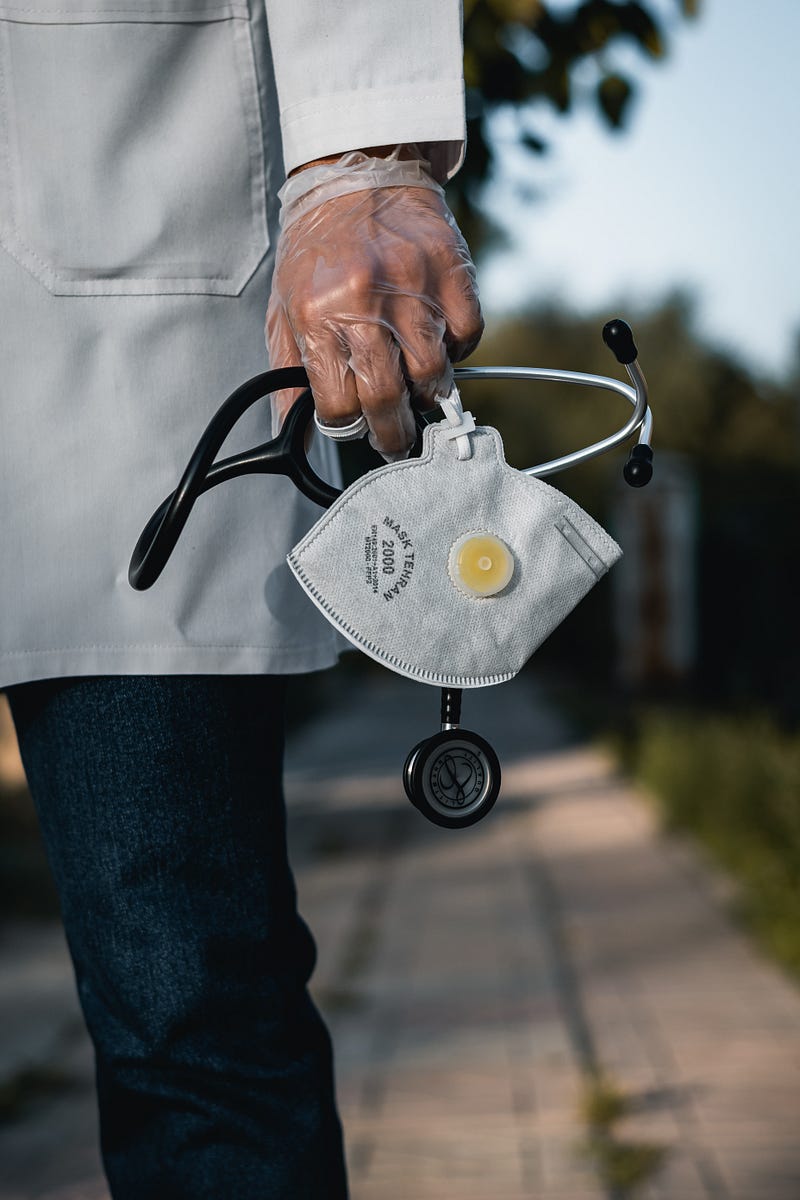
Photo by Ashkan Forouzani on Unsplash

Frantically attempting to save lives, resourcing scarce protective gowns and medical equipment have resulted in targeting a laser focus on the physical aspects of the illness. What is missing? The apres COVID-19 patients’ needs.

Their needs are not solely physical, and the enormity of the mental aspects must be a part of our planning. It has been referred to as a mental health tsunami coming our way by patients who have been traumatized by the ICU experience. Psychosis may be seen while they are on the unit, but that does not mean the trauma and its effects are time-limited.

Surviving the virus brings with it the intense memories and the pain associated with ventilation. Yes, there is discomfort, and medications are used not only to fight infection, but the pain and the fear the patient experiences. The most efficient way to do this would seem to be to put patients into a temporary coma.

What swirls in their minds during this unconscious time is unknown to us. But one thing we do know is that they can hear everything that is going on and everything that is said. The ears never lose this ability to monitor the environment. Negative statements about survival may have particularly adverse psychological effects.
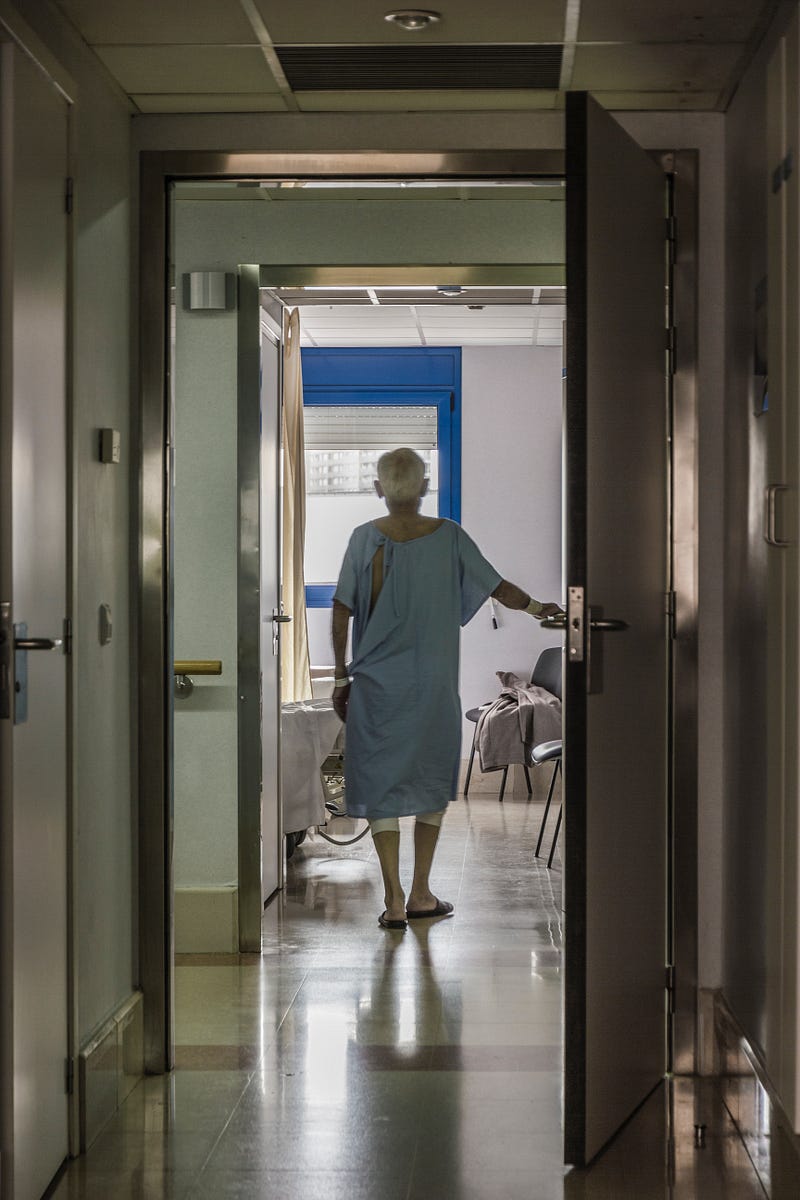
Photo by Isaac Quesada on Unsplash

What Is ICU Psychosis?

Patients who become psychotic in intensive care units are usually suffering from delirium. Underlying causes of delirium such as anxiety, sleep deprivation, sensory deprivation and overload, immobilization, an unfamiliar environment, and pain, are often preventable or correctable. Early detection, investigation and treatment may prevent significant mortality and morbidity.”

If this happens in the ICU, then that is the appropriate place to begin engaging in behaviors to enhance health and thwart any increase in psychosis or a mental disturbance? Of course, the staff must also be included in this treatment regimen since they are all going through this unnerving experience with the patient.

One problem that is often seen in geriatric patients in the ICU, aside from the now-prevalent COVID-19 period, is that ICU delirium is misdiagnosed and treated with antipsychotics. These medications are lethal in elderly patients, but how would a dermatologist or orthopedic surgeon know that? Staff redeployment from other specialties to the ER or ICU necessitates training for the treatment of elderly patients ASAP.

But what we mental health professionals are seeing is not limited to anxiety and depression of an adjustment type. It is temporary disorientation brought on by environmental overload, sensory deprivation, persistent noise, lack of sleep, and medication side effects.
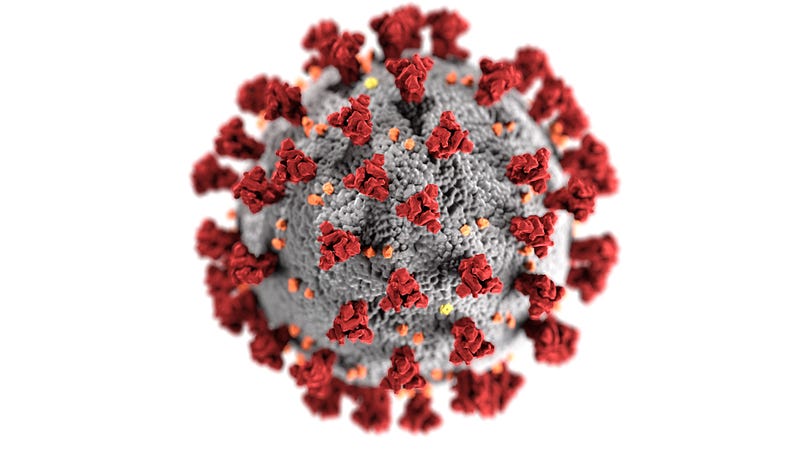
Photo by CDC on Unsplash

COVID-19 Not Limited to Lungs

Insufficient information is available currently, and the emphasis has been on the lungs, the heart, and the kidneys as a favored attack point for this virus. But recent evidence has emerged which indicates that there are neurologic effects caused by the virus.

I am hearing about strokes, ataxia, myelitis, etc,” Stephan Mayer, MD, a neurointensivist in Troy, Michigan, posted on Twitter on March 26.

Other possible signs and symptoms include subtle neurologic deficits, severe fatigue, trigeminal neuralgia, complete/severe anosmia, and myalgia as reported by clinicians who responded to the tweet.” The symptoms would appear to be much broader in the virus’s attack than two or three organs.

After hospital discharge, COVID-19 patients may develop PTSD. And the staff that treated them may also have their struggles with this stress disorder.

“….over a third of Chinese medical staff reported suffering from insomnia during the pandemic. ‘The most important factor was having very strong uncertainty regarding effective disease control among medical staff,’ said study author Bin Zhang, MD, Ph.D., of Southern Medical University in Guangzhou, China. (Frontiers in Psychiatry).” All of them deserve treatment.

Too often, mental help isn’t available, especially in rural areas, or unsought in the wish to speedily return to physical wellness. COVID-19, however, may have changed the tide in a more favorable direction for those suffering the pangs of these hidden ills. The change will be in telemedicine, a modality that has been given an unexpected push into prominence by the need to combat this virus.

The challenge now may be met by telemedicine, but another problem remains even here; who has access? Not all rural or urban area residents have access to the internet. Some can’t afford it, and others are reluctant to use it. How do we provide help to all of them?
Photo by Haydn Golden on Unsplash

Free Computers and Internet Service

Schools, closed because of the pandemic, have attempted to solve the shortage of computers in students’ homes; give them computers. While this may seem like a hefty expense, consider the cost of caring for someone with a recurrence of the virus or who has developed a severe mental health problem. Computers can be an inexpensive use of funding when those two factors are considered.

The plans for aftercare must be part of the equation for fighting the current COVID-19 and future waves of this virus, which are predicted to be coming our way. There is no time to put this off, and major computer manufacturers and software developers must be brought into the plan. Anything less than this type of project may result in more epic instances of tragedies.

Covid-19
Mental Health
Depression
PTSD
Suicide
Recommended from ReadMedium