
What’s So Bad About Unsaturated Fatty Acid Oxidation?
Why would this oxidation be so damaging to us?
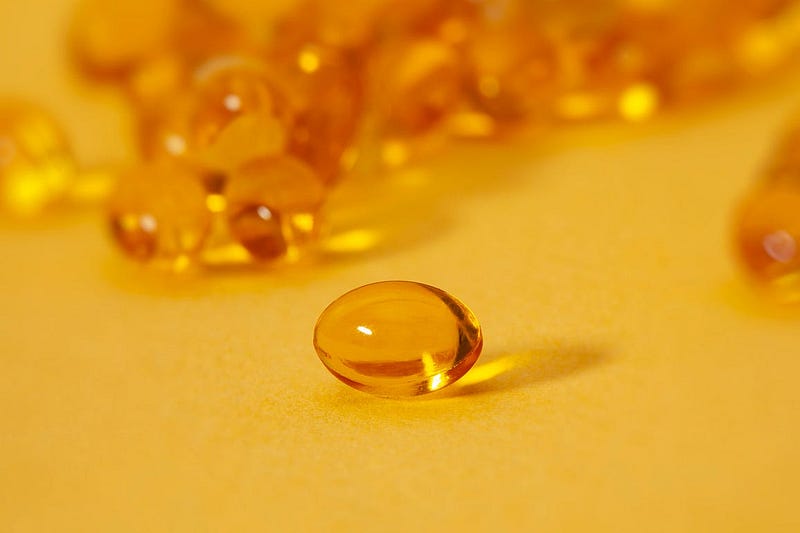
There has been much discussion over whether saturated fats or unsaturated fats are “better for health” these days. Some believe that overconsumption of saturated fats can lead to heart disease and go for unsaturated fats. Of course, unsaturated fats do come with their own health issues, too. It just isn’t properly explained.
So let’s look at the chemistry behind what constitutes a saturated or an unsaturated fat — and these are usually available as fatty acids.
An unsaturated fatty acid is a fatty acid that contains at least one carbon-carbon double bond (denoted as C=C) in its chemical structure. Having just one C=C double bond makes it a monounsaturated fatty acid, while multiple C=C double bonds in its structure would make it a polyunsaturated fatty acid.
These C=C double bonds can form bonds with additional atoms/molecules to lose the double bond. If there were no double bonds in the fatty acid molecule, it could not form new chemical bonds with other molecules, and we can then call it a saturated fatty acid.
And that’s why we have that distinction between saturated and unsaturated fats — do they contain any C=C double bonds or not? Coconut oil, for instance, is a saturated fat that does not contain any C=C double bonds.
The omega-3 fatty acid is an example of an unsaturated fatty acid.
The omega-3 fatty acid is so named because it contains a carbon-carbon double bond (denoted as C=C) on the third carbon atom away from the terminal carbon atom.
3 major types of omega-3 fatty acids are supposedly beneficial to human health, which include alpha-linolenic acid (ALA), eicosapentanoic acid (EPA), and docosahexanoic acid (DHA).
DHA and EPA, for example, are essential components of cell membranes. This is more so for DHA, especially in the central nervous system. Therefore, it is recommended to include more DHA in a baby’s diet to help their brains develop better.
EPA and DHA are potent anti-inflammatory mediators that work on decreasing the intensity of the immune system’s inflammation response by signaling cells to downregulate their pro-inflammatory pathway (nuclear factor kappa B, or NF-κB). NF-κB is a major cellular pathway that expresses genes to stimulate the production of pro-inflammatory cytokines and contribute to the development of an inflammation signal in our body.
While ALA is also an omega-3 fatty acid, we do have to note that the conversion rates of ALA into EPA and DHA in the body are at paltry low levels of less than 10%.
ALA is more useful for vegetarians/vegans who do not wish to consume fish or fish-related products, whereas EPA and DHA can be found in fatty fish.
The omega-6 fatty acid is another type of unsaturated fatty acid that is found in foods.
As it is said in this article, the omega-6 fatty acids are thought to be pro-inflammatory, based on the fact that they are converted into arachidonic acid within the body:
In humans on a Western diet, the omega-6 polyunsaturated fatty acid arachidonic acid (ARA) makes a significant contribution to the fatty acids present in the membrane phospholipids of cells involved in inflammation. ARA is a precursor to a number of potent pro-inflammatory mediators including well described prostaglandins and leukotrienes, which has led to the development of anti-inflammatory pharmaceuticals that target the ARA pathway to successfully control inflammation. Hence, it is commonly believed that increasing dietary intake of the omega-6 fatty acids ARA or its precursor linoleic acid (LA) will increase inflammation.
We tend to be consuming way more omega-6 fatty acids than we are consuming omega-3 fatty acids. In fact, it is mentioned in this article that adherence to Western diets may be destructive to our health in the long term:
Excessive amounts of omega-6 polyunsaturated fatty acids (PUFA) and a very high omega-6/omega-3 ratio, as is found in today’s Western diets, promote the pathogenesis of many diseases, including cardiovascular disease, cancer, and inflammatory and autoimmune diseases.
Omega-3 fatty acids are unsaturated fatty acids that can form bonds with other atoms. As a result, they are highly prone to oxidation, especially when in contact with oxygen. Proper storage of the purified oil is key!
Otherwise, oxidation turns them rancid, which gives them an off-flavor and will be one of the things that a consumer-first notices. Oxidized omega-3s undergo a chemical chain reaction known as lipid peroxidation, and the products from lipid peroxides aren’t good for health at all.
If omega-3s will undergo lipid peroxidation, it means that lipid peroxidation will also affect the omega-6s. In fact, having more C=C double bonds (especially in the case of polyunsaturated fatty acids) will exacerbate the peroxidation reaction even more.
Lipid peroxides are a class of highly unstable and reactive chemicals that can react with other biomolecules in the body to propagate even more unstable and reactive biochemicals.
The temperature at which the unsaturated fatty acid is used or stored is a key parameter — which is why high-temperature cooking is NOT recommended with these oils — we’d be inducing oxidation and rancidity, as well as introducing our bodies to a whole new level of reactive lipid peroxides if we were to consume these oils after such cooking.
Which begs the question — what about all these polyunsaturated vegetable or seed oils that can be found in the supermarkets?
They’re prone to oxidation too.
We don’t want to cook at high heat with them because they have low smoke points, and high heat will also cause issues with oxidation:
Hydrogenation of these unsaturated fatty acids doesn’t do much to help the situation either:
Because all these unsaturated fatty acids will exacerbate the inflammation response even more.
If omega-6 fatty acids could biochemically initiate a pro-inflammatory response, what about oxidized omega-6 fatty acids, especially in the Western diet when one is consuming more omega-6s?
What is being commented on now is that the Western diet feeds a person with a large quantity of omega-6 fatty acids but makes no distinction over whether they’re oxidized or not, especially upon exposure to high heat and atmospheric oxygen.
Because studies have shown that if an unsaturated fatty acid in the cell’s membrane undergoes oxidation, there can be pretty damaging effects on the biochemical pathways that govern the development of atherosclerotic plaques.
The consumption of oxidized fatty acids will amplify the situation further by propagating more oxidation power to damage the cell membranes.
And the chain of destruction continues.
But most people are left none the wiser.
After all, that processed food product on the supermarket shelf does look good, doesn’t it?
Plus, it’s on sale!
The damaging oxidative impact of these oxidized fatty acids hasn’t been talked about much, has it?
It’s time to be aware of it now if we aren’t aware of it yet!
Joel Yong, Ph.D., is a biochemical engineer/scientist, an educator and a writer. He has authored 5 ebooks (available on Amazon.com in Kindle format) and co-authored 6 journal articles in internationally peer-reviewed scientific journals. His main focus is on crafting strategies to support optimal biochemical functions in the human body at https://thethinkingscientist.substack.com.