
Cooking At High Heat With Unsaturated Fats Was Never Such A Good Idea
These fats do more than just smoke.
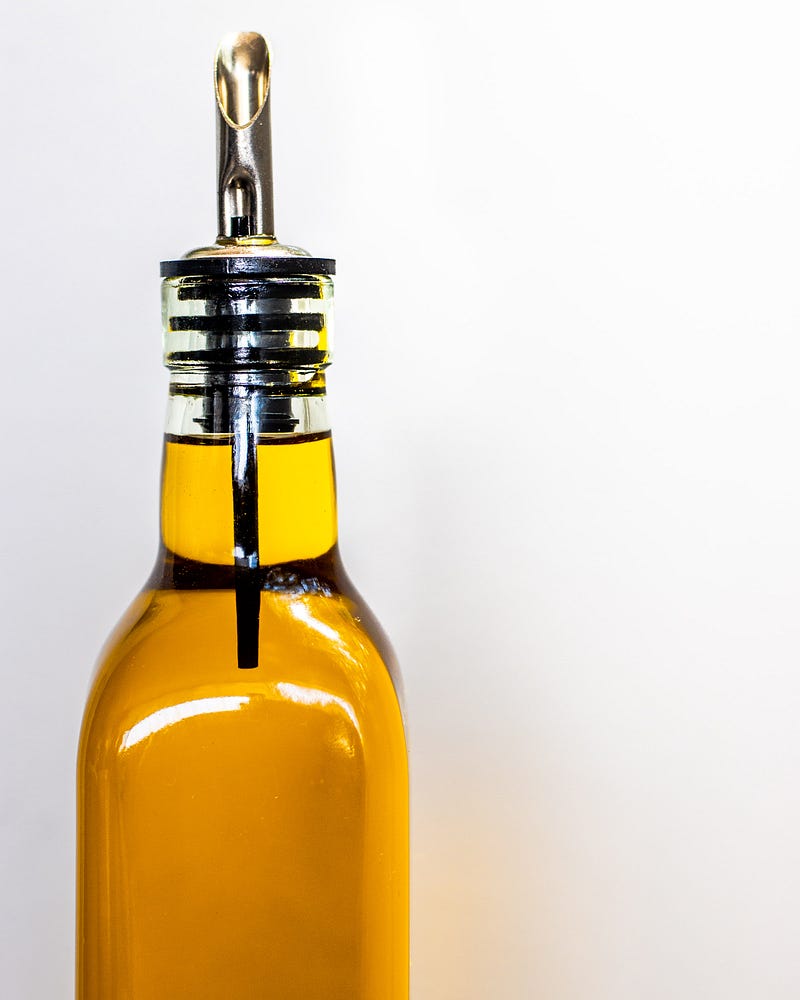
Many people have bought into the idea that the consumption of unsaturated fats are healthier than the consumption of saturated fats, and that has also been popularised and propagated by major health experts such as those at the Mayo Clinic.
We do know, however, that unsaturated fats have a lower tolerance to heat than saturated fats — this is evidenced by the smoke point, or the temperature at which a fat starts to exhibit the release of smoke.
Now definitely, we don’t want to to be cooking oils at such high temperatures that they actually start to smoke — this could present a safety hazard if left uncontrolled.
But what we do know is that when a fat does start to emanate smoke, some chemical reaction is going on inside.
What we do know is that the carbon-carbon (C=C) double bonds found in these unsaturated fats are more reactive than the carbon-carbon single bonds. These C=C double bonds are rich in electron density and will very readily undergo electrophilic addition reactions.
The oxygen molecules that we find in the atmosphere are, unfortunately, strong electrophiles. They are drawn to the C=C double bonds.
When sufficient heat is added to an unsaturated fat, as it is in the case of using it to cook foods at high temperatures, the fat will start to emanate smoke, which is a symptom of a chemical reaction occurring in the fat.
As oxygen reacts with the fat, we can see the development of a few reaction pathways, much like how the hydrogenation of unsaturated fats in an industrial process at high temperatures can also kick off those reaction pathways:
It’s all about the oxygen molecules finding their way to the C=C double bonds, because of all the lipid peroxidation that will take place thereafter.
There would be a chain reaction that releases even more reactive chemicals.
a. Which in the end can help to speed up the rate of DNA mutations and potentially lead into cancer:
b. Which would also result in an increased rate of damage to cells and other associated biomolecules, such that their ability or effectiveness to carry out the functions that they ought to be executing is reduced significantly.
Therefore, when an oil has a LOW smoke point, don’t use it for cooking stuff at high heat. Most of us already do have the wisdom not to do such a silly thing, thankfully.
But what if the cooking isn’t under our control?
For example, McDonald’s does make use of vegetable oil to cook their French fries… how many times the oil has been reused, and what is the degree of unsaturation in that vegetable oil isn’t really mentioned and could vary from franchise to franchise.
Even if the oil isn’t smoking at that cooking temperature, you can bet that it’s actually hot enough for atmospheric oxygen to react with the C=C bonds in the unsaturated fats.
However, they do make those fries taste darn good, and some of us may get addicted to it and go back for more, without realising how much damage we’re actually dealing to our own bodies!
Joel Yong, Ph.D., is a biochemical engineer/scientist, an educator and a writer. He has authored 5 ebooks (available on Amazon.com in Kindle format) and co-authored 6 journal articles in internationally peer-reviewed scientific journals. His main focus is on crafting strategies to support optimal biochemical functions in the human body at https://thethinkingscientist.substack.com.


