
What would happen if the Earth stopped rotating?
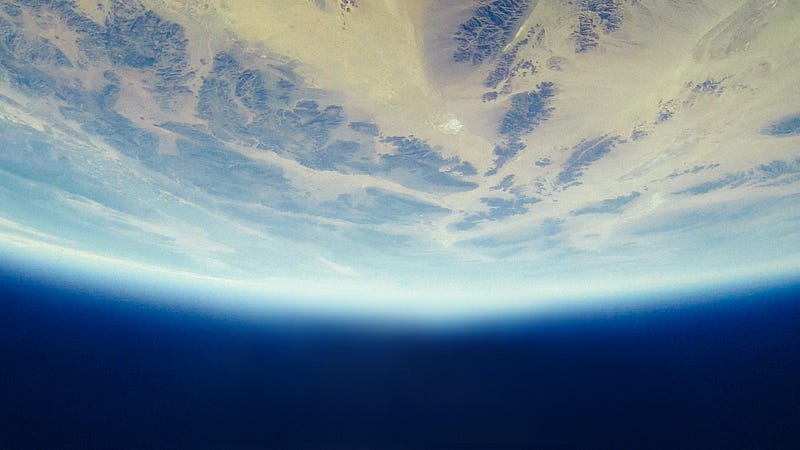
Our planet Earth rotates on its axis once every 24 hours, giving us the day and night cycle. But what would happen if the Earth suddenly stopped turning? Would we be able to survive? Let’s take a look.
Loss of Day and Night Cycle
One immediate effect would be the disappearance of the day and night cycle. Half of the planet would be permanently in daylight, while the other half would be in constant darkness. The areas in between, known as the twilight zones, would experience perpetual sunrises and sunsets. This would have a significant impact on our daily lives, as we rely on the day and night cycle for sleep, work, and other activities.
“The day and night cycle is crucial for maintaining our body’s internal clock and circadian rhythm. Without it, we would struggle to regulate our sleep and wake cycles.” — Dr. Michael J. Breus, sleep expert
Disruption in Weather Patterns
The sudden stop in the Earth’s rotation would also cause a massive disruption in weather patterns. The atmosphere is in constant motion, driven by the planet’s rotation. Without this rotation, the winds would stop moving in their current patterns, causing extreme weather events such as hurricanes and tornadoes to become more frequent and destructive.
“The Earth’s rotation creates the Coriolis effect, which helps to create the trade winds and other weather patterns. Without it, the atmosphere would be in chaos.” — Dr. Marshall Shepherd, atmospheric scientist
Effect on Oceans
The oceans would also be severely affected. The Earth’s rotation creates tides, which are caused by the gravitational pull of the moon and the sun. If the Earth stopped turning, the tides would no longer exist, causing the ocean currents to stop moving. This would lead to a decrease in oxygen levels in the oceans, which would affect marine life and have a ripple effect on the entire ecosystem.
“The tides are essential for mixing nutrients and oxygen throughout the ocean, which is necessary for the survival of marine life. Without them, we could see a significant decline in the population of fish and other sea creatures.” — Dr. Sylvia Earle, marine biologist
Effect on Plant Life
The loss of the day and night cycle would also have significant implications for plant life. Plants require a specific amount of sunlight each day for photosynthesis, and a lack of sunlight would cause a decline in their growth and productivity. This, in turn, would affect the food chain and lead to a decrease in the population of herbivores and carnivores.
“Plants are the foundation of the food chain, and any disruption in their growth and productivity could have significant consequences for the entire ecosystem.” — Dr. Peter Raven, botanist
Effect on Human Civilization
If the Earth were to stop turning, it would also have a devastating effect on human civilization. The sudden change in weather patterns, the disappearance of tides, and the decline in plant life would make it challenging to grow crops, obtain freshwater, and generate electricity. The resulting societal collapse would lead to a breakdown in infrastructure and a struggle for survival.
“Our civilization is dependent on a functioning ecosystem, and any disruption to that ecosystem would have dire consequences for our survival.” — Dr. Jane Lubchenco, environmental scientist
If the Earth were to stop turning, it would have catastrophic consequences for our planet’s ecosystem and human civilization. While this scenario is unlikely to occur, it serves as a reminder of the delicate balance that exists on our planet and the importance of taking care of the Earth’s environment.


