
The Power of Nostalgia:
How Our Memories Shape Our Emotions
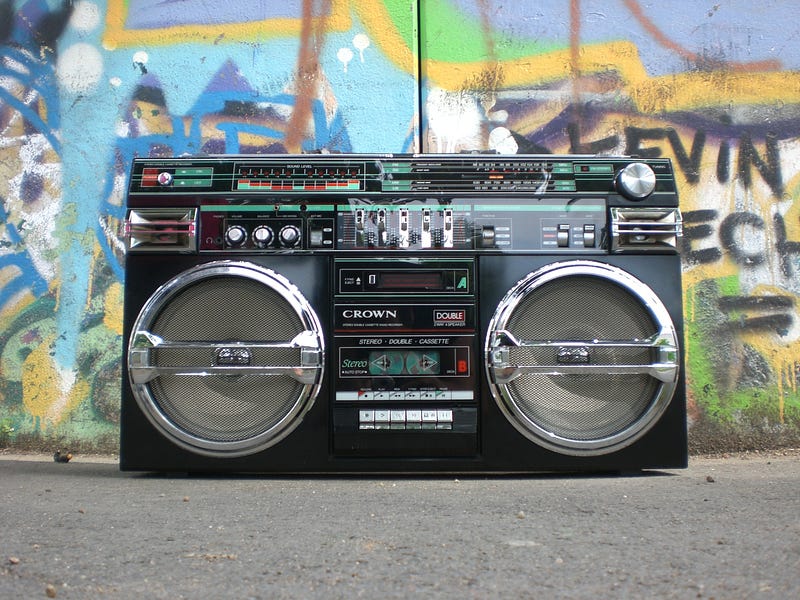
Nostalgia is a feeling of longing or sentimental affection for the past. While some may dismiss nostalgia as a mere sentimental yearning, recent studies have shown that nostalgia has a deeper impact on our brains and emotions. Our brains are wired to store memories, and our past experiences shape who we are today. Nostalgia is a way of revisiting these memories and reliving the emotions associated with them.
The Science Behind Nostalgia
When we experience nostalgia, our brains light up with activity in areas associated with memory, emotion, and reward. These areas include the amygdala, hippocampus, and ventral striatum. The amygdala, which is involved in processing emotions, is particularly active during nostalgia. The hippocampus, which plays a role in memory consolidation, also lights up during nostalgia. The ventral striatum, which is a part of the brain’s reward system, is also activated during nostalgia. This is because the emotions associated with nostalgia are often positive, such as feelings of happiness, warmth, or comfort. When we experience nostalgia, our brains release dopamine, a neurotransmitter associated with pleasure and reward.
Positive Aspects of Nostalgia
Nostalgia can have several positive benefits. First, when we experience nostalgia with others, it can foster a sense of connection and belonging. Sharing memories of a childhood toy or a favorite TV show can create a bond between people who may otherwise have little in common. Nostalgia can also provide a sense of continuity and stability in a world that is constantly changing. Additionally, nostalgia can provide comfort during difficult times.
According to Dr. Clay Routledge, a professor of psychology at North Dakota State University, “Nostalgia is not a form of escapism, but rather a way for people to tap into their positive memories to find strength and resilience in the present.” By reliving positive memories, we can boost our mood and find the motivation to keep going.
Negative Aspects of Nostalgia
However, nostalgia is not always positive. In some cases, it can lead to feelings of sadness, regret, or even depression. This is because nostalgia can also evoke memories of lost opportunities or unfulfilled dreams. When we look back on our past with nostalgia, we may also be idealizing it, seeing it through rose-colored glasses and ignoring the negative aspects. This can lead to disappointment when we realize that our memories don’t match up with reality.
Overall, nostalgia is a complex and multifaceted emotion that has a deep impact on our brains and emotions. It can provide a sense of comfort and connection, but it can also evoke more negative emotions. It is important to be mindful of our nostalgia and to recognize when it may be clouding our judgment or causing us to overlook important aspects of our past. By doing so, we can better appreciate the positive aspects of nostalgia while also recognizing its potential pitfalls. As Dr. Routledge notes, “Nostalgia is a powerful tool for well-being, but like any tool, it can be misused or overused.”


