
What The Human Rights Watch 2024 World Report Said About Australia
Australia, while considered a vibrant democracy, faces significant human rights concerns, tarnishing its reputation.
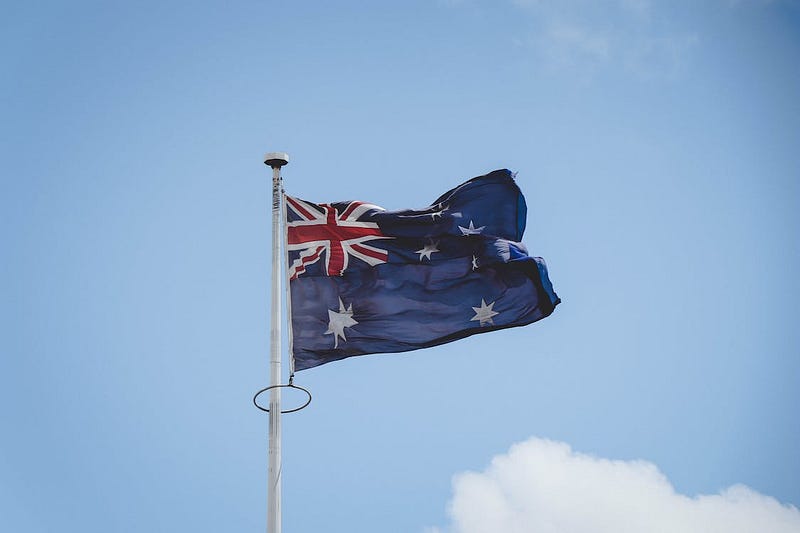
Australia, while considered a vibrant democracy, faces significant human rights concerns, tarnishing its reputation.
One major issue is the harsh treatment of refugees and asylum seekers, particularly through offshore processing policies. Indigenous people continue to experience systemic discrimination, with overrepresentation in Australian prisons.
Despite being the only Western country without a national human rights act, Australia is contemplating a human rights charter, with an ongoing parliamentary inquiry. The evacuation of the last refugee from Nauru was followed by the resumption of offshore processing for new asylum seekers.
Persistent concerns involve the treatment of children in custody and the use of “chemical restraint” in aged care, issues yet to be adequately addressed.
Also of note, an Australian soldier faced charges of alleged war crimes in Afghanistan, marking a significant development, while a defamation suit against three newspapers shed light on the murders of civilians during the armed conflict.
Asylum Seekers and Refugees
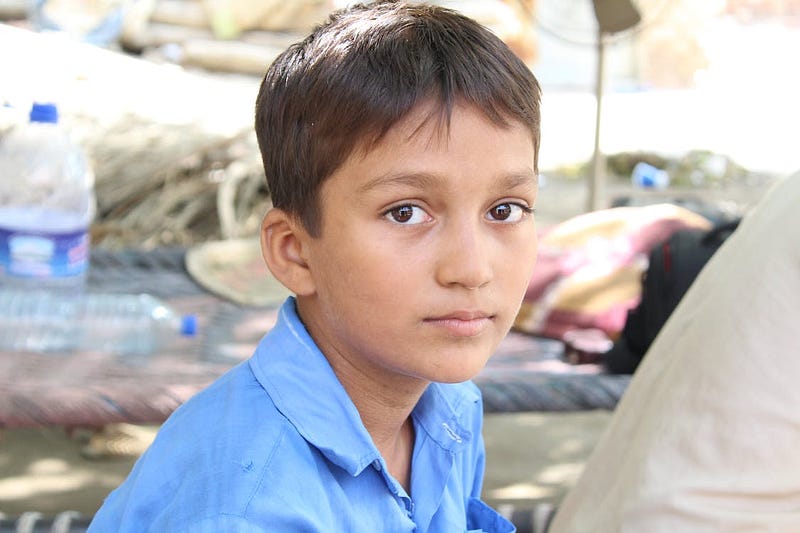
The year 2023 marked the 11th anniversary of Australia’s reintroduction of offshore processing for asylum seekers arriving by boat. While Australia evacuated the last refugee from Nauru in June, new asylum seekers were sent back to the island in September and November. Disputes between Australia and Papua New Guinea over funding left 64 refugees in Papua New Guinea.
The Australian government allocated 1.5 billion Australian dollars for the continued operation of offshore processing, signalling its commitment to the practice.
Although the government allowed 19,000 refugees to apply for permanent residency in February, statistics in August revealed 124 people were held in immigration detention for over five years. In July, a judge deemed the 14-month detention of refugee Mostafa Azimitabar “lawful but lacking humanity.”
In November, the High Court ruled indefinite immigration detention unlawful, leading to the release of over 100 individuals, albeit with new laws imposing additional restrictions and surveillance.
Indigenous Peoples’ Rights

Indigenous people in Australia face significant overrepresentation in the criminal justice system, constituting nearly one-third of the adult prison population while comprising just 3 percent of the national population.
In 2023, at least 19 Indigenous people, including a 16-year-old boy, died in custody, with the latter succumbing to self-harm after prolonged solitary confinement.
On October 14, a referendum aimed at enshrining a First Nations Voice to parliament and government in the country’s constitution. The referendum was defeated in every state.
Presently, Australia lacks a national treaty with Indigenous Australians.
Disability Rights

The Royal Commission into Violence, Abuse, Neglect and Exploitation of People with a Disability concluded its hearings in 2023, releasing its final report in September. The findings revealed alarming rates of violence experienced by people with disabilities, significantly higher than those without disabilities.
A July report highlighted the overrepresentation of parents with disabilities in child protection allegations and investigations. Additionally, the commission discovered that First Nations participants in Australia’s National Disability Insurance Scheme (NDIS) are 28 percent less likely to receive care through the scheme compared to non-Indigenous individuals.
Prisons remain hazardous, and sometimes fatal, for people with disabilities, with about 60 percent of adult prisoners who died from 2010–2020 having a disability.
Youth Justice

In September, Queensland suspended its regional Human Rights Act for the second time, allowing the indefinite detention of a growing number of children in police watch houses — concrete cells typically intended for short-term detention of adults.
Recent changes in youth justice laws, such as stricter punishments for breaking bail, have resulted in an increased number of detained children, surpassing the capacity of existing youth detention centres.
In response to a 2021 Australian Human Rights Commission report, the Australian Capital Territory (ACT) government passed a bill prohibiting medically unnecessary non-consensual surgeries on children with intersex traits.
Furthermore, in August, the Northern Territory government raised the minimum age of criminal responsibility from 10 to 12, aligning with a commitment made by the state of Victoria in April. However, international standards advocate for a minimum age of at least 14, a benchmark that the ACT adopted in November through legislative measures.
Older Peoples’ Rights

Historically, Australian nursing homes have grappled with the unethical use of dangerous drugs, particularly on older individuals with dementia, a practice commonly referred to as “chemical restraint.” This controversial approach has often been employed without obtaining informed consent.
The absence of national protocols for dementia care, including mandatory training for nursing home staff, has contributed to these concerning practices. As of the latest update, the Australian government is in the process of drafting a new Aged Care Act to replace the current legislation enacted in 1997.
Notably, the existing act lacks provisions to guarantee protection against the use of chemical and physical restraints, fails to establish minimum staffing levels for facilities catering to older individuals, and does not mandate dementia care training for nursing home staff. The reform is anticipated to address these critical gaps in aged care regulation.
Freedom of Expression
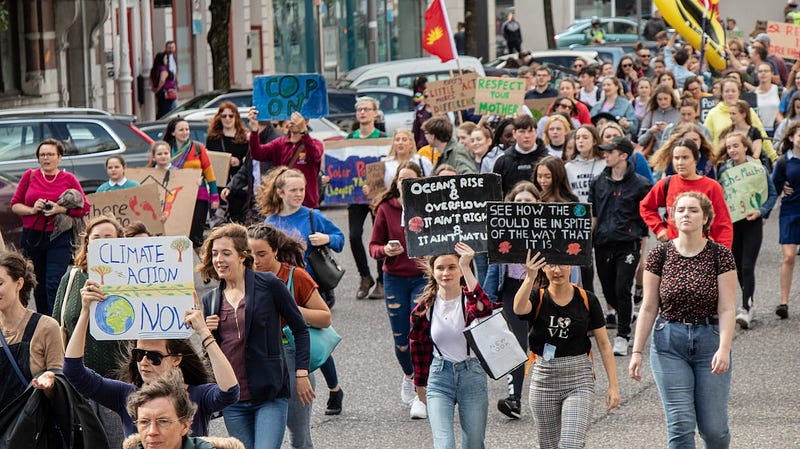
In July, the Select Committee on Foreign Interference through Social Media emphasized the immediate threat of foreign interference via social platforms, particularly concerning Chinese entities. Recommending transparency measures for social media platforms, the committee proposed imposing fines on non-compliant platforms. This inquiry unfolded amidst growing apprehensions about the influence of Chinese social media companies and the Chinese Communist Party globally.
Meanwhile, South Australia enacted an anti-protest law in May, significantly elevating fines for “disruptive” protesters from 750 to 50,000 Australian dollars and authorizing potential imprisonment.
Terrorism and Counterterrorism
In May, families of around 40 Australian women and children, detained in perilous conditions in northeast Syria since at least 2019, filed a lawsuit with Save the Children to compel the government to bring them home. Many were taken to Syria by family members joining ISIS. Australian men are also held as ISIS suspects. In November, the federal court dismissed the lawsuit, leaving the detainees in continued uncertainty.
Climate Change
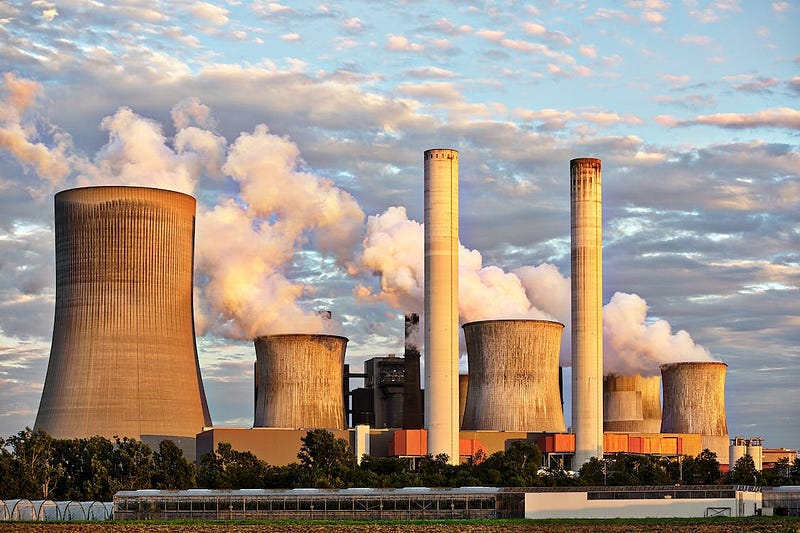
Australia, ranking among the top 20 global greenhouse gas emitters, faces scrutiny for contributing to the climate crisis and its human rights implications.
Despite growing support for renewable energy and emissions reduction legislation, Australia maintains its status as the largest coking coal exporter globally and a key liquefied natural gas exporter.
While the government blocked a coal mine in Queensland in February, citing environmental risks, it approved a new coal mine in May.
July’s enhancements to the “Safeguard Mechanism” set emission targets for high-polluting facilities, aligning with Australia’s net-zero goal by 2050, albeit without compensating Torres Strait islanders affected by climate change, rejecting a UN Human Rights Committee recommendation.
Technology and Rights

In August, the Albanese government issued a formal apology for the Robodebt scheme, a controversial automated debt assessment system that wrongly targeted vulnerable individuals, resulting in undue financial burdens on welfare recipients. The government’s apology was accompanied by the forgiveness of debts for nearly 200,000 people under investigation, acknowledging the human rights violations stemming from the scheme’s inadequacies.
In March, the Privacy Act Review Report outlined comprehensive recommendations for modernizing the 1988 act to align with technological advancements. In September, the government pledged to enact new privacy protections in 2024 in response to the report.
Foreign Policy

The Australian government witnessed a shift in its trade relations with China as some trade restrictions, including barley tariffs, were eased. However, despite these developments, Australia has yet to take definitive actions addressing human rights concerns within the Chinese government or against Australian nationals.
Notably, the absence of Magnitsky-type sanctions on Chinese officials for violations in Xinjiang or elsewhere remains a point of contention. While Australian citizen and writer Yang Hengjun remains arbitrarily detained in China, the release of journalist Cheng Lei after three years in prison marked a positive development.
Its approach to human rights, particularly in its engagement with India, has been characterized by “quiet diplomacy,” drawing criticism for not publicly addressing concerns such as recent crackdowns on civil society and discriminatory laws and policies.
The Australian parliament’s inquiry into government efforts to support democracy in the region, while a step forward, falls short of robustly pressing for accountability on human rights issues.
In response to global events, Australia imposed sanctions and travel restrictions on those responsible for the 2021 coup in Myanmar and financial sanctions on members of the Iranian “morality police” involved in the death of 22-year-old Mahsa (Jina) Amini, along with those involved in the supply of drones to Russia.

Link to Human Rights Watch World Report 2024 info page


