
What Life Is Really Like As The First Lady?
11 little-known things you didn’t know.
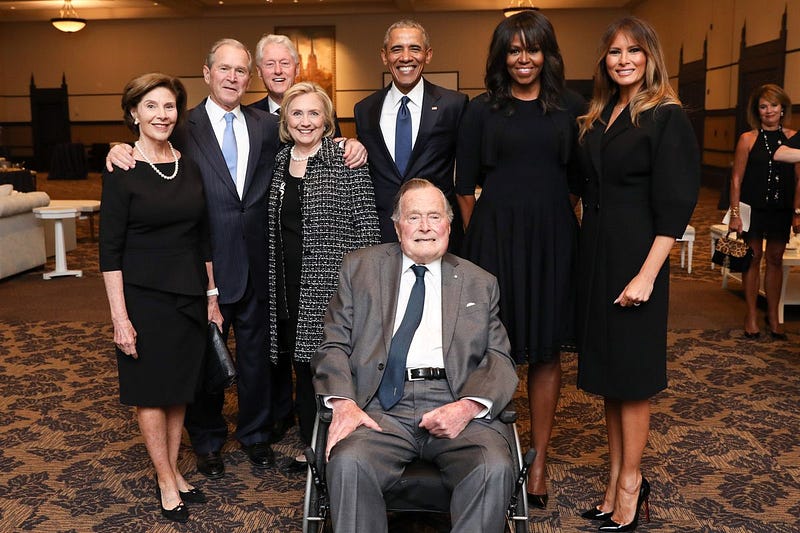
First ladies lie in that political grey area — where their role boils down to either ceremonial or social. But no doubt assail in the fact that their enormous influence exists.
Many devoted their time to social causes, and others remained the “brain” behind one’s husband’s presidency.
A first lady has to uphold a specific image; thus, she needs to abide by certain rules. So let’s dig into some interesting facts and uncover what you did not know.
1. They are given Secret Service names
The First Lady’s presence is constantly needed for public events, making her security as vital as her husband.
So, they receive the same level of secret service protection as the president through a codename — it not only enhances the security but also safeguards the identity.
Let’s talk about the code names of some first ladies: Rover for Eleanor Roosevelt, Rainbow for Nancy Reagan, Lace for Jackie Kennedy, Starlight for Pat Nixon, Renaissance for Michelle Obama, and Muse for Melania — some of the names do seem quite thoughtful.
2. They cannot open the windows: a big no
Even if you feel suffocated, you cannot open the windows — be it of a white house or any vehicle. This rule further extends to the first family. Owing to security reasons, one needs to have them shut.
We got to know about this rule when Michelle Obama, in an Ellen DeGeneres interview, confessed how she missed the act of opening the windows the most about civilian life:
I look forward to getting in a car and rolling down the window and just letting the air hit my face. I mean, I haven’t been in a car with the windows open in about seven years if you can imagine that. So I’m gonna spend that first year just hanging out the window.
3. They can’t say “yes” to every gift they’re given.
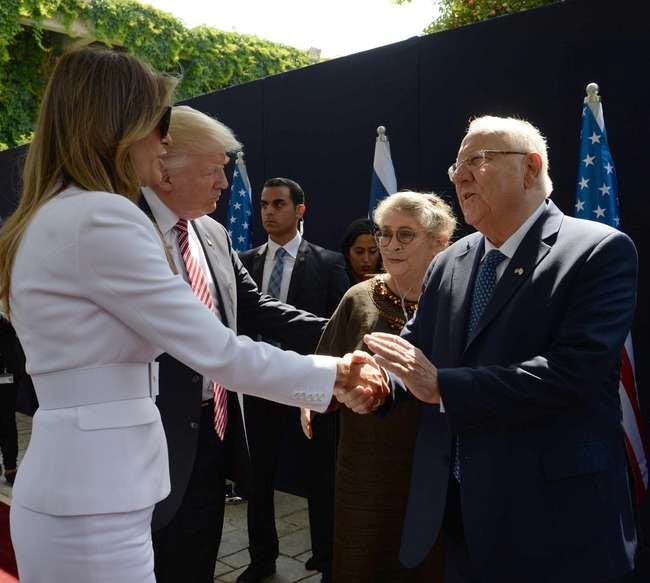
In everyday life, we do accept every gift we are given unless someone is creepy. But as for the first lady, despite being the glorified hostess, she cannot relish every gift she receives from other states, officials or admirers.
According to the National First Ladies’ Library:
As the Ethics in Government Act of 1978 ruled, a presidential spouse cannot accept gifts that are valued over a certain amount; all gifts and their values must be declared and are considered property of the US government. In the case of gifts given by friends or close associates, she is given the opportunity to purchase the items by paying the government the estimated value.
4. They should not get too political
The first ladies should touch politics but just from the surface. Civilians and as wells as the government discourage the first ladies to dig into political affairs deeply or influence any political decision.
The first lady indeed is the figurehead, handling the white house’s social calendar, but tradition restricts one from getting involved in political activities.
The highest-profile woman in the country does a full-time job in the white house, but that does not change their role of being just accessories to their husbands.
When Hillary Clinton made an effort to revamp healthcare during her tenure, it sparked a heated debate. Her act of being too politically active received a considerable backlash.
Knowing the position is indeed an unspoken rule that someone in the first lady role has to abide by.
5. They are supposed to support specific causes
Instead of taking a deep dive into political matters, the first ladies are expected to spend their time on specific causes — the ones which are not hot-button political issues.
First ladies are required to champion those causes which aim at improving the lives of the general population. Different first ladies supported causes.
From Dolley Madison helping orphans to Mary Todd Lincoln raising voice for slaves and injured soldier, Betty Ford spreading awareness about breast cancer to Nancy Reagan coining the phrase of saying no, Michelle Obama encouraging the children to consume healthier to Melania Trump fighting cyberbully.
6. They are not given a paycheck
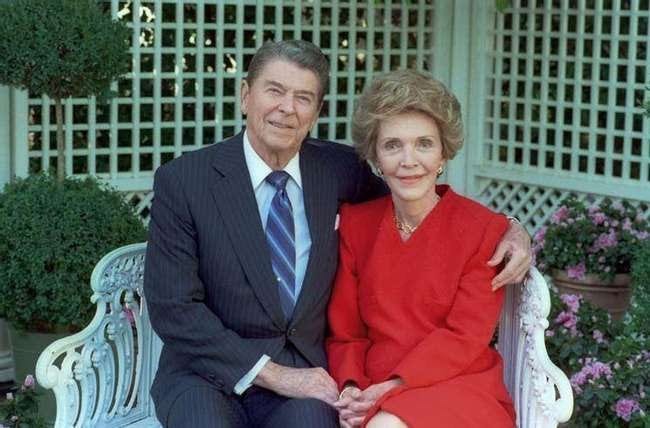
They are not compensated for their time, as you might have thought they were. The first ladies work their sweat off for ceremonies and other social causes and that too for free.
Relishing the high positions does not spare them from paying for lodgings. These government’s free employees also pay for food, parties, housekeepers and vacations, etc, all by themselves.
7. They have to pay for their own clothing

The first lady has to worry about what to dress for which event and has to cater the expenses on her own. Getting free clothing as a perk for an unpaid job is not much to expect, but, actually, it is for the government. The rule slightly shifts a bit if the event is of significance and official. As Michelle Obama’s press secretary said in 2014:
For official events of public or historic significance, such as a state visit, the first lady’s clothes may be given as a gift by a designer and accepted on behalf of the U.S. government.
8. They don’t technically have to be the president’s spouse
Many tend to assume that the first lady has to be the president’s wife but that is not an engraved rule.
As history had witnessed several times when different relations sat in the role — from President Martin Van Buren (D-New York), a widower, choosing his daughter-in-law as a White House hostess to President James Buchanan (D-Pennsylvania), a lifelong bachelor, choosing his niece.
9. They are not required to live in the White House
Many raised eyebrows when Melania decided to choose New York City over Washington. But certainly, it is not a rule to live where the husband resides — just an expectation. Many first ladies in the past chose different places. For instance, Bess Truman lived half her life in her family home in Independence, Missouri.
10. They often perform white house renovations
First ladies often take the renovation of the white house into their own hands, ending up spending a decent amount of money.
Jackie Kennedy showed the public her regeneration process, attracting many eyeballs. Nancy Reagan spent a massive budget, including purchasing a china set that cost $200,000. Instead of Melania, Trump planned to pay $2 million on renovation.
11. They get an official office with a staff
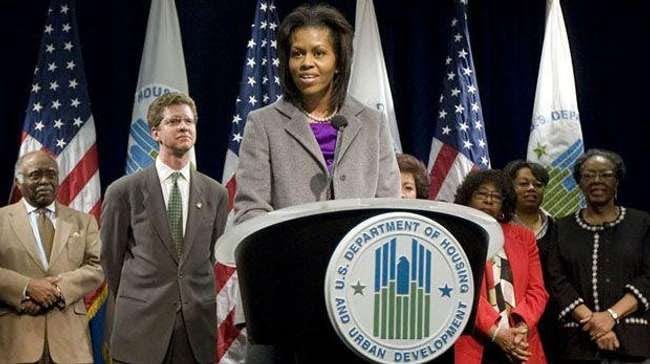
Having no paycheck or formal political power does not mean the first lady would not have an official office.
One gets to have a more extensive staff whose number fluctuates from lady to lady — as Melania Trump had 15, Michelle Obama 24, and Laura Bush 18. What’s surprising is the salary of the first lady’s staff members — they make far less money than the president’s employees.
More from the author:
Reference:
https://www.theguardian.com/us-news/2017/jun/13/melania-trump-ready-first-lady-donald-united-states


.jpg)

