
When the World Went Dark for a Full 18 Months Civilisations Vanished
If you think past years were hard, then think again.
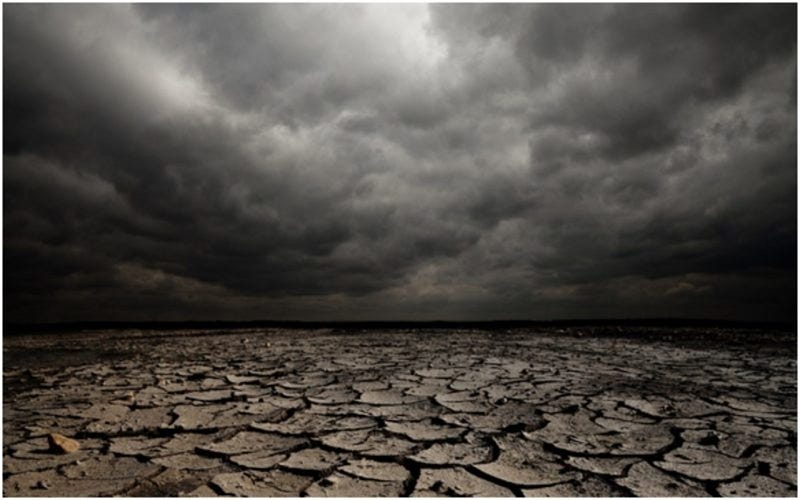
Were dark ages really that dark? Well, calling the medieval period dark ages is justified alone if we only consider the year 536. Why? This year, in particular, was laden with extra tragedy and layered with hopeless incidents.
This year was extremely tough to survive, not only for just one continent but for the entire world — misery stretched from Europe to Asia.
The civilizations stalled. Horrific natural disasters gulped many. Messy political shifts happened.
Let’s dig into such details:
1. Earth Got Blanketed with Darkness
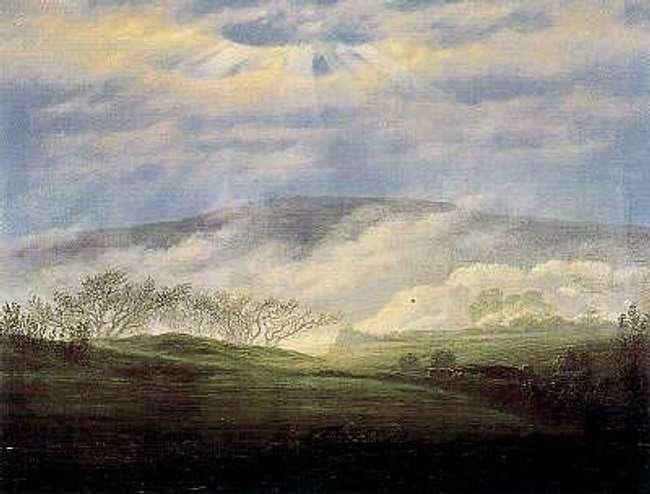

The Sun did give light during the year, but without brightness — the sun looked just like the moon. It seemed like a sun in eclipse as the shedded beams were highly unclear.
The sun remained in such a state, where its light resembled neither day nor night for eighteen whole months.
We can hardly appreciate a week of such an eclipse. No one, back then, could understand nature’s unnatural behavior. Many thought that a massive cloud of dust had veiled the sun. Dust veils affected eastern and central villages of Sweden such that Scandinavians abandoned Entire Cities.
Today, we do have the metrological understanding and have the resources to figure out darkened skies. But the unavailability of such means, back then, made people fearful.
Incomprehension of the events around rose wild confusion, spreading simply panic and fear. People kept stressing over the cloud that hung over them, driving several divine meanings.
The situation was worse for Europe than such an unfavorable environment, and people had to face war.
2. An Awful Famine Followed
If it would have been only for darkness, then it could have gotten endured. But famine layered the whole troublesome scenario.
Extended darkness directly impacted agriculture — it was ruined. Crops failed to grow without adequate sunlight, and the world’s temperature dropped by 2.5° Celsius, the lowest ever.
Food would not reach a state of maturity, making civilizations struggle with half-alive pieces of land. Famine stretched from Ireland to Europe and across Asia to China, the effect of which lasted decades.
3. The Plague of Justinian Spared None
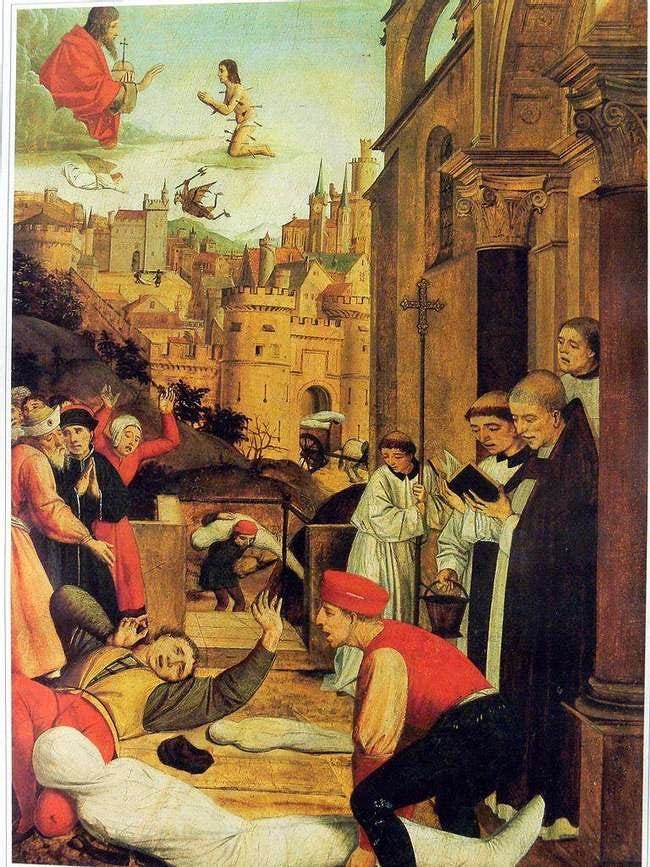

Following darkness and famine, the plague came running to destroy people’s lives further.
A pestilence began at Constantinople, killing 5000 people on the first day. 10,000 in the second, and 15000 in the third. The body count kept mounting.
Auditors placed at the borders of the Byzantine Empire, who estimated the death count to be 300,000 people. After such a number, did deaths stop? Well, no — tired auditors just left counting.
The Plague spared noone. Attacking the poor at first, the plague further spread to merchants and nobles in the imperial palace.
The symptoms of such a plague included having a sore palm on the hand, with swelled up legs from where pus would gradually sprout.
The whole city began stinking. The unburied were thrown in the sea, but the wild water would throw back the bodies.
Emperor Justinian ordered such bodies to be removed from the city, but the question arose: who would remove them? Because every other person was catching the disease themselves.
When the plague spread across Egypt, the whole city was wiped out — such that only seven men remained and a boy.
The deadly Plague of Justinian tookmillions of lives millions of lives.
4. Volcanic Eruptions Further Made Things Worse
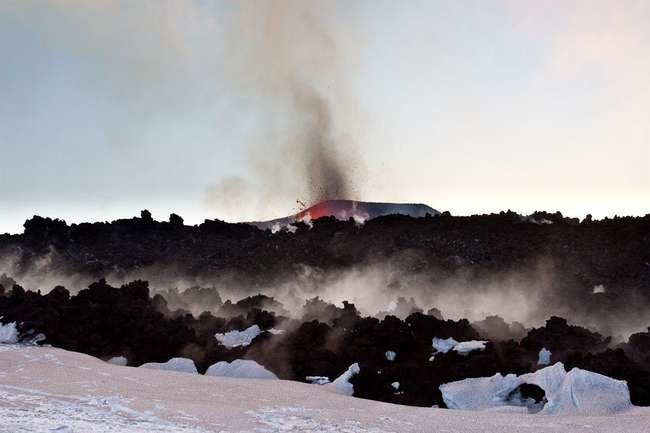

Scholars have found ash in Northern and Southern ice cores, making them conclude how a volcano in El Salvador kicked off the Little Ice Age in the year 536.
A massive volcanic eruption deposited ashes across the globe. The world was already dark; the eruption sunk back the world in even more darkness.
5. A Deadly Summer Snow Hit China And Mesopotamia
The whole world was facing some sort of sun’s unexplainable behavior, so was China. But its climate got different.
People reported a yellow ash-like substance getting dropped from the sky. Interestingly, the same year China got occupied with mid-summer snow. The harst weather ruined the crops of several provinces, leading to widespread famine, which killed 80% of the population.
Frost and snow fell hard in Mesopotamia during summers such that thousands of birds simply perished.
How do we know so much about such horrible conditions?
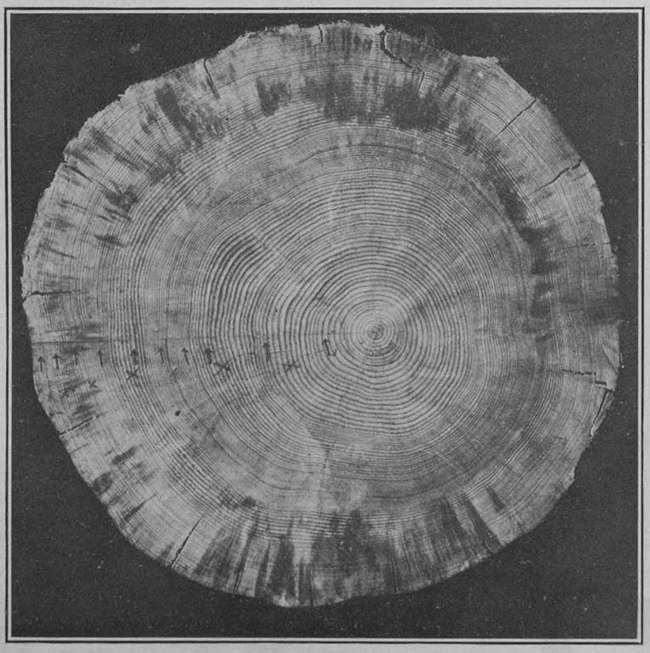

Well, because in 2018, the year received renewed attention. Harvard historian Michael McCormick and another group of scholars researched to analyze analyzing whether 536 was indeed the worst year ever.
The group did several interdisciplinary studies. The used dendrochronologists evidence — making use of tree rings for determining its age. Upon analyzing the tree ring from Icelandic trees, they concluded about a catastrophic event that slowed down the world.
The date from the tree ring indicates how the whole world became considerably colder for the next 15 years — the world reached its lowest temperature back then.
After analyzing ice core samples, scholars had also researched that the situation in the world began normalizing about 100 years later.
Final Words
You might have a different dark period in mind but . . .
What can be darker than not knowing if the world will ever get exposed to sunlight again?
What can be darker than the time when nature was attacking from every side?
Knowing about the dark ages might have made you reconsider why these hard times are not the worst times to be alive.
Yes, past years were devastating for the entire world — the years no one will ever forget.
However, we are grateful to, at least, be able to find solutions today. Looking back to the year 536 A.D. makes us feel so fortunate because during those times one had no answer for ‘why,’ ‘what’ and ‘when’. People died in confusion, panic, and stress — a miserable state to depart from this world.
More from the author:
References: