
Victory Garden Guide
What It Means to Garden Sustainably
There’s more to it than not using pesticides
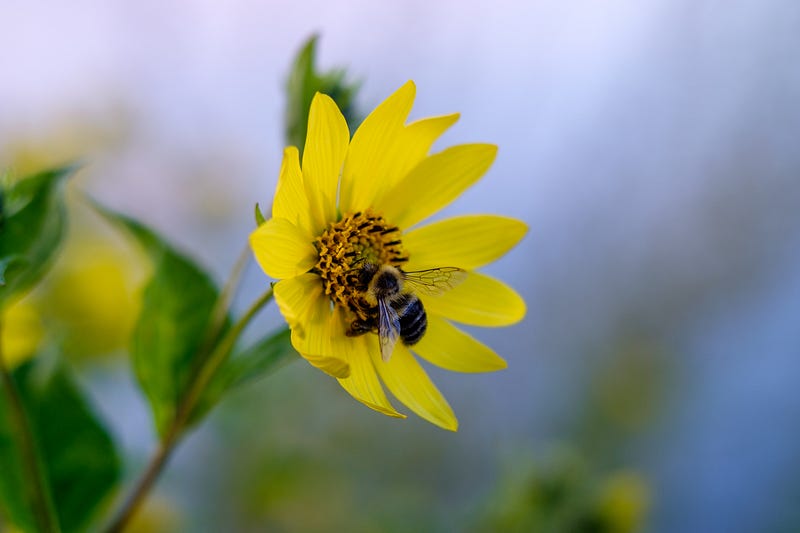
Sustainable gardening has been a hot term for a while now but sometimes the definition seems opaque. What is sustainable gardening, really? It’s an assortment of gardening practices designed to achieve balance in the garden by using nature’s own systems to encourage growth, manage resources, control waste, and establish an ecosystem that is in harmony with wildlife.
Sustainable gardening isn’t one practice — it’s many practices that work together to create a harmonious growing environment from the soil on up. You don’t have to do everything all at once; you can adopt one practice at a time, building an increasingly sustainable garden environment as you go.
Organic gardening
This is what most people think of when they talk about sustainable gardening, but it’s just the beginning. Gardening organically means using biological and mechanical controls rather than chemical pesticides and herbicides and natural soil amendments rather than synthetic fertilizers. This allows for a natural balance of predators and prey without the use of petrochemicals that are produced from irreplaceable resources and polluting processes.
Native plants
Plants that have naturally adapted to an environment over many generations will have a greater ability to survive with fewer added resources and without attracting new pest and disease problems. Native plants also support native insect and other animal populations by providing food and habitats for them.
Soil management
Healthy soil is the basis of a healthy and successful garden. By feeding the soil with compost and natural amendments, you build up a growing medium that can support plant life and harbor fewer pest and disease problems. Even an act as simple as tossing your used coffee grounds onto the soil makes it healthier.
Composting
Home composting reduces waste that must be removed from your property and creates a healthy amendment to add to your garden soil. Yard clippings and kitchen waste quickly turn into pure nutrition for your plants when you add it to a compost pile or bin and periodically add a little water and stir it up to oxygenate it. If that sounds like too much work, you can just let the waste pile up and time and nature will do the work for you — it just takes a little longer.
Drip irrigation
This most efficient watering method delivers water directly to plants’ roots, minimizing the amount of water that is lost to evaporation and reducing the risk of spreading diseases through water splash. If you install a smart controller you can create zones with your irrigation system so that the thirstier plants can be watered more frequently or for longer periods than the rest of the yard.
Mulching
Applying a 3- to 4-inch layer of materials such as bark or wood chips, straw, pine needles, or other organic matter helps to keep soil temperature even, reduce water lost to evaporation, minimize soil erosion, and feed the soil as the organic matter decomposes. One more bonus is that you’ll find you need to do a lot less weeding.
Integrated pest management (IPM)
Rather than aiming for total eradication of pests, IPM methods aim to control pest problems by allowing a tolerable amount of insect pests, encouraging beneficial insect predators to keep pest populations in check, practicing good sanitation in the garden, and when organic methods are not sufficient, using the least toxic methods of pest control.
Recycling
Re-using and recycling containers and hardscape elements in the garden keeps those items from ending up in the landfill. Nursery pots, for example, can be returned to the nursery for re-use.
Beneficial insects and animals
One of the most productive things you can do to create a sustainable garden is to allow and encourage beneficial insects and other animals, including the following:
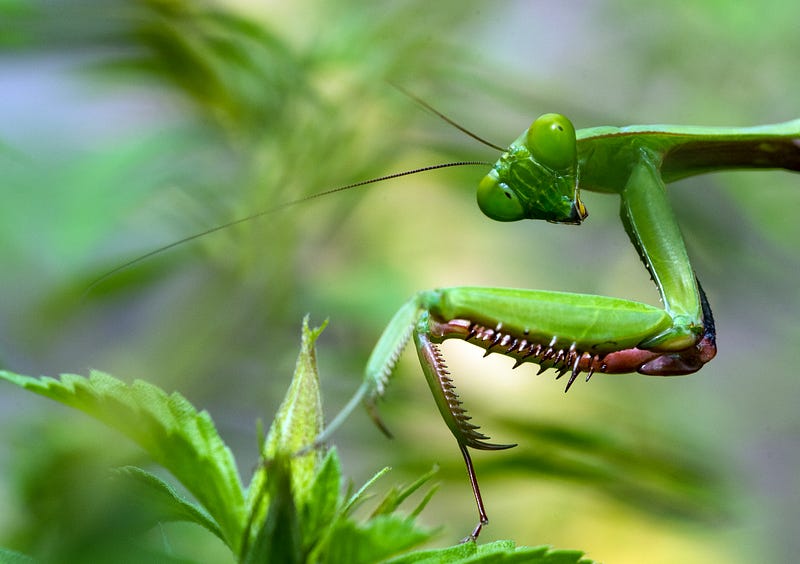
Praying mantises
These voracious predators are so strong and efficient they can even take down a hummingbird! Mostly, though, they’re appreciated in the garden for controlling beetles and other plant-damaging insects.
Ladybugs
Everybody loves ladybugs, but not everyone appreciates the major job they do by eating aphids that suck the juices out of plants.
Spiders
They may creep us out, but the average spider eats about 100 insects a year.
Toads
Just one toad can eat up to 20,000 slugs, flies, grubs, cutworms, or grasshoppers in a single year. That’s a lot of pest management right there.
Bats
Bats consume large quantities of insects and then do double duty by acting as important plant pollinators.
Bees
There are dozens of nut, fruit, vegetable, forage, and seed crops that depend specifically on bees for pollination. Honeybee populations have been decimated in recent years due to a mysterious condition called colony collapse disorder, so they need to get as much protection as we can give them. Native bees are also terrific pollinators and need to have their habitats preserved.
Green lacewings
Green lacewings eat aphids, mites, mealybugs, and other small insects.
Ground beetles
Ground beetles go after cutworms, grubs, root maggots, slugs, and snails. If you have a log or piece of wood lying around your garden, you’ll often find ground beetles underneath.
Hover flies
These flies feed on flower nectar, which makes them excellent pollinators. They also eat aphids and mealybugs.
Hummingbirds
These small birds are busy pollinators, but they also consume a good many insects as part of their daily diet.
You can purchase and release some beneficials, such as ladybugs or green lacewings, into your garden. But if you avoid using pesticides, you will usually find that when your garden develops a problem with a pest, such as aphids, the beneficial insects will find their way to your garden — and their potential food source — soon enough.
If you liked this article, check out these stories too:
Become a member of Medium.com and you’ll get full access to every story on Medium while your membership fee directly supports Claire Splan and thousands of other writers creating fresh stories you’ll want to read.