avatarClaire Splan

Free AI web copilot to create summaries, insights and extended knowledge, download it at here

2806

Abstract

sh</a></figcaption></figure><h1 id="e236">Let your garden be their buffet</h1><p id="110e">When planting to provide food sources for wildlife, consider all types of food: pollen, nectar, berries, seeds, stems, leaves, and the bugs that are attracted to these foods. Yes, you’ll see your plants be nibbled on and your fruit crops pilfered, so plant enough for you <i>and </i>the animals in your garden. Most gardeners find that planting an extra 20 percent of any crop allows enough to share with wildlife.</p><h1 id="e7af">Keep the water fresh and flowing</h1><p id="c5c6">When planning a water source for wildlife, remember that moving water attracts more wildlife than still water. Re-circulating fountains and ponds will attract birds, frogs, toads, lizards, and more, which can in turn help manage the insect population.</p><h1 id="ba97">Control mosquitoes</h1><p id="cdf7">Mosquitoes are more than a nuisance; they can be a vector for serious diseases such as West Nile Virus. They lay their eggs and hatch their larvae on standing water, which can be anything from a birdbath to the water collected in the saucer under a plant pot, so avoid letting water collect in open containers for extended periods.</p><p id="1b1d">If you have a still-water feature, make sure to keep it clean and regularly refilled. You can stock still-water ponds with mosquitofish (<i>Gambusia</i>) to eat the larvae. Another biological control is <a href="https://insectcop.net/mosquito-dunk-review/">mosquito dunks</a>, which kill mosquito larvae (but not adult mosquitos) yet are safe for humans, animals, and plants.</p><p id="0992">You can also discourage mosquitoes in the garden with some heavily scented plants. Good options include lavender, citronella grass, catnip, mint, rosemary, basil, and lemon-scented geraniums.</p><h1 id="0624">Don’t sweep everything away</h1><p id="9fd2">Although it’s important to practice good sanitation in your garden, a certain amount of dead and decaying plant material provides both shelter and food for all kinds of wildlife. Leaving some leaf debris on the ground and using mulch not only feeds the soil with nutrients, but it also keeps it friable, moist, and cool for soil-borne animals like earthworms.</p><h1 id="72f1">Plant, plant, plant!</h1><p id="6e3c">Diverse plantings offer the optimal setting for wildlife but don’t just grow different types of plants. It’s also helpful to select plants that will grow to different heights and have different flowering times, shapes, and sizes. Instead of using just one or two of any type of plant, wherever possible plant multiples <i>en masse</i>; you’ll not only establish a more inviting wildlife habitat, you’ll also create a more visually stunning effect.</p><h1 id="8150">Use barriers and safe repellents around the plants you

Options

really must protect</h1><p id="d30a">If there are crops that you can’t afford to have damaged, use fencing or other barriers to keep marauders out. Netting can be used over fruit trees or bushes but be to check often to make sure birds or other animals haven’t been tangled in the net. Light-reflecting strips dangled from tree branches can deter birds from pecking at the fruit, and strips of fabric soaked in rubbing alcohol can discourage raccoons and squirrels.</p><h2 id="f59b">If you enjoyed this article, here’s another you might be interested in:</h2><div id="70e4" class="link-block"> <a href="https://clairesplan.medium.com/your-cat-wants-you-to-build-him-a-catio-now-please-a98ae454da5f"> <div> <div> <h2>Your Cat Wants You to Build Him a Catio. Now, Please.</h2> <div><h3>A contained patio space is the best and safest way to let your cat experience the outdoors</h3></div> <div><p>clairesplan.medium.com</p></div> </div> <div> <div style="background-image: url(https://miro.readmedium.com/v2/resize:fit:320/0*hYTVp1BcJKVtlpEg)"></div> </div> </div> </a> </div><div id="4422" class="link-block"> <a href="https://readmedium.com/how-to-create-a-pet-friendly-garden-9e57a27bda05"> <div> <div> <h2>How to Create a Pet-Friendly Garden</h2> <div><h3>Protect your pets from the elements and protect your plants from your pets by thinking through what each one needs</h3></div> <div><p>medium.com</p></div> </div> <div> <div style="background-image: url(https://miro.readmedium.com/v2/resize:fit:320/0*LFP8-YDiuiUj16Jo)"></div> </div> </div> </a> </div><div id="c532" class="link-block"> <a href="https://readmedium.com/what-it-means-to-garden-sustainably-f2ca2217a5e7"> <div> <div> <h2>What It Means to Garden Sustainably</h2> <div><h3>There’s more to it than not using pesticides</h3></div> <div><p>medium.com</p></div> </div> <div> <div style="background-image: url(https://miro.readmedium.com/v2/resize:fit:320/0*0VA-hfyZlRi_zxOT)"></div> </div> </div> </a> </div><p id="ab54"><a href="https://clairesplan.medium.com/membership"><i>Become a member of Medium.com</i></a> <i>and you’ll get full access to every story on Medium while your membership fee directly supports Claire Splan and thousands of other writers creating fresh stories you’ll want to read.</i></p></article></body>

Your Garden Needs More Than Plants. It Needs Wildlife.

Here’s how to invite wildlife in and still keep things under control
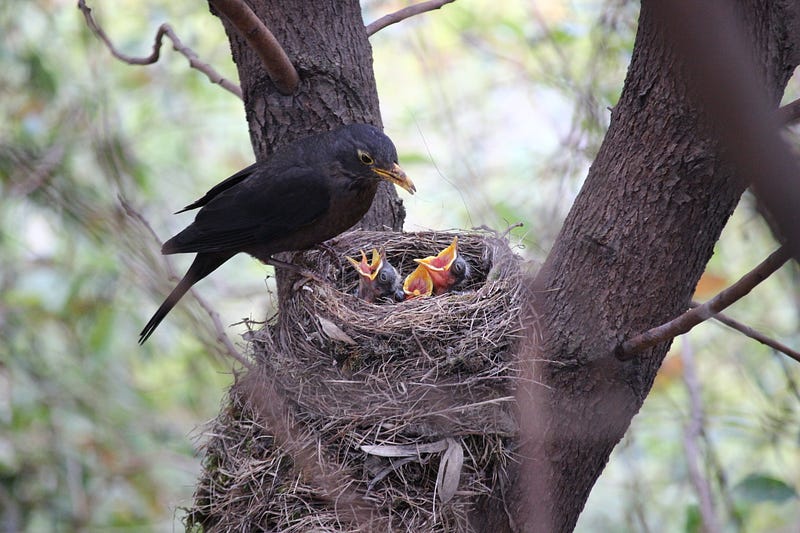
Photo by Fabrizio Frigeni on Unsplash

One of the biggest benefits of gardening is that it creates a point of contact between us and the creatures of the wild. But when people think of encouraging wildlife to come into their gardens, they’re often thinking only of birds, bees, and butterflies. To establish your garden as a place that is welcoming to wildlife, you need to broaden the scope and make it habitable to all kinds of creatures, including reptiles, amphibians, mammals, and yes, even insects.

A garden that is wildlife-friendly provides for all the needs of the animals within — that means food, water, shelter, and places to raise their young. It also means allowing for a certain amount of damage to plants and ornaments in your garden. Fruits and foliage may be eaten or broken by wildlife you consider to be “pests.” But they all have their part to play in creating a well-balanced ecosystem.

Follow these general principles and practices to welcome as many kinds of wildlife as possible and find ways to coexist:

Ban chemical pesticides

This is the single biggest step you can take to creating a healthy garden for wildlife. When you use pesticides with the intention of killing only the “bad bugs,” beneficial insects will inevitably die as well, and larger animals may be affected as well. In addition, by killing the bad bugs, you’ve removed an important food source for other animals that help maintain a balanced ecosystem. If an infestation becomes so bad that you need to use some kind of pesticide, opt for an organic control and use it as sparingly as possible.

Remove or reduce the lawn

Large lawns don’t provide areas of shelter or many food sources for animals. Using that space to grow a more diverse palette of plants is like opening up a smorgasbord for wildlife. As a bonus, by replacing a thirsty lawn with drought-tolerant plants, you’ll save on your water bill.
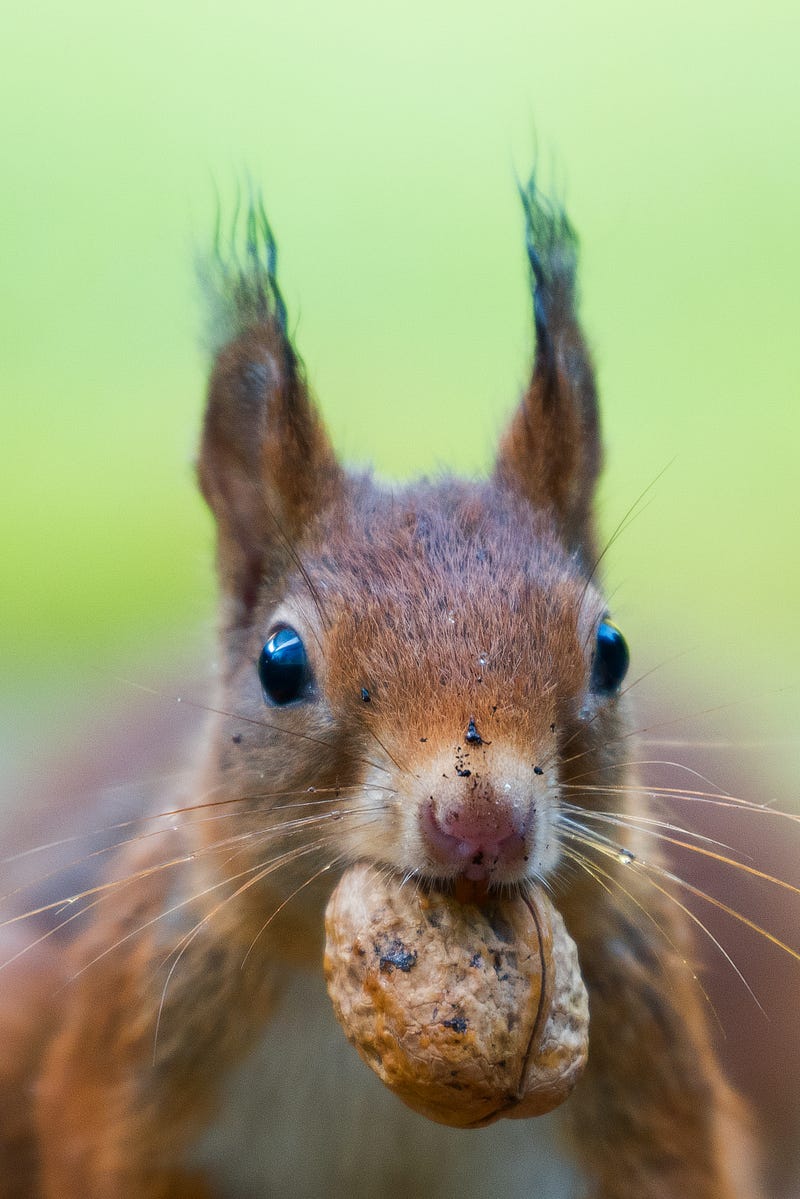
Photo by Vincent van Zalinge on Unsplash

Let your garden be their buffet

When planting to provide food sources for wildlife, consider all types of food: pollen, nectar, berries, seeds, stems, leaves, and the bugs that are attracted to these foods. Yes, you’ll see your plants be nibbled on and your fruit crops pilfered, so plant enough for you and the animals in your garden. Most gardeners find that planting an extra 20 percent of any crop allows enough to share with wildlife.

Keep the water fresh and flowing

When planning a water source for wildlife, remember that moving water attracts more wildlife than still water. Re-circulating fountains and ponds will attract birds, frogs, toads, lizards, and more, which can in turn help manage the insect population.

Control mosquitoes

Mosquitoes are more than a nuisance; they can be a vector for serious diseases such as West Nile Virus. They lay their eggs and hatch their larvae on standing water, which can be anything from a birdbath to the water collected in the saucer under a plant pot, so avoid letting water collect in open containers for extended periods.

If you have a still-water feature, make sure to keep it clean and regularly refilled. You can stock still-water ponds with mosquitofish (Gambusia) to eat the larvae. Another biological control is mosquito dunks, which kill mosquito larvae (but not adult mosquitos) yet are safe for humans, animals, and plants.

You can also discourage mosquitoes in the garden with some heavily scented plants. Good options include lavender, citronella grass, catnip, mint, rosemary, basil, and lemon-scented geraniums.

Don’t sweep everything away

Although it’s important to practice good sanitation in your garden, a certain amount of dead and decaying plant material provides both shelter and food for all kinds of wildlife. Leaving some leaf debris on the ground and using mulch not only feeds the soil with nutrients, but it also keeps it friable, moist, and cool for soil-borne animals like earthworms.

Plant, plant, plant!

Diverse plantings offer the optimal setting for wildlife but don’t just grow different types of plants. It’s also helpful to select plants that will grow to different heights and have different flowering times, shapes, and sizes. Instead of using just one or two of any type of plant, wherever possible plant multiples en masse; you’ll not only establish a more inviting wildlife habitat, you’ll also create a more visually stunning effect.

Use barriers and safe repellents around the plants you really must protect

If there are crops that you can’t afford to have damaged, use fencing or other barriers to keep marauders out. Netting can be used over fruit trees or bushes but be to check often to make sure birds or other animals haven’t been tangled in the net. Light-reflecting strips dangled from tree branches can deter birds from pecking at the fruit, and strips of fabric soaked in rubbing alcohol can discourage raccoons and squirrels.

If you enjoyed this article, here’s another you might be interested in:

Become a member of Medium.com and you’ll get full access to every story on Medium while your membership fee directly supports Claire Splan and thousands of other writers creating fresh stories you’ll want to read.

Gardening
Sustainability
Wildlife
Food
Outdoors
Recommended from ReadMedium
avatarLucy Cyr
MACBA: Barcelona

3 min read