What is G20 and the Success of India’s G20 Presidency Explained
Elaborate article on G20 and how India hosted the G20 Summits across the country, mainly the Delhi Summit
The G-20 as the name suggests, refers top 20 economies in the world. Group 20 or G20 for short, is an intergovernmental forum. It comprises 19 member countries and the European Union. The members are Argentina, Australia, Brazil, Canada, China, France, Germany, India, Indonesia, Italy, Japan, the Republic of Korea, Mexico, the Russian Federation, Saudi Arabia, South Africa, Turkey, the United Kingdom, the United States, and the European Union.
In addition, G20 also has invitee members who are either permanent or guest invitees. Permanent invitees are International Organisations such as International Monetary Fund (IMF), the World Bank, the United Nations (UN), the Organization for Economic Co-operation and Development (OECD), the World Trade Organization (WTO), the International Labour Organization (ILO) and the Financial Stability Board (FSB).
As well as the countries holding the presidencies of the regional organizations such as ASEAN, the African Union, and the Development Program (NEPAD). The only permanent invitee member nation is Spain. The rest of the guest invitees are decided by the host country.
History and Reasoning of G20
G7 was the group of seven developed countries that was established after the collapse of the Bretton Woods System. Since 1990, there have been a lot of problems the world faced. USSR collapsed followed by the emergence of a weak Russia.
In 1994 there was the Mexican Peso crisis. 1997 saw one of the worst economic crises in the world since World War II known as the Thai Baht Crisis which is more prominently known as the Asian Financial Crisis. Even though the Thai Baht Crisis started in Thailand, it spread to its neighbours and the rest of Southeast Asia.
It was the involvement of the USA, EU, China, Japan, and other neighbours that solved this crisis. The era of globalisation and the unipolar nature of the world shifted its pivot to developing countries. By now, G7 understood that the world economy comprises not just developed but also developing countries.
At the Cologne/Koln summit of G7 in 1999, G20 was formed by including 13 developing countries in addition to G7. It was the finance ministers and central bank governors of G7 that decided on the same. Even in 1999, G20 was a low-key system with fewer meetings. G20 was modeled on G7 and is based on consensus.
Since the 2007 financial crisis, G20 started holding annual meetings and expanded with more delegates and participants. G20 has since been known as the premier forum for international economic cooperation.
Need and relevance of G20
The peculiarity of the Group is that it has a mix of both developed and developing countries. G20 controls 75% of the world and comprises 85% of the world’s GDP. G20 sets the international agenda not restricted to economic issues but also trade, security, terrorism, sustainable development and the environment.
These members also hold key to the international political economy and constitute much of the world population. Globalisation requires countries to interact with each other and work together. Although, legally speaking- G20 is not a proper organisation, lacks a charter and is not legally binding upon the parties. In 2020 and 2021, the summits were focused on fighting the pandemic. s
G20 Process
The Troika of G20 holds prime importance in G20, which is the set of three members- the previous host, the current host, and the next host. The Troika is in charge of setting the agenda. G20 has two workstreams- Financial and Sherpa tracks. The financial track is managed by Finance Ministers and Central Bank Governors while Sherpas are personal envoys and oversee negotiations from respective countries.
The decision-making process of G20 is through consensus. There exists no procedure for voting and passing resolutions. G20 only has a consensus which is achieved through dialogue and understanding. G20 is not a single meeting or a summit but is held through multiple meetings and different stakeholders.
The host member is known as the G20 President and that is the one who is in charge of facilitating it for a year. The presidency is rotated every year and each year there is a new host nation. A Secretariat is set up for that year by the host nation to facilitate meetings. The most important meeting of them all is World Leader’s Summit.
India’s G20 Presidency
On December 1st, 2022, India received the G20 Presidency from Indonesia. The time period of the presidency is from December 2022 to November 2023. The present Troika of G20 is Indonesia, India, and Brazil. India held the G20 Presidency in the 2002–03 period as well but then the size and scope of G20 was very limited.
Hence, this G20 would be the largest conference since 1983 to be held in India since the Delhi Non-Aligned-Summit (NAM Summit). India is also the only South Asian country to be part of G20, so India is also representing on behalf of its neighbours as well.
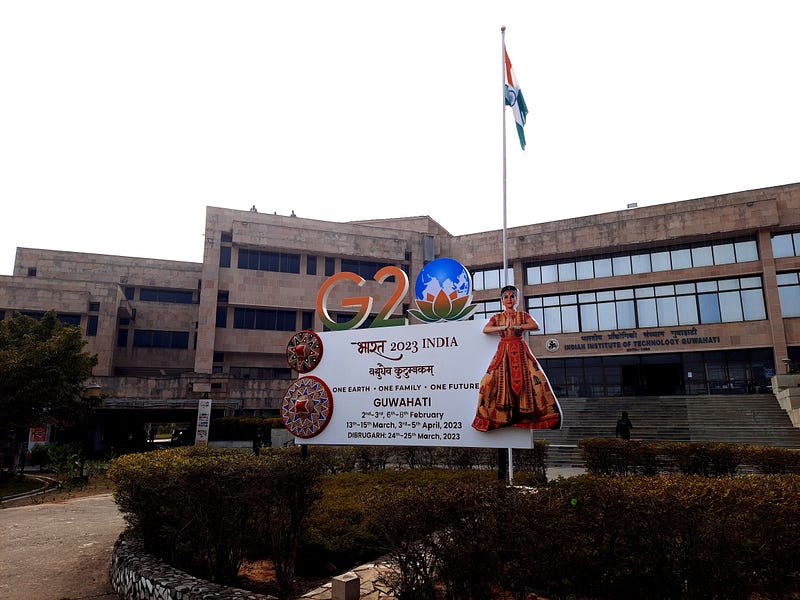
The theme of this year is Vasudhaiva Kudumbakam- One Earth, One Family, One Future. It was held in a larger context of Amrit Kaal- a 25-year period from 2022 to 2047 which will indicate the rise of India. 2047 marks the 100th anniversary of Indian Independence.
India has invited the International Solar Alliance (ISA), Coalition for Disaster Resilient Infrastructure (CDRI) and Asian Development Banks (ADB) as guest International Organisations.
In addition, their invitee members- Spain, Egypt, Bangladesh, the UAE, Oman, Mauritius, Nigeria, Singapore and the Netherlands. Along the lines of G20, India is also collaborating with Japan which happens to be holding the G7 Presidency this year.
The host cities of the meetings are- Bengaluru, Chandigarh, Chennai, Guwahati, Indore, Jodhpur, Khajuraho, Kolkata, Lucknow, Mumbai, Pune, Rann of Kutch, Surat, Thiruvananthapuram, and Udaipur. The idea of taking G20 to all the corners of India has been the biggest success and a symbol of cooperative federalism.
The agenda of the G20 2023 is not restricted to green development, climate finance, inclusive growth, digital economy, public infrastructure, technology transformation, and reforms for women empowerment for socio-economic progress. There are ten engagement groups on various topics to debate on various agendas.
Do read India’s Success Story
G20 Delhi Summit
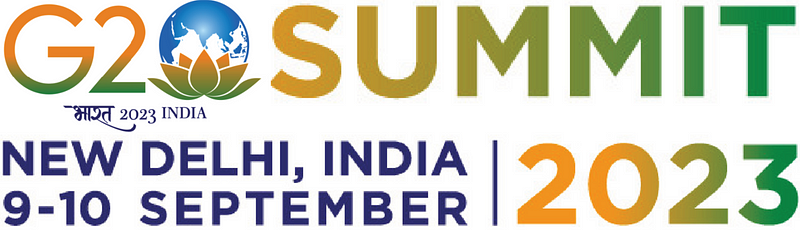
The Delhi 2023 World Leaders Summit 2023 was a grand event held on 9th and 10th September. A formal holiday was declared in the national capital on those days. World leaders arrived at the Palam Airport which is the old airport of the city. The summit saw the attendance of delegates, sherpas, global media and officials across the globe.
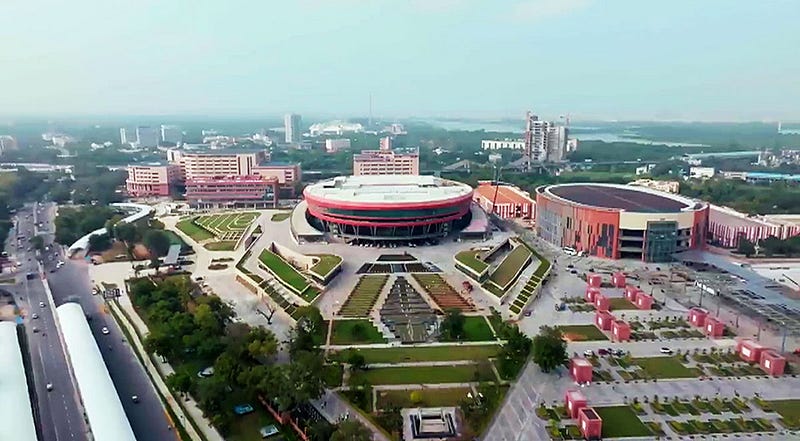
A grand convention centre named Bharat Mandapam was built to host the meetings. The venue was a proper mix of modernity without taking away Indian heritage. There were symbols of Indian culture displayed such as Yoga postures, Historic monuments and much more. The Summit resulted in a consensus despite the polarisation happening across the world.
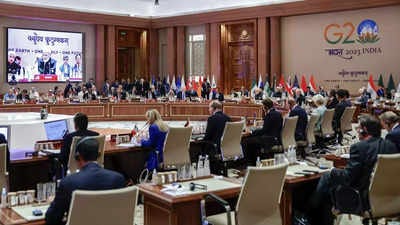
Delhi Declaration was adopted unanimously and called for adhering to the theme, and principles of the UN Charter, making the point against territorial aggression against others without naming Russia. In addition, it comprises of commitment to sustainable developmental goals, preserving the idea of multilateralism, technological collaboration, and international taxation. Besides, India successfully inducted the African Union as a member of G20.
There will be one last online summit in November which will be a review of the implementation of the decided goals before handing over the Presidency formally to Brazil.
For the summit, there was an Official Grand lunch on the first day followed by a Gala Dinner hosted by the President of India, Draupadi Murmu. It was attended by Cabinet Ministers and Chief Ministers of India. The food served was purely vegetarian which India is famous for.
The menu was prepared by including dishes from across the country. The menu also comprised millet-based dishes in connection with the International Year of Millets celebrated this year. India being its largest producer, no one better than India to promote it.
Important leaders who attended are- Joe Biden, Rishi Sunak, Emanuel Macron, Olaf Scholz, Justin Trudeau, Georgi Meloni, Anthony Albanese, Ajit Banga, Ursula Von Der Lyen, Fumio Kishida, Recep Teyep Erdogan, Fateh Al Sisi, Lula D Silva, Sheikh Haseena, Antonio Gutteres, etc. From Russia and China, Sergey Lavrov and Li Qiang attended on behalf of their leaders.
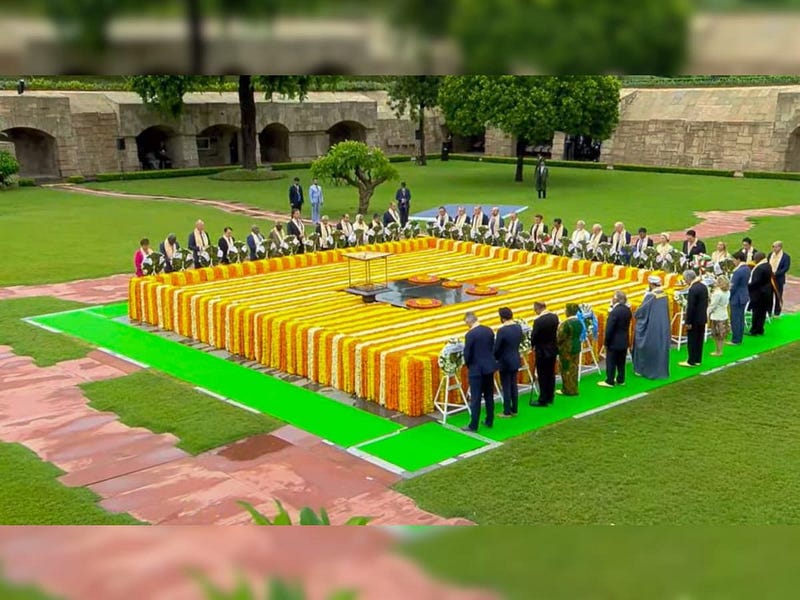
On the second day, the world leaders were given a tour of the Gandhi Memorial at Rajghat. Mahatma Gandhi’s contributions are not just restricted to India but are well known across the world. India did not leave a stone unturned in hosting this summit, making it hospitable and projecting Indian culture.
On the G20 Sidelines, India played a pivotal role in the India-Middle East- Europe Corridor (IMEC) and Global Biofuel Alliance (GBA). IMEC is set to challenge the Chinese Belt and Road Initiative. Both these alliances have the backing of the West.
Apart from the usual direct diplomacy. India exhibited cultural diplomacy, and dinner diplomacy apart from yoga diplomacy.
Challenges
Hosting grand events like these requires a lot of funding. India’s massive expenditure was a matter of concern domestically. Also in the name of Delhi’s beautification, slums were evicted from homes and The most challenging aspect of this tenure was the Russia-Ukraine war.
The West wants to condemn and isolate Russia while India does not want to get caught in the tussle. As a host, India wanted to give importance to everyone which also included Russia, its old ally. Bringing everyone to the table is essential for India to arrive at a consensus which is how G20 works.
For India, this is also held amidst the India-China conflict along the LAC. But here, the West is also aligning with the Indian policy of containing China. Hence, the Delhi G20 Summit saw two important heads of state- Russia’s Vladimir Putin and China’s Xi Jinping absent. India did not want to play any sides and also wanted this G20 Presidency to remain a neutral one. India and China are also competing with each other on who will be the leader of Global South.
How does India see it?
Since India received the charge of hosting G20, the government has been at the forefront of promoting it as India’s golden opportunity to promote itself on the global stage. This has been the cornerstone of PM Modi’s foreign policy since 2014. Nationalism mixed with culture and religion is one of the fundamental values of RSS-BJP and no better venue than G20 not only to boost it for personal and electoral gain but also to showcase it for the rest of the world.
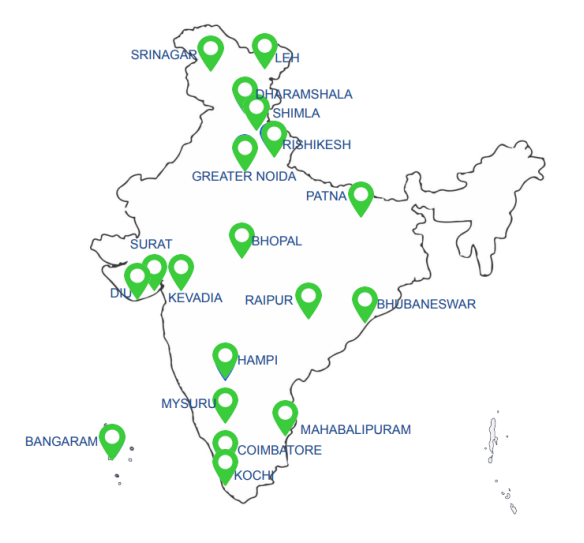
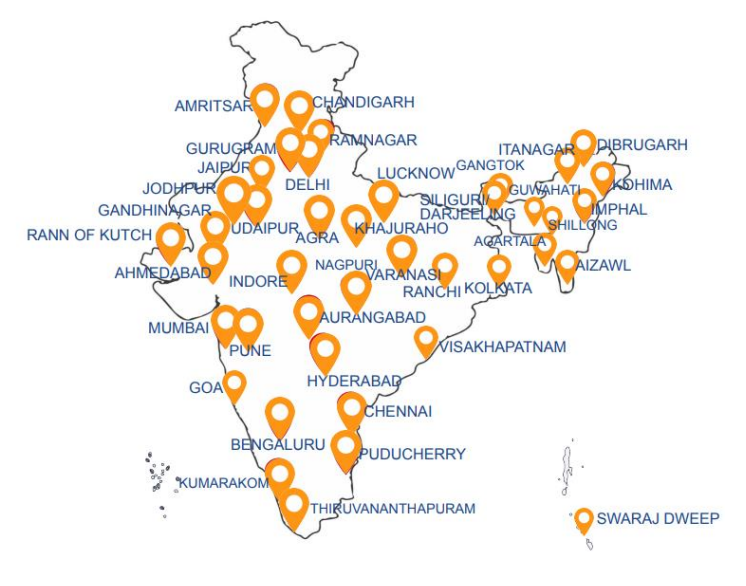
Today G20 is a household name in India, its symbol and theme are displayed everywhere across the country. The present regime has been successful in the publicity and marketing of the event for domestic audiences as well as for foreign consumption. India also showed its diversity by allowing cities from across the country to host various programmes associated with G20 like never before.
Conclusion
India did an excellent job in its tenure as the G20 President. Special thanks to Foreign Minister S Jaishankar and Prime Minister Narendra Modi. As said before, the G20 has raised India’s global stature like never ever before. G20 shows how countries can sit together and have discussions yet few leaders don’t turn up. The discussions were productive and the declaration was acceptable to all sides.
Now the focus would be on more than being just a mere diplomatic gesture, India has milked success by using it to promote Indian values and culture. No doubt, India is seen as one of the important players in the world arena. PM Modi is likely to use this Summit for his electoral gain next year. and he is right in doing so.
Let me know if you have any queries on G20 and what you think of India’s G20 presidency.
References
G20 Website, CFR, MOES, MEA, PIB
Also Read
If you enjoy my content and find it informative, do support me at Buy Me a Coffee. My membership is only $1 per month, which means a lot to me and helps me present the best of the article. If you’re financially capable and willing to support me, please consider taking my membership, it means a lot.
I have started a Telegram Channel which will contain the record of all my articles. Follow my blog for behind-the-scenes and informative content. Do join my medium mailing list.