
What if Something Happened to the Moon?
Would Earth and all life on it meet its demise?
Sometimes I like to speculate on some really interesting hypothetical scenarios. Scenarios that will very likely never happen. I still find myself wondering and I’m sure you’ve also wondered about a few scenarios that might very likely never happen. After all, people are naturally curious beings.
The moon shines in the night sky, with a luminous off white glow. We see it in the sky without a second thought as it wanes and waxes. Have you ever wondered what would happen if something happened to the moon? Like, one night, it was just gone?
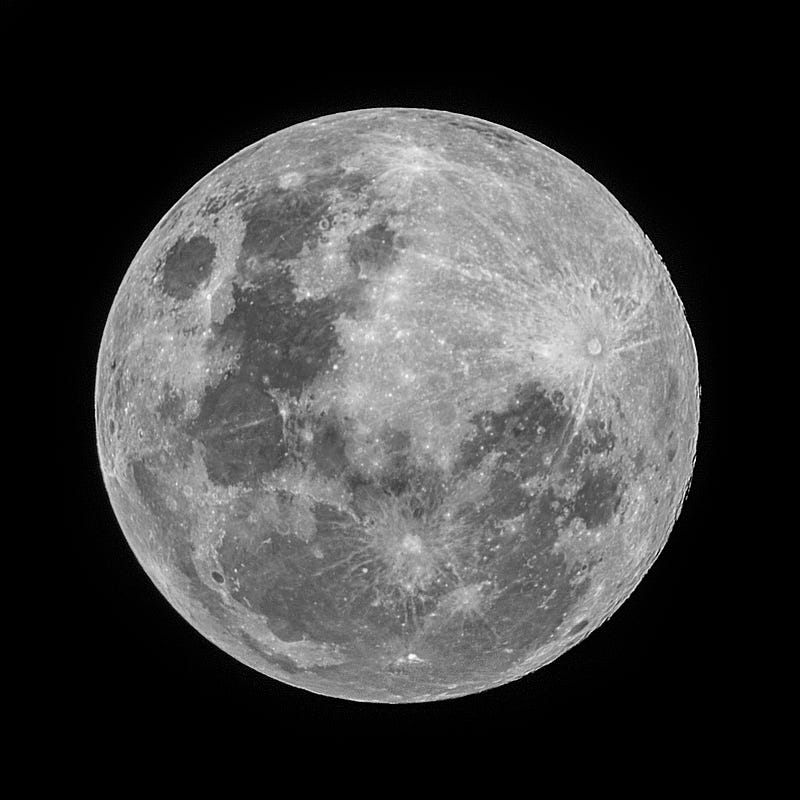
How important really is the moon to our Earth and life on it?
The moon is responsible for so many things here on Earth: The ocean tides and currents, the climate and atmosphere, and perhaps the most important, the tilt of Earth’s axis. Yeah, the moon is a pretty big deal.
Well, here’s what would happen to Earth if something happened to its satellite, the moon:
Earth’s seasons and climate would be greatly impacted
The Earth is on a 23.4⁰ axis and that axis is held secure and steady thanks to the moon. The gravitational pull of the moon slows down Earth’s rotation. Without a steady axis, Earth’s poles and equator would no longer be consistent. The north and sole poles are always cold while the equator is always warm. Without a steady axis, the poles’ consistent coldness and the equator’s consistent warmness would be no more.
Not to mention, with the climate greatly impacted, the weather would be absolutely impossible to even predict.
Earth’s tides would be smaller
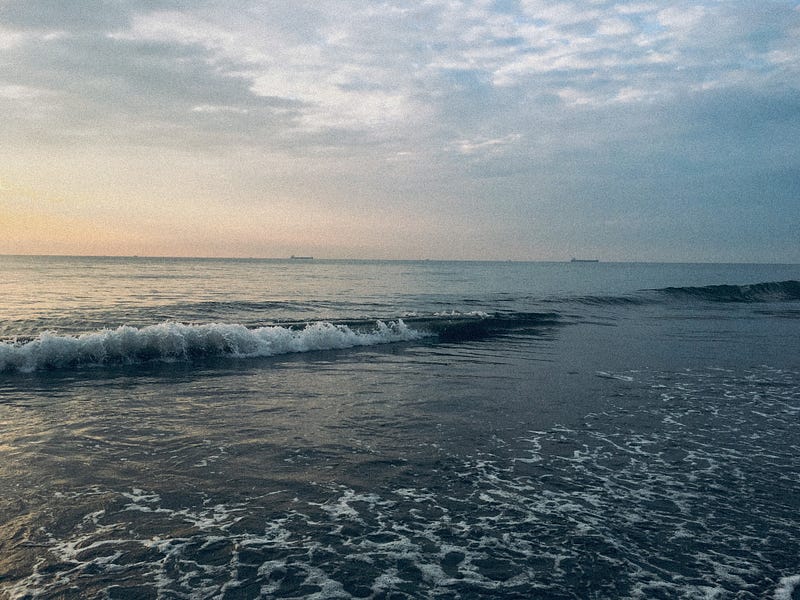
The moon is responsible for Earth’s tides as many of us already know. With the moon gone, high tides and low tides would be noticeably smaller. This will also impact marine wildlife as will be explained in a moment.
It would have an effect on animal life too
There are plenty of animals, more specifically nocturnal that depend on the moon for navigation and locating prey. Without the moon, the night would be incredibly darker and nocturnal animals would have greater difficulty navigating.
Significantly smaller high tides and low tides as previously mentioned would have a huge impact on marine life causing a chain reaction through the ecosystem and food chain.
Earth will always have a 24 hour day
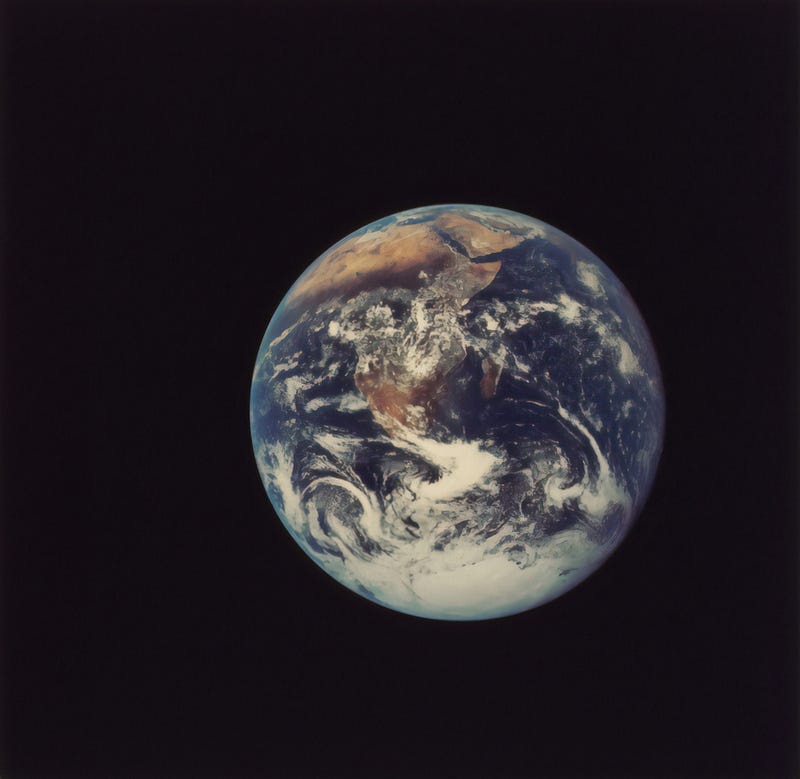
What are you talking about? Earth has always had a 24 hour day! Yes, for as long as humanity has been around but during the time Earth has ever existed, days weren’t always 24 hours long. During the age when dinosaurs existed, a day was 22 hours long. A mere 2 hour time difference sounds insignificant but it really is a big deal if you ponder about it. Heck it would be weird if Earth gained an additional 2+ hours and we now had 26 hour days. Not that many of us would complain about that. Without the moon, the eventual increase of a day on Earth over millions of years would be no more. 24 hours is what a day would be always and forever.
That satellite in our sky, the moon, plays a huge role on Earth and the life that exists on it more than we realize. But would life on Earth meet its demise if something did happen to the moon?
Right now, the moon is moving farther away from Earth at a rate of 1 and 1/2 inches per year. That should be plenty of time for us to figure out what to do in preparation for a moonless Earth. Would we have to leave Earth and find a new habitat? Where would we even go that could possibly sustain life? Mars, maybe, with the right equipment?
At that rate, it will be a million or so years before humanity (if humanity would even still exist) would have to even worry about a world without a moon.
Here are some other articles that might very well fuel your curiosity:
By fellow writer Jose Luis Ontanon Nunez
By fellow writer Tyra Jaide
By fellow writer Lucas Brown
And perhaps one of the most unfathomable concepts I ponder from time to time by fellow writer Aastha
Did you enjoy this story? If so, there are even more fascinating stories from a plethora of other talented writers just waiting to be read! Consider a Medium membership!


