
NUTRITION & MENTAL HEALTH
What Happens To Your Brain If You Snack On Protein Shakes? Science Explains.
Neurotransmitters that regulate mood, concentration and alertness are synthesized from amino acids in the brain.
With the rise of interest in gymming and slimming, protein shake industry is booming given the potential of protein shakes in building muscle and weight loss. Traditionally, protein shakes take the form of a big tub of powder. Nowadays, protein shakes are being manufactured as ready-to-use beverages and marketed on the shelves of supermarkets and grocery stores.
I once asked my friend, “Why did you choose to get a protein shake from a convenience store?”
He replied, “Isn’t it healthier than choosing a fruit juice?”
Whilst it is clear that protein shakes are important to those who want to build muscle and lose weight, can we treat protein shakes as snacks, or like fruit juices that we drink for pleasure?
It is a word of caution for treating protein shakes as snacks.
Since I’ve discussed the controversial effects of protein on longevity and kidney elsewhere on Medium, this article aims to discuss the effects of protein intake on the brain by focusing on:
- The concept of the brain using amino acids to synthesize neurotransmitters (molecules that send signals from one nerve cell to another nerve cell).
- How do protein shakes affect neurotransmitters production?
- The desirable and undesirable effects of protein shake on brain function.
Lastly, I will be giving you three take-home messages.
Key Concept: The Brain Uses Amino Acids To Synthesize Neurotransmitters
The brain is the master regulator of everything. Like other organs, the brain is made of water, fat, protein, carbohydrate, vitamins and minerals. In the brain, there are also neurotransmitters. Guess what? Some neurotransmitters are made from amino acids.
Neurotransmitters are being synthesised in the brain, such as:
- Serotonin, well-known for mood regulation
- Catecholamines, a group of neurotransmitters include adrenaline, noradrenaline and dopamine, well-known for increasing our alertness and concentration to deal with stress.
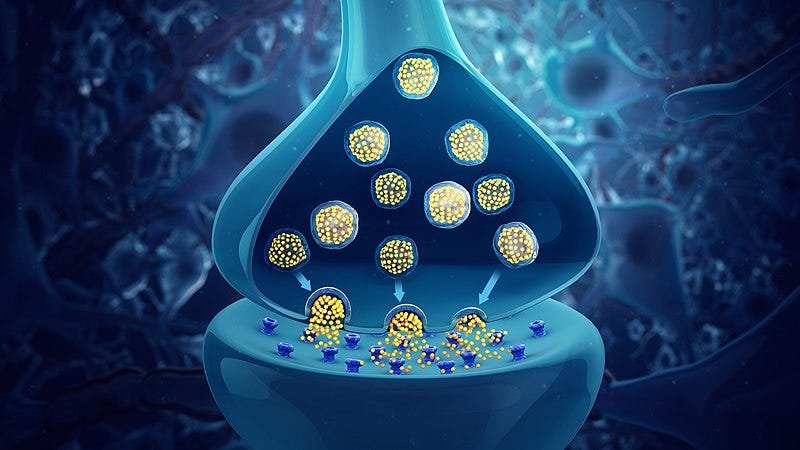
The brain used these amino acids from the brain fluid to synthesize the mentioned neurotransmitters:
- Tryptophan, to synthesize serotonin
- Tyrosine or phenylalanine, to synthesize catecholamines
How Does Protein Shakes Affect Neurotransmitters Production?
Protein shakes are rich in branched-chain amino acids (BCAA) as BCAAs are the most important building blocks of skeletal muscle protein. Apart from BCAAs, protein shakes also contain a complete range of other amino acids to support muscle repair and synthesis.
In the brain, there is a blood-brain-barrier (BBB), a membrane that separates the brain fluid from the blood, safeguarding the brain from toxic substances. All amino acids in the blood are carefully transported across the BBB into the brain by a transporter.
Gaining access to the brain is not as easy as other organs. The BCAAs, along with tryptophan, phenylalanine and tyrosine compete for the same transporter located on the BBB to enter the brain. You can imagine this situation like a group of amino acids rushing through a narrow gate.

When we drink protein shakes, the higher concentration of BCAAs in the blood decreases the chances of tryptophan, phenylalanine and tyrosine entering the brain.
Consuming protein shakes without spending BCAAs can tip the blood amino acid concentration off balance at least in the short term.
The Effects Of Protein Shake On Brain Function
Perception of fatigue at exercise in aerobic athletes
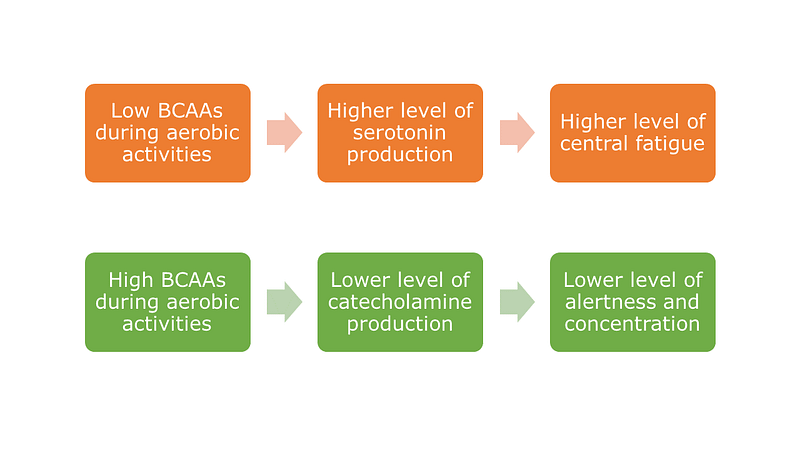
In athletes, protein shakes are required to supply BCAAs to the skeletal muscle during exercises. According to a ‘central fatigue’ hypothesis, during a prolonged aerobic exercise, the loss of physical performance is related to BCAAs depletion, which causes an influx of tryptophan into the brain, leading to serotonin production, a hormone that is known to calm the brain.

Ironically, replenishing BCAAs decreases the supply of tyrosine and phenylalanine to the brain, which in turn decrease catecholamines production in the brain. Catecholamines such as adrenaline and noradrenaline are known to provide you with the physical and mental power to concentrate. Hence, a decrease in catecholamines during a game would be unfavourable.
In short, although BCAAs help with muscle repair, a single drink of protein shake has mixed effects on short-term mental and physical performance. It is believed that through consistent use of protein shakes, the mental and physical performance may be improved in the longer-term.
Mental health in sedentary individuals
If we are sedentary, snacking on protein shakes causes a prolonged elevation of BCAAs concentration in the blood as they are not used for muscle repair. Theoretically, that means less serotonin is being synthesized by the brain and this may affect our mood, at least in the short-term.
Scientists believe that low serotonin in human is related to depression. Hence, some anti-depressant drugs were being made to strengthen the serotonin signalling in the brain.
Researchers have tested the effect of low brain serotonin on mood by using strategies including:
- giving a meal without tryptophan
- giving BCAA supplements to lower the entry of tryptophan into the brain
- blocking the synthesis of serotonin pharmacologically
Despite these strategies successfully lower brain serotonin, but the effects on mood were conflicting. After all, human behaviour is complicated, we do not always tell if we are unhappy. Furthermore, different methods used to test mood may result in different outcomes. Nevertheless, the negative effects of low brain serotonin on mood is most profound in people who are most vulnerable to depression.
When researchers depleted tryptophan from human participants, fMRI scans showed the brain activity that suppresses aggression was diminished. Since our cognitive function is better than animals, we do not always release our anger. If the researchers were to ask the participants, “How angry do you feel?”, the participants can easily give a bias response.
Protein shakes can definitely change our brain biochemistry.
Take-home messages
- Whilst there is no clear evidence that protein shakes cause undesirable behavioural effects in both active and sedentary human, it is a word of caution for treating protein shakes as snacks.
- Protein shakes can definitely change our brain biochemistry. Consuming protein shakes without spending BCAAs can tip the blood amino acid concentration off balance at least in the short term. But, we don’t know to what extent the change in brain biochemistry is sufficient to positively or negatively affect our mood and cognition.
- Serotonin is of much interest because there are many drugs and supplements targetting this neurotransmitter, claiming to improve mood, sleep and suppress depression. Whilst the action of drugs is specific to the brain, the action of tryptophan supplements are not specific to the brain. The increased tryptophan may be used to synthesize molecules other than serotonin, such as protein and kynurenine (90% of tryptophan is used to synthesize this).
Have you ever felt moody, down, or even aggressive after drinking protein shakes but not doing any workout? It is okay if the answer is ‘no’. Our mental health is more than what is determined by our protein intake.
Here’s another relevant article regarding BCAA that you may enjoy:
Thanks for reading.



