avatarJJ Lim, PhD

Free AI web copilot to create summaries, insights and extended knowledge, download it at here

5162

Abstract

ss of muscle mass in the general population.</p><h2 id="dbd7">C. Elderly</h2><blockquote id="a865"><p>“For the first time in history, most people can expect to live into their sixties and beyond”. — <a href="https://www.who.int/news-room/fact-sheets/detail/ageing-and-health">WHO</a></p></blockquote><p id="3324">Not only we want to live longer, but we also want to live healthier. It is a bummer living for a century but spending the last 20 years bedridden. Muscle strength determines mobility. Unfortunately, <a href="https://journals.sagepub.com/doi/full/10.1177/2042018819888824">our muscle declines at about 10% per decade after the age of 50</a>, due to the rate of muscle degradation exceeds muscle synthesis. Elderly require more protein to achieve a similar muscle synthesis rate as the young adults.</p><p id="968a" type="7">The evidence of a high-protein diet to promote weight maintenance and minimise muscle breakdown stands strong.</p><figure id="4561"><img src="https://cdn-images-1.readmedium.com/v2/resize:fit:800/0*H9JiwJkmD1c44bhn"><figcaption>Photo by <a href="https://unsplash.com/@nickkarvounis?utm_source=medium&amp;utm_medium=referral">Nick Karvounis</a> on <a href="https://unsplash.com?utm_source=medium&amp;utm_medium=referral">Unsplash</a></figcaption></figure><h2 id="469e">Evidence that supports protein-restriction diet for longevity normally comes from large observational studies, animal studies and cell studies, with limited human studies:</h2><h2 id="13f9">A. Observational studies</h2><p id="54c0">In a Japanese island of <b>Okinawa</b>, its inhabitants were <a href="https://www.st-va.ncbi.nlm.nih.gov/pmc/articles/PMC3259160/">5 times</a> more likely to reach 90 years old than the rest of Japan. There are many determinants of long life including <a href="https://www.st-va.ncbi.nlm.nih.gov/pmc/articles/PMC3259160/">genetics</a>, but some believe the Okinawan diet might play an important role. It is then “rebranded” as the <b>Blue Zone diet</b>. However, the Okinawan longevity diet challenges the definition of a healthy diet as this diet comprised of <a href="https://www.thelancet.com/journals/ebiom/article/PIIS2352-3964(19)30239-7/fulltext">9% protein, 85% carbohydrate and 6% fat</a>. In overall, they also eat <a href="https://www.thelancet.com/journals/ebiom/article/PIIS2352-3964(19)30239-7/fulltext">10% less calories</a> than their daily energy requirement estimated based on a mathematical model (Harris-Benedict’s Equation).</p><p id="e6d9">Back in the US, animal protein intake was related to <a href="https://www.st-va.ncbi.nlm.nih.gov/pmc/articles/PMC5048552/">greater mortality between 1980–2012</a>, but that was correlated with other risky behavior such as smoking. Nevertheless, plant protein was found to be protective.</p><p id="c3df" type="7">The Okinawan longevity diet challenges the definition of a healthy diet.</p><h2 id="79f8">B. Animal studies</h2><p id="1b43">In mice model, <a href="https://www.pnas.org/content/112/11/3481">maximum longevity</a> was achieved when the mice fed with 9% protein, 85% carbohydrate and 6% fat, similar to the Okinawan diet. However, the mouse of the same population achieved <a href="https://www.pnas.org/content/112/11/3481">better reproduction health</a> when they consumed more protein than carbohydrate. <a href="https://orcid.org/0000-0003-0608-958X">Dr Samantha Solon-Biet</a> from the University of Sydney is a rising scientist who contributed to a series of mice studies over the past 5 years to determine the impact of various protein, carbohydrate and fat combinations on longevity and health.</p><blockquote id="5e2d"><p>“Although a high-protein diet may be good for weight loss, my research suggests that the opposite may be best for us as we age.” <a href="https://www.sydney.edu.au/research/research-impact/the-secret-to-healthy-ageing-is-a-low-protein-high-carb-diet.html">Dr Solon-Biet</a> told us.</p></blockquote><h2 id="fe60">C. Cell studies</h2><p id="edb2"><a href="https://pubmed.ncbi.nlm.nih.gov/30044947/">Cell studies</a> showed that low protein availability in our cells slows the cell growth. A molecular switch turns off the “growth mode” while turns on the “survival mode”. Since accelerated growth leads to accelerated ageing, slowing the growth mechanisms potentially lead to longevity.</p><h2 id="0747">D. Short-to-medium term human studies</h2><p id="272f"><a href="https://pubmed.ncbi.nlm.nih.gov/30044947/">Three human studies</a> ran between 7 — 43 days found that restricted protein intake to less than 10% calories (about 0.6 g protein per kg per day) significantly increase<b> Fibroblast Growth Factor 21 (FGF21)</b>, a liver hormone that regulates energy metabolism. According to a hypothesis, FGF 21 improves liver sensitivity to glucose and insulin, triggering a better regulation of blood glucose, potentially lowering the risks of high blood glucose.</p><figure id="8535"><img src="https://cdn-images-1.readmedium.com/v2/resize:fit:800/0*Nn6YDtLswojWUWKx"><figcaption>Photo by <a href="https://unsplash.com/@emilymorter?utm_source=medium&amp;utm_medium=referral">Emily Morter</a> on <a href="https://unsplash.com

Options

?utm_source=medium&utm_medium=referral">Unsplash</a></figcaption></figure><h1 id="b8be">Questions remained to be answered</h1><h2 id="65b6">A. High-protein diet</h2><p id="0b26">If we are young, healthy, weight stable and not building muscle, should we have a high-protein diet? Scientists advocate a high-protein diet believed the RDA is the minimum protein intake to prevent muscle wasting. However, <b>scientists were not able to show us the optimum protein requirement for a young, healthy, weight stable adults</b> who are not actively building muscle. In a <a href="https://academic.oup.com/ajcn/article/105/3/714/4569695">large observational study in Framingham</a>, those who consumed protein lower than the RDA had lower lean mass, but the higher protein intake beyond RDA did not lead to greater lean mass. More protein is not better probably because most people are not actively engaging in muscle-building activities.</p><p id="9cc8">For considerations regarding meat vs mock meat, please see this article:</p><div id="068a" class="link-block"> <a href="https://readmedium.com/red-meat-protein-is-more-bioavailable-than-mock-meat-good-or-bad-ff0b63f286ba"> <div> <div> <h2>Red Meat Protein is More Bioavailable Than Mock Meat: Good or Bad?</h2> <div><h3>Red meat increases blood amino acids more than mock meat.</h3></div> <div><p>medium.com</p></div> </div> <div> <div style="background-image: url(https://miro.readmedium.com/v2/resize:fit:320/0*m9SevcGpkgoaq984)"></div> </div> </div> </a> </div><h2 id="c37d">B. Protein-restriction diet</h2><p id="e6f8">How much protein should we restrict? In 3 short-to-medium term human studies, <b>restricting protein intake to less than 10% total calories</b> without changing overall calories is <b>challenging our definition of a balanced diet</b>. We shouldn’t rely on recommendations based on 3 short-to-medium term studies as there are plenty of questions left unanswered. Moreover, no human studies show us a protein-restricting diet can lead to a long life. Even if it leads to a long life, animal studies did show us a trade-off between reproductive health and longevity. Moreover,<b> longevity does not necessarily associate with mobility in the late-life. </b>How about the effects of protein-restriction on muscle and mobility? What is the best age in our lives to practice protein-restriction?</p><h1 id="b2d3">Take-away messages</h1><h2 id="3050">1. Why is it okay for some people to have a high-protein diet?</h2><p id="b68a">This is because their body uses most of the protein. The evidence of a high-protein diet to promote weight maintenance and minimise muscle breakdown stands strong. If you already have a balanced diet and not actively building muscle, I would not suggest you consume protein-rich supplements especially those rich in branched-chain amino acids (BCAA). We should not fall into the trap of “more protein is better” since excess BCAA concentration in the blood is associated with insulin resistance. Furthermore, substituting some animal protein to plant protein also lowers your blood BCAA. This is aligned with the idea of protein-restriction diet as <b>animals and</b> <b>people who followed the protein-restricted diet had lower BCAA concentration in their blood</b>.</p><h2 id="898a">2. If I have a low-protein diet, can I live long?</h2><p id="541d"><b>Until there is more evidence</b> from human studies to suggest the RDA for protein is too much for longevity, which I think it will not happen, I will still adhere to the RDA for protein. A golden rule to meet RDA for protein is to ensure we have two palm size of protein food at every main meal. <b>A universal rule for good health</b> is to limit the consumption of refined carbohydrate. This remains to be true with the Okinawan’s longevity diet.</p><figure id="1def"><img src="https://cdn-images-1.readmedium.com/v2/resize:fit:800/1*iILBB6Y__vb5s-1Vl2_FZA.png"><figcaption>Adapted by the author. Image source: <a href="https://www.pxfuel.com/en/search?q=open+palm">Pxfuel</a></figcaption></figure><p id="c5cb">Thank you for reading. If you enjoyed this article, you may wish to check out the following article:</p><div id="460c" class="link-block"> <a href="https://readmedium.com/does-protein-damage-our-kidney-science-explains-4b13708c4624"> <div> <div> <h2>Does Protein Damage Our Kidney? Science Explains.</h2> <div><h3>Kidney disease patients must restrict protein intake but do protein cause kidney disease?</h3></div> <div><p>medium.com</p></div> </div> <div> <div style="background-image: url(https://miro.readmedium.com/v2/resize:fit:320/0*zXMcCrHv8_ywcPtO)"></div> </div> </div> </a> </div><figure id="4345"><img src="https://cdn-images-1.readmedium.com/v2/resize:fit:800/1*oK_6-IoNOGdkyc1t0Uv2QQ.png"><figcaption></figcaption></figure></article></body>

NUTRITION AND METABOLISM

Be Fit Or Long-Lived: High-Protein For Fitness; Protein-Restriction For Longevity?

Weighing the evidence between the health benefits of a high-protein diet and a protein-restricted diet.

Source: Flickr from Manel Torralba

Be fit or long-lived? Can we be both fit and long-lived?

“Survival of the fittest” is one of the core concepts of evolution, which means an organism that is fitter (stronger) has a better chance of successful mating and reproducing. In pure nature, the purpose of life is to reproduce, ensuring the continuity of the species. That is probably why most modern diseases such as diabetes, cardiovascular disease and cancer are more prevalent in the post-reproduction years. According to the concept of evolution, post-reproduction years have little benefits towards ensuring the continuity of species hence we are not evolved to develop resilience to these diseases.

You might have heard that a high-protein diet promotes fitness; whereas protein-restriction promotes longevity.

Some nutrition experts encourage the use of high-protein diet to:

  • Promote weight loss and weight maintenance
  • Increase feelings of satiety
  • Maintain or improve muscle mass

Meanwhile, some nutrition experts encourage the use of protein-restricted diet to:

  • Improve longevity
  • Prevent high-protein insulin resistance

Be fit or long-lived? Can we be both fit and long-lived?

Photo by Sebastian Herrmann on Unsplash

I bet you looked like the guy in the picture above just a moment ago. These are two contradicting diets at first sight. Thus, this article briefly discusses the benefits of both diets and to share my insights on:

1. What are the caveats of these dietary recommendations?

2. What are the questions remained to be answered?

Lastly, I will give you two important take-home messages based on the current understanding of science.

Caveats of high-protein vs protein-restricted diet

The major caveats of both high-protein and protein-restricted diet recommendation lie in their study designs. These studies can hardly justify whether an average healthy and normal-weight adult can reap the benefit of a high-protein or a protein-restricted diet.

The Recommended Dietary Allowance (RDA) for protein (0.8 g protein per kg of body weight) is designed to achieve protein balance, which is enough to prevent muscle wasting. However, there is no formal definition of a high-protein diet, nutrition experts generally agree a high-protein diet should consist of at least 1.2 g protein per kg of body weight.

Photo by Kate Trysh on Unsplash

A high-protein diet is normally tested on people with special needs:

A. Overweight or obese

When a high protein diet is tested under the condition of a calorie-restricted diet to achieve a calorie deficit, it helps to maintain muscle mass while allowing fat loss. Protein is an amazing macronutrient that stimulates the secretion of both insulin and glucagon simultaneously. Insulin is a “storage hormone” that prevents muscle breakdown; whereas glucagon is a “fasting hormone” that stimulates fat burning. The combination of insulin and glucagon using a high-protein in combination with a low-carbohydrate diet is perfect for weight management.

B. Muscle builders and athletes

Since protein is a major component of muscle fiber, muscle builders and athletes must consume a high-protein intake to increase and maintain their muscle mass. Routine and structured exercises are prerequisites to greater muscle mass using a high-protein diet. Hence, merely having more protein in the diet can do no more than preventing the loss of muscle mass in the general population.

C. Elderly

“For the first time in history, most people can expect to live into their sixties and beyond”. — WHO

Not only we want to live longer, but we also want to live healthier. It is a bummer living for a century but spending the last 20 years bedridden. Muscle strength determines mobility. Unfortunately, our muscle declines at about 10% per decade after the age of 50, due to the rate of muscle degradation exceeds muscle synthesis. Elderly require more protein to achieve a similar muscle synthesis rate as the young adults.

The evidence of a high-protein diet to promote weight maintenance and minimise muscle breakdown stands strong.

Photo by Nick Karvounis on Unsplash

Evidence that supports protein-restriction diet for longevity normally comes from large observational studies, animal studies and cell studies, with limited human studies:

A. Observational studies

In a Japanese island of Okinawa, its inhabitants were 5 times more likely to reach 90 years old than the rest of Japan. There are many determinants of long life including genetics, but some believe the Okinawan diet might play an important role. It is then “rebranded” as the Blue Zone diet. However, the Okinawan longevity diet challenges the definition of a healthy diet as this diet comprised of 9% protein, 85% carbohydrate and 6% fat. In overall, they also eat 10% less calories than their daily energy requirement estimated based on a mathematical model (Harris-Benedict’s Equation).

Back in the US, animal protein intake was related to greater mortality between 1980–2012, but that was correlated with other risky behavior such as smoking. Nevertheless, plant protein was found to be protective.

The Okinawan longevity diet challenges the definition of a healthy diet.

B. Animal studies

In mice model, maximum longevity was achieved when the mice fed with 9% protein, 85% carbohydrate and 6% fat, similar to the Okinawan diet. However, the mouse of the same population achieved better reproduction health when they consumed more protein than carbohydrate. Dr Samantha Solon-Biet from the University of Sydney is a rising scientist who contributed to a series of mice studies over the past 5 years to determine the impact of various protein, carbohydrate and fat combinations on longevity and health.

“Although a high-protein diet may be good for weight loss, my research suggests that the opposite may be best for us as we age.” Dr Solon-Biet told us.

C. Cell studies

Cell studies showed that low protein availability in our cells slows the cell growth. A molecular switch turns off the “growth mode” while turns on the “survival mode”. Since accelerated growth leads to accelerated ageing, slowing the growth mechanisms potentially lead to longevity.

D. Short-to-medium term human studies

Three human studies ran between 7 — 43 days found that restricted protein intake to less than 10% calories (about 0.6 g protein per kg per day) significantly increase Fibroblast Growth Factor 21 (FGF21), a liver hormone that regulates energy metabolism. According to a hypothesis, FGF 21 improves liver sensitivity to glucose and insulin, triggering a better regulation of blood glucose, potentially lowering the risks of high blood glucose.

Photo by Emily Morter on Unsplash

Questions remained to be answered

A. High-protein diet

If we are young, healthy, weight stable and not building muscle, should we have a high-protein diet? Scientists advocate a high-protein diet believed the RDA is the minimum protein intake to prevent muscle wasting. However, scientists were not able to show us the optimum protein requirement for a young, healthy, weight stable adults who are not actively building muscle. In a large observational study in Framingham, those who consumed protein lower than the RDA had lower lean mass, but the higher protein intake beyond RDA did not lead to greater lean mass. More protein is not better probably because most people are not actively engaging in muscle-building activities.

For considerations regarding meat vs mock meat, please see this article:

B. Protein-restriction diet

How much protein should we restrict? In 3 short-to-medium term human studies, restricting protein intake to less than 10% total calories without changing overall calories is challenging our definition of a balanced diet. We shouldn’t rely on recommendations based on 3 short-to-medium term studies as there are plenty of questions left unanswered. Moreover, no human studies show us a protein-restricting diet can lead to a long life. Even if it leads to a long life, animal studies did show us a trade-off between reproductive health and longevity. Moreover, longevity does not necessarily associate with mobility in the late-life. How about the effects of protein-restriction on muscle and mobility? What is the best age in our lives to practice protein-restriction?

Take-away messages

1. Why is it okay for some people to have a high-protein diet?

This is because their body uses most of the protein. The evidence of a high-protein diet to promote weight maintenance and minimise muscle breakdown stands strong. If you already have a balanced diet and not actively building muscle, I would not suggest you consume protein-rich supplements especially those rich in branched-chain amino acids (BCAA). We should not fall into the trap of “more protein is better” since excess BCAA concentration in the blood is associated with insulin resistance. Furthermore, substituting some animal protein to plant protein also lowers your blood BCAA. This is aligned with the idea of protein-restriction diet as animals and people who followed the protein-restricted diet had lower BCAA concentration in their blood.

2. If I have a low-protein diet, can I live long?

Until there is more evidence from human studies to suggest the RDA for protein is too much for longevity, which I think it will not happen, I will still adhere to the RDA for protein. A golden rule to meet RDA for protein is to ensure we have two palm size of protein food at every main meal. A universal rule for good health is to limit the consumption of refined carbohydrate. This remains to be true with the Okinawan’s longevity diet.
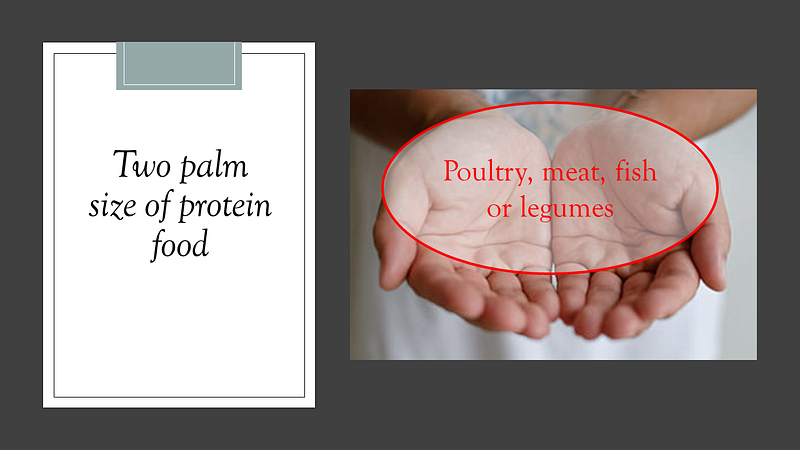
Adapted by the author. Image source: Pxfuel

Thank you for reading. If you enjoyed this article, you may wish to check out the following article:

Longevity
Protein
Fitness
Health
Science
Recommended from ReadMedium