
Abuse Has No Excuse
What Does Male Domestic Abuse Look Like?
Abuse Against Men Is More Common Than You Think.
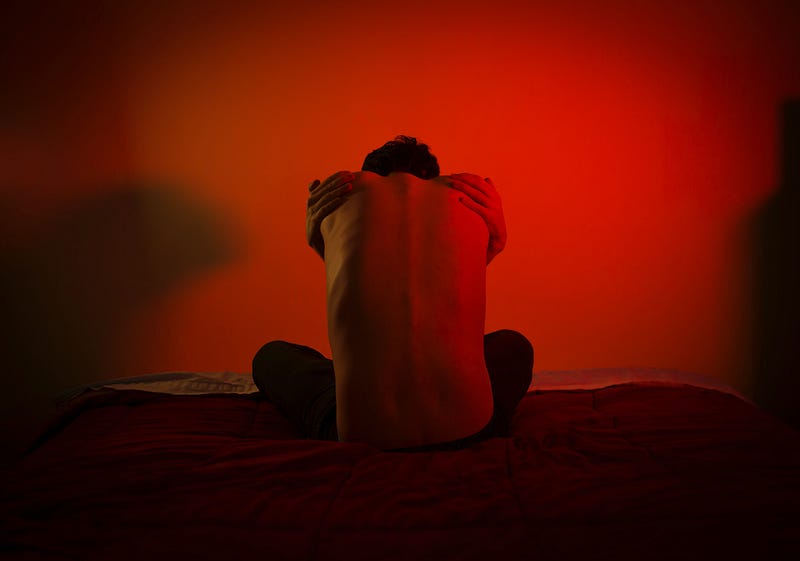
I’ve recently written a viral article where I have described how women emotionally abuse men. Many men related to this article. Unfortunately, male domestic abuse is more common than we think.
After writing this article, a mysterious person sent me a tip of $5, with a note: “Thank you for supporting the victims of abuse”. I wish I would not need to write about this topic so much — but it feels as if not enough men are able to speak up.
Someone has to then.
I’ve already received a fair share of negative comments, mostly from women, and it saddens me to read them. I’ve experienced my fair share of abuse, and it seems that nearly everyone has been through one form or another. I write of what I know, and I know that men are being daily abused by women and that fewer resources are available to them to support them.
Last Friday my friend called me up while I was at work. His girlfriend has assaulted him, again. The reason — he had to go to the office while she demanded that he stay and work from home. For the last 6 months, she has been very possessive of him and has had a few mental breakdowns which resulted in him being assaulted by her.
I was the first person he told. The situation has escalated to the point where he had to leave home. He had to stay at his mother's.
His girlfriend once again promised that she will change and he is back with her — they have a child together. It's very hard for victims of abuse to leave the abusers. They hope for the best — for the abuse to stop.
We all know that domestic violence is a big issue in our society. But how many of us are aware that this affects men too?
Domestic abuse against men can include both physical violence, emotional and psychological. It also includes bullying, belittling, withholding, financial control, alienation of children.
Men who are abused experience these behaviours:
- Mocking, insults, repeated criticism, name-calling;
- They are constantly being checked, followed, called up and controlled;
- They experience threats — quite often suicide threats and attacks;
- They have their personal stuff destroyed;
- They have their finances controlled;
- They are stopped from speaking and seeing family and friends;
- They are being lied to and blamed for things that aren’t their fault.
Abusers will say something like this:
- “If you would just listen to me, then I wouldn’t have to act this way.”
- “I wouldn’t have you hit you if you hadn’t responded to that message…”
- “I’m only angry because you want to go out with your friends without me!”
When we speak of abuse we mostly think of men abusing women. Not the other way round. We know that men should not hit women — it’s outrageous.
People should not hit each other. Period.
Hollywood movies tend to focus on creating plotlines where they depict men abusing women. Somehow it's easier to depict a large strong man abusing a fragile woman because it fits the gender roles. A strong, big man being abused by a fragile woman — hitting him, scratching him, biting him, throwing plates and knives at him and controlling his finances doesn’t make money in cinemas and just feels off.
It doesn’t fit the stereotypes.
Men, like any other victims of abuse, ignore these red signs for a long period of time, they don’t speak about it and stay in toxic relationships feeling hopeless and helpless. In time they stop calling friends, going out, visiting family and they give all the money to their partner to avoid further abuse.
However, the abuse never stops.
They will be always something else that would not be right by the abuser and would then excuse the further abuse. They will always find flaws and will continue to restrict the victim's behaviours.
Domestic abuse has a serious psychological impact. If you are being abused, the first step to protecting yourself is to reach out — talk to a friend, family member, or someone else you trust.
Other things that you should do are:
- Don’t hit your partner back — it will go against you;
- Make recordings of the abuse and note down the incidents;
- Report the incident to the police, child protective services (if you have children with the abuser)or to medical professionals.
Unfortunately, the abuse won’t stop until it's stopped.
It may take you years to take that step and leave but every time you speak of it, note down the incidents or consider leaving your partner — you are one step closer to becoming yourself once again.
Remember you are not alone.
#AbuseHasNoExcuse
Want to support my journey and buy me a coffee?
Please do HERE.
Want to read more and write yourself?
SUBSCRIBE BELOW!