
BIG TALK
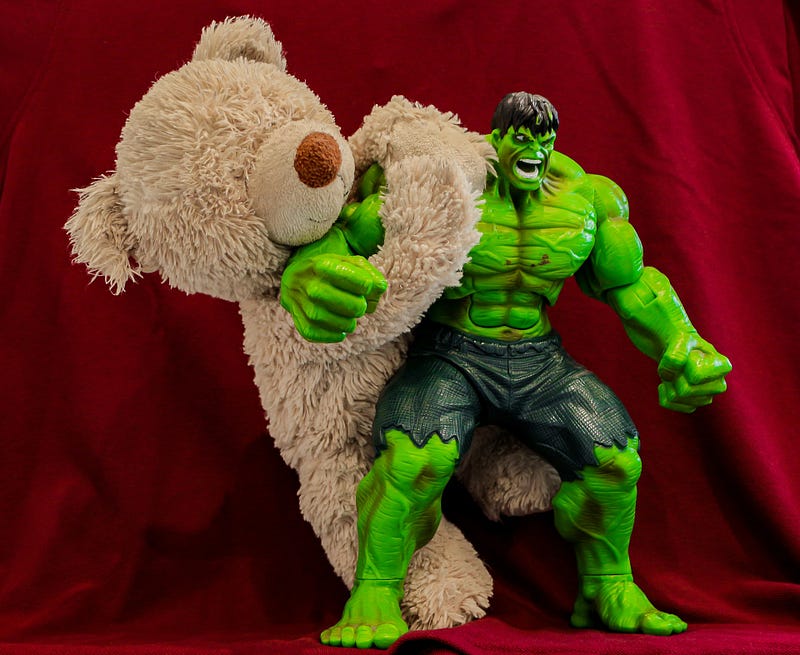
What Do We Tell Children About the Wars Between the World’s Teddy Bears and Hulks?
It is challenging.
People carrying bomb-ruined lives in small luggage is a reality we can't ignore.
Our children will see it soon or have already seen it. They have questions and fears we can't look away from.
But war equals the worst dictionary words and we parents find it so difficult to explain it to them. Often it's difficult to explain it to ourselves.
So, what do we do?
In difficult times, we need to use our best judgment, carefully pick our information sources, and focus on what gives us some mental comfort and safety feeling, on what we can control.
Guiding how our children perceive the reality of war is one of the things we can control, to some extent. Here's what might help us do it better.
The war seen through a child's eyes
If you take nothing else out of this article, I want it to be the poem linked below.
Children outside the conflict area will probably hear about the war on TV, from friends, or from adults talking about it without paying attention to the little ones in the room. How do they see what they hear?
I found a poem explaining the war to children in elementary language on this website — WAR: A CHILDREN'S BOOK.
It's an excellent approach you can have with kids, and it will impress you from the start, as it depicts the war seen through a child's eyes:
It’s just after dinner, You’re full and you’re warm, You’ve eaten your veggies and finished your chores, You’ve done all your homework and helped with the cleaning. Now here comes the moment that gives the day meaning: It’s time to unwind with life’s little joys Mom turns on the TV and you take out your toys.
As Mom flips the channel to the evening news You see lots of things that are bound to confuse. You hear of strange places, with many strange names, You see all these faces and they all look the same: They’re crying, they’re yelling, they’re covered in grime There’s screaming, there’s frowning, and you think all the time: They all look the same. It’s worth saying again: The same as your parents, the same as your friends, The same as your sister, your brother, your teacher The same as your rabbi or imam or preacher.
What you see in these strange places is something called WAR. It’s something a lot of folks choose to ignore. Because your feel safe, in your home with your mom your dad or your grandma, your cat or your dog Hugging your teddy in a soft bed at night Dad’s checked under for monsters, there’s no reason for fright. It’s easy to think every kid feels this way But that’s simply not true in the world of today. In a whole lot of places less lucky than we Destruction and sadness are all people see.

Once you know what goes on in the head of the child, you'll have a slightly clearer image of how to start this big talk.
One more thing before you begin, though.
The war seen through your eyes
Conversations with children can easily throw us offside, which is why we must enter them prepared.
Before you talk to your child, take time to reflect on what the war means to you. How you feel about it. What are your fears and insecurities.
The worst place to figure out your big feelings is during a delicate conversation with a small child.
Maybe you've heard it before — trauma passes from one generation to another. What you feel today may come from your distant past, and you may not even be aware of it until you give your inner thoughts a closer look.
I'm from Romania, a land currently at the war zone border. My country has long been at the intersection of many conquering routes. My ancestors have been through wars a lot more than other people in other parts of the world. So my anxiety may be significantly higher during these times, as opposed to the feelings of someone from a country that mainly occupied other countries throughout its history.
With your feelings sorted, start thinking of what's suitable to tell your child, depending on their age and awareness level.
Know what is age-appropriate
We all heard we must adapt the information we feed kids with.
But if you have a small child or only one child, you may not know what's appropriate for them to know, especially when it comes to war. I often don't know how much to share about far less complicated issues with my three-year-old.
When he asked me out of the blue — When is Putin going to come to our home? — I knew I had made some mistakes so far already.
So, I looked into what children of different ages might feel or need to know. That's how I found parenting expert Dr. Deborah Gilboa talking on this topic:
Children under the age of 8 don't need to know or be told about war unless they ask or have been exposed to information accidentally. With them, messages should be short and clear, stating there's a war with Russian and Ukrainian soldiers and that they (the child and their family) are currently safe. Emphasize safety and assure them you're open to dialogue "when" they have more questions. Gilboa insists on using "when" instead of "if" to show greater communication openness.
Children aged 8–10 will start asking questions themselves, allowing parents to discover what worries them. Don't know what to tell them? Admit, commit to searching for answers, and share your findings with the children. The message should be clear, with simple words, making the kids feel safe. Gilboa suggests that, at this age, it may be appropriate to insert a moral lesson, too, like a message related to patriotism.
Middle-school children will have lots of questions and worries. We mustn't assume those worries and, instead, ask them directly. If they have the wrong information, we want to correct it. If they ask things we don't know how to answer to, we should be searching for those answers together at this age. It's an opportunity to guide children on picking their information sources and work on their critical thinking.
High school students have their own information and opinions. Parents will want to have a deeper conversation with them, trying to know the children's views, share theirs as adults, and learn where the children are taking their information from — as in who are the persons their teenagers are most influenced by. Very important, at this age, children might be worried about the possibility of being recruited themselves, a topic likely to occur in your conversations.
You can read the extended article from today.com where Dr. Deborah Gilboa expands on all these age groups here.
Understand children's needs
In a nutshell, children deserve to know what happens in their world — in simple language and simplified facts they can understand. Also, they need to feel safe and secure, with their routines in place as much as possible and limited access to war news.
It might feel like an inappropriate comparison, but talking to children about war is similar to talking about sex. It is essential, they will sooner or later find out about it, and if they get their information from the wrong sources, they risk ending up traumatized.

We want to protect our children from knowing about war, but we can't and shouldn't. Our job isn't to protect kids from anything and everything. Our job is to guide them to cope with anything and everything that life will throw at them, including wars.
And as the poem says, we can only end wars if enough people care:
This is an explanation of war, its roots and its causes. War is as old as human history, with very few pauses. The difference today is how we perceive it. People used to think war was great, if you can believe it, But war has been shown to cause only pain A lazy solution that takes far less brains. War is a problem, it isn’t an answer. Fighting to solve problems only worsens the anger. When you see all of this, it may feel just too much, But nothing will change if we give into such Feelings as hopelessness, doubt or despair: We can end war, if enough people care.
So, let's all remember that children need to:
Know what's happening — we won't start telling a three-year-old about war if he doesn't pick it up, but we do tell an older child if he catches the news on TV or the internet.
Get explanations they can understand — we must adapt our answers to their power of understanding. It helps to start from what they already know and see what pieces of information they need us to fill in for them.
Get information from their parents — a controlled source of information is essential with any delicate topic. Children should hear about the war from their parents. Not by themselves, from the web, TV, or friends — unfiltered information can traumatize them unnecessarily.
See us calm — when the world is going crazy, the last thing they need is for their parents to go bananas too. After all, the need for security comes only second after the physiological needs in Maslow's hierarchy of needs.
Have hope — when telling them about horrific things, it is essential that we also tell them how other people are trying to find solutions in the war zones and for the refugees fleeing their countries. That such conflicts occurred before, and that they all eventually end.
Stick to their routines — children thrive from routines, and as much as we can, it is best to stick to theirs and limit exposure to war-related information.
What parents can do, specifically
Each child is unique, so, depending on their age, temperament, and level of social or media exposure, they might need a different approach from their parents.
Take cues before anything
Don't overshare or force information the child isn't asking for.
If the child already knows/heard about the war, start a conversation to learn exactly what they know and feel.
Is the child currently unaware of it? Keep a close eye on them and the kind of news they are exposed to.
Are you already getting questions from the child? Don't assume they are scared and need reassurance. Kids can also be just curious. Again, ask how they feel before you decide what to say.
The child knows about war but isn't showing any signs of anxiety? Don't assume they're not anxious. Some children worry and suffer in silence, and you might notice changes in their everyday life patterns, like sleep difficulties, a lack of appetite, or, on the contrary, a tendency to exaggerate with their comfort foods. Pay attention to anything unusual.
Know what scares them
We may fear many things as parents, including a potential nuclear war. But our children don't necessarily have the same fears as we do.
What are they terrified of? That you or they are going to die? That there will be a food shortage, and they'll see atrocities and people wounded everywhere? That their city will be invaded or bombarded, or that they will be forced to fight themselves?
Only when you know their exact fears can you explain or suggest solutions that would ease worries rather than amplify those worries by oversharing.
Now, whatever answers you get, never ever tell a child that they're overreacting. And don't tell them to calm down either.
Empathy is key, followed by offering practical solutions or suggestions. The priority is to make the child feel understood and safe.
Feed them the right information
When your child needs information, you want to be the one who delivers it — or, at the very least, accompany them through getting the information from someone with higher knowledge.
Keep a calm and friendly tone, give them facts and numbers, even with a map in front of you, focusing on making this information transfer natural and anxiety-free, as much as possible.
Ask them how they feel and be honest about how you feel. Admit it if you're feeling sad, scared, or even furious, but don't exaggerate and don't project your negative emotions onto them.
The focus should be on normalizing your feelings and theirs, while suggesting that you focus on what you can control. This means you might also have to share a plan with them, letting them know at what stage you think you should take action that will directly impact your current life.
Let them know that, even though it might look like the world isn't doing much about the war right now, there are, in fact, things that we do. That many people work to help those in need in Ukraine and abroad, and individuals and groups are looking for solutions.
Let them know about NATO, the economic sanctions, and the fact that Russia cannot afford to keep going with this war for too long. Give them the facts that bring hope.
Protect them from overwhelming news and images
Small children will need you to give them the information.
Older children might want to surf the news by themselves, in which case you could either pick the materials you consider safe for them to read/watch or let them make their own choices and then discuss it.
Asking children the right questions, like which news made them feel scared and which news helped them understand what's happening, is an excellent way to support and guide them in picking their sources of information.
Otherwise, avoid staying with the TV or the radio on, and keep a very close eye on what the kids do online.
All those "breaking news" and artificially inflated perspectives, the rapid change of images, the concerned voices won't do any good to either children or adults.
What we can expect from children
Talking is key, but children communicate through more than just words. They might…
Cry a lot Think about death Overwhelm you with questions Want to know how they can help Shut down and barely talk about war Start showing sleeping or eating changes Fake bravery when they're pretty scared Fear for themselves or the people directly involved in the war zone Repeatedly come to you with many of the questions you already answered Need you to spend extra time with them, reading them stories about fights where the good wins or helping them navigate through the information sources
And, if we're being honest, we can also expect children to surprise us with their creativity. Aside from asking them how they feel and what they fear, we should also consider asking them what would make them feel better or what solutions they suggest to the issues you discover together.
Insert a small lesson
As worried and disheartened we are about the current war in Ukraine, the truth is there are and have been worse in many other parts of the world.
We know of some of them. We're clueless of many others. We can never know when we might find ourselves victims of people blinded by the desire to gain power over others.
Children must know that things we cannot control might happen at any time. What we can control is how we react to those things. And also, how we react during moments of tranquility.
Because life can be so unpredictable, we have all the reasons to live every day at its fullest, make the most of our lives, appreciate what we have right now, right here, while we still have it. While we still are.
I hope at least some of this helps 💔
In the end, I'd love to share with you a thought-provoking piece by Sarah Paris, one of the lovely, witty, and often funny voices on this platform. This time, a piece on why we should all care about what's happening in the world right now:
Thank you for making it to the end! I've got more stories like this one if you want to peek:
You can get unlimited access to all Medium stories for only $5 a month. I'll receive a commission at no additional cost to you if you sign up through my link.


