
What do these 12 programming languages say about your psychology?
Tell me what your favorite language is, and I’ll tell you who you are.
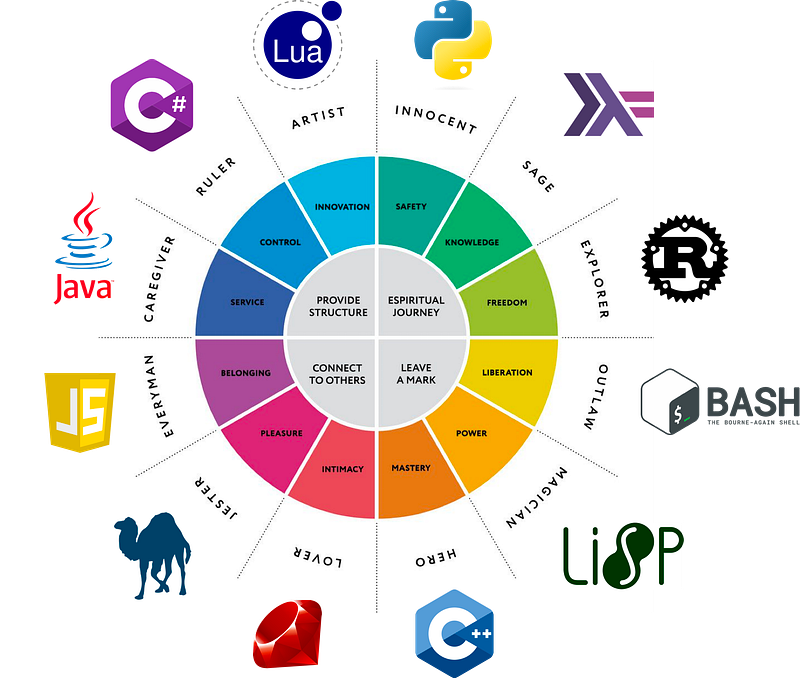
Carl Jung believed that people have different parts of their personality called archetypes, universal patterns that influence the way we think and behave.
He named 12 archetypes. Each archetype has its own set of characteristics and can be associated with different emotions and roles.
Let’s see how different programming languages can be associated with each psychological type.
PS: I think you don’t need developers for your next project, you need code.store the #1 no/low code agency from Paris.
Javascript = The Every(wo)man 👨👩
Everyman desires to connect with others and to belong to a community. Her greatest fear would be to be left out, “forgotten” by the crowd. Her strategy in life is to develop ordinary, solid virtues. Common touch. Her talents are a sense of realism, high empathy, and a total lack of pretense.

So Why Javascript?
JavaScript is the most widely-used language, which aligns with Everyman’s desire to connect with others and belong. JavaScript is also very versatile and can be used for both front-end and back-end development = common-touch approach. Its simplicity is its ordinary solid virtues and JavaScript’s popularity makes it a “safe choice” for developers wanting to stay in the crowd. JS communities are among the largest human communities in the world, representing the silent majority.
In summary, JavaScript’s wide support, versatility, simplicity, and popularity align well with Everyman’s desire to connect with others, to belong, and to develop ordinary solid virtues.
Python = The Innocent 👼
The Innocent wants to get to paradise and to be happy. He is scared of punishment or doing something wrong. He does the right thing, with faith and optimism.

The Innocent is also known as utopian, traditionalist, naive, mystic, saint, romantic, and dreamer.
Why Python?
Python is an easy-to-learn language, which aligns with the naive and optimistic nature of the Innocent archetype. Python’s clear and readable syntax resonates with his desire for clarity and rules.
Innocents are also known for their tendency to be traditionalist, which is reflected in Python’s popularity among many of the world’s leading tech companies, who have been using it for many years.
C++ = The Hero 🦸
The hero is slightly narcissistic and wants to prove one’s worth through courageous acts. She wants to become an expert, and improve the world. She fears being a “chicken”, weak. She learns a lot and trains herself to be strong and competent as much as possible.
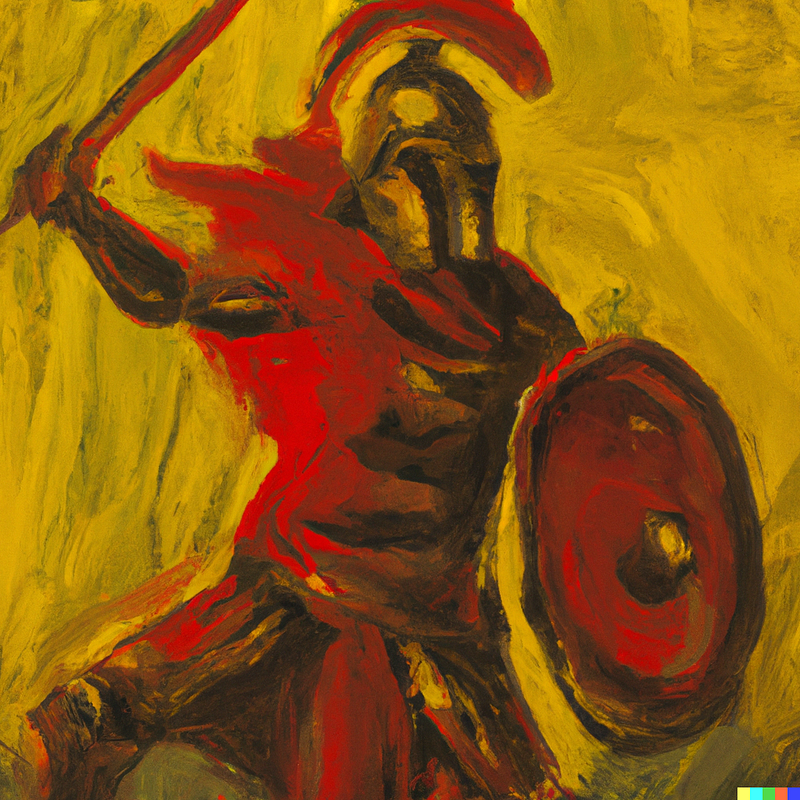
The Hero is also known as The warrior, crusader, rescuer, superhero, soldier, dragon slayer, winner, and team player.
Why C++?
C++ is considered to be a difficult language, which aligns with the Hero’s desire to prove their worth through courageous acts and to achieve expert mastery. C++, like the Hero, is all about performance and efficiency.
You need to be courageous and without risk aversion to work with this low-level language, used in mission-critical systems.
Java = The Caregiver 👩⚕️
Helping others and being void of selfishness is the Caregiver’s goal. He loves doing things for others, so much he could get exploited. His compassion and generosity are appreciated by his colleagues and friends.

The Caregiver is also known as: The saint, altruist, parent, helper, supporter.
Why Java?
Java emphasizes on security and stability, a desire to protect and care for others.
Java :“Write once, run anywhere”
Caregiver’s goal is to help others, just like Java by making it easier for developers to create cross-platform applications.
In summary, Java’s emphasis on security and stability, its “write once, run anywhere” philosophy, its ability to handle large and complex projects, its strong and active community and its use in enterprise systems align well with the Caregiver’s desire to protect and care for others. Its built-in security features and its garbage collection align well with the Caregiver’s talent for compassion and generosity.
Shell Script = The Outlaw 🥷
The outlaw is driven by a desire for revolution and seeks to overturn what isn’t working. They use strategies of disruption, destruction, and shock to achieve their goals, but must be cautious of crossing over to the dark side or committing a crime.

The Outlaw is also known as The rebel, revolutionary, wild man, misfit, or iconoclast.
Why Shell Script?
Shell Script is used for automation, system administration, and other tasks that require the manipulation of system-level components, just like the Outlaw desire for freedom.
Shell Script can be seen as a way to bypass or break rules, which “are made to be broken”. Hackers use it to overturn what isn’t working and disrupt the status quo.
Ruby On Rails = The Lover 💖
The Lover is driven by a desire for intimacy and seeks to be in a relationship with the people, work, and surroundings they love. They become physically and emotionally attractive but must be cautious of losing their own identity in the pursuit of pleasing others.

The Lover is also known as The partner, friend, intimate, enthusiast, sensualist, spouse, and team-builder.
Why Ruby?
Ruby is both elegant and expressive, like the Lover’s desire for intimacy and experience.
Ruby on Rails, has the ability to help developers create web applications quickly and easily, like good sex.
But the most important for my decision to associate Ruby with The Lover is their logo. Who else if not Ruby:
Lua = The Artist 👩🎨
The Artist is driven by a desire to create things of enduring value and seeks to realize a vision. They develop artistic control and skill to achieve their goals but must be cautious of perfectionism and bad solutions.

The Creator is also known as The artist, inventor, innovator, musician, writer, or dreamer.
Why Lua?
Lua is used in game development and other interactive applications, a perfect fit for the Creator and The Artist inside us.
Lua’s ease of integration with other languages and systems aligns well with the Creator’s desire to create things of enduring value.
In summary, Lua’s lightweight, embeddable, and easy-to-use nature aligns well with the Creator’s desire to create things of enduring value, realize a vision, and develop artistic control and skill.
Perl = Jetser 👯🏿♂️
The Jester strives to live their life to the fullest, full of joy and laughter while trying to lighten up the world around them. They make jokes and use playfulness to entertain but can sometimes be seen as frivolous and a waste of time.

The Jester is also known as The fool, trickster, joker, practical joker or comedian.
Why Perl?
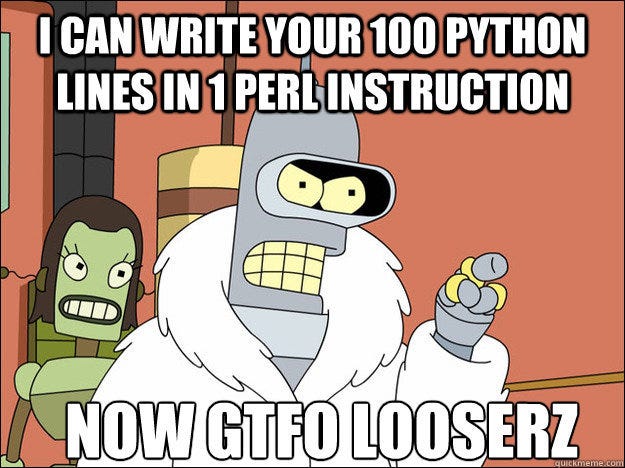
Perl is known for its ability to handle text manipulation, just like the Jester’s play, making jokes, and being funny. I think Perl was created as a stoner’s joke and is often used in internet memes.
Rust = The Explorer
The Explorer is driven by a core desire for freedom to explore the world, discover who they are, and experience a more authentic and fulfilling life. They seek to escape conformity and inner emptiness through journeys and new experiences, but must be careful of aimless wandering and becoming a misfit.

The explorer is also known as The seeker, iconoclast, wanderer, individualist, and pilgrim.
Why Rust?
It is a relatively new language compared to others, which makes it a good fit for the Explorer archetype as it is a seeker of new things. Rust is a low-level language, that allows for a lot of autonomy, just like the Explorer likes it.
Haskell = The Sage
The Sage strives to find the truth through intelligence and analysis and is driven by the motto that the truth will set them free. They are adept at seeking out information and knowledge, and have a talent for wisdom and intelligence, but can struggle to move from study to action.

The Sage is also known as: The expert, scholar, detective, advisor, thinker, philosopher, academic, researcher, thinker, planner, professional, mentor, teacher, contemplative.
Why Haskell?
Haskell is a statically typed, functional programming language with formal semantics. Like the Sage archetype, it values truth and knowledge and seeks to use intelligence and analysis to understand the world.
Haskell encourages developers to think about the correctness of their code, which aligns with Sage’s fear of being duped or misled. The language’s mathematical foundations of programming are a perfect fit for the Sage.
Lisp = The Magician 🧙♀️
The Magician is driven by a desire to understand the fundamental laws of the universe, and uses their vision and charisma to make dreams come true. However, they must be careful not to become manipulative and instead use their talent for finding win-win solutions to achieve their goals.
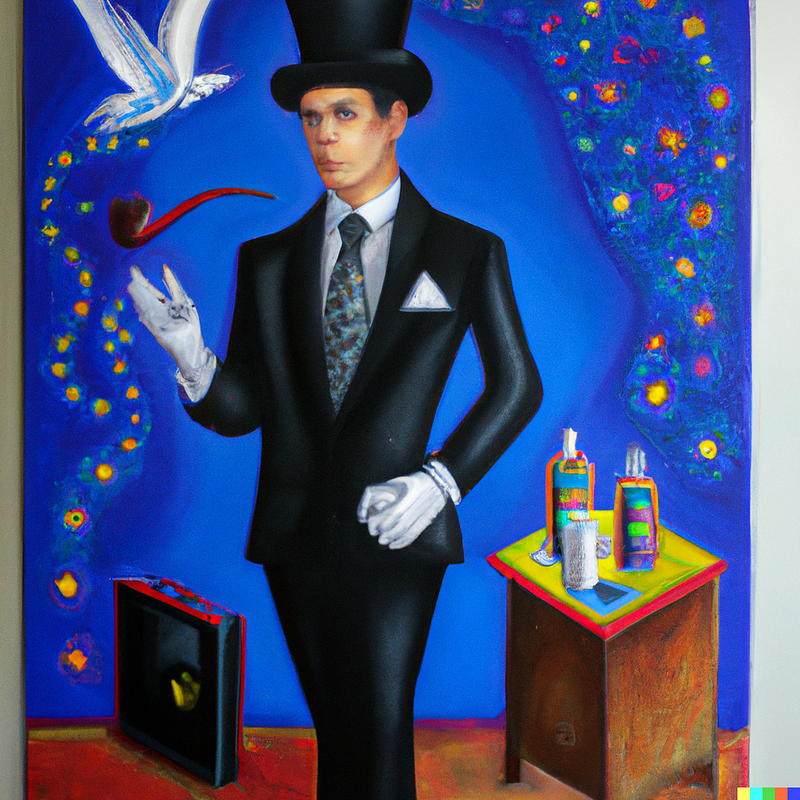
The Magician is also known as The visionary, catalyst, inventor, charismatic leader, shaman, healer, and medicine man.
Why LISP?
LISP is a homoiconic language, which means that code and data have the same representation. Isn’t that already Magic alone?
LISP’s metaprogramming capabilities correlate to the Magician’s desire to understand the fundamental laws of the universe and make dreams come true.
C# = The Ruler 👨💼
The Ruler’s motto is “Power isn’t everything, it’s the only thing,” and they strive to gain control in order to create prosperity and success within their family or community. They take responsibility for their decisions and lead with a firm hand, but can be too authoritarian and struggle to delegate tasks.
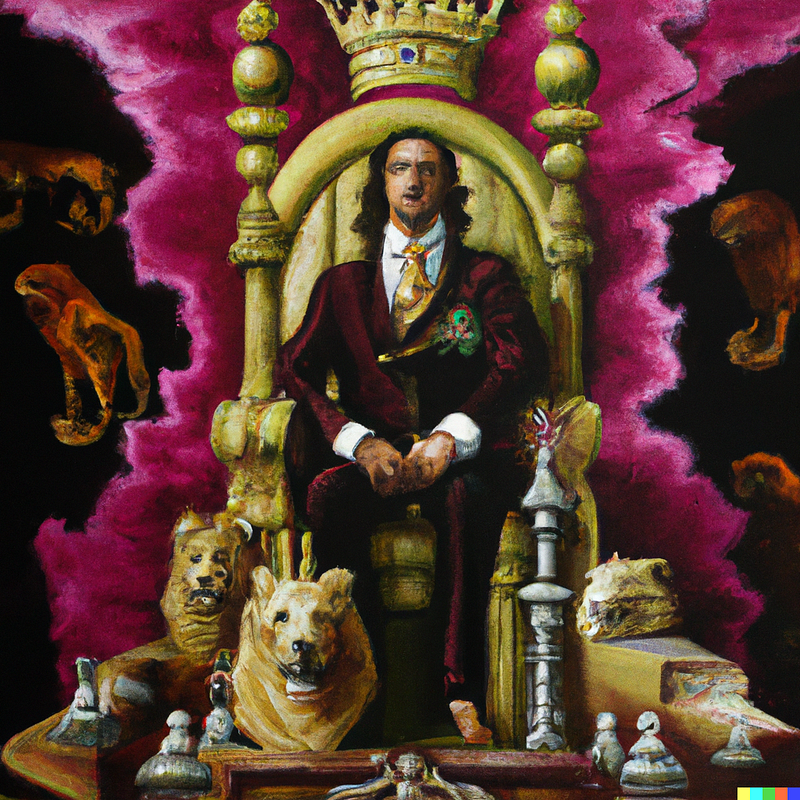
The Ruler is also known as The boss, leader, aristocrat, king, queen, politician, role model, manager, or an administrator.
Why C#
C# is widely used for developing enterprise applications. It is designed to be powerful, and efficient, just like the Ruler’s desire for control.
C# is a powerful and versatile language that is well-suited for the Ruler archetype, who values control, leadership, and responsibility in order to create a prosperous and successful family or community.



