
Walking with Bats
Beneficial creatures with a cruel reputation
In the small French village where I am living, there is a professional nature guide. Always keen to know more about the natural world around me, I recently joined him and a handful of other people for a night walk. We have six species of owl living either in or around the village or hunting up and down the gorge where we are situated.
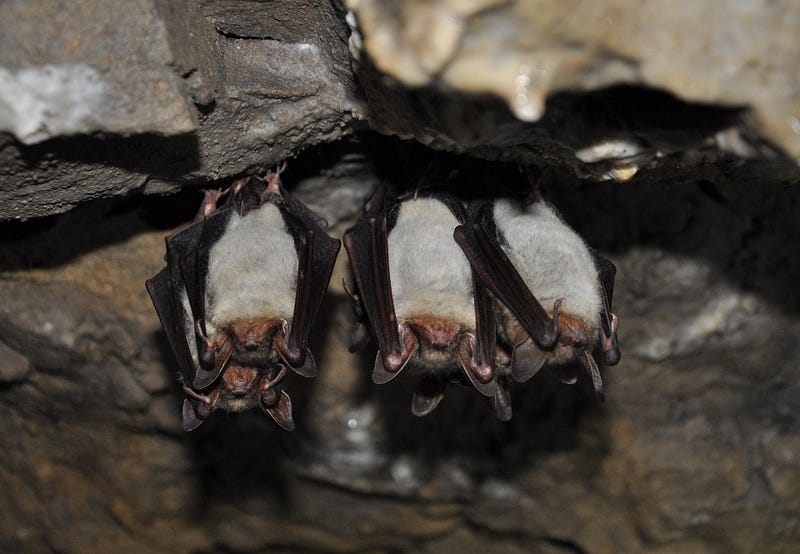
Although the owls were interesting, it was the local bats that provided most of the entertainment that night. Many of the sounds that bats produce are not audible to the human, ear. Our guide had a nifty little technical box that lowered the decibels of their calls so that we could hear them.
It was fascinating to be able to listen to them and they found the altered frequency intriguing as well because they were soon circling above our heads. That is when things got really interesting.
Among our party were two teenage girls and they were absolutely terrified that these tiny creatures were going to get caught in their hair.
Bats are the only flying mammals and are the fastest moving mammals on earth. They can make the average cheetah look positively sluggish. They are able to manoeuvre easily through the thickest of forests or the tightest of crevices in a cave. The idea that they were suddenly going to trap themselves in the carefully coiffed hair of these young ladies was quite ridiculous. The guide explained this to them but this was clearly one of those occasions where logic didn’t really apply and so we had to abandon the use of the bat box.
There are plenty of myths surrounding bats and the one that they get caught in ladies’ hair is thought to have been widely promoted in Europe by mothers trying to deter their daughters from sneaking out after dark. Why they couldn’t just threaten to beat the living daylights out of them like my mother used to do is beyond me.
The Greeks associated bats with the wife of the god Pluto who was lord of the underworld. Both the Biblical book of Leviticus and Deuteronomy list bats as among the unclean creatures that we were forbidden to eat and many cultures associate them with death.
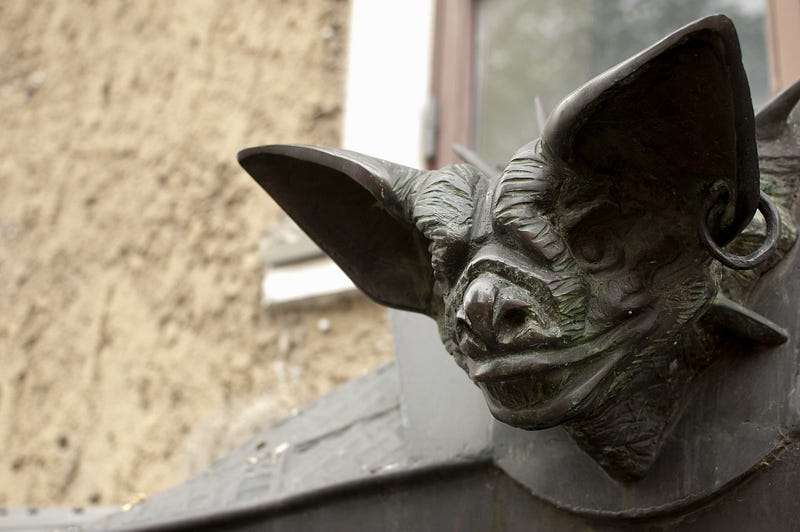
The fact that these innocuous creatures are both black and nocturnal pretty much guaranteed them high status among the list of creatures to be associated with death or the devil. Throw in a few vampire stories and some blood-sucking myths and hey presto — you have a creature that many people love to hate.
Of the 1400 species of bat in the world, there is only one that sucks blood and it only ever does this on livestock and wild mammals. Tough luck for scientific evidence, Count Dracula reigns supreme.
Sadly, bat numbers have declined dramatically over recent years and many naturalists are seeing this as an early indicator of threats to other species.
The massive drop in the number of insects due to pesticide use, loss of habitat and an increase in disease are all taking their toll on bat populations.
Despite their fearful reputation, bats are wonderful creatures that can be highly beneficial to man. A bat can consume 1200 mosquitoes in an hour and, without their pollination abilities, over 500 crops would suffer. The loss of what are called night shift pollinators would see dramatic drops in yields of crops such as coffee, avocados and cacao.
Personally, I would need to think very carefully if it came down to a choice of having my blood sucked by the occasional vampire or giving up coffee and chocolate.
The smallest bat is about the size of a bumblebee, while the largest, the diurnal flying fox, is about the size of, you guessed it, a small dog. (I couldn’t go with the fox simile. It was just too obvious). Pallid bats are even known to eat scorpions and have developed an immunity to their stings.
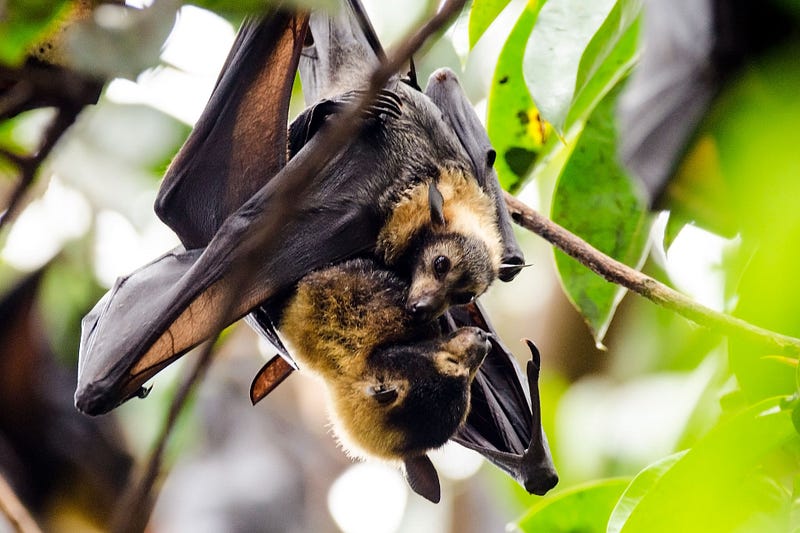
I hope that this brief article helps to raise awareness of these highly maligned creatures. If you are still worried about them becoming trapped in your flowing hair, just wear a hat, (or stay at home and get bitten by mosquitoes and stung by scorpions).
Thank you for reading.
If you are a lover of the environment, nature, and wildlife, you may enjoy the following articles published in The Environment.
- Once, We Saw Purple
- The Game of Snakes and Adders
- I Don’t Want to Get Rich but I Do Want to Change the World
You can also share your love and concerns for this lovely planet. Just click the below image and be a writer for The Environment


