
OCTOBER MONTHLY CHALLENGE
Visiting an Abandoned Village
Where diamonds once were shining
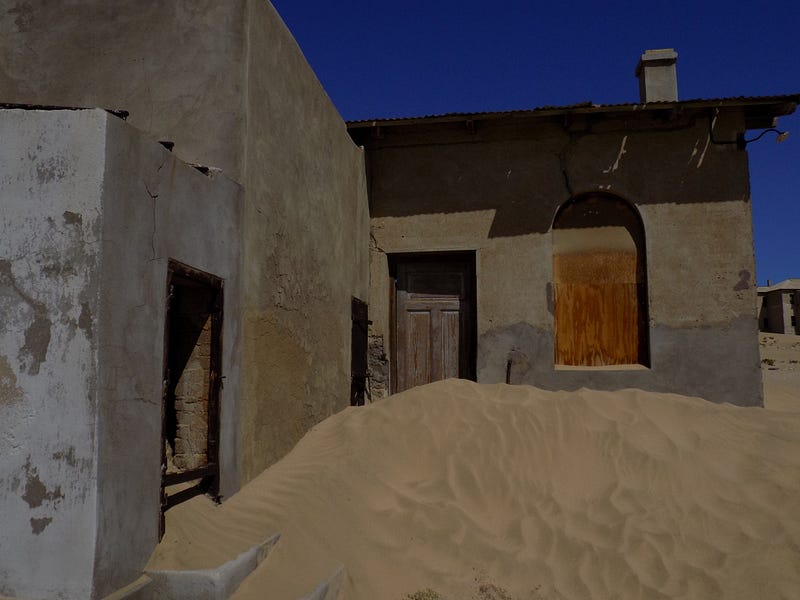
Once being one of the wealthiest towns in the world, the only habitants still residing here are snakes and spiders. And maybe some beetles and lizards. A town is taken over by the harsh environment of the oldest desert in the world.
Kolmanskop.
Today it is a ghost town in the Namib desert, located in Namibia. Southern Africa. What used to be a rich mining town is now a tourist destination.
“In 1912 Kolmanskop produced one million carats of diamonds - nearly 12% of the world’s total.” — BBC.com
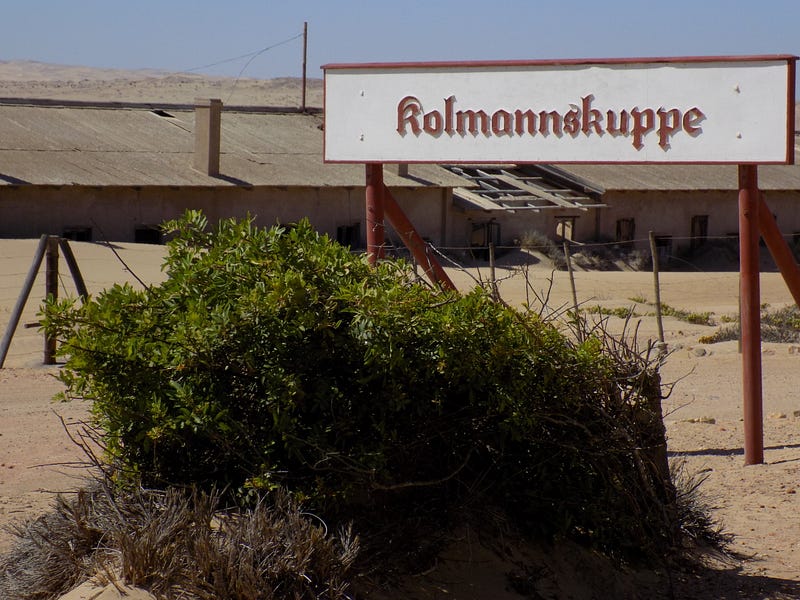
In 1908, when the area was still called German South-West Africa, a worker found a diamond and showed it to his supervisor. Soon after, German minders built a settlement and the German empire declared it as "Sperrgebiet", starting to exploit the diamond field.
“Driven by the enormous wealth of the first diamond miners, the residents built the village in the architectural style of a German town, with amenities and institutions including a hospital, ballroom, power station, school, skittle-alley, theatre and sport-hall, casino, ice factory and the first x-ray-station in the southern hemisphere, as well as the first tram in Africa.” — Wikipedia
During the first world war, diamond mining started to decline and in the early 1920s, not much was left. With a new diamond deposit found further South many inhabitants left and in 1956 the town of Kolmanskop, “Kolmannskuppe” in German, was abandoned.
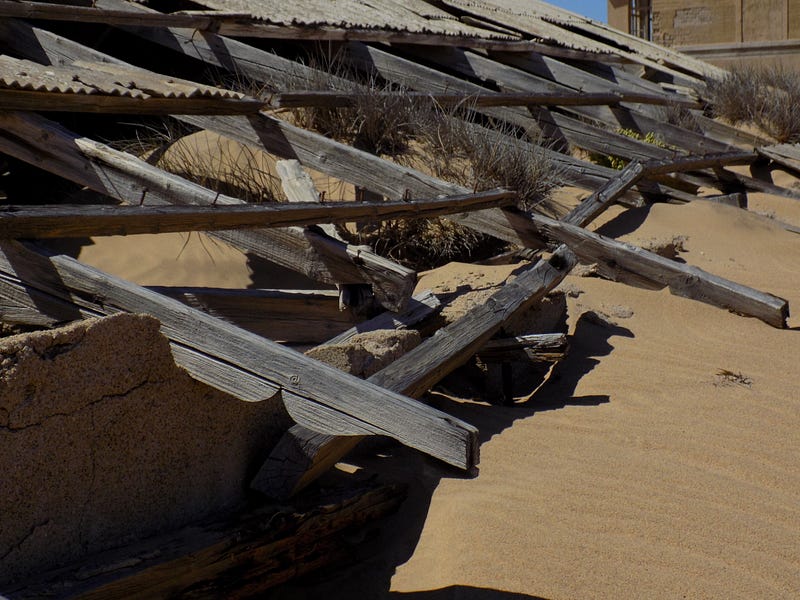
Today tourists are walking knee-deep through the sand in the abandoned houses. Nature and geological forces have taken back their territory but the arid climate is preserving the traditional Edwardian architecture.
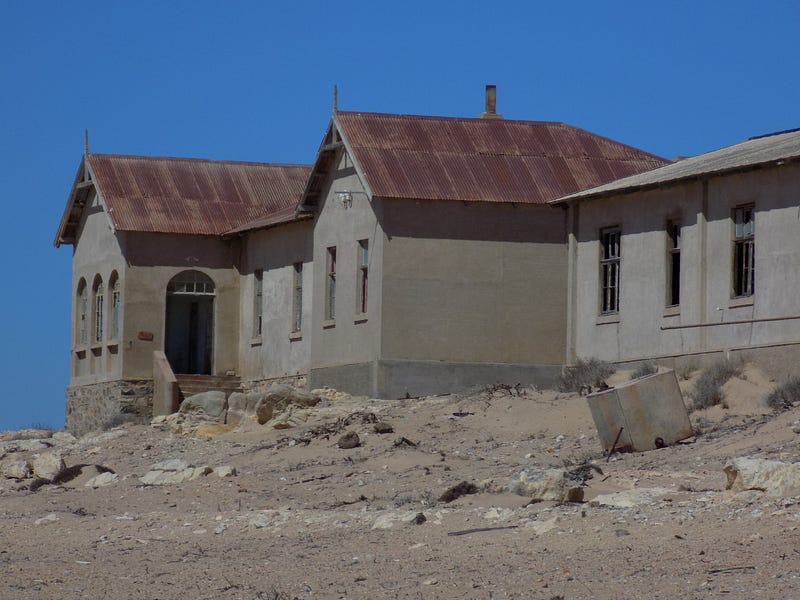
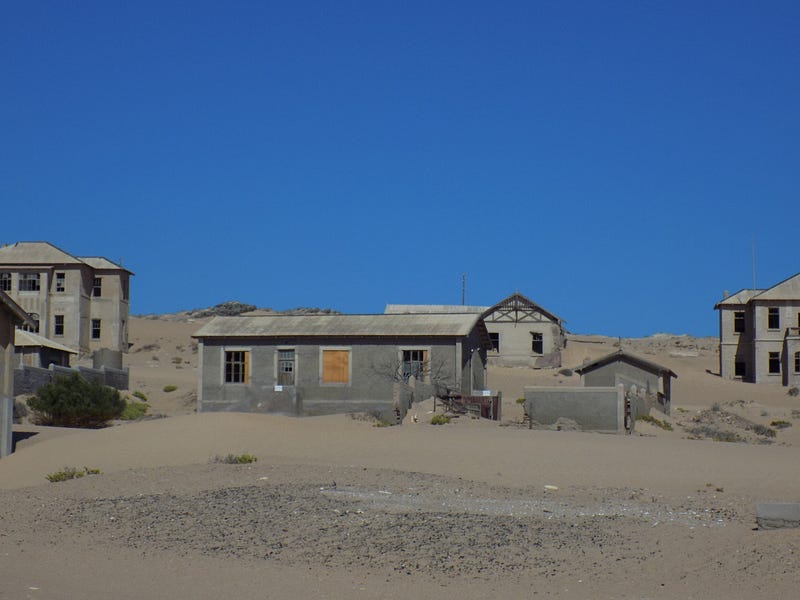
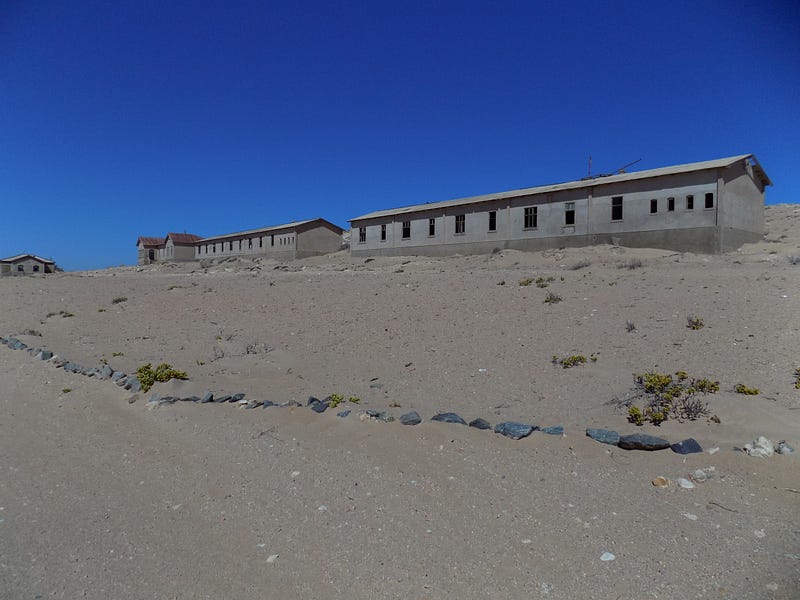
After obtaining a permit in the coastal town of Lüderitz, I headed for this abandoned village in 2015 on a solo road trip through the country. I didn’t really know what I was in for when I turned off the lonely road and stopped in front of these old buildings.
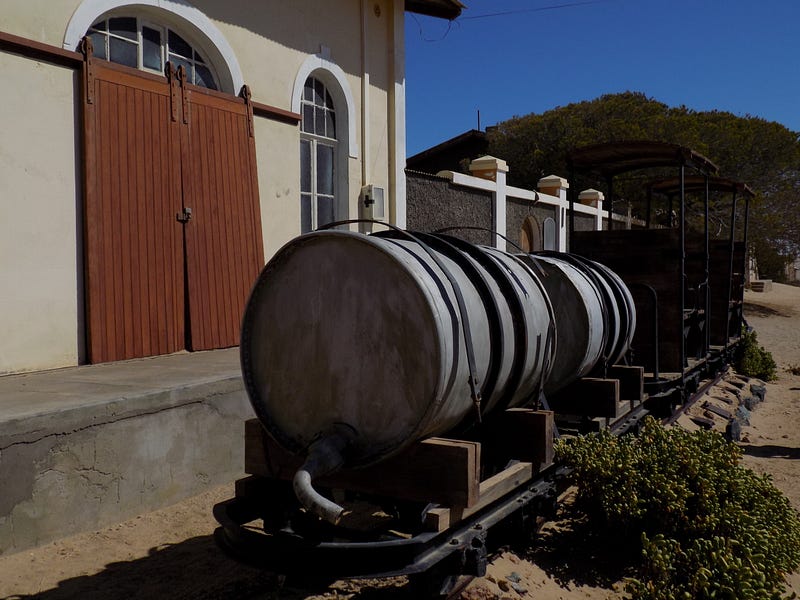
I remember joining a tour and regretting my choice of opting for the German one. I much rather stay away from German tourists when traveling but had to keep going. An English tour would have been the alternative.
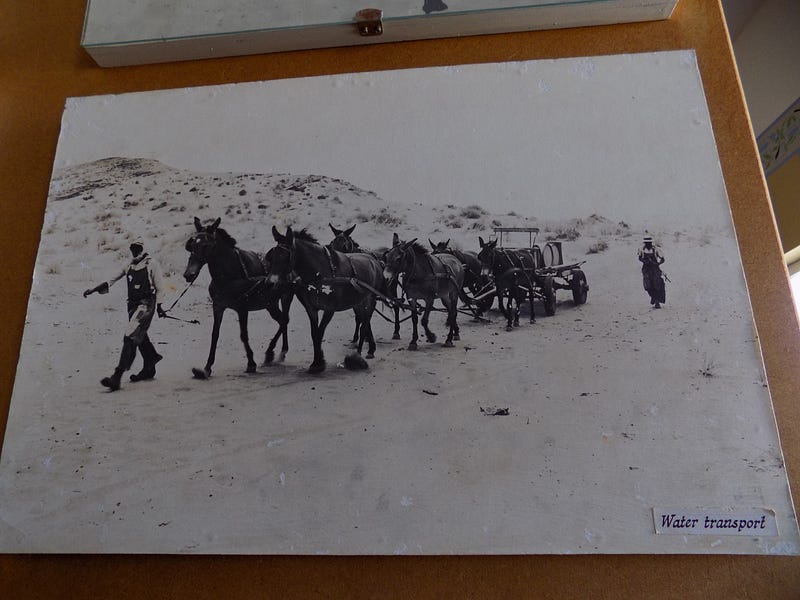
I quickly got distracted by the annoying Germans in the group. I simply couldn’t believe what our ancestors had created here over a hundred years ago. In the middle of the desert where water had to be carried on horse carriages.
They had an ice factory. In the desert. I mean, seriously?
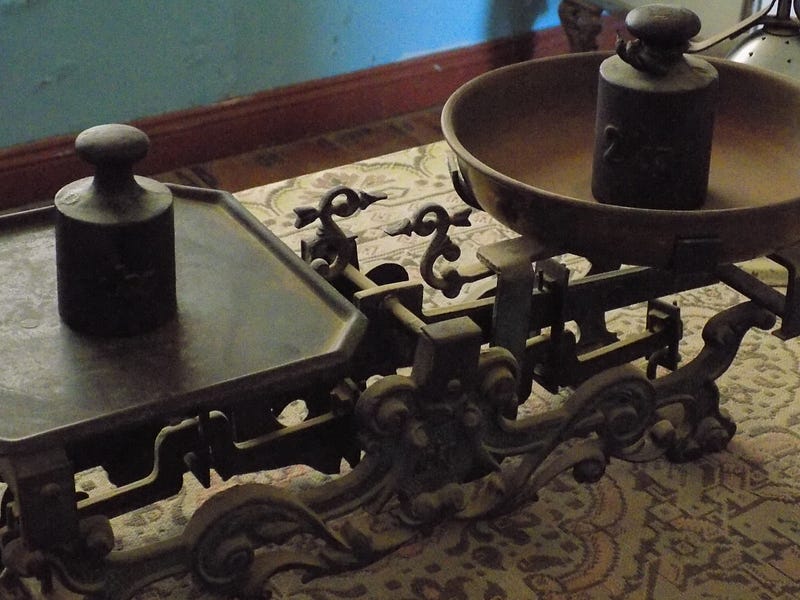
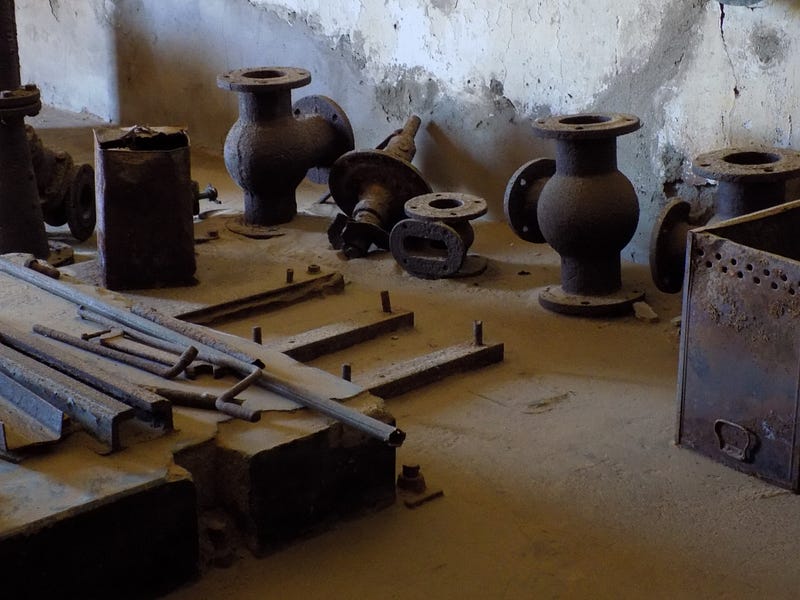
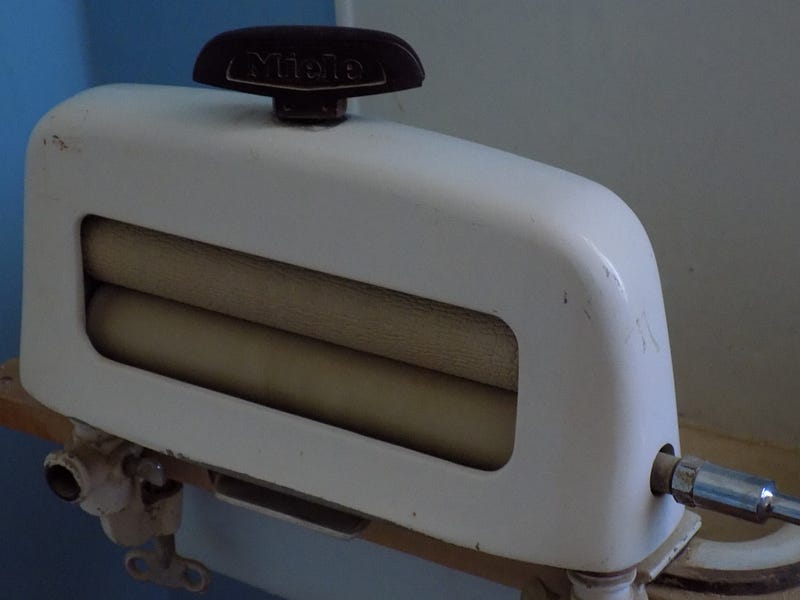
They had the best machines on the market back then. Iron boards, weighing scales, and other helpful tools for the household. Most of them were left behind when the place got abandoned and can still be seen today.
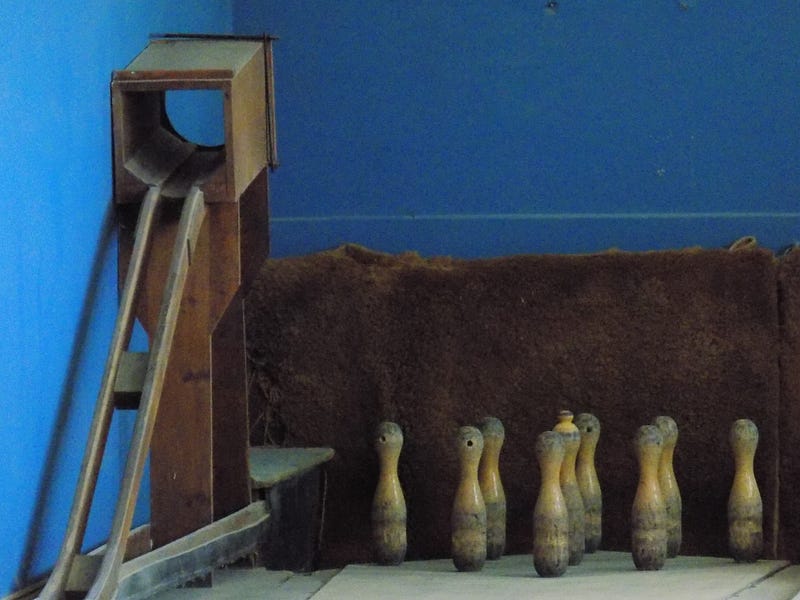
I’ve heard a thing or two about Germans and their humor, apparently, it’s not our strong point (according to my husband). But the Germans built a bowling alley in the desert. In 1900.
They ensured their own entertainment.
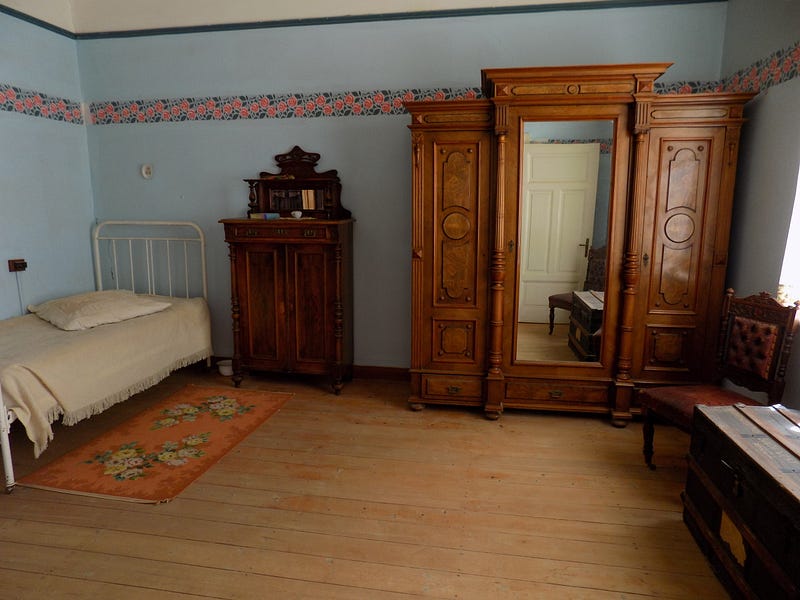
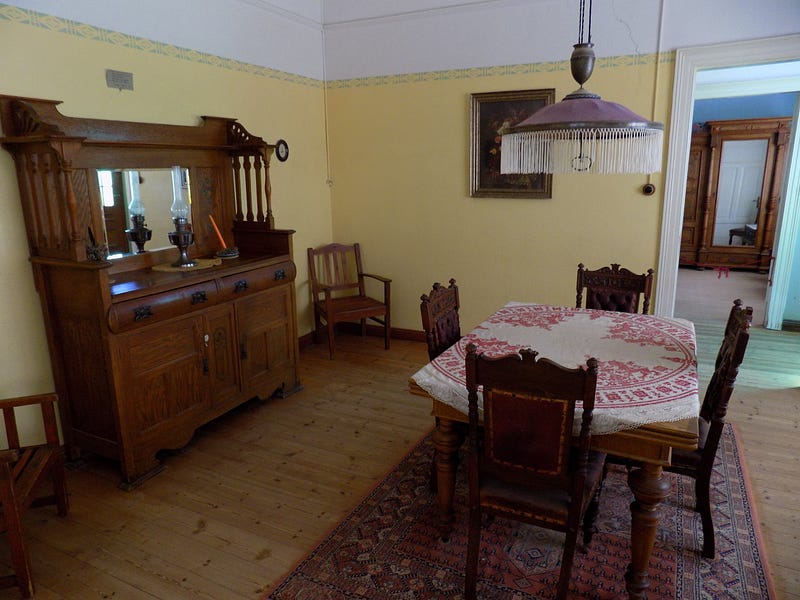
And the rooms they stayed in looked rather luxurious thinking of how other people lived back then. Yes, this surely was a wealthy town. Only money can let you live like this in one of the harshest environments on earth.
Talking of which. Look over the terrace. Yes, this used to be a beer garden. Beer was a lot cheaper than water and the sun was shining 365 days a year.
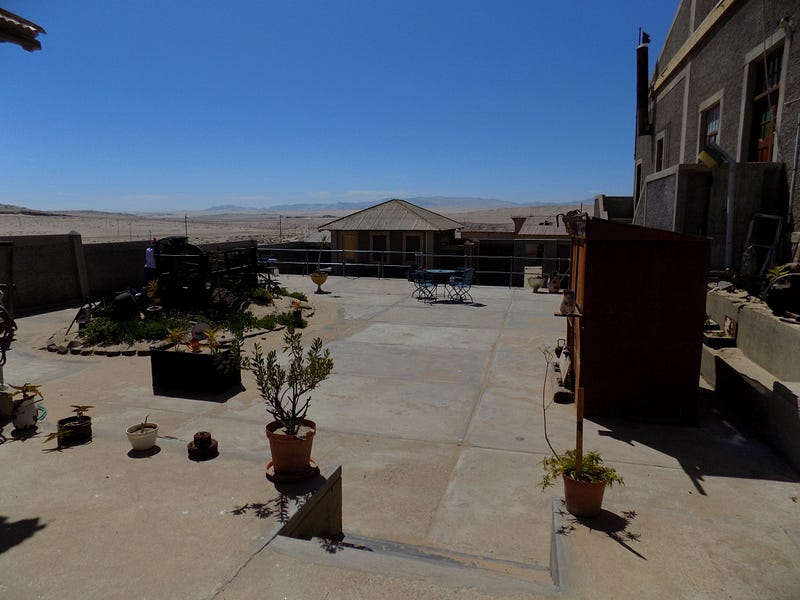
Looking over the ruins of the restaurant you see nothing but vastness. The endless plains of the Namib desert.
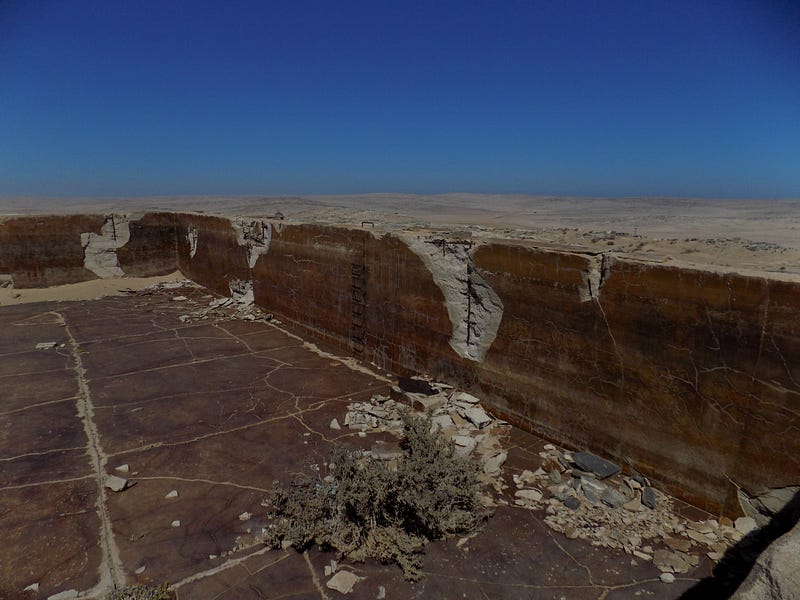
Animals who live out here have adapted to life in this arid climate. And it’s still a challenge for them to survive every day.
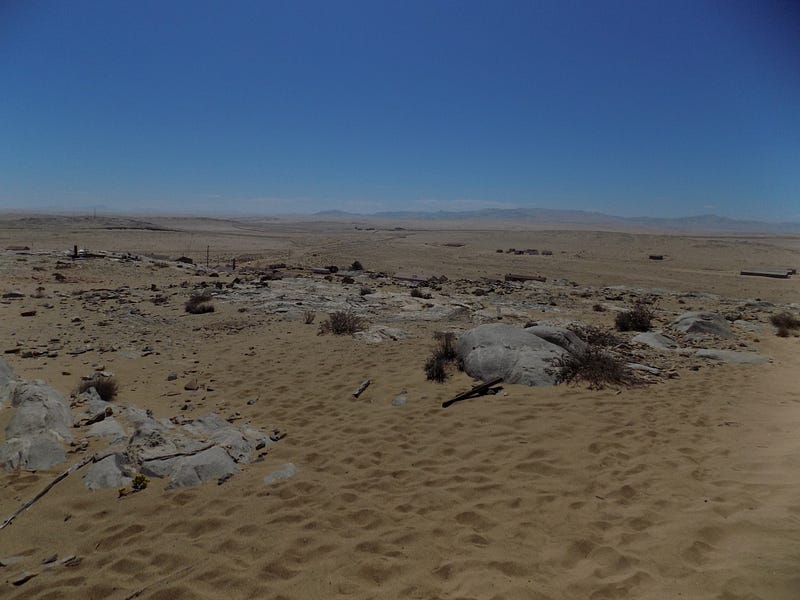
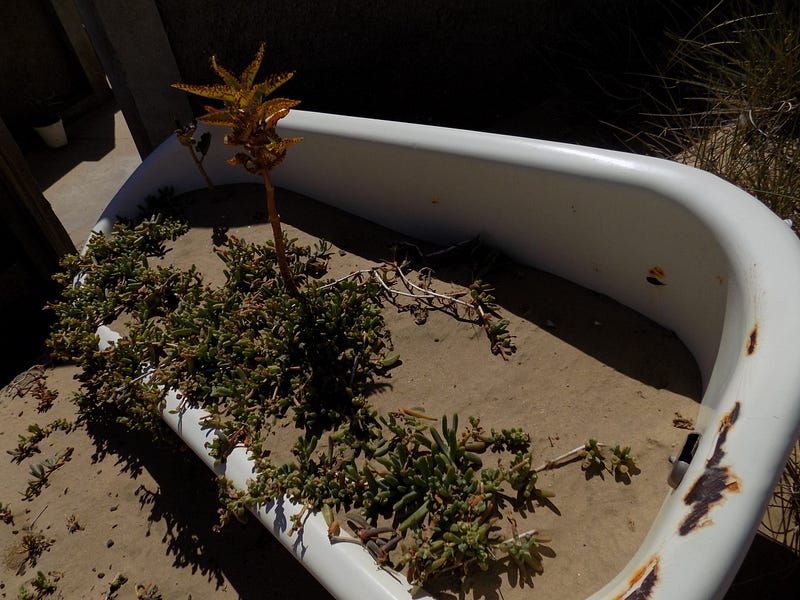
But humans made this a place of a luxury. An old bathtub is representing the necessity of cleaning yourself. Especially when you live in the desert. I used to live in the Namib for a few years and my shower was always filled with desert sand.
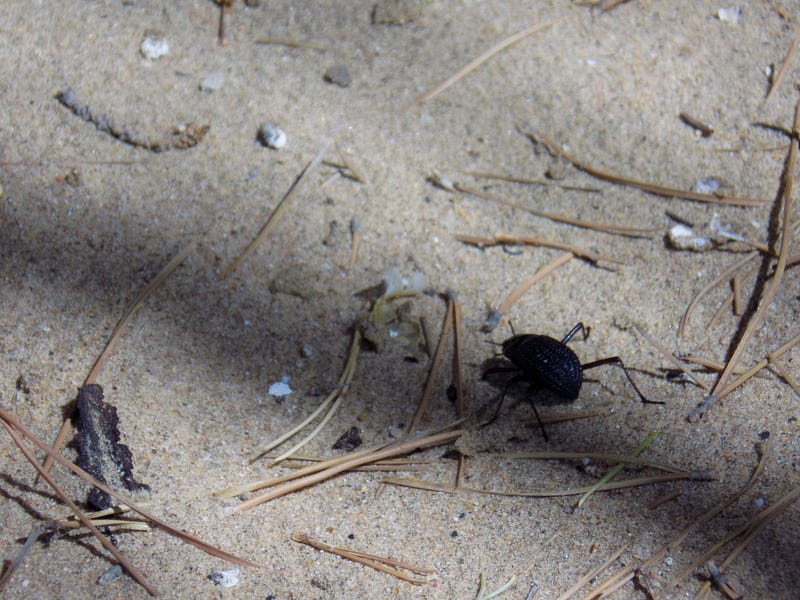
In between the buildings, I did spot some wildlife. Nothing big but some tiny ones. Very speedy.
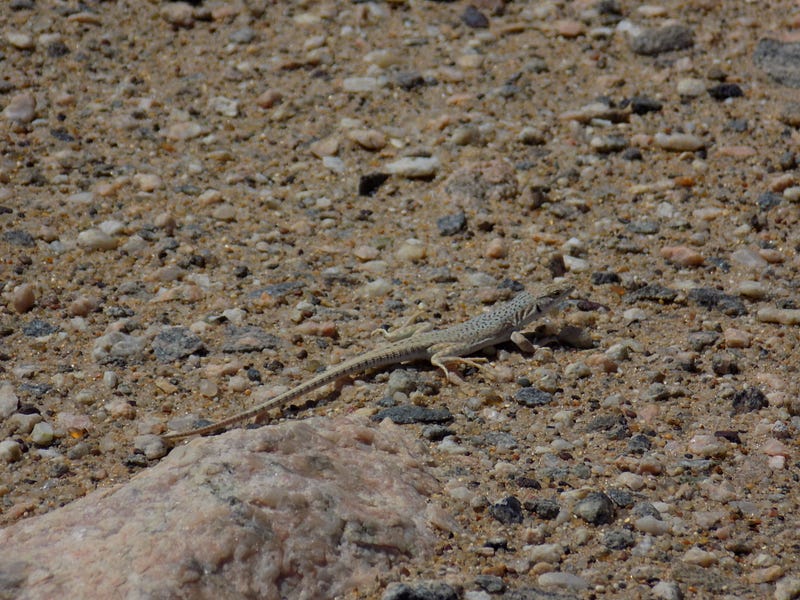
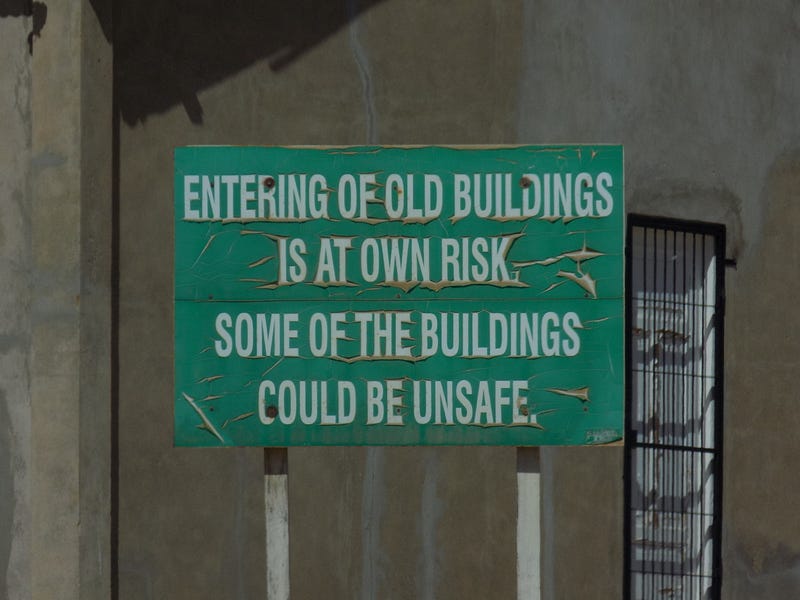
During the daytime, this place isn’t eerie or spooky. Not at all. You’re more likely to burn to death or dehydrate than fear an encounter with a ghost. But I’m not sure what to expect when spending here the night.
I didn’t dare to find out. This place is empty after the tourist center closes.
Well, that’s wrong. It’s filled with sand.
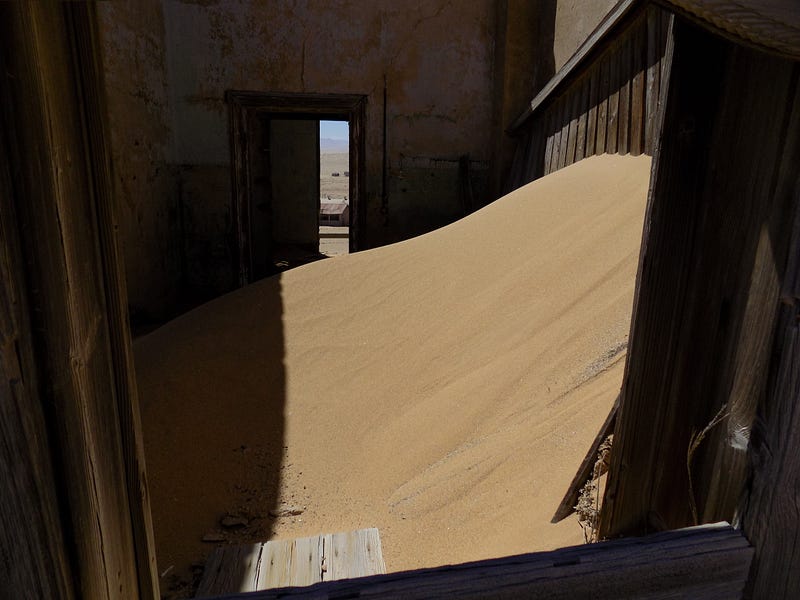
But today it is a popular destination for photographers and I wouldn’t mind heading back there once more. To have my eyes this time more on the details of the place while I was more focussed on the history and the story of Kolmanskop the previous time.
This is a writing prompt response to Globetrotters’ monthly challenge “Let’s get spooked”.
More spooky submissions written by our awesome writers:
Mike Lewis with “Walking Into An Active Volcano In Indonesia”
Nella DiCarlo with “Daring To Dine at the Duke of Duckworth”
Osan Fernando with “The Basements Of Amityville And Massapequa New York”
More about my adventures in southern Africa:
Join my email list here if you would like to read more travel essays or sign up for the Medium membership to receive unlimited access to my and other writers’ stories out here (I will receive a commission fee in return).


