avatarHailey

Free AI web copilot to create summaries, insights and extended knowledge, download it at here

3274

Abstract

s to wash made many women feel subhuman.</p><p id="dc3a">Women had to learn tricks for survival when it came to menstruation, such as making little rags out of undergarments and guarding them like they were gold.</p><p id="eb7f">Rags were often stolen, given away, borrowed, and traded, creating a micro-economy of sorts.</p><p id="9003">Women also had to be resourceful in finding other materials to use, such as pieces of paper.</p><p id="6810">Overall, the loss of menstruation was a significant issue for female Holocaust victims, highlighting the link between periods and fertility and causing them to question their identities and femininity.</p><p id="003c">The lack of access to supplies and opportunities to wash made menstruation a public and humiliating experience for many women, and the need to be resourceful in finding materials to use added to their struggles for survival.</p><h1 id="9534">Challenging Menstrual Stigma — The necessity of comprehending and embracing.</h1><figure id="305a"><img src="https://cdn-images-1.readmedium.com/v2/resize:fit:800/0*ZFuf_IVFEtliI1P7"><figcaption>Image Source — <a href="https://upload.wikimedia.org/wikipedia/commons/2/2c/Bundesarchiv_B_145_Bild-F016206-0004%2C_Russland%2C_Deportation_von_Juden.jpg">Wiki</a></figcaption></figure><p id="aa8f">Livia Jackson, who was very young at the time and had just started menstruating, felt repulsed upon seeing another girl’s blood during roll call.</p><p id="871d">The girl wished to die.</p><p id="9d44">This reaction is not uncommon, as many women feel ashamed due to their lack of access to supplies to manage their menstrual flow, which is not their fault.</p><p id="dce8">Breanne Fahs, a scholar, argues that women’s bodies are often considered “leaky,” and their bodily functions are viewed as inconvenient, distasteful, and unhygienic.</p><p id="b823">In contrast, men’s secretions, such as urine, flatulence, and semen, are often considered humorous or even sexy.</p><p id="606a">Interestingly, the idea that periods are repulsive may have actually protected some women during the Holocaust from being raped.</p><p id="03a9">Doris Bergen, who has written extensively about sexual violence during the Holocaust, describes a<b> horrific incident</b> in which two Polish-Jewish women were abducted and raped by Wehrmacht soldiers.</p><p id="2047">One of the women was menstruating at the time, and the soldiers told her to come back in a few days when she was no longer on her period.</p><p id="1415">Similarly, Lucille Eichengreen, a young German-Jewish prisoner, once hid a scarf between her legs to avoid being caught with a prohibited object.</p><p id="7582">A guard attempted to rape her and groped her between her legs, but upon feeling the scarf, he met with utter anger and disappointment.</p><p id="4a74">His mistake actually protected Lucille from rape.</p><p id="df1b">These stories highlight a poignant irony: while menstruation is a natural and acceptable bodily function that should not be shamed or stigmatized.</p><h1 id="a1e7">Conclusion</h1><p id="6870">During the Holocaust, many teenage girls experienced their first period alone in concentration camps, without their families.</p><p id="eb9a">In these cases, older women in the camps provided help and

Options

advice on how to cope with menstruation.</p><p id="699c">Feminist scholars have noted the formation of female “camp families” and the solidarity that developed among women through shared experiences of menstruation.</p><p id="ddac">Older women were willing to teach young girls about menstruation, expecting nothing in return, despite the hostile and violent environment of the camps.</p><p id="d080">After liberation, the majority of women who suffered from amenorrhea eventually resumed menstruation, which became a symbol of their freedom.</p><p id="a035">For many survivors, the return of their periods was a joyous occasion, as it allowed them to start having children.</p><p id="1690">Menstruation thus became a defining aspect of women’s experiences during the Holocaust.</p><p id="a5f3">It is important to acknowledge the significance of menstruation as a subject that has, up until now, been stigmatized and ignored as we turn to cultural history, the history of emotions, and the history of the body.</p><p id="7676">Through studying menstruation in the context of the Holocaust, we can gain a deeper understanding of women’s experiences and the ways in which notions of menstruation, rape, sterility, and sisterhood evolved in the camps.</p><p id="051a">More from the author:</p><div id="e24d" class="link-block"> <a href="https://readmedium.com/4-bizarre-amendments-that-actually-made-it-into-the-constitution-8d21e0e7d7c3"> <div> <div> <h2>4 Bizarre Amendments That Actually Made It Into The Constitution</h2> <div><h3>Additions that raised eyebrows in history.</h3></div> <div><p>medium.com</p></div> </div> <div> <div style="background-image: url(https://miro.readmedium.com/v2/resize:fit:320/1*0WJoIlvjRSFcLyvoPTP3vw.png)"></div> </div> </div> </a> </div><div id="c2d9" class="link-block"> <a href="https://readmedium.com/4-shocking-medical-conspiracy-theories-that-were-actually-true-8b6237a27c3f"> <div> <div> <h2>4 Shocking Medical Conspiracy Theories That Were Actually True</h2> <div><h3>When the Unbelievable Became Believable.</h3></div> <div><p>medium.com</p></div> </div> <div> <div style="background-image: url(https://miro.readmedium.com/v2/resize:fit:320/1*LgcqpyXq9TtolL0LIYc_Eg.png)"></div> </div> </div> </a> </div><div id="9668" class="link-block"> <a href="https://readmedium.com/4-surprising-words-you-wont-believe-were-coined-by-us-presidents-6e8e03640227"> <div> <div> <h2>4 Surprising Words You Won’t Believe Were Coined By US Presidents</h2> <div><h3>Phrases you never knew originated from the white house.</h3></div> <div><p>medium.com</p></div> </div> <div> <div style="background-image: url(https://miro.readmedium.com/v2/resize:fit:320/1*cwyarAfqvJXrq4etc06seQ.jpeg)"></div> </div> </div> </a> </div></article></body>

3 Unspoken Struggles of Menstruating Women During the Holocaust

Hidden stories of women in Nazi Concentration Camp.
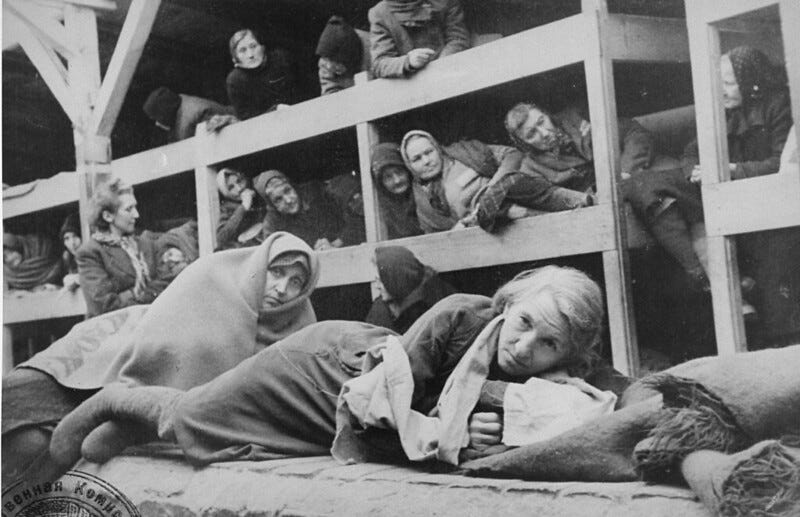
Image Source — Flickr

Menstruation is a fundamental aspect of women’s experiences, but it has received little attention in Holocaust discussions.

Women in concentration camps were hesitant to discuss menstruation due to the attached stigma, but they still raised the subject.

Traditionally, menstruation has been viewed as a medical problem to be solved rather than a natural part of life.

Researchers have investigated sterilization experiments in Auschwitz and the effects of stress on the reproductive system, but most have focused on ovulation rather than menstruation.

For female victims of the Holocaust, menstruation had a significant impact on their lives.

Bleeding publicly and the discomfort of managing menstrual flow brought shame to many women.

Conversely, menstruation helped prevent some women from being sexually assaulted.

Amenorrhea, the absence of menstruation, caused anxiety for women regarding their fertility and future childbearing.

Despite the isolating nature of the concentration camps, menstruation provided opportunities for female bonding and solidarity.

Older women helped teenagers experience their first period after losing their families.

Survivors often speak candidly about their experiences with menstruation, which could significantly affect their daily lives in the camps.

Versatility and Survival — Coping With Menstruation During The Holocaust
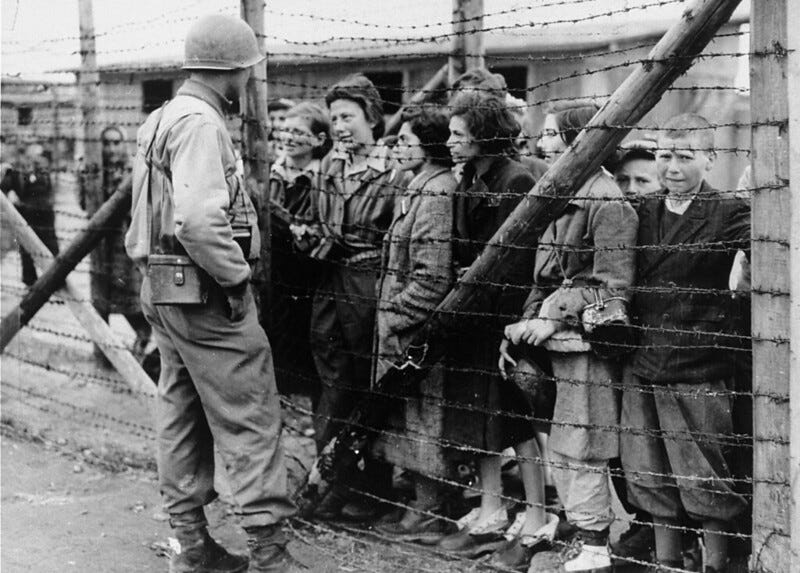
Image Source — Flickr

During the Holocaust, female victims of reproductive age who were deported to camps and ghettos often stopped menstruating due to malnutrition and shock.

This loss of menstruation highlighted the intrinsic link between periods and fertility, which became more and more important in their lives.

Survivors, such as Gerda Weissman and Charlotte Delbo, expressed fear over becoming infertile and the uncertainty over whether their fertility would return if they survived.

This loss of menstruation was a dual psychological assault on their female identity, causing them to question their femininity.

In addition to the loss of menstruation, female prisoners experienced other changes, such as having their heads shaved and losing weight, including from areas commonly associated with femininity.

These changes made them question their identities and what it meant to be a woman.

Menstruation was hard to avoid or hide in the camps, and the lack of access to supplies and opportunities to wash made many women feel subhuman.

Women had to learn tricks for survival when it came to menstruation, such as making little rags out of undergarments and guarding them like they were gold.

Rags were often stolen, given away, borrowed, and traded, creating a micro-economy of sorts.

Women also had to be resourceful in finding other materials to use, such as pieces of paper.

Overall, the loss of menstruation was a significant issue for female Holocaust victims, highlighting the link between periods and fertility and causing them to question their identities and femininity.

The lack of access to supplies and opportunities to wash made menstruation a public and humiliating experience for many women, and the need to be resourceful in finding materials to use added to their struggles for survival.

Challenging Menstrual Stigma — The necessity of comprehending and embracing.
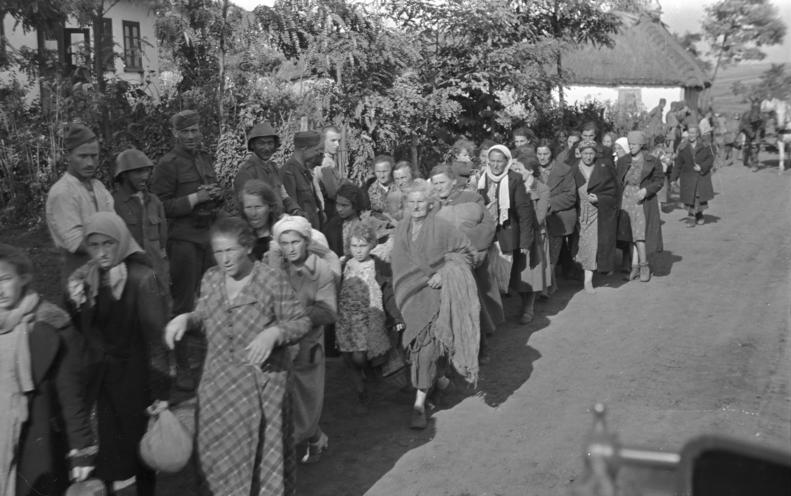
Image Source — Wiki

Livia Jackson, who was very young at the time and had just started menstruating, felt repulsed upon seeing another girl’s blood during roll call.

The girl wished to die.

This reaction is not uncommon, as many women feel ashamed due to their lack of access to supplies to manage their menstrual flow, which is not their fault.

Breanne Fahs, a scholar, argues that women’s bodies are often considered “leaky,” and their bodily functions are viewed as inconvenient, distasteful, and unhygienic.

In contrast, men’s secretions, such as urine, flatulence, and semen, are often considered humorous or even sexy.

Interestingly, the idea that periods are repulsive may have actually protected some women during the Holocaust from being raped.

Doris Bergen, who has written extensively about sexual violence during the Holocaust, describes a horrific incident in which two Polish-Jewish women were abducted and raped by Wehrmacht soldiers.

One of the women was menstruating at the time, and the soldiers told her to come back in a few days when she was no longer on her period.

Similarly, Lucille Eichengreen, a young German-Jewish prisoner, once hid a scarf between her legs to avoid being caught with a prohibited object.

A guard attempted to rape her and groped her between her legs, but upon feeling the scarf, he met with utter anger and disappointment.

His mistake actually protected Lucille from rape.

These stories highlight a poignant irony: while menstruation is a natural and acceptable bodily function that should not be shamed or stigmatized.

Conclusion

During the Holocaust, many teenage girls experienced their first period alone in concentration camps, without their families.

In these cases, older women in the camps provided help and advice on how to cope with menstruation.

Feminist scholars have noted the formation of female “camp families” and the solidarity that developed among women through shared experiences of menstruation.

Older women were willing to teach young girls about menstruation, expecting nothing in return, despite the hostile and violent environment of the camps.

After liberation, the majority of women who suffered from amenorrhea eventually resumed menstruation, which became a symbol of their freedom.

For many survivors, the return of their periods was a joyous occasion, as it allowed them to start having children.

Menstruation thus became a defining aspect of women’s experiences during the Holocaust.

It is important to acknowledge the significance of menstruation as a subject that has, up until now, been stigmatized and ignored as we turn to cultural history, the history of emotions, and the history of the body.

Through studying menstruation in the context of the Holocaust, we can gain a deeper understanding of women’s experiences and the ways in which notions of menstruation, rape, sterility, and sisterhood evolved in the camps.

More from the author:

History
Culture
Politics
Women
Education
Recommended from ReadMedium