
4 Surprising Words You Won’t Believe Were Coined By US Presidents
Phrases you never knew originated from the white house.
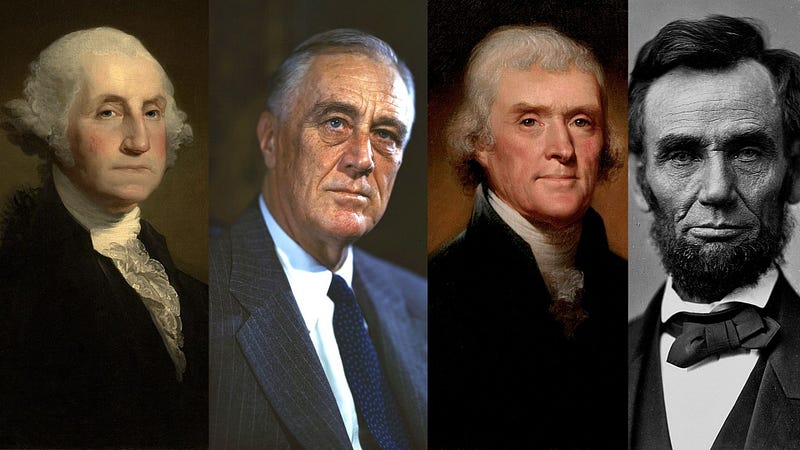
Throughout American history Presidents of the United States have spoken to the country to uplift, console, challenge, and motivate their people.
Some of their speeches and quotations have gained fame and influenced how we view significant occasions and issues.
Moreover, several presidents have come up with words that have become an integral part of the American lexicon.
1. George Washington — The Originator Of Administration
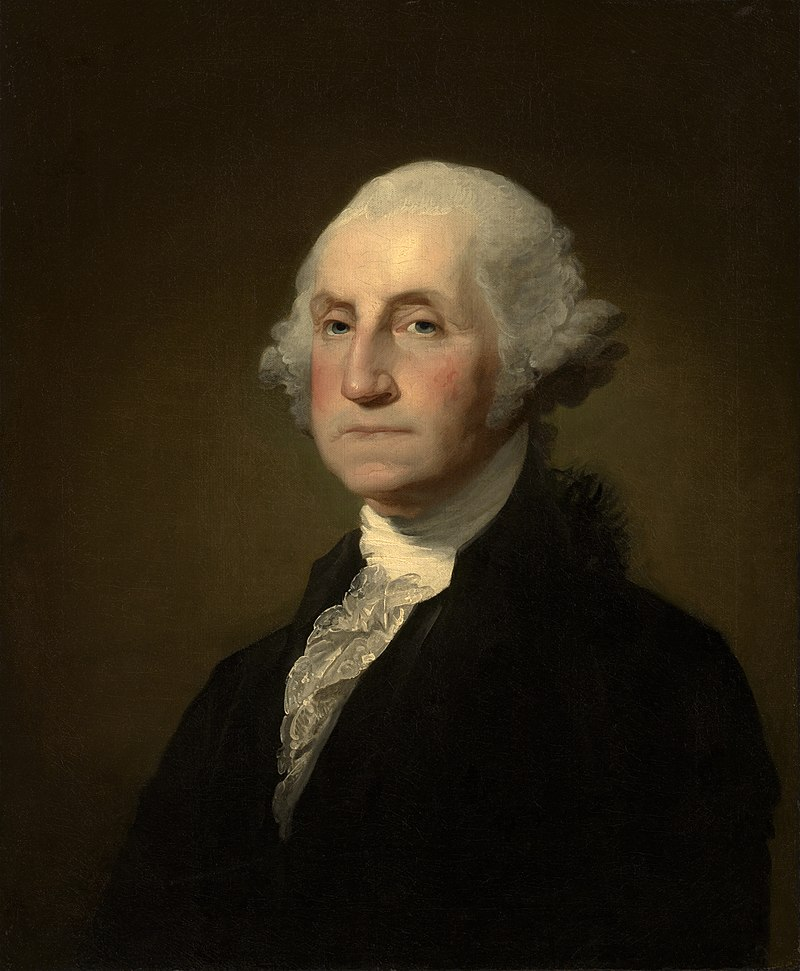
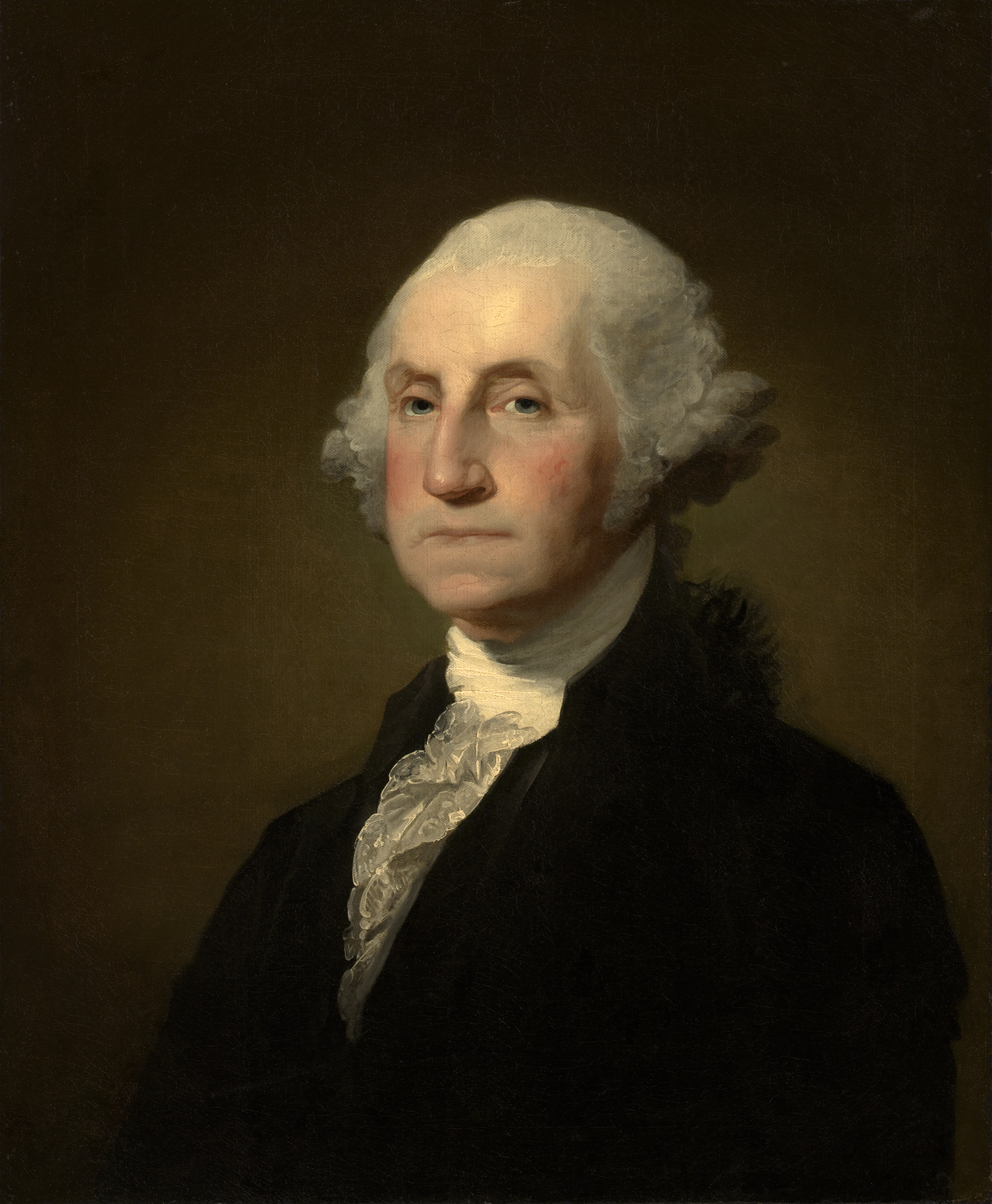
George Washington the 1st president of the United States of America not only defined the role of the chief executive as the first U.S. president but also coined certain words that are still used today
One of the words he introduced was “administration,” which he used to explain the period of time during which he was commander in chief.
He used this term in his Farewell Address in 1796 when he said, “In reviewing the incidents of my administration, I am unaware of intentional error.”
Interestingly, the Oxford English Dictionary credits Washington with the first evidence of the usage of 32 words, including “average” and “indoors.”
However, it’s important to note that Washington didn’t necessarily create these terms, but rather his writings contained the earliest recorded instances of them.
This is in part because his papers were among the few to survive from the 1700s.
It’s pretty amazing to think about how much influence George Washington had not only on the founding of the United States but also on the English language itself!
2. Franklin D. Roosevelt And The Word Iffy
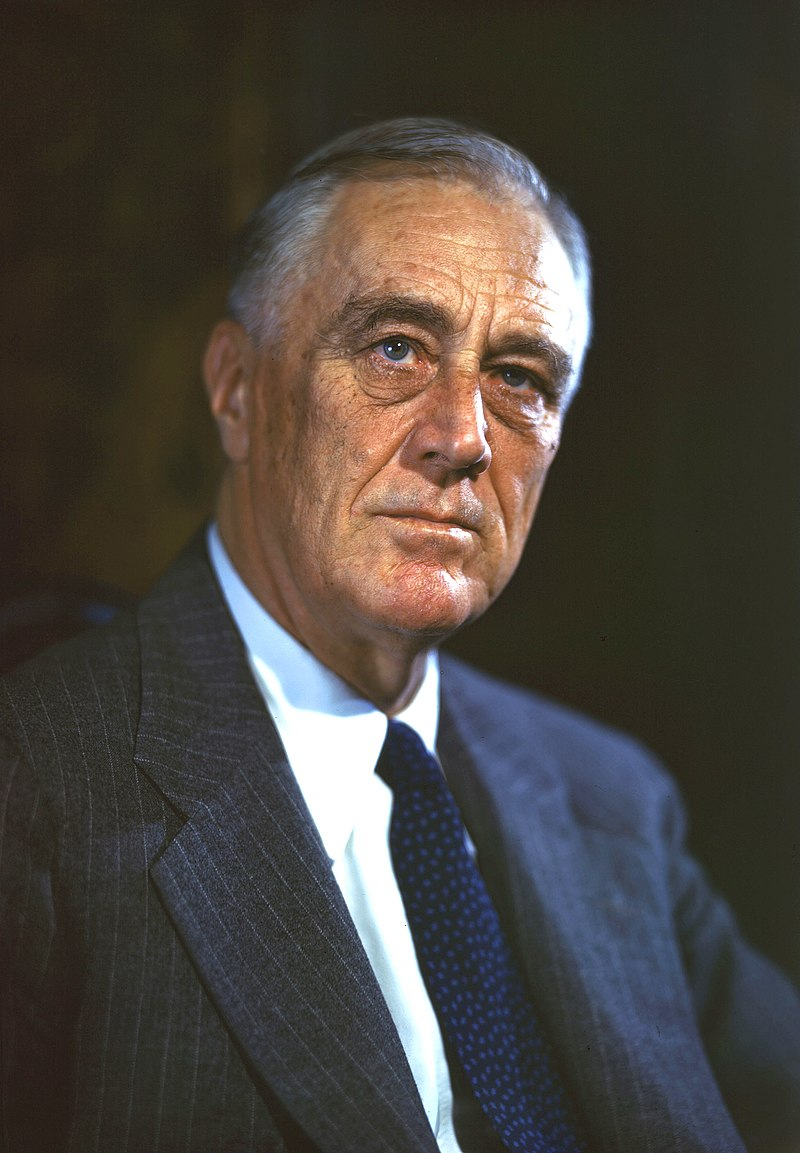

Franklin D. Roosevelt — a man of many contradictions. He came from a privileged background and had a very refined, eloquent speaking style — Roosevelt was also a member of the American aristocracy.
He was a politician who understood how to relate to the general public and communicate in a relatable and approachable manner.
“Iffy” was one word that Roosevelt used very often. By using slang in his speech, he demonstrated that he was not opposed to using colloquial language to make a point.
He also avoided potentially awkward situations by dismissing hypothetical reporter questions with the word “iffy,” which added a touch of humor and lightness to his answers.
FDR’s use of colloquial language is a reminder that effective communication requires much more than polished speeches and elegant language in today’s world, where politicians and leaders are frequently accused of not being in touch with the general public.
One must be willing to overcome obstacles and communicate in a way that is understandable and relatable to everyone.
His willingness to use slang is just one of the many ways Roosevelt demonstrated that he was a leader who knew how to connect with people from all walks of life.
Roosevelt’s legacy as a great communicator is still felt today.
The next time you hear someone use the word “iffy,” keep in mind that even one of America’s most learned and accomplished orators occasionally employed slang.
3. Thomas Jefferson — A President Who Introduced More Than 100 Words
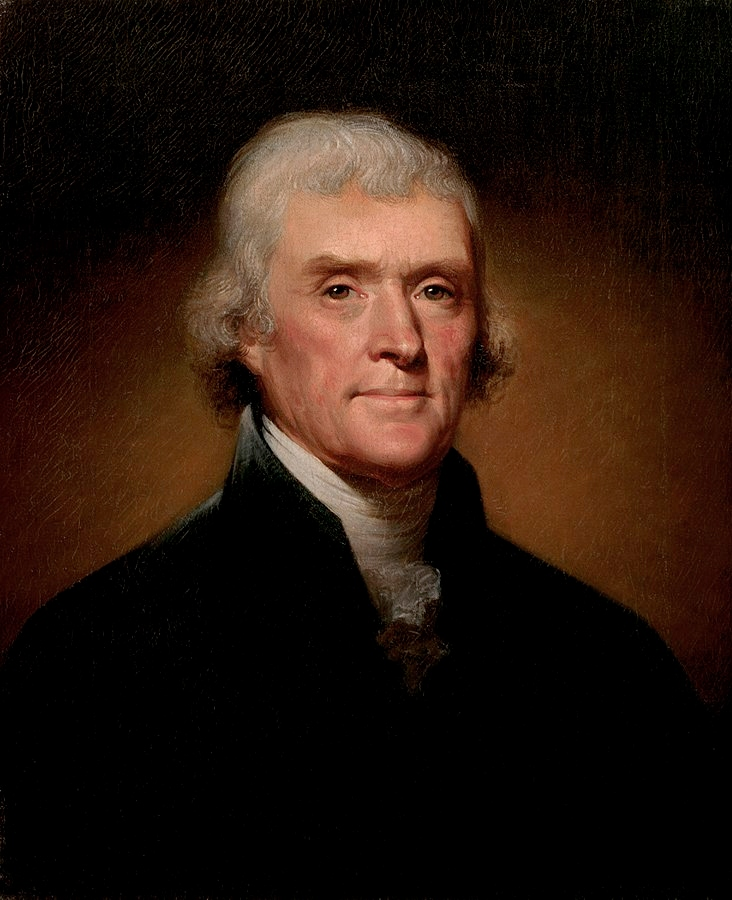

The third President of the United States, Thomas Jefferson, was well-known for his contributions to politics, philosophy, and linguistics.
With 110 words recognized by the Oxford English Dictionary, he stands out as the only U.S. President to have contributed more words to the English language than any other.
His words like “belittle,” “mammoth,” and “neologize” are still frequently used today in a variety of contexts and have integrated into the English language.
Jefferson gave language a great deal of importance because he believed that it could help create new words and help America develop its own unique national identity.
He and his contemporaries thought that in order for the United States to be recognized as a independent and unique nation, it needed its own language.
Jefferson’s admiration for French language and culture had a big impact on his use of language.
He returned from Paris with a number of French words, including “pedicure,” which refers to the treatment of the feet.
Generally speaking, Thomas Jefferson’s influence on the English language still has an effect on how we interact today.
His commitment to establishing an exclusive American language was crucial in forging the country’s identity and securing its place in the world.
4. Abraham Lincoln — Sugar Coated
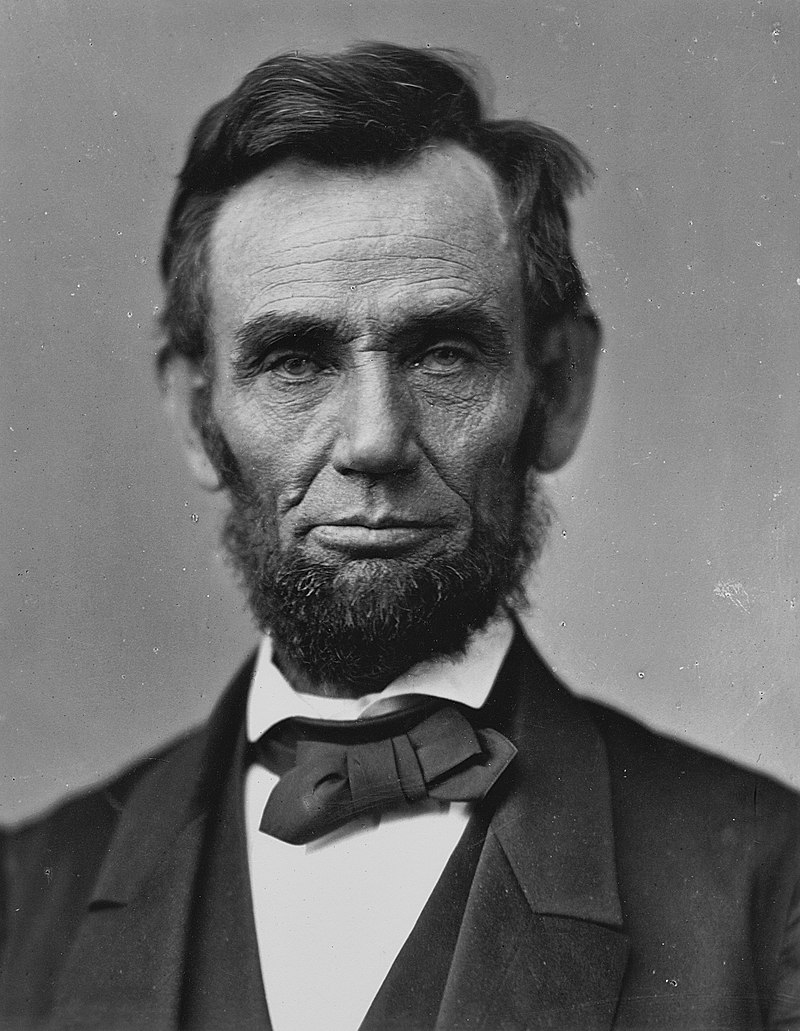
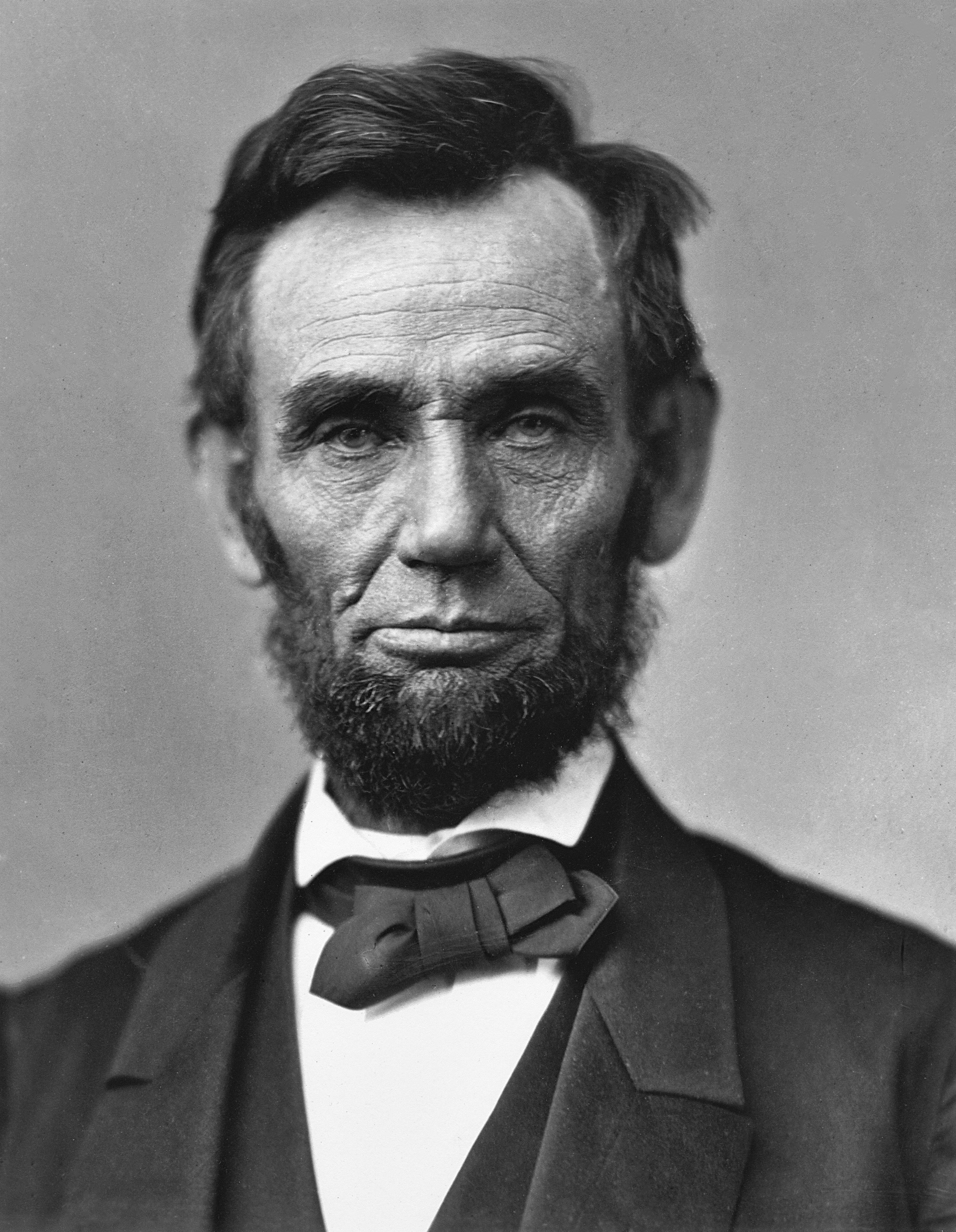
Abraham Lincoln’s verbal skills and his control on the English language were exceptional.
He was able to communicate with everyone by speaking both elegantly and straightforwardly.
It was in one of his speeches that he delivered in Congress, that he used the phrase “Sugar-Coated” for the people who were leaving America for various reasons.
The phrase uttered by Abraham Lincoln was significant because it forges a vivid image in the mind of its listener.
It evokes thoughts of things that seem admirable on the surface but are abominable on the inside.
Lincoln demonstrated through the use of this phrase that those who wanted to leave were lying, and he did so in a way that was clear to everyone.
Lincoln believed that everyone was going to understand what the meaning behind the phrase “sugar-coated” was; however, the person who printed his speech claimed that he never liked the phrase.
Lincoln believed even if the language wasn’t elegant or formal, people would be able to tell when someone was using strong words and the meaning behind it.
Final Thoughts
Presidents have had a significant influence on the language and culture of America.
They have altered how people communicate and perceive key challenges by introducing new words and phrases into the country’s lexicon.
Beyond their political achievements, their use of language and rhetoric has influenced how the public will remember them and their time in office.