
6 Eye-Opening Religious Borrowings That Challenge Our Beliefs
Surprising Connections Between Faiths.
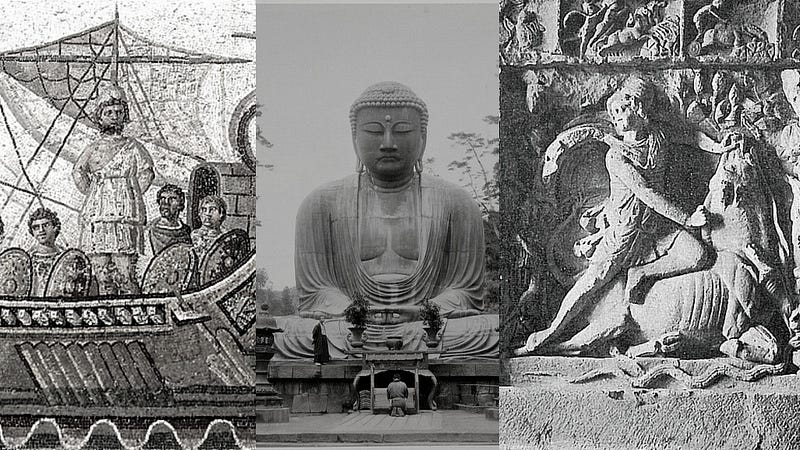
Religious borrowings describe the phenomenon through which various religions adopt the beliefs, rituals, and symbols of one another over time.
Hybrid religious traditions that combine aspects of various faiths have been produced as a result of this practice of cultural exchange and appropriation.
Let’s learn more about the intricate interactions between historical cultures and religious systems by looking at the ways in which religions have borrowed from one another.
1. Greek Influence On The Romans
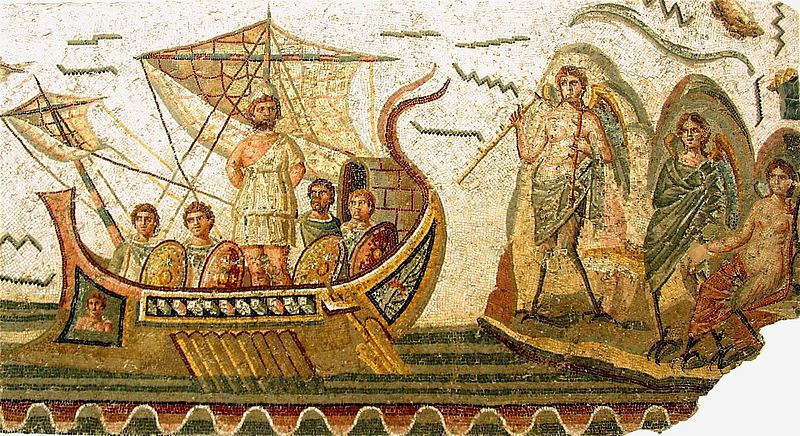

The Romans altered Greek gods and goddesses to fit their own social and cultural norms rather than adopting them whole.
Roman religion, on the other hand, was more concerned with communal rituals and social order, whereas Greek religion frequently placed emphasis on personal piety and relationships with the gods.
With Jupiter at the top as the supreme god, the Roman pantheon of gods and goddesses was consequently more hierarchical and structured than the Greek one.
Roman religious practices and beliefs were undoubtedly influenced by Greek mythology, but they were not entirely replaced.
Saturnalia and Lupercalia, two Roman festivals that had nothing to do with Greek mythology, were still observed as part of the culture.
However, the two religious cultures eventually converged to form a syncretic, distinctly Roman culture.
2. Mithraism And Their Influence On Christianity
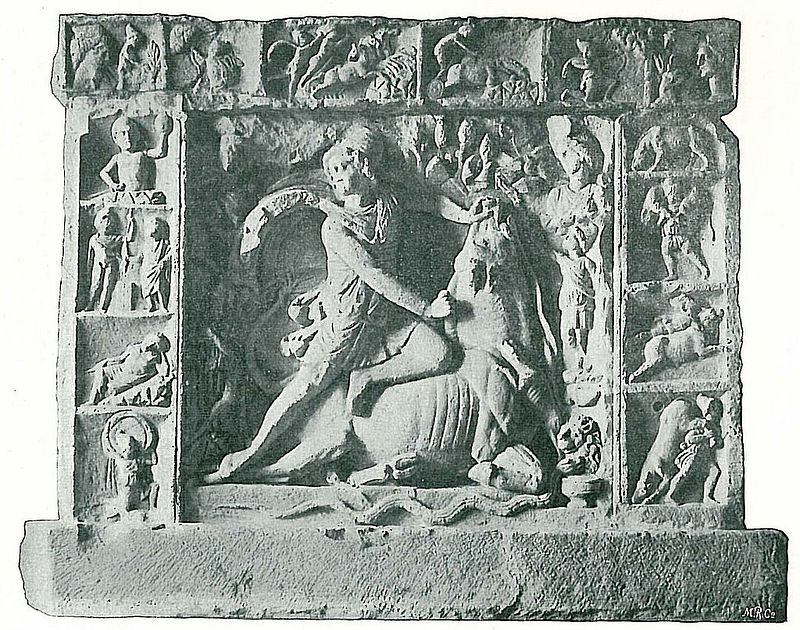

Religions have historically borrowed and adopted practices and beliefs from each other, frequently leading to syncretism or the blending of various traditions.
The influence of Mithraism on Christianity is no exception either.
The idea of a savior or redeemer figure is perhaps the most significant resemblance between the two religions of Mithraism and Christianity.
The famous phrase “the redeemer” was initially used by the Mithira — started to become a part of Christianity because they started using it to describe Jesus Christ.
Worshippers of Mithras also referred to Mithra as “the way, the truth, and the light,” a title that was later given to Jesus in the New Testament.
Another thing that became common between the two religions is the way that religious leaders are addressed as “fathers”.
The practice of addressing priests as “father” was ubiquitous in Mithraism, and it eventually made its way into Christianity and their tradition — the Pope was later referred to as “Holy Father” by the Christians.
3. The Closest Religions To Each Other — Buddhism And Hinduism


Hinduism and Buddhism have a really interesting relationship. Some sects of Hinduism have been open to incorporating figures from other religions into their religious ideology for centuries.
Hindus did not convert in large numbers to Buddhism despite the popularity of the religion among Hindu groups after the passing of Buddha.
Even Ashoka the Great, who led the conquest of modern-day India and supported Buddhism, continued to be a recognized ardent follower of Hinduism..
However, the Hindu sect of Vaishnavism adopted an unique concept of approaching.
They hold that Buddha was a manifestation of the god Vishnu on Earth, enabling the coexistence of the two religions without sacrificing either.
This practical integration of Buddhism into Hinduism can be traced back to the poet Jayadeva of the 12th century, who argued that Vishnu took on the form of Buddha in order to abolish the practice of animal sacrifice that was widespread among Hindu communities at the time of Buddha.
Though Buddha lived centuries earlier, he was considered the ninth avatar of Vishnu, whereas Jesus Christ was listed as the eighth.
Overall, this example shows how religions can interact with one another and change over time.
4. Islam And Hinduism
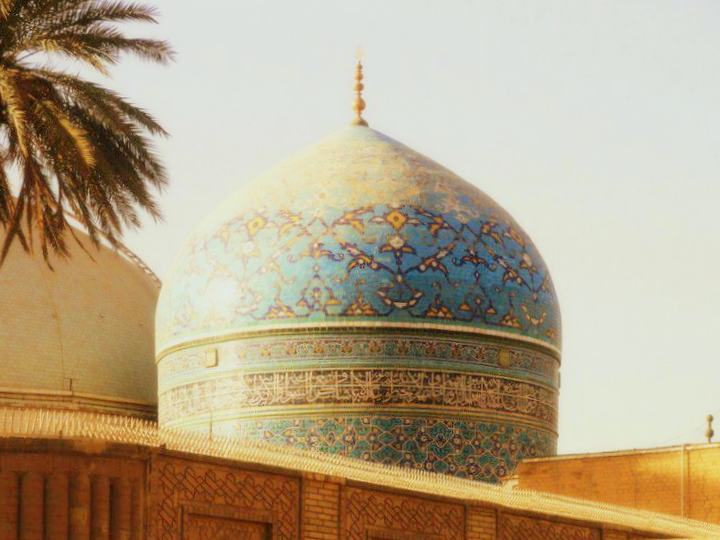
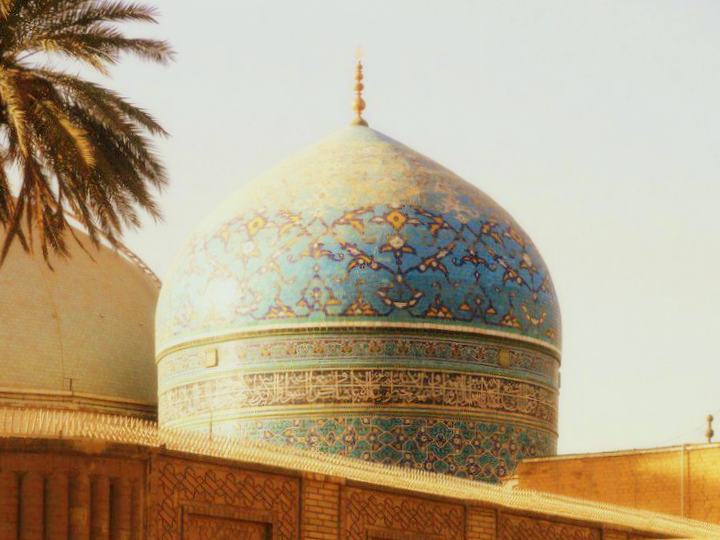
Islam and Hinduism are major religions in India that have coexisted for centuries, but not always peacefully.
The Muslim invasions of India resulted in the destruction or conversion of many Hindu temples into mosques since the 7th century CE.
The current regime under Prime Minister Narendra Modi has been accused of encouraging the persecution of Muslims, including mass-lynchings since 2014.
Despite these challenges, Hindus and Muslims have achieved peaceful coexistence through shared places of worship known as Dargah.
These sites are found throughout India, where both communities perform their respective prayers in close proximity.
Dargahs are Muslim saints’ shrines or tombs that have gained popularity among both Muslims and Hindus.
They offer a remarkable illustration of how two religions can live in harmony while respecting one another’s beliefs.
As a reminder that Indian society is not as divided as it may appear, dargahs are also important.
Contrary to popular belief, which holds that the two religions are in constant conflict, dargas have come to represent peaceful coexistence and communal harmony.
Dargahs demonstrate that it is possible for people of different faiths to live in harmony despite historical and modern challenges.
They act as a constant reminder of the importance of respecting and tolerating opposing viewpoints and ideologies, and their pervasive use shows that social harmony is still possible even in places where tensions may be high.
Final Words
The historical development of various religious traditions has been significantly influenced by the practice of religious borrowing.
Religions have evolved and adjusted to changing social and cultural contexts by taking ideas from one another and modifying them.
While there may be tensions and disputes as a result of these borrowings, there are also chances for interaction and understanding between communities.
In the end, examining the similarities and differences between different religions offers a useful view through which we can observe the intricate and ever-evolving nature of religious traditions.
More from the author: