avatarHailey

Free AI web copilot to create summaries, insights and extended knowledge, download it at here

3337

Abstract

limits was rekindled, as the unemployment rates skyrocketed during the Great Depression and the wealth gap between the rich and the poor grew.</p><p id="a6b1">This led to Washington Rep. Wesley Lloyd proposing an amendment to cap annual incomes at 1 million US Dollar, and Rep.</p><p id="5077">John Snyder of Pennsylvania suggesting an amendment to limit investment income.</p><p id="aae7">Given the current wealth and income gaps, it is only natural to ask if similar suggestions would reemerge even though these amendments did not have enough support to succeed.</p><h1 id="eb4d">3. Minarets Of Switzerland</h1><figure id="564c"><img src="https://cdn-images-1.readmedium.com/v2/resize:fit:800/0*Ytzwo0Z6_DGeVTiJ"><figcaption>Image Source — <a href="https://upload.wikimedia.org/wikipedia/commons/0/0f/Selimiye_Mosque_%2815051985908%29_%28cropped%29.jpg">Wiki</a></figcaption></figure><p id="2a3d">One of the more unusual constitutional amendments that were passed in recent years concerns the banning of minarets in Switzerland.</p><p id="0ab7">For those who are unfamiliar, minarets are tall, narrow towers commonly found in the architecture of mosques.</p><p id="45c9">The minarets not only serve as a platform for a call to prayer since the early days — but also gives the mosque its distinct look</p><p id="e905">Citizens of Switzerland decided through a referendum in 2009 to stop the country from building and having any more minarets.</p><p id="ab74">Initially, the polling suggested that the bill would not pass; however, in the end, the result was in favor of the people who were — against minarets.</p><p id="ef5c">As a result of the referendum, an amendment was made to the Swiss constitution, which categorically forbade the construction of any kind of minarets.</p><p id="73db">People from all political stripes expressed worries about the alleged “Islamization” of Switzerland, which led some to conclude that the ban was motivated by anti-Muslim prejudice.</p><p id="1536">While some were more outspokenly against Islam as a whole — then there were those who justified their support for the ban by pointing to concerns about how women are treated in Islam.</p><p id="546a">Regardless of the reasoning, the amendment represents a unique and controversial addition to the Swiss constitution.</p><h1 id="ee67">4. Canadian And Their Margarine</h1><figure id="0145"><img src="https://cdn-images-1.readmedium.com/v2/resize:fit:800/0*KPE40he7nWVirxnq"><figcaption>Image Source — <a href="https://upload.wikimedia.org/wikipedia/commons/6/63/FD_2a.jpg">Wiki</a></figcaption></figure><p id="8d67">The production of cheap margarine in the 1870s benefited poorer consumers, but some countries tried to eliminate or limit its availability.</p><p id="abde">The American government passed the Margarine Act in 1886 at the request of the dairy industry, which imposed a heavy sales tax and expensive licensing fees to make margarine more expensive than butter.</p><p id="5a0e">Several different states across Canada entirely banned margarine.</p><p id="b9fe">The Canadian government banned margarine from sale completely in 1886; however, the ban was relaxed from 1917 to 1923, and it was federally repealed in 1948.</p><p id="7f43">Newfoundland, lacking the climate to support a dairy industry, entered the margarine industry in 1883,

Options

initially using oils from seals, whales, and fish.</p><p id="955c">The Newfoundland Butter Company was founded in 1925, which imposed a 6% import tax on margarine in the same year the factory opened, and Crosbie was also accused of using his political influence to sell his margarine to public institutions in the Dominion.</p><p id="684b">When Newfoundland entered negotiations with Canada to join Confederation in 1948, a major sticking point was the issue of margarine.</p><p id="020a">The British North America Act was amended to include two references to margarine: one to legalize margarine production in Canada and another to prohibit its exportation to other provinces.</p><p id="84fc">Another problem that was addressed was the color of the margarine, which was often colored yellow to make it look like butter — this is why some provinces and states were given the liberty to ban the sale of colored margarine.</p><h1 id="fb3e">Conclusion</h1><p id="c9cf">The unpredictability and sophistication of the legislative process are shown by the weird amendments in the law that have actually been approved.</p><p id="28c4">These amendments serve as a reminder of the distinctive and often unpredictable character of democracy, where the most absurd concepts have the capacity to become an eternal part of the law.</p><p id="543e">More from the author:</p><div id="9a87" class="link-block"> <a href="https://readmedium.com/unspoken-struggles-of-menstruating-women-during-the-holocaust-79a794b42e78"> <div> <div> <h2>Unspoken Struggles of Menstruating Women During the Holocaust</h2> <div><h3>Hidden stories of women in Nazi Concentration Camp.</h3></div> <div><p>medium.com</p></div> </div> <div> <div style="background-image: url(https://miro.readmedium.com/v2/resize:fit:320/0*Bu8l4nOXeXQZoRYG)"></div> </div> </div> </a> </div><div id="c336" class="link-block"> <a href="https://readmedium.com/4-shocking-medical-conspiracy-theories-that-were-actually-true-8b6237a27c3f"> <div> <div> <h2>4 Shocking Medical Conspiracy Theories That Were Actually True</h2> <div><h3>When the Unbelievable Became Believable.</h3></div> <div><p>medium.com</p></div> </div> <div> <div style="background-image: url(https://miro.readmedium.com/v2/resize:fit:320/1*LgcqpyXq9TtolL0LIYc_Eg.png)"></div> </div> </div> </a> </div><div id="9516" class="link-block"> <a href="https://readmedium.com/4-surprising-words-you-wont-believe-were-coined-by-us-presidents-6e8e03640227"> <div> <div> <h2>4 Surprising Words You Won’t Believe Were Coined By US Presidents</h2> <div><h3>Phrases you never knew originated from the white house.</h3></div> <div><p>medium.com</p></div> </div> <div> <div style="background-image: url(https://miro.readmedium.com/v2/resize:fit:320/1*cwyarAfqvJXrq4etc06seQ.jpeg)"></div> </div> </div> </a> </div></article></body>

4 Bizarre Laws That Actually Made It Into The Constitution

Additions that raised eyebrows in history.
Source: Image by author

Several amendments that have been made and approved by various state authorities over the course of history that are regarded as weird or odd.

While being frequently the subject of debate and scrutiny, these amendments have however made their way to become a part of the law.

We will look at some of the strangest amendments ever passed in this article, along with the justifications for their adoption.

1. 19th Amendment — Women Right To Vote
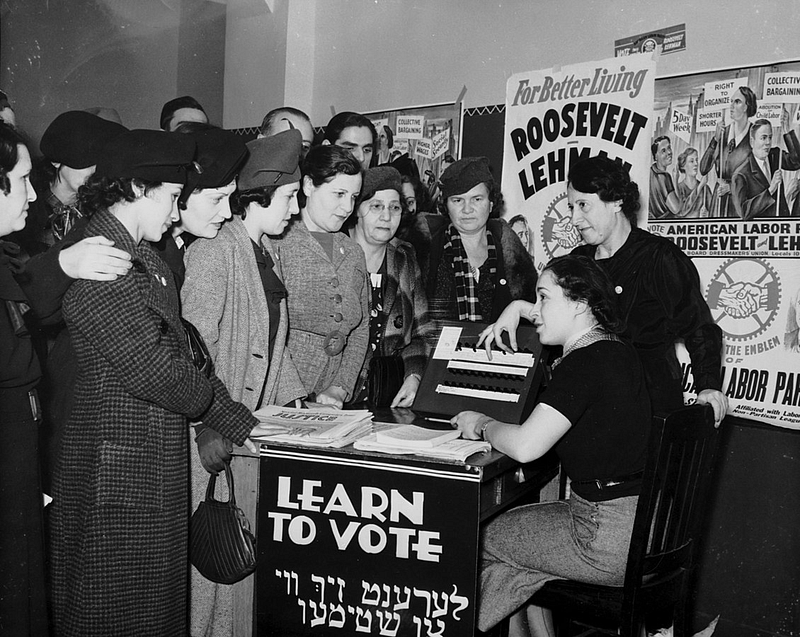
Image Source — Wiki

The 19th Amendment is one of the most contentious amendments in US history due to the lengthy and challenging process it underwent to be ratified in 1920.

It was established in 1878 with the intention of protecting women’s voting rights by stopping sexism.

The amendment was approved by the Senate and the House in 1919, but the states still had to ratify it.

Out of all the states only 22 states did approve it by the end of that year.

However, by June 1920, 35 states had ratified it, leaving only one more needed for it to pass.

The state of Tennessee was the last hope as every other state had rejected it.

The amendment was already accepted by the Tennessee Senate, however the House couldn’t agree on anything, because of the vote count which was 48 to 48.

It seemed like the amendment might fail, but Representative Harry Burn changed his vote at the last minute.

Sen. Harry Burn, who had opposed the amendment all along, got a letter from his mother urging him to support ratification — Burn’s changed his vote — and as a result, the amendment was ratified, granting women the legal right to vote.

Despite its eventual success, the 19th Amendment faced significant resistance and controversy throughout its decades-long journey to ratification.

2. Limiting Wealth To 1 Million USD For All
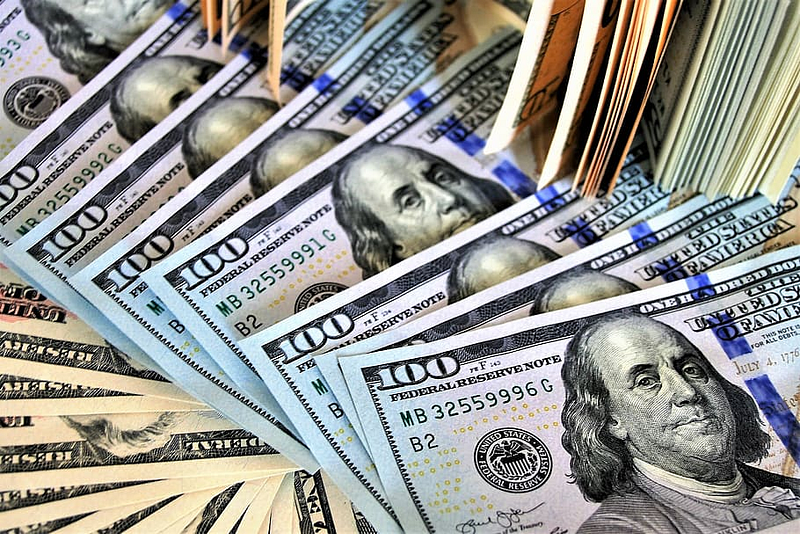
Image Source — WPFlare

In the early 20th century, proposals to cap personal wealth and income were not as uncommon as one might think, especially among congressmen who were socialist.

Nevertheless, lawmakers didn’t have a better instrument to tackle income inequality until the 16th Amendment was ratified in 1913 — the power of the federal government to levy an income tax.

Interest in wealth and income limits was rekindled, as the unemployment rates skyrocketed during the Great Depression and the wealth gap between the rich and the poor grew.

This led to Washington Rep. Wesley Lloyd proposing an amendment to cap annual incomes at 1 million US Dollar, and Rep.

John Snyder of Pennsylvania suggesting an amendment to limit investment income.

Given the current wealth and income gaps, it is only natural to ask if similar suggestions would reemerge even though these amendments did not have enough support to succeed.

3. Minarets Of Switzerland
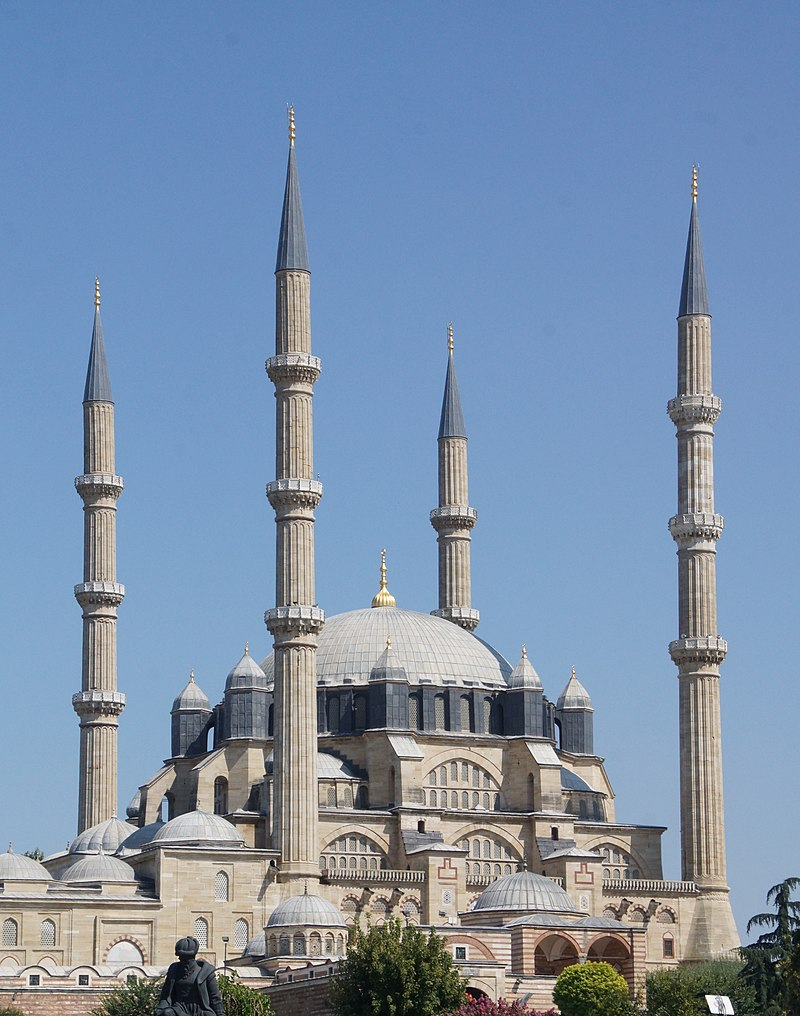
Image Source — Wiki

One of the more unusual constitutional amendments that were passed in recent years concerns the banning of minarets in Switzerland.

For those who are unfamiliar, minarets are tall, narrow towers commonly found in the architecture of mosques.

The minarets not only serve as a platform for a call to prayer since the early days — but also gives the mosque its distinct look

Citizens of Switzerland decided through a referendum in 2009 to stop the country from building and having any more minarets.

Initially, the polling suggested that the bill would not pass; however, in the end, the result was in favor of the people who were — against minarets.

As a result of the referendum, an amendment was made to the Swiss constitution, which categorically forbade the construction of any kind of minarets.

People from all political stripes expressed worries about the alleged “Islamization” of Switzerland, which led some to conclude that the ban was motivated by anti-Muslim prejudice.

While some were more outspokenly against Islam as a whole — then there were those who justified their support for the ban by pointing to concerns about how women are treated in Islam.

Regardless of the reasoning, the amendment represents a unique and controversial addition to the Swiss constitution.

4. Canadian And Their Margarine

Image Source — Wiki

The production of cheap margarine in the 1870s benefited poorer consumers, but some countries tried to eliminate or limit its availability.

The American government passed the Margarine Act in 1886 at the request of the dairy industry, which imposed a heavy sales tax and expensive licensing fees to make margarine more expensive than butter.

Several different states across Canada entirely banned margarine.

The Canadian government banned margarine from sale completely in 1886; however, the ban was relaxed from 1917 to 1923, and it was federally repealed in 1948.

Newfoundland, lacking the climate to support a dairy industry, entered the margarine industry in 1883, initially using oils from seals, whales, and fish.

The Newfoundland Butter Company was founded in 1925, which imposed a 6% import tax on margarine in the same year the factory opened, and Crosbie was also accused of using his political influence to sell his margarine to public institutions in the Dominion.

When Newfoundland entered negotiations with Canada to join Confederation in 1948, a major sticking point was the issue of margarine.

The British North America Act was amended to include two references to margarine: one to legalize margarine production in Canada and another to prohibit its exportation to other provinces.

Another problem that was addressed was the color of the margarine, which was often colored yellow to make it look like butter — this is why some provinces and states were given the liberty to ban the sale of colored margarine.

Conclusion

The unpredictability and sophistication of the legislative process are shown by the weird amendments in the law that have actually been approved.

These amendments serve as a reminder of the distinctive and often unpredictable character of democracy, where the most absurd concepts have the capacity to become an eternal part of the law.

More from the author:

History
Culture
Education
Life
Politics
Recommended from ReadMedium