
Science in the kitchen
Unseen toxins: A doctor reveals the disturbing science of grilled, fried, smoked and browned food
Buckle up for a journey into the kitchen’s dark secrets. How you cook your food may be shortening your life.
This isn’t your typical food talk. Let’s use my medical and scientific background to dive deep into the seemingly harmless act of cooking. What we’ll find there might reshape your approach to the grill and fryer.

You‘ve heard lots about the health risks of saturated fats and excessive calories, but something you likely haven’t heard about may be harming you far more.
Today, we’ll examine the hazards lurking in some of your favourite foods. And here’s what’s really shocking: it’s you who put them there.
The earliest evidence of cooking comes from an archaeological site in Israel, dating back almost 800,000 years. The shift from eating raw to cooked food was a turning point in human evolution. By greatly increasing our efficiency at digesting food, we could turn our attention away from hunting and foraging to other pursuits. It led us to where we are today.
Cooking over a flame still holds great appeal. There’s nothing quite like the smell of a barbecue on a summer’s evening. There’s something undeniably satisfying about food that’s been grilled, roasted, seared or fried.
Yet that very act of cooking suffuses your food with poisons worthy of a toxic waste spill. Let’s first uncover the hidden hazards emerging at the barbecue — where succulent aromas and dangerous chemicals converge.
Let’s start at the barbecue
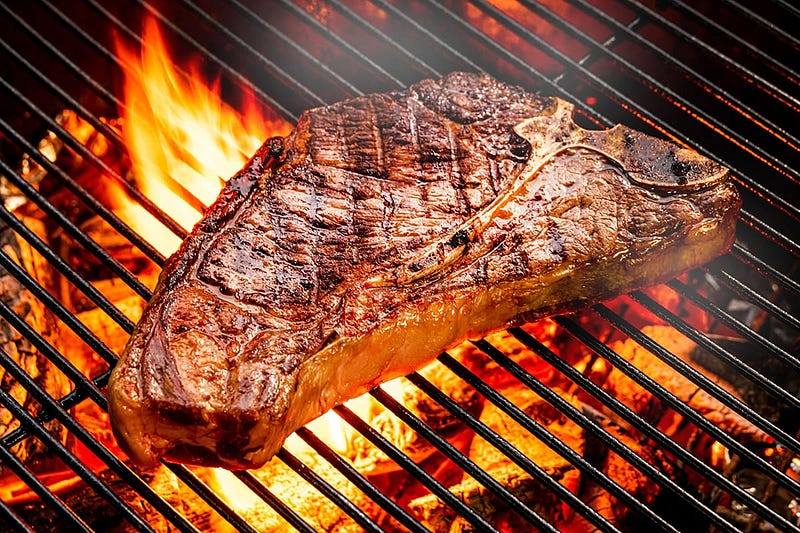
Perhaps the most appealing aromas of the barbecue arise as those succulent juices drip onto the coals.
That’s the moment of birth of a family of more than two hundred chemicals: the polycyclic aromatic hydrocarbons (PAHs), most unwelcome guests at any party. If you’d like to get better acquainted, let me introduce you to benz[a]anthracene, chrysene, benzo[b]fluoranthene and the particularly obnoxious benzo[a]pyrene.
And what a toxic family it is, too.
A good number of them are carcinogens, mutagens (able to mutate your DNA), and immune system suppressors. Being fat-soluble, they accumulate in the body and continue their dangerous activity long after they’re ingested.
That fat solubility has another effect. Those aromas don’t just reach your nostrils. Polycyclic aromatic hydrocarbons are quickly absorbed by the grilling food. Next stop, your stomach.
Maybe the smoker is safer
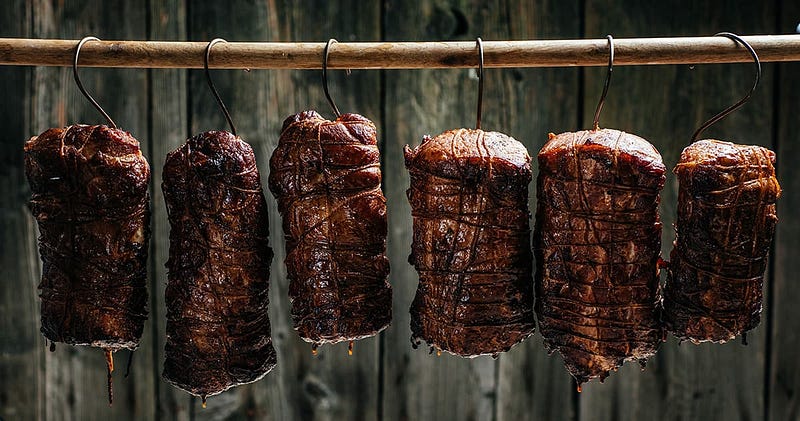
If the barbecue isn’t such a good idea, maybe we can impart similar deliciousness with woodsmoke and avoid those flames.
It’s a nice thought, but the wood smokes because of incomplete combustion. Do you know what gets produced as well as smoke? It’s our toxic polycyclic aromatic hydrocarbons again.
So that smoked brisket, bacon, salmon, cheese, oysters… they’re all a great way to dose yourself with carcinogens and mutagens.
If you’re wondering where you might find PAHs outside your food, try cigarette smoke and car exhaust fumes.
Okay. Let’s just stay inside and fry our food
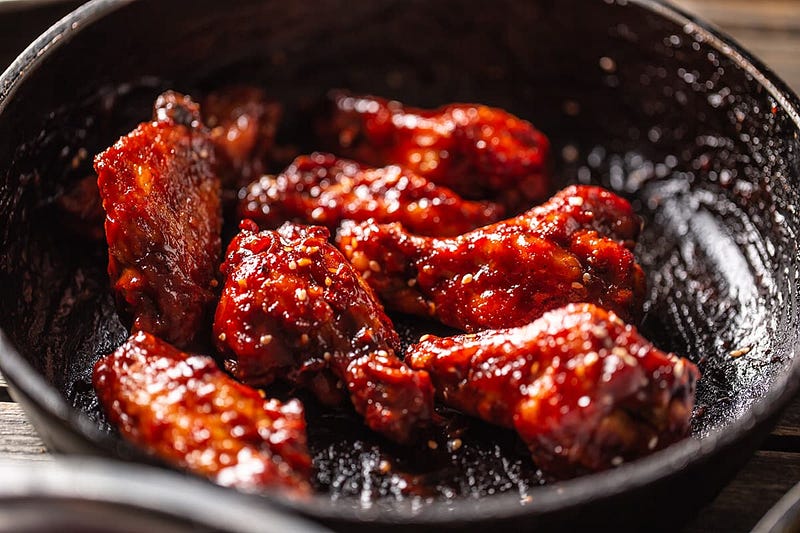
Looks like smoke and flames are on the naughty list for cooking. How about we switch things up and give our steak a sizzling sear in a pan instead?
Now, I must introduce you to a new family, the heterocyclic amines (HCAs). I’ll not introduce you formally as with names like 2-amino-1-methyl-6-phenylimidazo[4,5-b]pyridine, I know you’ll just look embarrassed and hope you don’t have to introduce them to anyone else.
Heterocyclic amines are produced when meat is cooked at high temperatures, principally when it’s fried.
Are HCA’s as toxic as their relatives, the polycyclic aromatic hydrocarbons? You bet your sweet Boston butt they are.
As an aside, I was recently shopping for peanuts. It’s icy cold as I write this, and my garden bird feeders are always busy. Many of the packs were labelled ‘aflatoxin free.’ Aflatoxins are carcinogens produced by certain fungi that live on nuts. To avoid cancer risk to our feathered friends, we seek out aflatoxin-free nuts.

Why do I digress into my peanut shopping expedition? Because heterocyclic amines are a hundredfold more potent carcinogens than aflatoxins, yet we willingly consume them every week, some of us every day.
HCAs aren’t the only uninvited guests at the dinner table when you fry your food. It’s time to say hello to lipid oxidation products (LOPs).
At high temperatures, oils rich in polyunsaturated fats (think corn, sunflower and soybean oils) oxidise to produce chemicals called aldehydes. You’ve likely heard of one of them, formaldehyde: it’s used in embalming.
Aldehydes are now thought to be some of the most potent carcinogens in cigarette smoke.
And here’s a scary fact: one large restaurant portion of French fries contains the same quantity of aldehydes as 20 to 25 cigarettes.
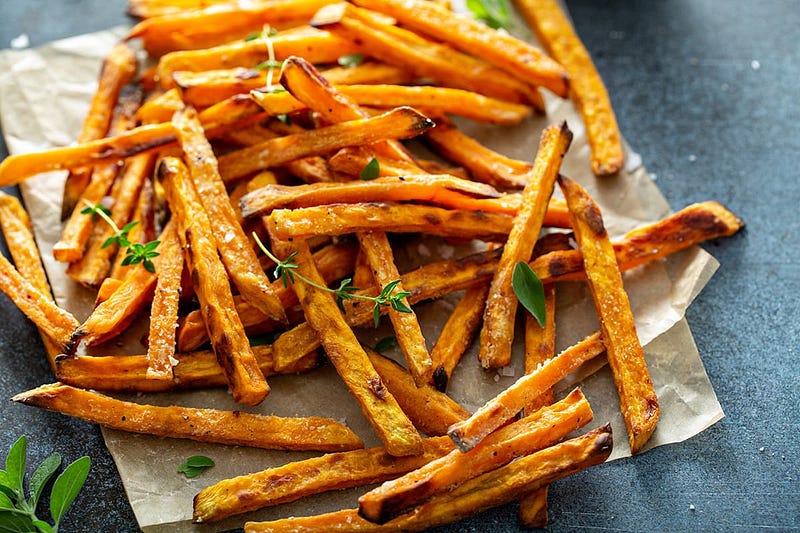
Aldehydes are genotoxic, mutagenic and carcinogenic. That is to say, they can mutate DNA, kill cells and cause cancer.
How are those fries looking now?
It’s one of life’s ironies that, under the advice of health experts, we’ve moved from frying food in saturated fats (like butter and lard) to using ‘healthier’ polyunsaturated oils. Now we’re learning that there’s no robust evidence that saturated fats cause heart disease and strong evidence that polyunsaturated fats exposed to high temperatures produce highly toxic chemicals that permeate our food.
To add insult to injury, saturated fats like lard and coconut oil don’t oxidise to aldehydes and LOPs at high temperatures. Perhaps they were the healthy choice after all.
Trans fats make a comeback
In many countries, trans fats have been banished from the food industry due to their promotion of atherosclerosis and cardiovascular disease.
That’s completely justified, but do you know you can make trans fats at home? Can you guess how?
Simple, just heat fats to a high temperature, like maybe frying or grilling.
Let them eat bread
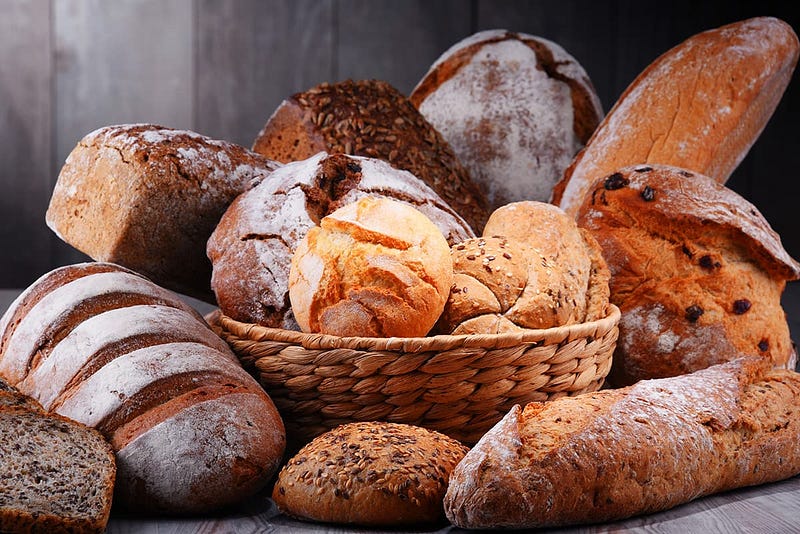
Since cooking meat means taking your life into your hands, maybe you’d better stick to bread and jam.
You know what’s coming, don’t you?
Let’s talk about the Maillard reaction. It’s every cook’s best friend. At high temperatures, carbohydrates and amino acids react together to produce browning and a complex mix of chemicals that add a colossal taste boost as well as colour.
But the Maillard reaction isn’t all good. We need to talk about advanced glycation end products and acrylamide.
Some years ago, molecular biology lab work was a major part of my PhD. I cloned bacterial genes and then used those genes to produce proteins that may have a role in vaccines. We isolated the proteins on a polyacrylamide gel, which we made ourselves by polymerising acrylamide.
This was my first introduction to acrylamide, and it was a cautious introduction. Acrylamide is recognised as a carcinogen, so we had to handle it in a safety cabinet. My lab supervisor was ever vigilant that we didn’t use it without protection. It’s fair to say I had a serious degree of respect for acrylamide.
Imagine my consternation when I later learned that acrylamide is produced when we heat carbohydrates above 150C / 300F under low humidity — think French fries, potato crisps/chips, biscuits/cookies, bread and other baked goods, popcorn and coffee. Cigarette smoke is another major source.
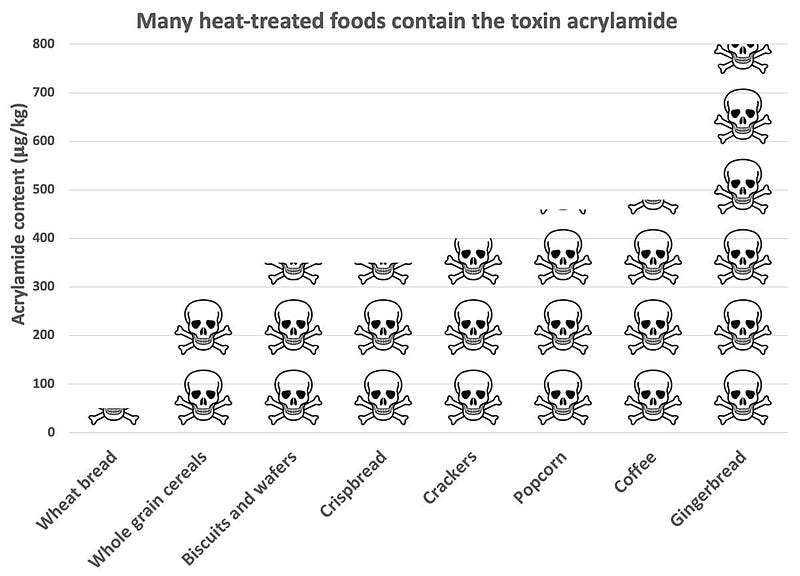
A review of the latest research initially provided some relief. Although acrylamide does cause cancer in animals, there’s scant evidence that it does so in humans. This was a big relief as I love bread, a sizable source of acrylamide in our diets.
Then I discovered that acrylamide can cause neurological damage leading to tremors, weakness, numbness, tingling, gait abnormalities and poor coordination. It’s primarily seen in people exposed through their work, but still, it’s there in humans. Experts have suggested it may be involved in Parkinson’s disease, ALS (Lou Gehrig’s disease) and Alzheimer’s.
Like acrylamide, the Maillard reaction also produces advanced glycation end products (AGEs), formed when sugars combine with proteins or fats at high temperatures. The highest amounts are produced when food
- has a high protein content
- is cooked at a high temperature
- for a prolonged time
We can see that effect in action when we compare the AGEs in foods cooked by different methods.
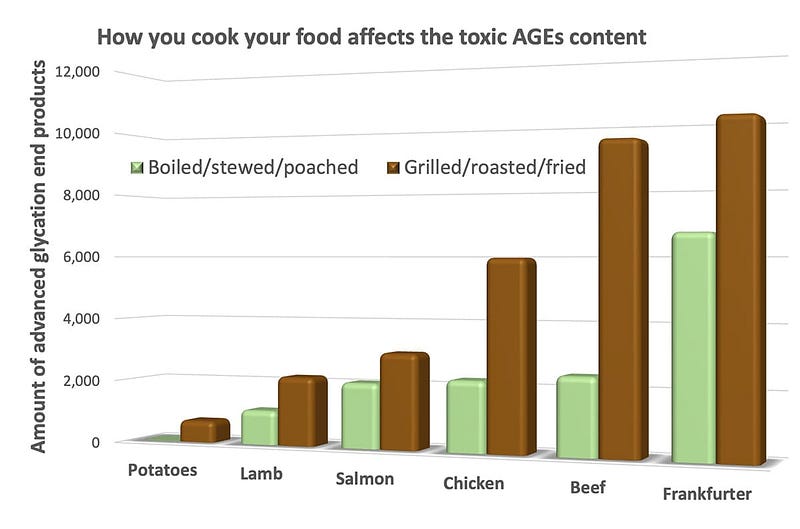
AGEs cause oxidative stress and inflammation. They’ve been linked to cardiovascular disease, chronic kidney disease, diabetes and neurodegenerative diseases such as dementia and Parkinson’s disease.
This is not good news. I’m also disturbed to hear that my burnt toast (I lose track of time when writing) is tantamount to toxic waste.
Is this just another fascinating fact?
We’re constantly bombarded by health warnings like these. Should you take today’s revelations as a wake-up call??
If this chemical soup is as toxic as I’ve suggested, we should see real effects in real people, so do we?
- Women with the highest lifetime intake of grilled/barbecued and smoked meat have a 47% increased risk of breast cancer. Those who also had low intakes of fresh fruit and vegetables had a 74% increased risk.
- In breast cancer survivors, a high intake of grilled/barbecued and smoked meat pre-diagnosis is associated with a 23% increased mortality. Those women who continued a high intake after diagnosis had a 31% higher death rate.
- Californians in the top 20% for the consumption of barbecued red meat had a 90% higher risk of having large polyps in their colon on sigmoidoscopy or colonoscopy. These polyps are often precursors to colon cancer. Each 10g of well-done red meat daily was associated with a 29% increased risk of large polyps.
- Women with a preference for well-done vs. rare/medium meat have a higher incidence of breast cancer — For hamburgers, it’s a 54% increase — for beef steak, it’s 221% — for bacon, it’s 164% — and for women who like all three consistently well done, it’s a 462% higher risk
- Women with the highest intake of fried meat consumption have a 77% increased risk of hormone-related cancers (breast, endometrium and ovary) — For a high intake of fried potatoes and eggs, that increase is 90%; for fried fish, it’s 310%
- Fried food appears to increase prostate cancer risk by around 35%. Prostate cancer is particularly associated with regular consumption of French fries, fried chicken, fried fish and doughnuts.
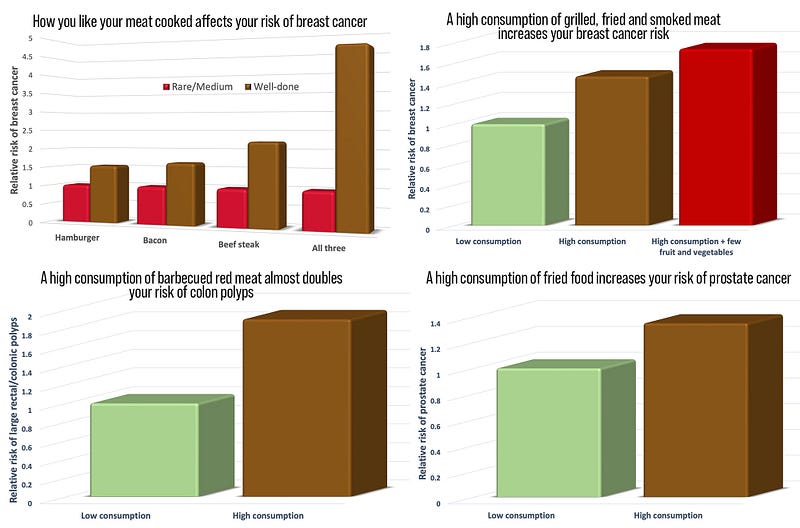
I don’t know about you, but I find these statistics compelling and just a little scary.
We’re not talking about rare diseases here. One in eight women will develop breast cancer, and one in eight men will get prostate cancer. If you double your risk through heavy consumption of grilled, barbecued, fried and smoked meat, that could take your risk to one in four.
How can you reduce these risks?
What are we to do? Should you give up all grilled, barbecued, smoked, fried and browned food?
Eating delicious food is one of the pleasures of life and, let’s face it, we take risks with almost everything we do. How you respond to this information should come down to your attitude to risk and a balanced approach.
It’s clear that a diet high in these types of food will significantly increase your risk of various diseases I suspect you’d rather avoid. Still, I, for one, will not start boiling all my food.
There are practical steps you can take to reduce the risk:
1. Regard grilled, barbecued, smoked and fried food as a treat, not everyday foods. Savour and enjoy them. 2. Choose rare or medium over well-done meat. 3. Avoid cooking over an open flame or on a hot metal surface as much as possible. 4. Avoid prolonged high-temperature cooking. — Try to stay at or below 180C / 360F. — Consider pre-cooking in the microwave or with sous vide, then searing in a skillet or barbecue to finish. 5. Continually flip the meat whilst cooking. 6. Remove and discard any charred portions of food. 7. Avoid using meat drippings to make gravy. 8. Avoid polyunsaturated oils for frying. Go for olive, peanut or canola oil. 9. Minimise the reuse of frying oil. 10. Remember, light brown food is better than dark brown. Blackened is bad.
What else you eat is important, too.
Eating lots of fresh fruit and vegetables can help mitigate some risks; just don’t fry them! Whole grains, nuts and seeds help, too, so consider swapping your crusty white loaf for a wholegrain seeded loaf, and don’t go crazy with the toaster.
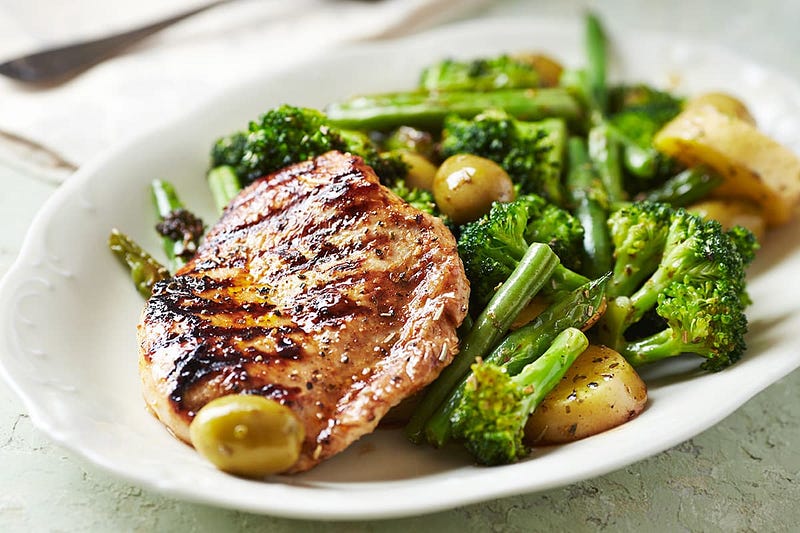
Grilled, barbecued, smoked, and fried food will continue to delight our taste buds, but it’s wise to be aware of the risks that come with them.
Air fryers are being pushed as a healthy alternative to deep-fat frying. A third of UK householders and perhaps two-thirds of US households now have one. It seems inevitable this will boost our consumption of these toxic chemical by-products.
As for me, I will still enjoy the occasional steak or grilled sausage. However, my bread is now wholemeal and seeded. My diet overall is predominantly fruit and vegetables.
I hope this deep dive has laid the facts on the table for you. How will you use these insights to make healthy choices for yourself and your family?
As we wrap up this exploration, stay tuned for further deep dives into the science behind our daily choices.
Be sure to subscribe/follow, and together, we’ll navigate the path to a healthier future.
If you enjoy the intersection between science and food, you may also enjoy these two articles:
If you’re looking for the best publication for your own health-related writing, you may be interested in my in-depth analysis of Medium health publications.
Selected references
Steck SE, Gaudet MM, Eng SM, Britton JA, Teitelbaum SL, Neugut AI, Santella RM, Gammon MD. Cooked meat and risk of breast cancer — lifetime versus recent dietary intake. Epidemiology. 2007 May;18(3):373–82. doi: 10.1097/01.ede.0000259968.11151.06. PMID: 17435448.
Knekt P, Steineck G, Järvinen R, Hakulinen T, Aromaa A. Intake of fried meat and risk of cancer: a follow-up study in Finland. Int J Cancer. 1994 Dec 15;59(6):756–60. doi: 10.1002/ijc.2910590608. PMID: 7989114.
Zheng W, Gustafson DR, Sinha R, Cerhan JR, Moore D, Hong CP, Anderson KE, Kushi LH, Sellers TA, Folsom AR. Well-done meat intake and the risk of breast cancer. J Natl Cancer Inst. 1998 Nov 18;90(22):1724–9. doi: 10.1093/jnci/90.22.1724. PMID: 9827527.
Uribarri J, del Castillo MD, de la Maza MP, Filip R, Gugliucci A, Luevano-Contreras C, Macías-Cervantes MH, Markowicz Bastos DH, Medrano A, Menini T, Portero-Otin M, Rojas A, Sampaio GR, Wrobel K, Wrobel K, Garay-Sevilla ME. Dietary advanced glycation end products and their role in health and disease. Adv Nutr. 2015 Jul 15;6(4):461–73. doi: 10.3945/an.115.008433. PMID: 26178030; PMCID: PMC4496742.
National Cancer Institute. Chemicals in Meat Cooked at High Temperatures and Cancer Risk. https://www.cancer.gov/about-cancer/causes-prevention/risk/diet/cooked-meats-fact-sheet


