
Unique and Fun Experiences Only in Kobe Japan
Interesting things to do and see in Kobe that make the city worth visiting
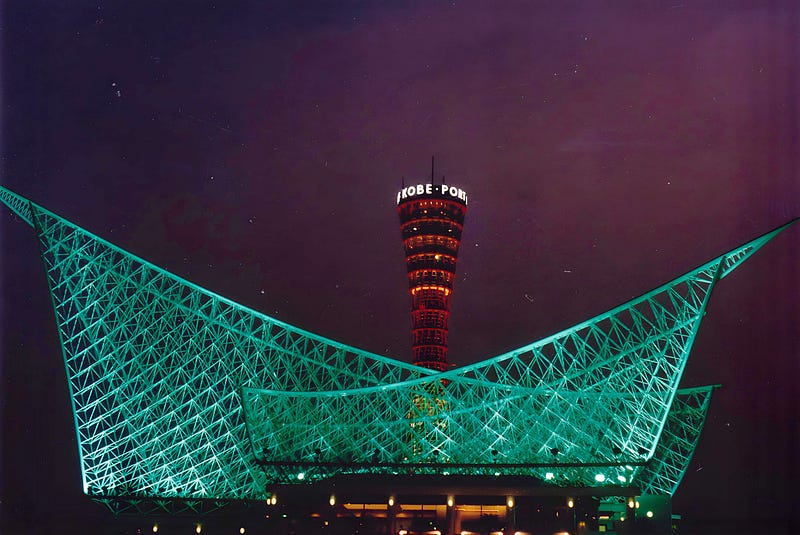
Nestled between the Rokko Mountains and the sparkling sea in the Kansai region of Japan is the handsome city of Kobe.
Kobe is the 7th largest city in Japan with a population of around 1.5 million. Only 30 minutes by train from Osaka and less than an hour away from Kyoto, Kobe is well-worth a short visit.
Although Kobe has a long history going back to the founding of Ikuta Jinja shrine nearly 2000 years ago, it took on its modern character after the opening of Japan in 1853 when it became a major port city for foreign trade along with Yokohama and Nagasaki. European traders and industrialists moved to Kobe, bringing their foreign ways with them.
Even to this day, Kobe sees itself as the most Westernized city in Japan, making it the opposite of Kyoto which revels in being the center of traditional Japanese culture.
The city remains an important port, as well as a major center for steel manufacturing and shipbuilding. The city is known around the world for Kobe beef, even though Kobe beef was raised for the foreign residents living there rather than being a local product of Kobe.
That makes Kobe a popular spot for domestic Japanese tourists who enjoy this elegant city for shopping and eating. The city abounds with coffee shops and the best bakeries in the country. For Western tourists looking for unique Japanese experiences, it’s far less enticing than nearby Kyoto or Osaka.
That said, there are a multitude of things to do and see, from a Nada sake walk to a soak at Arima onsen hot springs, that make the city unique and interesting and well worth a short visit.
I list the most famous sights of Kobe in the beginning, and the truly unique experiences afterwards. But to start your visit to Kobe, first you have to get here…
Arriving in Kobe
The center of the city is not at JR Kobe Station or the shinkansen stop at Shin-Kobe. Downtown Kobe is known as San-no-miya and the city is centered around the train and subway station of that name.
If you arrive in Kobe by shinkansen, it’s a 10 minute subway ride from Shin-Kobe to San-no-miya, but only a 20 minute walk. So depending on the weather and how much luggage you’re toting, your introduction to Kobe can be a pleasant walk down the hill into San-no-miya.
If you’re coming from Kyoto or Osaka, skip the shinkansen and take the regular JR shin-kaisoku (新快速) “special rapid express service” which will deposit you right into San-no-miya. Hankyu trains from Kyoto and Osaka are only a little slower and cost a little less, and Hanshin trains will also get you to Kobe from Osaka or Nara. It’s easiest to take whichever train line is closest to where you’re at.
The Popular Tourist Attractions
Ijinkan (異人館) historic foreigners’ homes: Up the hill from San-no-miya is the Kitanochō (北野町) district where the rich foreign residents lived from the opening of Japan through the Meiji and Taishō eras.
Many of these Western-style homes have been preserved as museums and are the most popular attraction for Japanese tourists. Having grown up in an old foreign house in America myself, seeing an old foreign house in Kobe hardly seems worth traveling from Tokyo or even Kyoto. However, the Kitanochō district is full of shops, hotels, and restaurants catering to the tourist crowd and is worth a walk around the neighborhood.
Ikuta Jinja (生田神社): this is one of the oldest shrines in Japan, founded by Empress Jingū in 201 A.D. It’s located a few blocks up from San-no-miya towards Kitanochō, and is good for a quick stop. But it hardly compares to the magnificent shrines and temples of Kyoto, so if you’ve seen enough shrines already, I give you permission to skip this one.
Arima Onsen (有馬温泉): In the mountains above Kobe, Arima is one of the oldest hot spring resorts in Japan, popular since at least the 7th century. It is famed for its reddish-brown water from dissolved iron that has long been considered therapeutic. As onsens go, Arima is not as spectacular as Atami, Beppu, or Kusatsu. But it’s pleasant and historic and you can be there in 30 minutes from San-no-miya, making it a convenient and relaxing experience, whether you’re coming from elsewhere in Japan or overseas.
Nankinmachi (南京町) Chinatown: In addition to Westerners who flocked to Kobe to trade, the port city was also popular with Chinese merchants, particularly from the city of Nanjing. A thriving Chinatown developed near the harbor south of Motomachi station, one of the 3 large Chinatowns in Japan along with Yokohama and Nagasaki. On the weekends, Nankinmachi is packed with people eating Chinese food from the stalls along the street or at the many restaurants in the area. Again, this is probably more interesting to Japanese tourists than Westerners, but the food is great and you can buy nikuman (called butaman here) buns shaped as pandas, pigs, and other cute animals.
Harbor and Boat Tour: The iconic image of Kobe at the top of this article is the taiko-shaped Kobe Port Tower along the waterfront with the Maritime Museum beside it. You can see them up close in Meriken Park along the harbor. If the weather is nice, a short cruise around the bay, especially at sunset or early evening, provides a magnificent view.
Nunobiki Herb Garden and Ropeway (布引ハーブ園): Want to see a German castle in Japan? Take the ropeway near Shin-Kobe Station 1.5 km up the mountain to the Nunobiki Herb Gardens. Here you’ll find Japan’s largest herb gardens with 200 kinds of herbs and flowers blooming throughout the year. From the top you’ll have an incredible panoramic view of Kobe sparkling down below.
Shop Til You Drop
San-no-miya Center Gai Shopping Street (神戸三宮センター街): Center Gai is a covered shopping arcade that starts just south of San-no-miya station. It’s filled with hundreds of boutique shops where you can buy everything from cute socks to a custom-made kimono, from leather jackets to electronic goods. There’s not much here that’s different from the rest of Japan other than some great bakeries, but the collection of boutiques that stretches on forever makes for an enjoyable stroll in any weather.
Santica (さんちか): Underneath San-no-miya is an expansive shopping district called Santica (san-chi-ka: San-no-miya underground) with yet more shopping. You’ll find many restaurants and cafes here, too.
Harborland (神戸ハーバーランド): If you can’t find what you’re looking for in Center Gai or Santica, head over to the new mall and shopping district along the waterfront called Harborland. If you’re looking for clothes from Zara or H&M, this is where you’ll find their shops. Although Harborland is not really a tourist spot, it has an incredible Christmas lights display this time of year.
The Really Interesting and Unique Things to Do in Kobe
Now that we’ve dispensed with the best-known tourist attractions, here are the places unique to Kobe that I recommend. All are a little different, a little unusual, and a bit off the tourist trail:
Nada Sake Walk: Nada-ku district of Kobe is the center of the sake world. The biggest sake brewers are here, including Hakutsuru and Kikumasamune, along with many smaller brewers, all within walking distance. If you like sake, it’s hard to imagine a better day than a stroll through Nada-ku, visiting the breweries and tasting different sakes.
Hakutsuru has perhaps the best sake museum in the world, along with free tastings and a fantastic gift shop. But don’t stop at Hakutsuru. Sawanotsuru also has a sake museum, as does Kikumasamune, along with sake tastings. Some of the small breweries offer tastings, too.
Don’t miss my favorite, Fukuju, which along with tastings, offers tours of the brewery (in English, but must make reservations at least 2 days ahead) and a wonderful traditional restaurant called Sakabayashi (reservations required).
You can find a walking map of the sake breweries here: https://www.city.kobe.lg.jp/documents/15721/sakaguramap.pdf
Shopping under the train tracks (Piazza Kobe ピアザ神戸): For 400 meters under the elevated train tracks between San-no-miya and Motomachi stations is a narrow shopping arcade called Piazza Kobe. Here you’ll find a funky, quirky collection of 160 tiny shops selling everything from cheap shoes, teen clothing, used goods, and plenty of quick snacks.
Museum of Migration (海外移住と文化の交流センター): From 1928 until 1971, Japan encouraged citizens to immigrate overseas, primarily to South America. Those immigrants began their long journey to a new life from the National Immigration Center in Kobe. The facility is now a museum detailing the history of the Japanese diaspora.
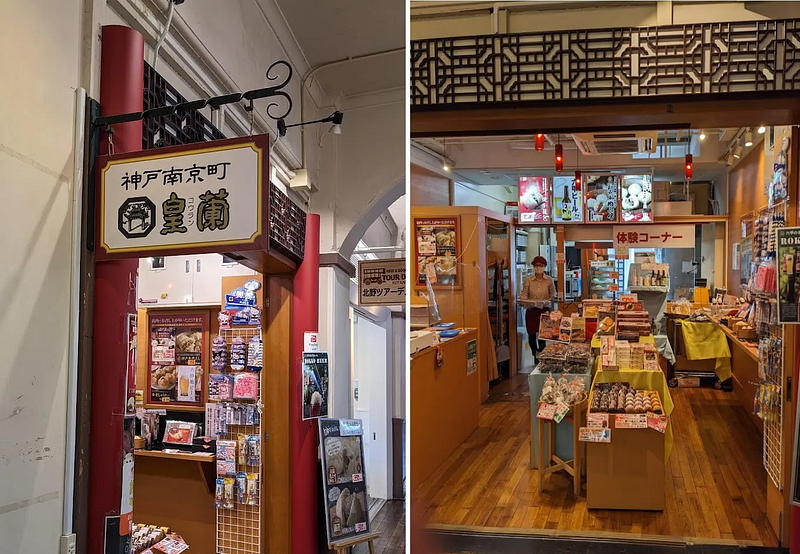
Kitano Kōbō (北野工房のまち): All the foods and crafts Kobe is famous for have been collected in one building in Kitanochō filled with a bunch of little shops. My absolute favorite is the Kouran shop where you can make your own nikuman steamed buns with your own design (1 day advance reservation required).
The locals in Kyoto/Osaka/Kobe speak a dialect of Japanese called Kansai-ben that differs from standard Tokyo Japanese. If you want to learn the local dialect, check out my language guidebook, Colloquial Kansai Japanese.


